Page Content
Papua, on the western half of the island of New Guinea, is Indonesia’s largest and least populated province. Three million people live here, in an area of over 42 million hectares (about half the size of California) – 80 percent of which is covered by forests.
New Guinea, the largest and highest tropical island, is the third largest tropical high-biodiversity wilderness area, in the world. New Guinea is an island of extremes: wild rivers, gushing waterfalls, and terrain that reaches from fertile floodplains to glacial Mount Jaya’s 5,000 meter summit. More than 7 million hectares of vast freshwater swamp-forests, lowland and hill forests, marshes, lakes, and rivers contain healthy populations of many globally threatened species.
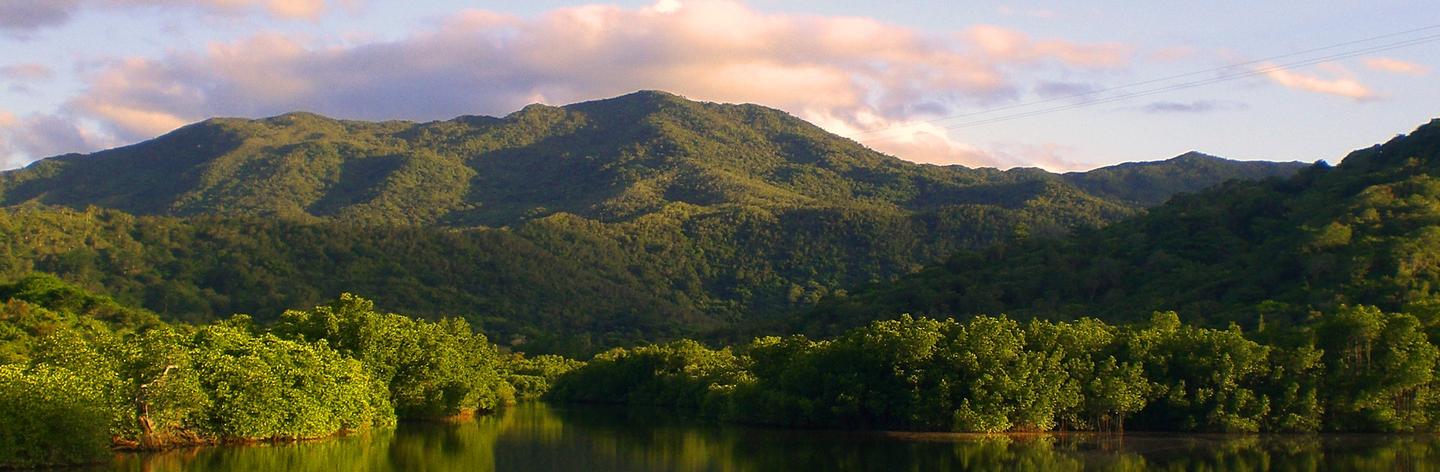
The Mamberamo basin, including the Foja Mountains, is part of the New Guinea High Biodiversity Wilderness Area and is located in the north central region of Papua province. The 8 million hectare Mamberamo has an extremely low human population (estimated at just 12,000 inhabitants) and is more than 95 percent forested, making it the largest and least-disturbed tropical humid forest watershed in the Asia-Pacific region.
The Foja Mountains form the northern boundary of the Mamberamo basin. They are of particular interest for conservation because they are an isolated, outlying mountain chain and many aspects of their geography and biology are unique. In fact, the Foja Mountains are home to a globally significant array of plants and animals – many that live nowhere else on earth.
Subsection 01
Learn more about the Foja Mountains, including our three expeditions and discoveries over five years.