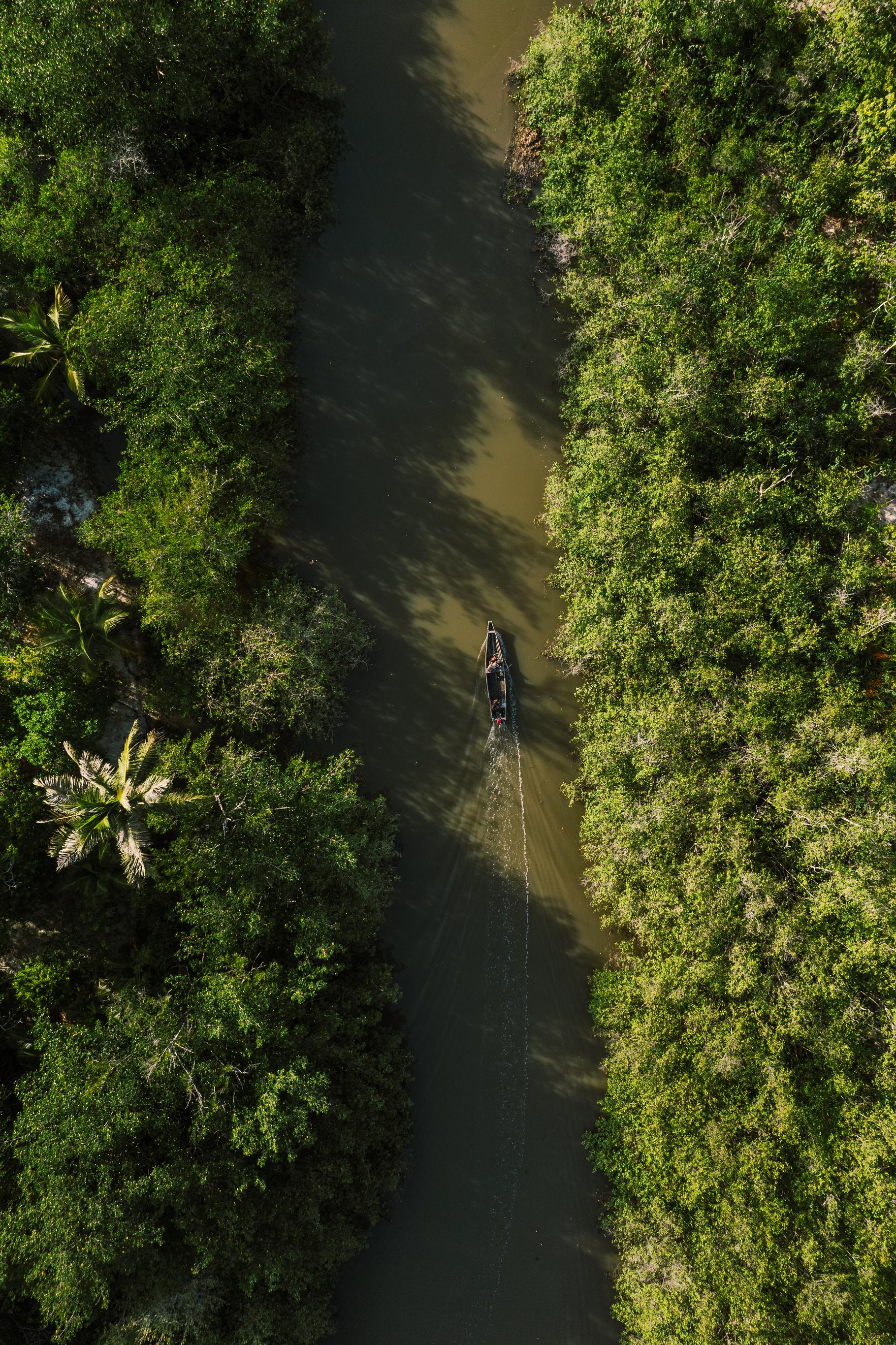
A year defined by change, by urgency and by possibility.
A year defined by change, by urgency and by possibility.
Throughout 2025, Conservation International made bold strides to protect nature for the benefit of humanity.
Thanks to the generosity of supporters like you, these achievements are more than milestones. They are momentum.
4X
GRANTS TO INDIGENOUS AND LOCAL ORGANIZATIONS
Over the past four years, Conservation International has quadrupled grants to Indigenous and local organizations.
$35M
TO PROTECT NATURE IN INDONESIA
The funding will protect and restore Indonesia’s highest-priority coral reefs, including Raja Ampat, where Conservation International has worked for two decades.
850K
TREES PLANTED IN EASTERN HIMALAYAS
By the end of 2025, Conservation International’s partners planted 850,000 trees across India, Nepal, Bangladesh and Bhutan.
740K
ACRES OF THE AMAZON PROTECTED
Two new conservation areas in Peru will protect a vast swath of critical, vibrant rainforest in the Amazon.
Jump to:

I am here, stepping into this remarkable opportunity as Conservation International’s CEO, because I believe we have what we need to create a future where people and nature thrive together.”
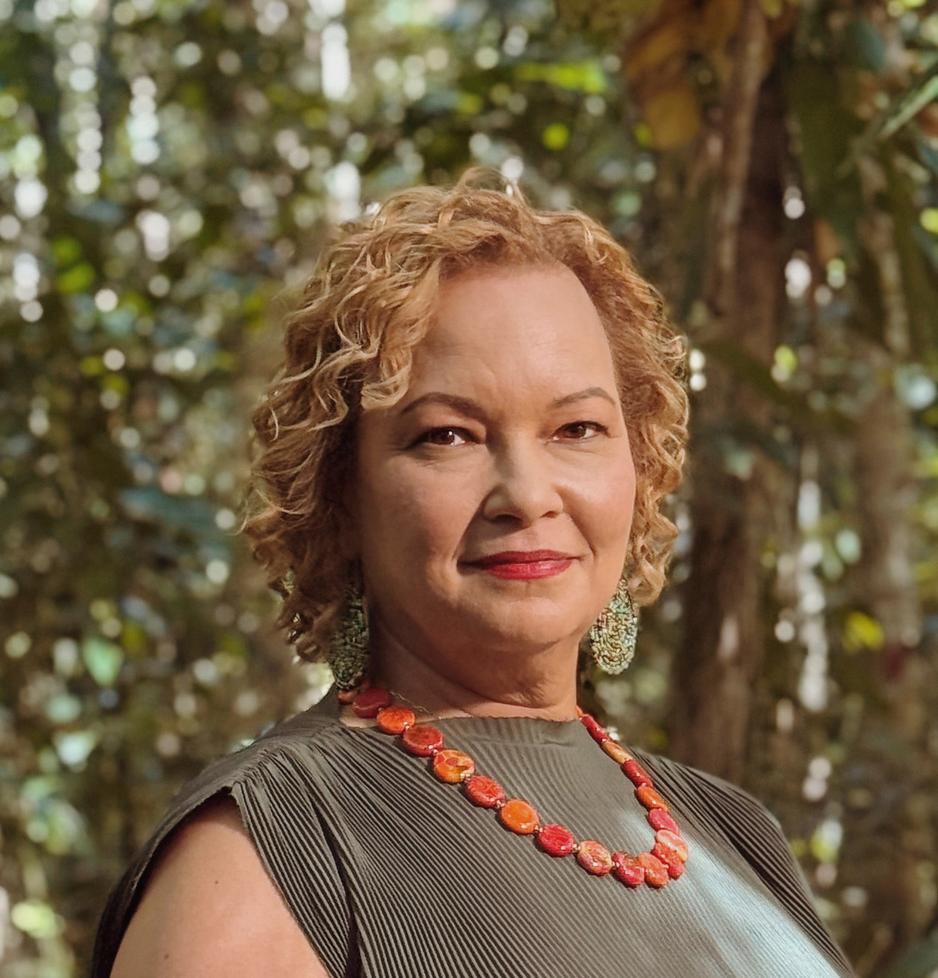
This year, I watched Conservation International emerge stronger, absorbing tension without fracturing. Our family of support grew more resolute. There’s a word for that: integrity.”
Stabilizing the Climate
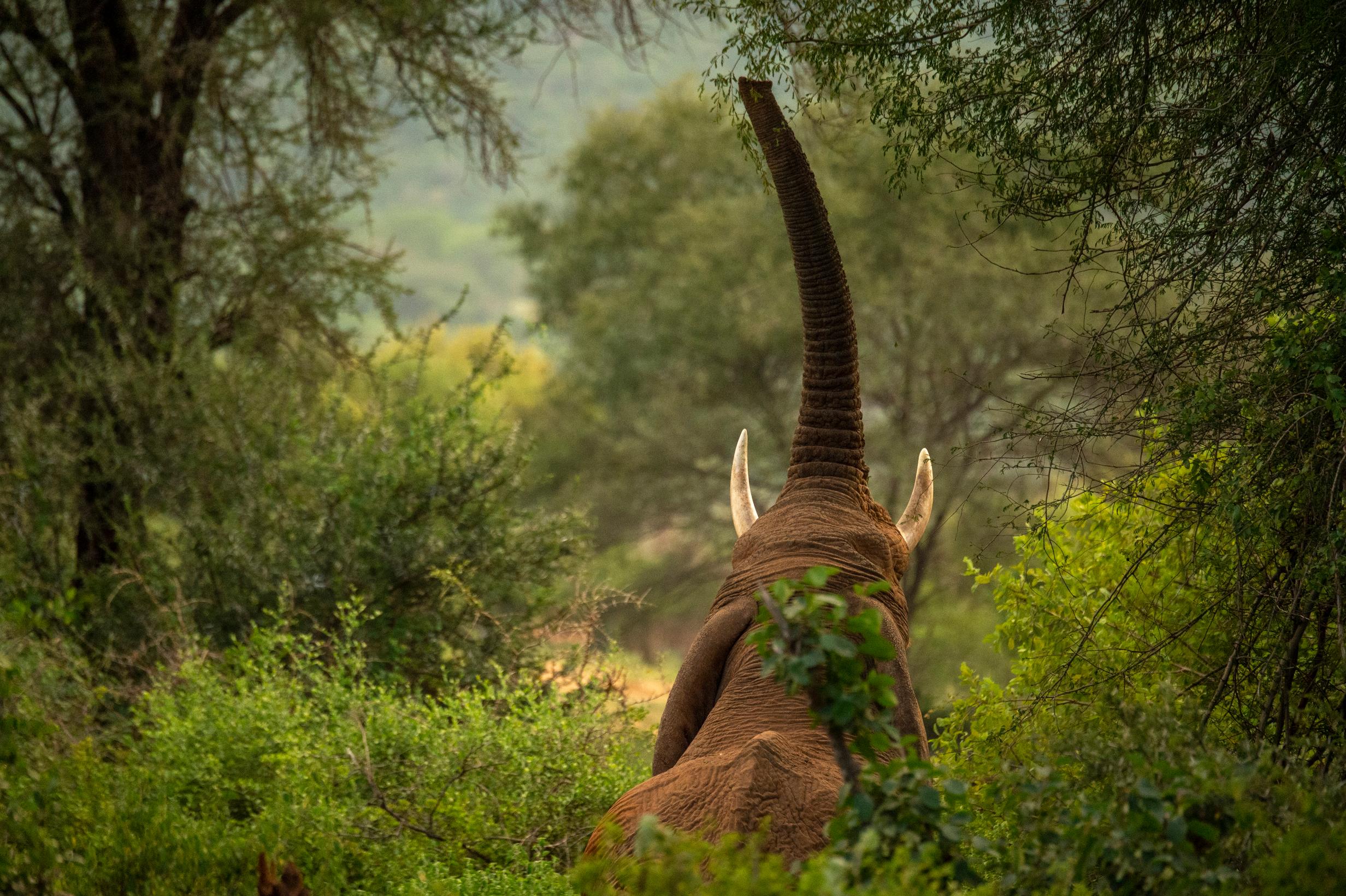
Protected areas help stabilize the climate, study finds
Billions of tons of planet-warming carbon are locked in nature’s vault: in ancient bogs, in mangrove mud, in tropical trees. When that vault is opened — that is, when those ecosystems are degraded or destroyed — that carbon is released into the atmosphere as carbon dioxide, where it wreaks havoc on the climate. The consequences are permanent — and global. But Conservation International research has found that a new wave of protections is slowing this carbon pollution from entering the atmosphere.
A fabled corner of the Amazon is now protected
For centuries, explorers chased the legend of Gran Paitití, the fabled city of gold hidden deep in the Amazon. This year, Conservation International helped Bolivia make that legend a reality: The South American country named its newest protected area after the mythical kingdom, in a region where the Andes meets the Amazon.
Tackling climate change and saving lives
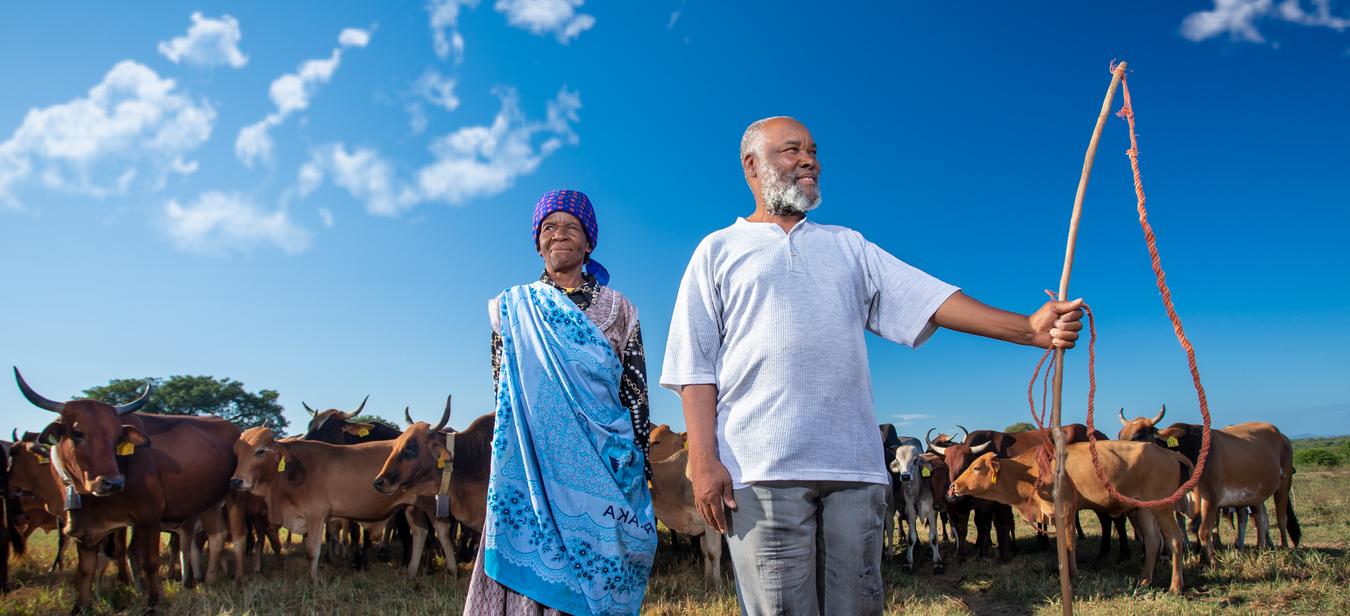
With support from several donors, Conservation International has worked alongside local Maasai communities in the Chyulu Hills since 2017 to restore 15,000 hectares (37,000 acres) of degraded grassland. The science is clear: Grassland restoration is an investment in the climate, in safer communities and in thriving wildlife.
As parents, we know that if people are forced to choose between their livelihoods and protecting nature, we won’t meet one of the defining challenges of our time. But it doesn’t have to be an either/or choice. What we like most about Conservation International is their focus on smart, effective solutions that work for both people and the planet. As healthcare workers busy with small kids, the scale of the global nature crisis can feel overwhelming. Being a small part of Conservation International’s inspiring work gives us hope.”
Protect the Oceans
Discovery offers glimpse into mysteries of whale sharks
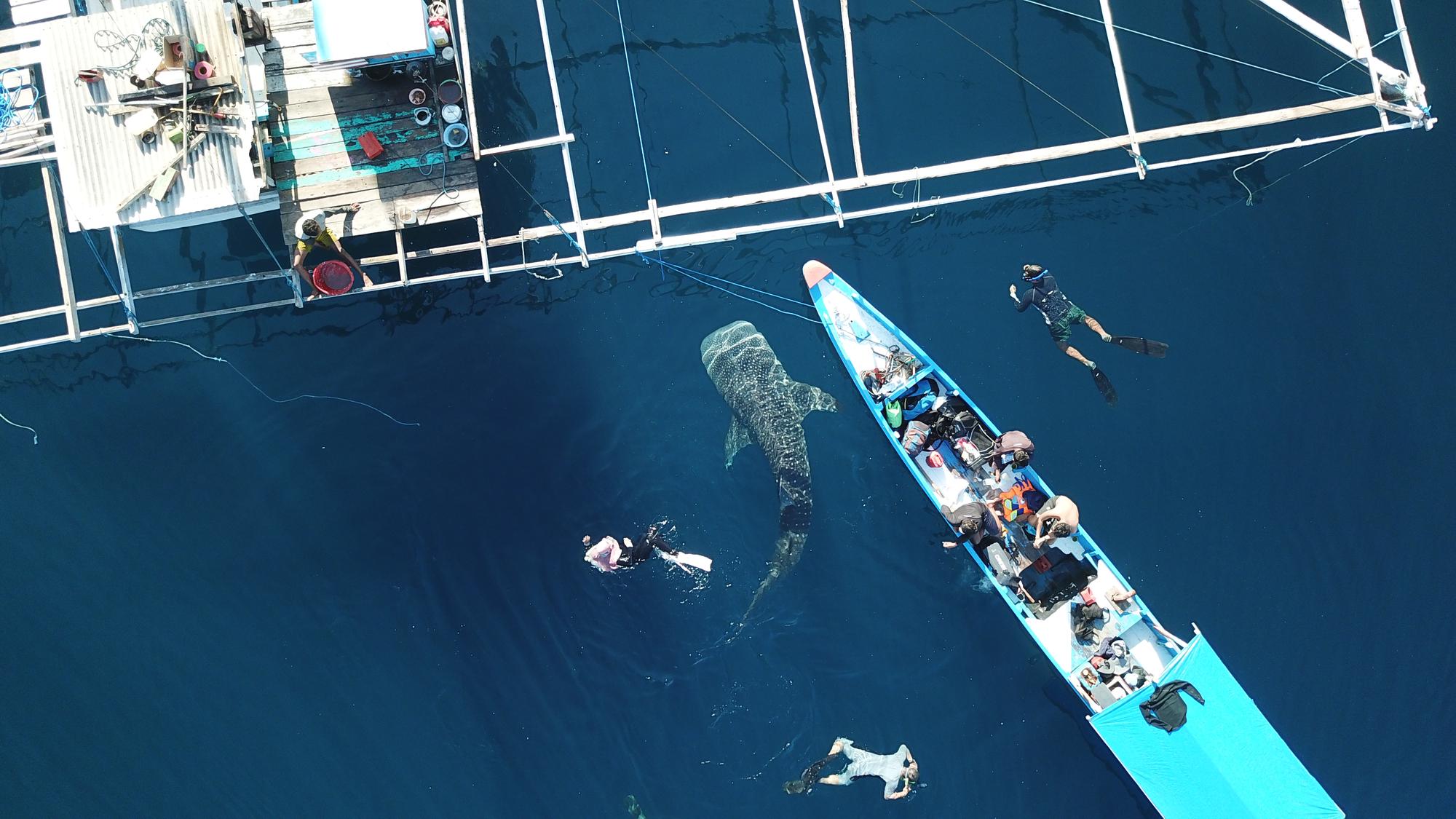
In a new study led by Konservasi Indonesia — the local partner of Conservation International — scientists say that that these sightings offer the strongest evidence yet that Saleh Bay is the world’s first known pupping and nursery habitat for this endangered species. This new evidence comes at a pivotal moment as Konservasi Indonesia works with government authorities to establish Saleh Bay as Indonesia’s first whale shark-based marine protected area.
A major win for the high seas
The high seas — waters beyond any nation’s jurisdiction — cover nearly two-thirds of Earth’s ocean, yet only 1 percent is protected. Now, finally, humanity is poised to take a big step to protect it. The UN High Seas Treaty was officially ratified in September — a historic agreement to protect international waters that face numerous threats from overfishing, deep-sea mining and pollution. Conservation International, supported the treaty’s ratification, as well as helped shape how it will be put into practice.
Breaking marine protection records
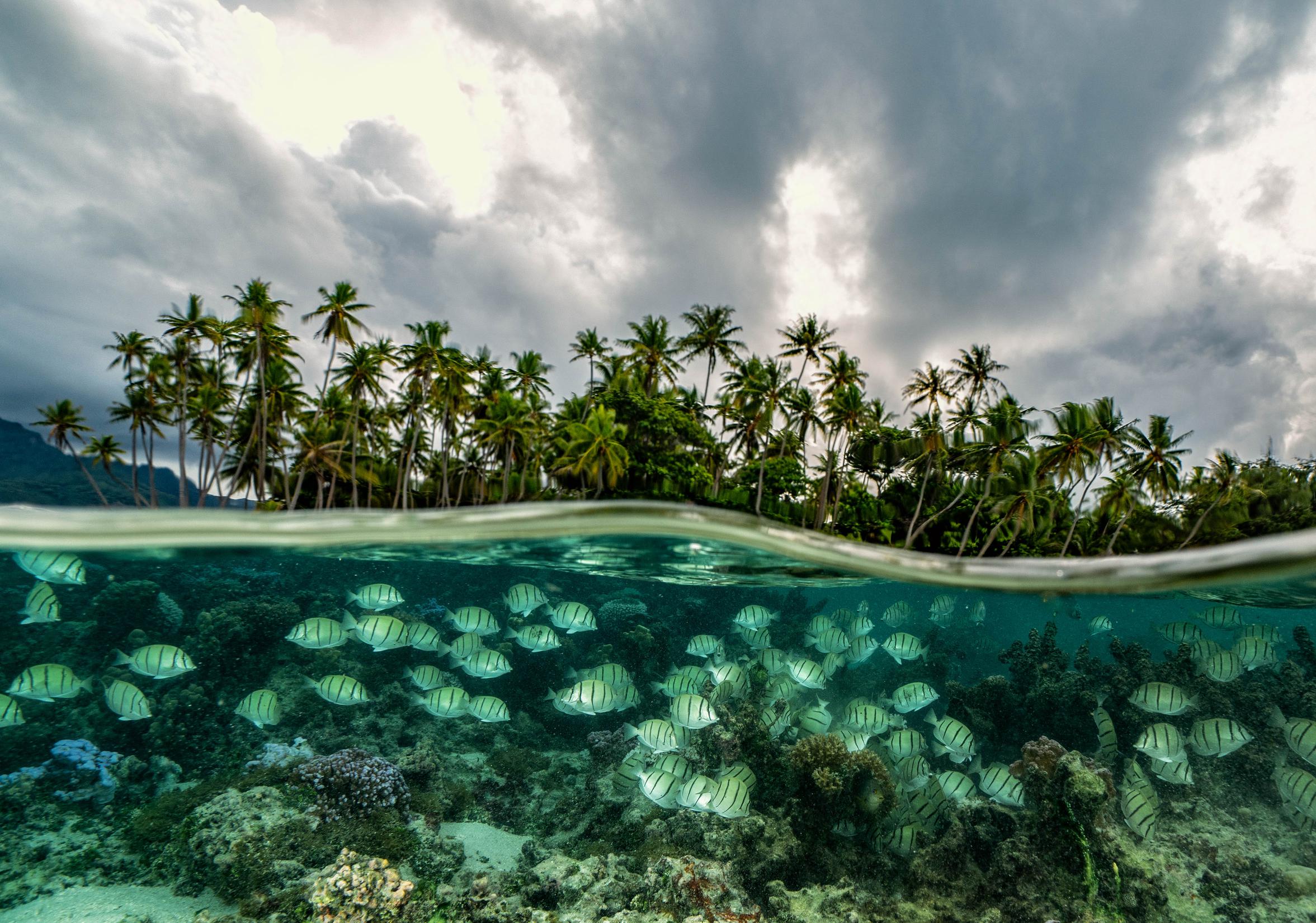
In June, French Polynesia designated all its territorial waters as a marine protected area — an extraordinary gift to the ocean made possible with support from Conservation International and a coalition of partners. French Polynesia’s commitment is one example of substantial progress made by the Blue Nature Alliance, a collaboration led by Conservation International, The Pew Charitable Trusts, the Global Environment Facility, Minderoo Foundation and the Rob Walton Foundation.
The ocean is our planet’s life support system, and protecting it requires collaboration across sectors. Our partnership with Conservation International, the Blue Nature Alliance, and others to advance ratification of the High Seas Treaty marks a major step toward 30x30 and underscores how cooperation can drive real progress. Together, we can help secure lasting protections for the ocean and the billions of people whose livelihoods depend on it.”
Expand Nature-Positive Economies
Bringing an invasive species to heel
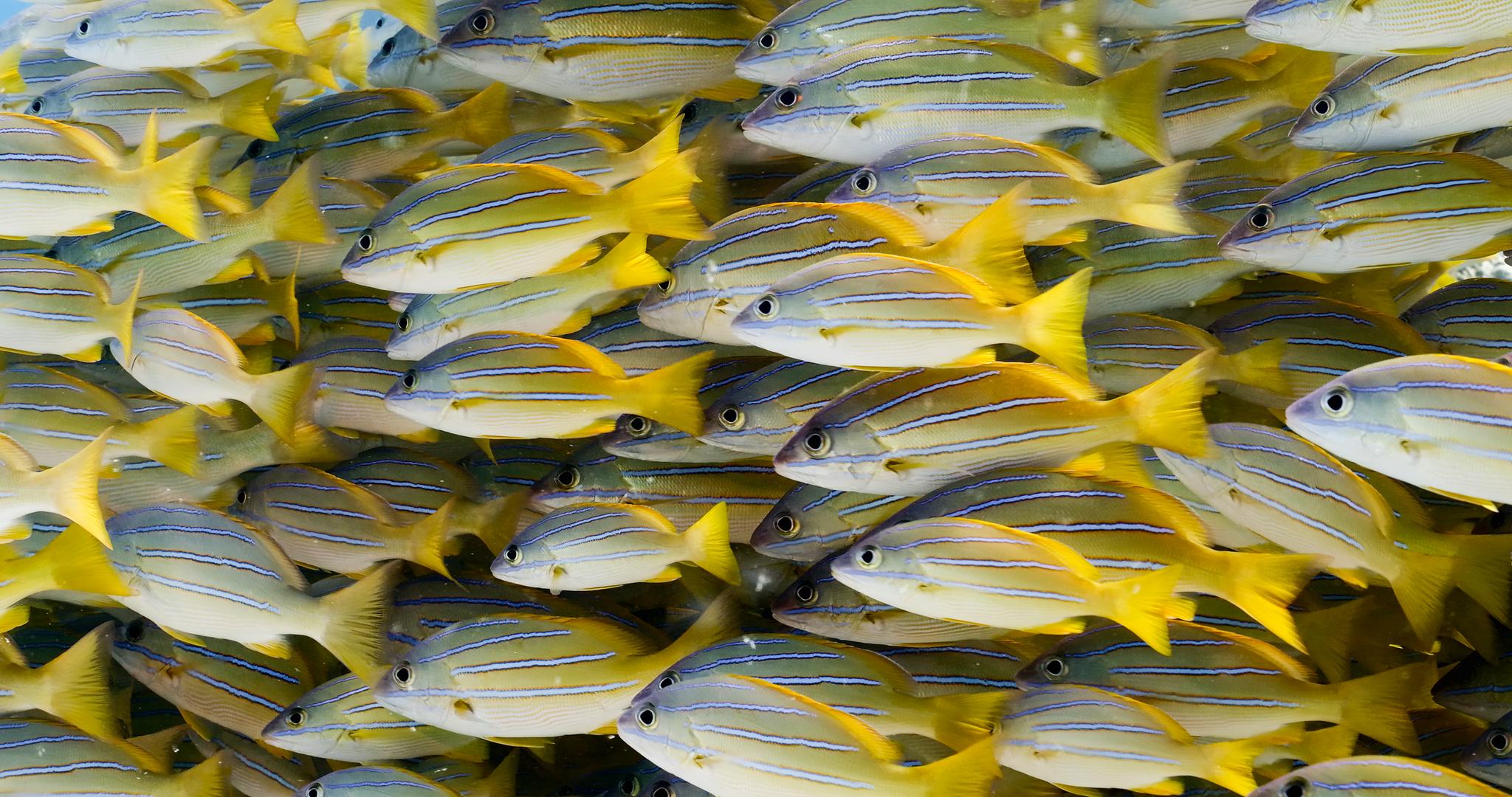
In the waters off the Hawaiian islands, schools of small yellow and blue-striped fish look like they belong in the island chain’s vibrant reefs. But these fish, known as ta‘ape, are invasive, devouring everything in their path. A new effort wants to put them on your feet: Conservation International and P448, a luxury Italian shoe brand, teamed up to create a shoe that uses ta‘ape fish leather in the design. In the past year, P448 sourced 2,000 ta‘ape skins from fishermen on the island of Moloka‘i — those skins were transformed into nearly 900 pairs of shoes.
From family farm to the world’s best restaurant
At Maido — a Lima restaurant recently named the best in the world — one of the star dishes is paiche, a giant prehistoric river fish. Its journey begins on a family farm deep in the Peruvian Amazon. The owners of the farm, called Pucayagro, once cleared forest for rice paddies and cattle. The result was a land drained of its water and bereft of its wildlife. With help from Conservation International’s Amazon Business Alliance, the González family began converting Pucayagro’s rice paddies into fish ponds, made possible because of the abundant wetlands now on their farm.
Restoring mangroves and improving incomes
What began as an idea hatched between two Conservation International Friedman Fellows has blossomed into a US$ 3.6 million project that is revolutionizing a cornerstone industry in Indonesia. In partnership with Konservasi Indonesia — the local partner of Conservation International — we launched Indonesia’s first-ever climate-smart shrimp farming pilot — a groundbreaking program that is benefiting local farmers while restoring mangrove forests.
Spending time outdoors has given me such respect for nature. Conservation International’s work really speaks to me because it’s not just about protecting landscapes and wildlife, it’s also about learning from the people who live in these wild, natural places and truly love the land. Supporting these relationships feels like the most meaningful way I can help nature thrive.”
Reimagine Conservation
An uprooted people, a legacy of conservation
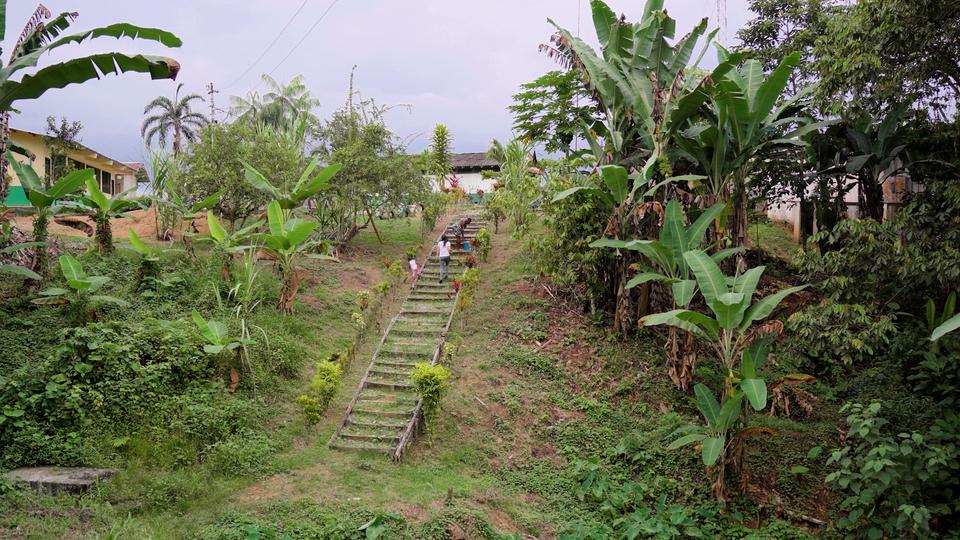
The descendants of African slaves have made massive beneficial impacts on lands throughout South America, according to new research from Conservation International — and those impacts have gone largely unrecognized until now. The study found that deforestation rates for Afro-descendant lands were as much as 55 percent lower compared with similar areas. Additionally, the study calculated that Afro-descendant lands are among the most biodiverse in the world.
A milestone in Brazil
The world gathered in Belém, Brazil for the UN climate talks where Conservation International helped launch the Tropical Forests Forever Facility, securing US$ 6.7 billion to reward countries for keeping forests standing. We also advanced the Brazil Restoration and Bioeconomy Finance Coalition, mobilizing US$ 5 billion toward restoring forests and boosting sustainable, nature-based economies. We also amplified the voices of Brazil’s Indigenous Peoples, whose leadership is essential to successful conservation.
Fusing Indigenous knowledge with modern science
In the Alto Mayo region of northern Peru, a mosaic of dense Amazon forest and fertile land has supported wildlife and Indigenous communities like the Awajún for generations. To better understand the extent of the region’s biodiversity, Conservation International led a team of Peruvian scientists on a 38-day ecological survey. With the help of expert Awajún guides, the scientists were able to navigate the rugged landscape and identify areas of unique biodiversity density. All told, the expedition identified 27 species new to science and received media coverage, including CNN and The New York Times.
The most powerful conservation begins with the people who have lived in harmony with the land and sea for generations. That’s why we’re honored to partner with Conservation International and stand alongside Indigenous Peoples and local communities in Indonesia who are safeguarding their territories, cultures and way of life. By supporting traditional fishing practices — ones that allow the ocean time to heal, much like resting farmland — we’re learning that true sustainability comes from listening. When we honor local wisdom, we don’t just protect nature; we work with it.”
Keep Reading
Read Our Annual Report
As you’ll see in this report, our efforts around the world helped keep climate-warming carbon in the ground; strengthened protections for some of the planet’s richest ocean ecosystems; and elevated the leadership of Indigenous Peoples and Afro-descendant communities whose stewardship is essential to protecting the climate and wildlife.