At night, aboard a traditional wooden fishing vessel, a column of green-white light shot into the black sea below.
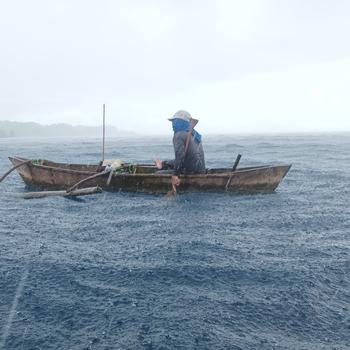
The fishers aboard were doing routine work: raising and lowering a wide lift net, checking the ropes that held it suspended and tending a series of lamps that draw small baitfish beneath the platform.
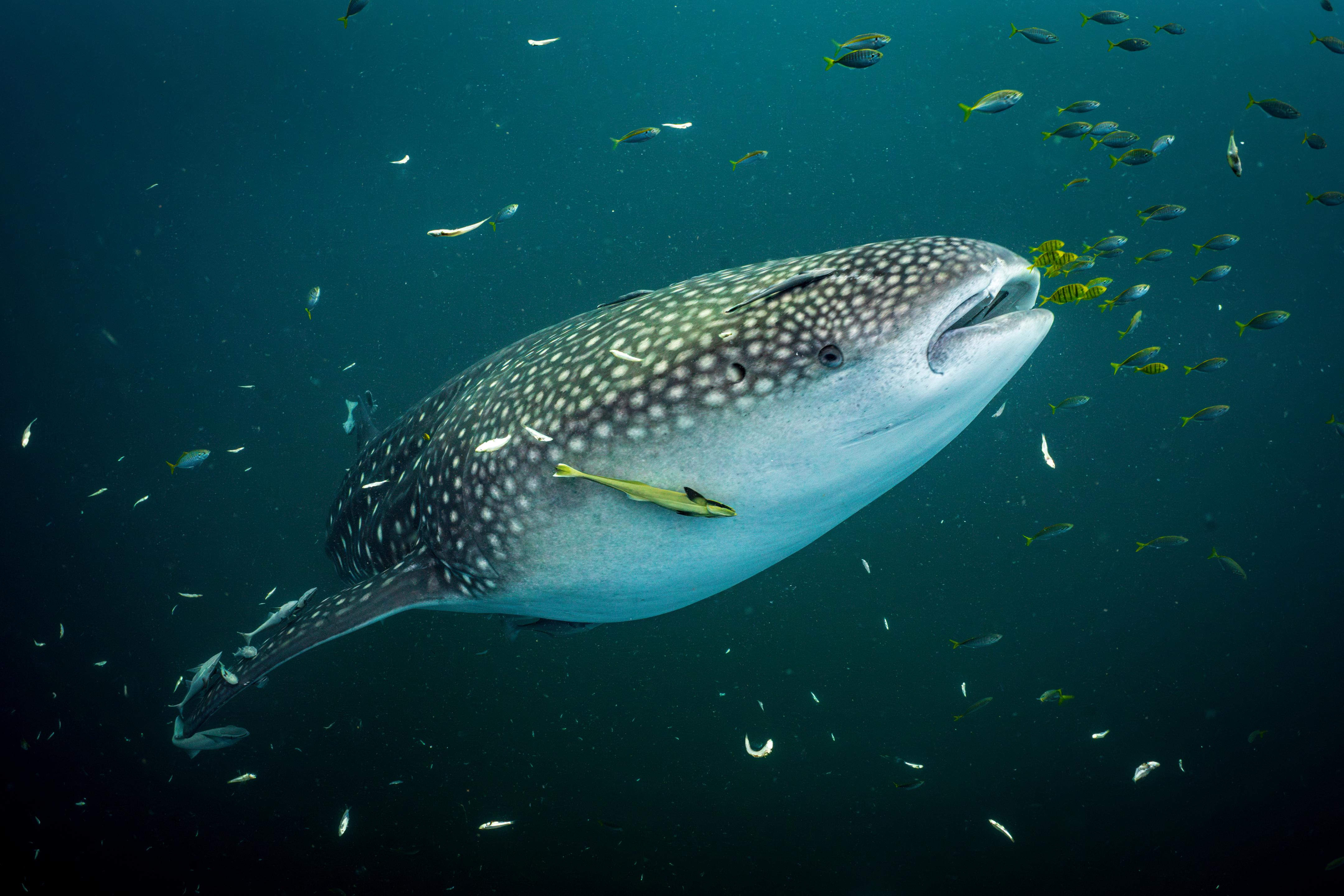
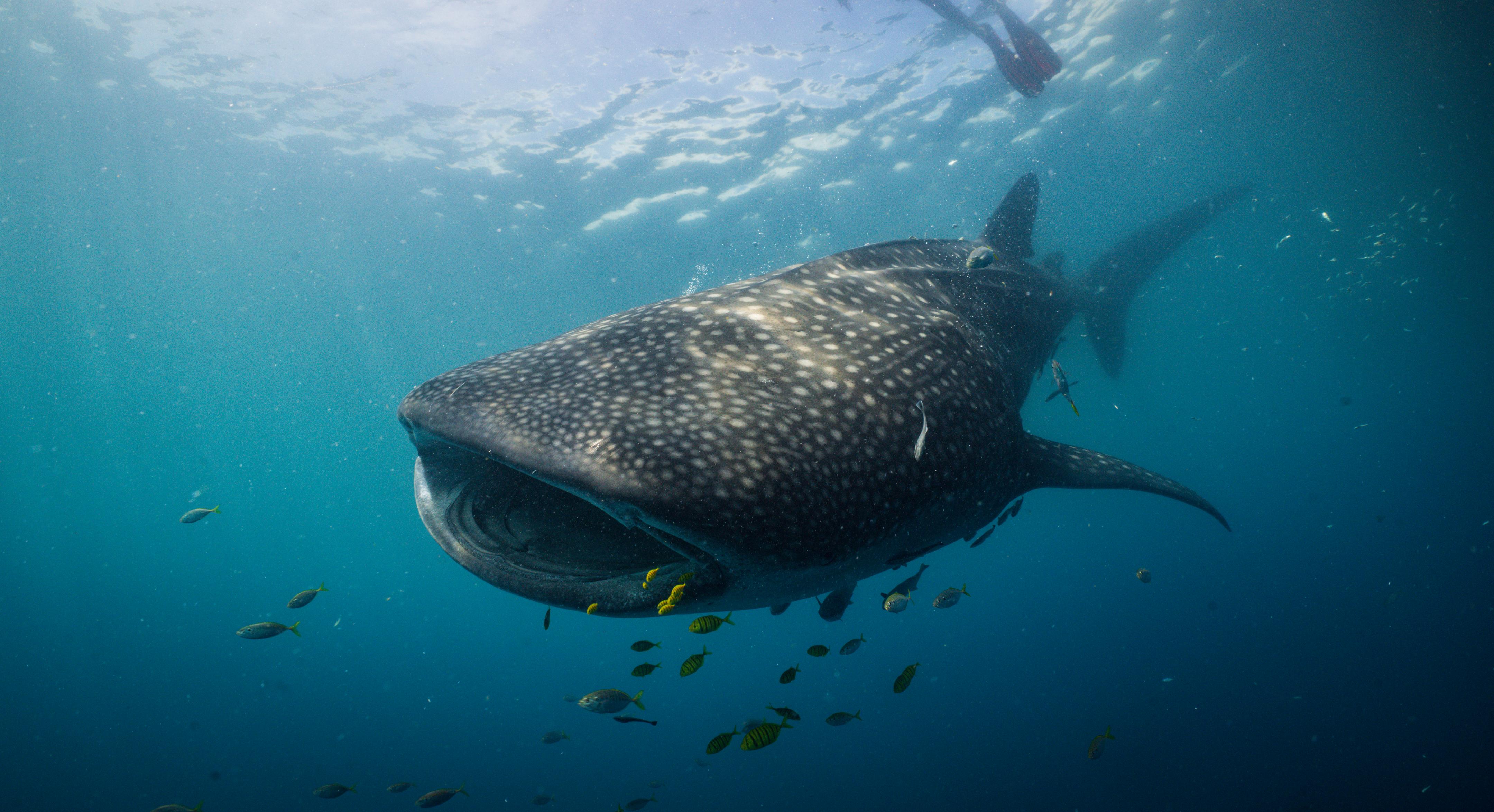
But as the crew began to lift the net, something unusual surfaced in the glow: a pale, spotted shape drifting just above the mesh. It was a whale shark — an endangered species — but by far the smallest one they had ever seen in Saleh Bay, Indonesia.
Video of the first baby whale shark discovered in Indonesia:
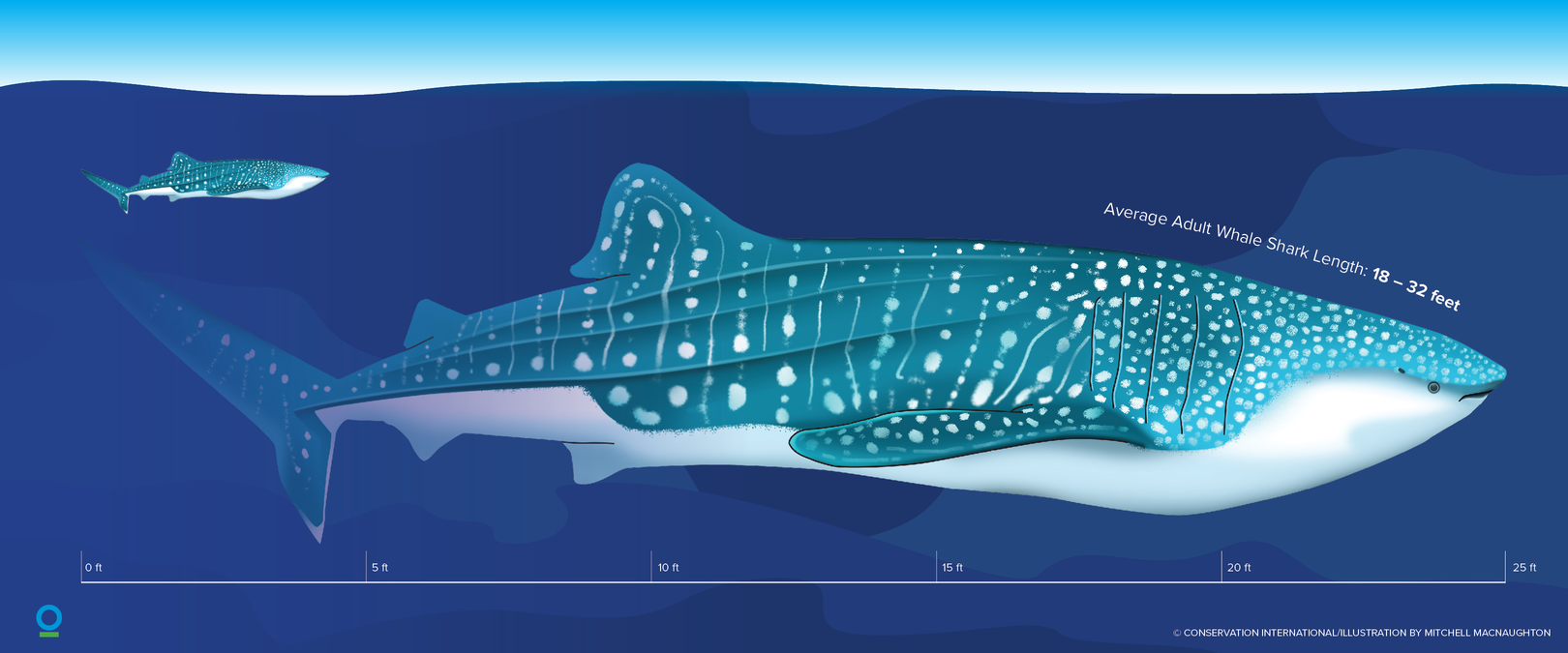
At just 1.3 to 1.5 meters long, the animal fell squarely within the size class of a neonate, a baby only a few months old. Until now, every whale shark documented in Indonesia had been a juvenile at least twice that size. Globally, sightings of individuals under 1.5 meters are vanishingly rare — only 33 have ever been recorded in the scientific literature.
That made this encounter extraordinary. But it was only the first of several sightings made by other fishers on other nights.
Within the span of a month, fishers in Saleh Bay documented five independent encounters with tiny whale sharks gathering near these fishing platforms — called bagans. One was even lifted inadvertently in a net, examined briefly in a seawater-filled cooler box, and released. Such frequency is unheard of.
In a new study lead by Konservasi Indonesia — the local partner of Conservation International — scientists say this pattern offers the strongest evidence yet that Saleh Bay may be the world’s first known pupping and nursery habitat for the species.
Almost nothing is known about where whale sharks are born or how they spend their earliest months of life. For a species this large and widespread, their reproductive biology remains one of the great mysteries of the ocean. That’s why these neonate sightings in Saleh Bay are so remarkable — they give us a rare glimpse into a life stage we almost never see.”
To date, no whale shark pupping ground has ever been confirmed anywhere in the world.
Only a single pregnant female — caught off Taiwan in 1995 — has ever been closely examined, revealing hundreds of embryos at different developmental stages. But researchers have never observed where females give birth, or how newborns use their habitat once they enter the open sea.
This new evidence comes at a pivotal moment as Konservasi Indonesia works with government authorities to establish Saleh Bay as Indonesia’s first whale shark-based marine protected area. Until now, that effort focused on the bay’s importance to juvenile sharks that forage here year-round. The discovery of neonates strengthens the case, showing that Saleh Bay — a wide and semi-enclosed stretch of water, calmer and more sheltered than the open sea — may support whale sharks across multiple life stages.
But none of this is possible without the people who work these waters every night.
For years, Konservasi Indonesia has led a citizen-science program in Saleh Bay, partnering with fishers, tourism operators and youth groups to collect ecological data that guide conservation decisions. Through this effort, community members learn how to document whale shark sightings, take clear identification photos and report incidental bycatch events — the very information that made this study possible.
“Before our trainings, fishers were often unsure how to release whale sharks safely,” Putra explained. “They care about these animals, but they didn’t always have the tools or knowledge. Since 2018, we’ve worked alongside them — doing hands-on demonstrations, mentoring crews and introducing low-impact techniques based on national and international guidelines. Today, most fishers can free a shark quickly and safely.”
With fishers watching the water as closely as ever, another season of sightings could confirm Saleh Bay as a whale shark nursery. For now, the focus stays on the water — where the next clue may surface at any moment.