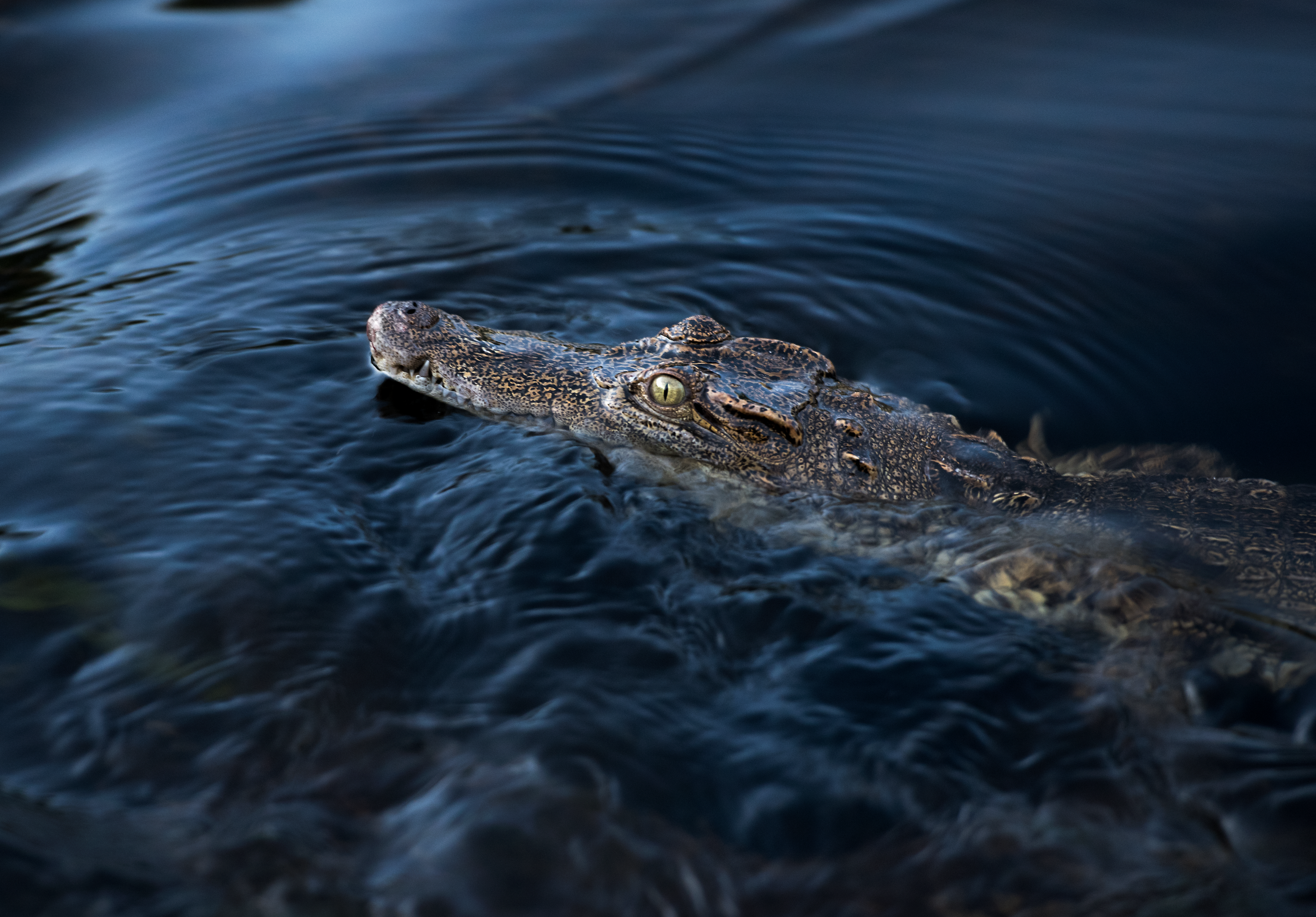
For decades, scientists feared the Siamese crocodile had vanished for good.
Now, newly protected wetlands are offering this rare reptile a second chance. With support from Conservation International and Fauna and Flora, the government of Cambodia announced new protections, which will legally protect key nesting habitat from the increasing pressure of illegal land grabs.
“Securing this habitat is critically important,” said Sovannarith Thol, a biologist at Conservation International-Cambodia. “The area around the protected zone is experiencing runaway deforestation and increasing human encroachment. This protection ensures these endangered crocodiles have a place to live, breed and maintain their connection with local communities.”
To conserve this important apex predator, known for keeping freshwater ecosystems healthy, Cambodia designated the country’s first-ever Crocodile Genetic Conservation Area — a specialized legal designation with stricter enforcement than traditional protected areas.
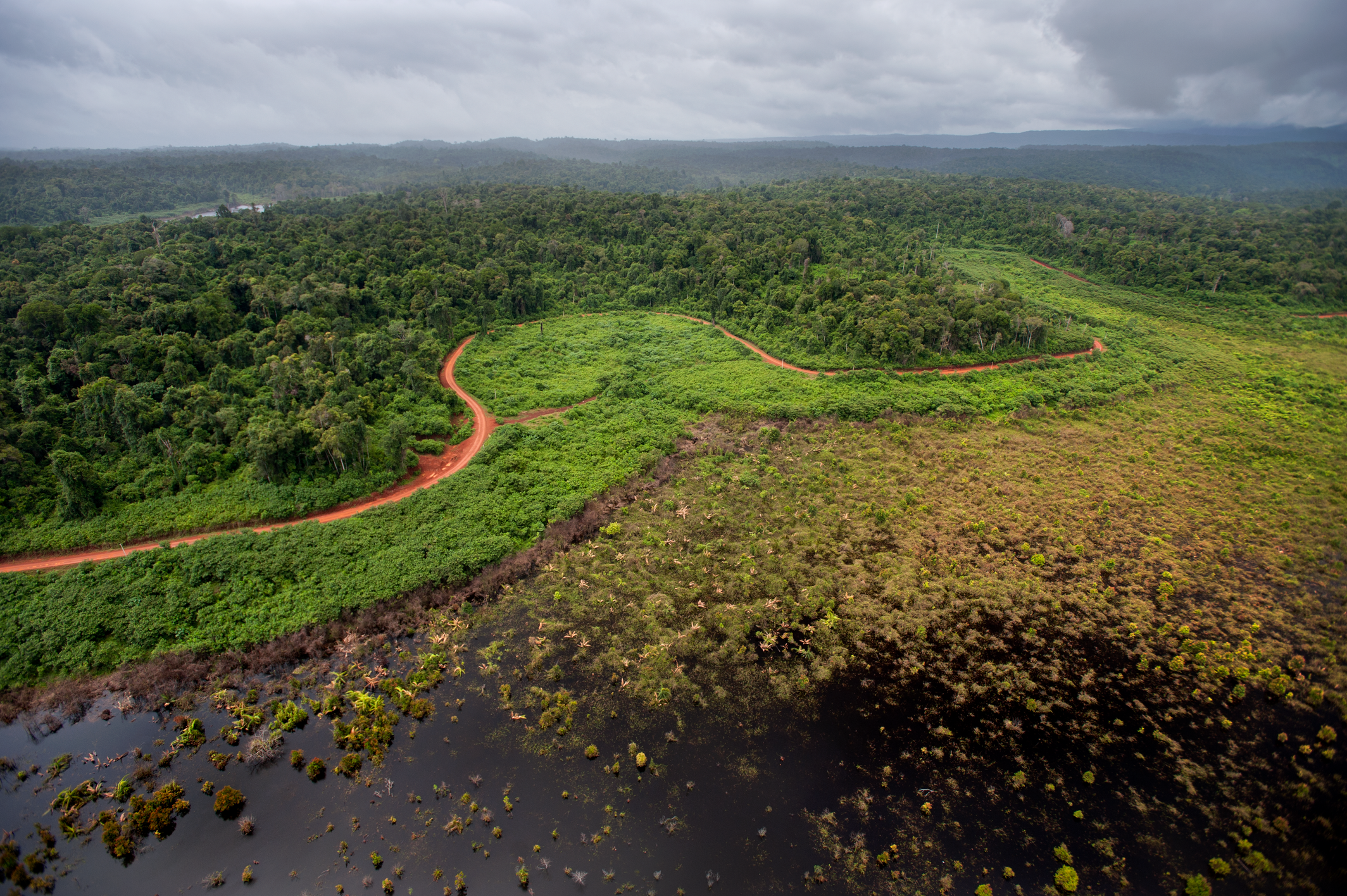
The 315 hectare (780 acre) protected wetland, located near O'Soam village deep in the Cardamom Mountains, is home to the largest remaining population of Siamese crocodiles in the wild. Around 1,000 individuals remain throughout Southeast Asia, with roughly 400 in Cambodia alone.
For a time, scientists thought the crocodiles had gone extinct in the wild.
Then, in the early 2000s, researchers from Fauna and Flora stumbled upon a population in O’Soam, a discovery that confirmed what local communities in O’Soam had long known: the species was still hanging on.
“Traditional stories and folklore often portray crocodiles as powerful spiritual beings or guardians of rivers and sacred places,” Thol said. “Local beliefs discourage harming them and promote coexistence. These cultural values have helped protect the species in areas where modern conservation had not yet reached.”
The Chorng Indigenous People helped the species survive amid rampant habitat loss, poaching and widespread crossbreeding with captive-bred crocodiles in the surrounding areas. The new protections are near an area they consider a sacred spirit forest, which holds a millennia-old shrine with depictions of the crocodile.
Many of the rangers who protect the crocodiles are from these Indigenous communities and provide an important link between local cultural values and conservation efforts, Thol said.
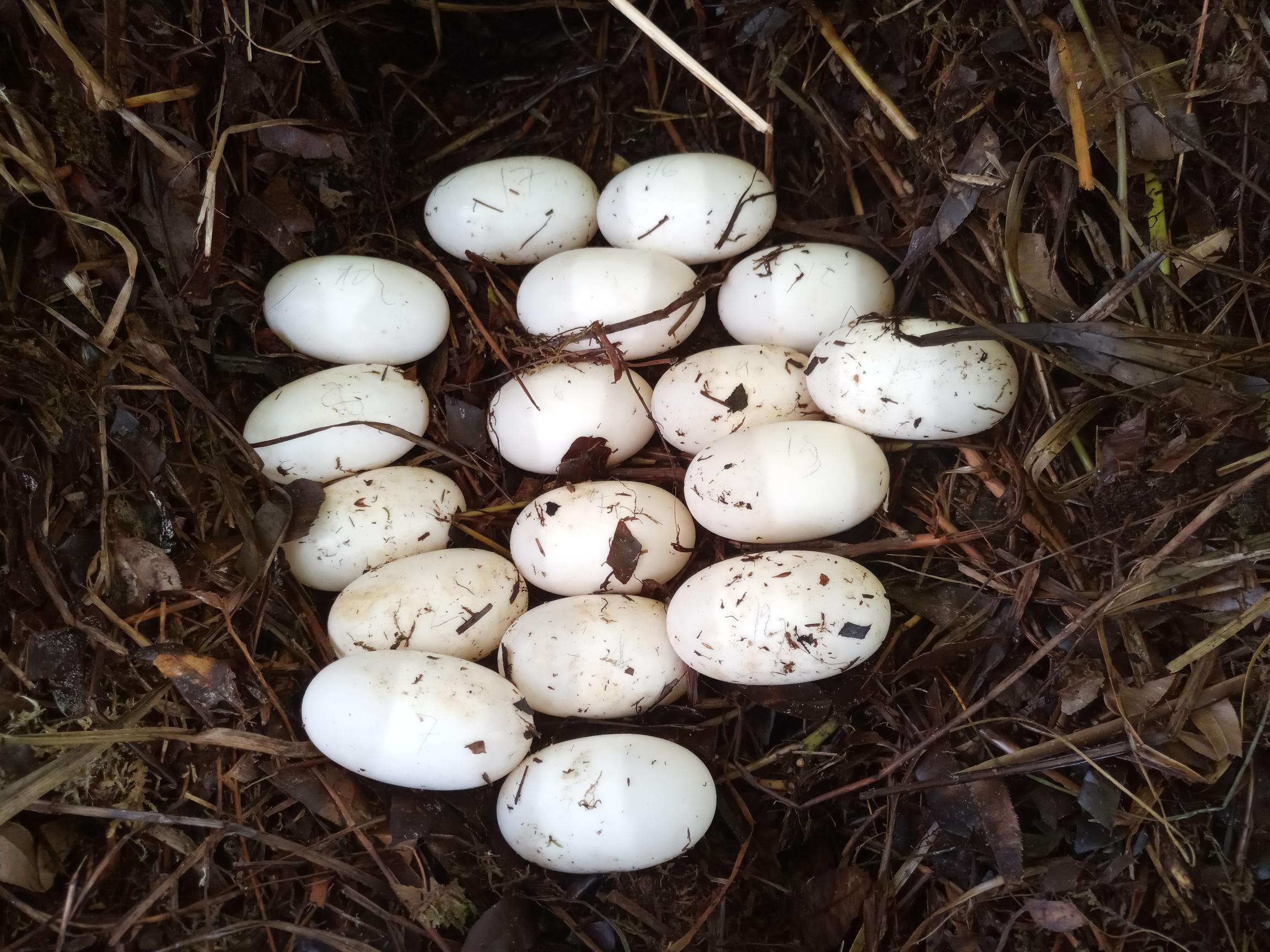
Over the last two decades, efforts like habitat protection and a conservation breeding program have helped populations slowly recover. Last year, a nest of 17 crocodile eggs found in O’Soam signaled that the area is a thriving breeding ground — and in need of urgent legal protection.
Conservation International has worked in the Cardamom Mountains for years to protect wildlife habitats and support sustainable livelihoods for the more than 4,000 Indigenous people who live there.
“This outcome builds on more than two decades of partnership to protect the Central Cardamom Mountains — one of Southeast Asia’s last great rainforests,” said Sony Oum, who leads Conservation International-Cambodia.
“By protecting a last stronghold of the globally endangered Siamese Crocodiles in the wild, we’re not only saving a species from extinction — we’re supporting Indigenous communities, strengthening law enforcement, and preserving the genetic diversity of this globally important species and its wetland ecosystems for future generations,” he continued.
Conservationists hope the new protected area will serve as an example for protecting other critically endangered species.
“The Siamese crocodile is a symbolic creature of Cambodia — this protected area shows what’s possible when local communities, government and conservation organizations work together,” Thol said. “We’re proud to give this iconic species real long-term security in a safe habitat.”
Video: © Catfish / Fauna & Flora