
Study: Shark-finning bans fall short, but bright spots offer hope
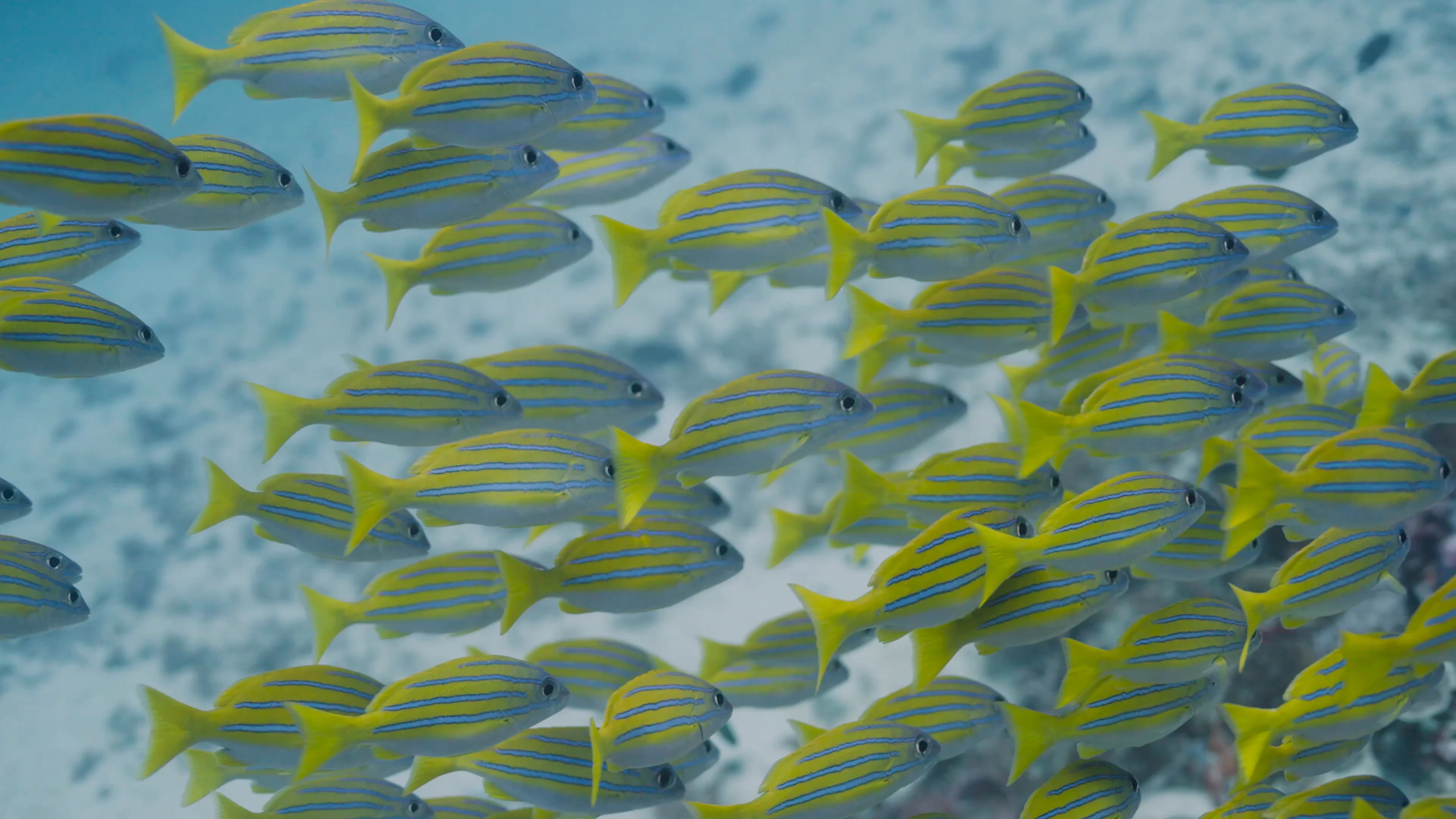
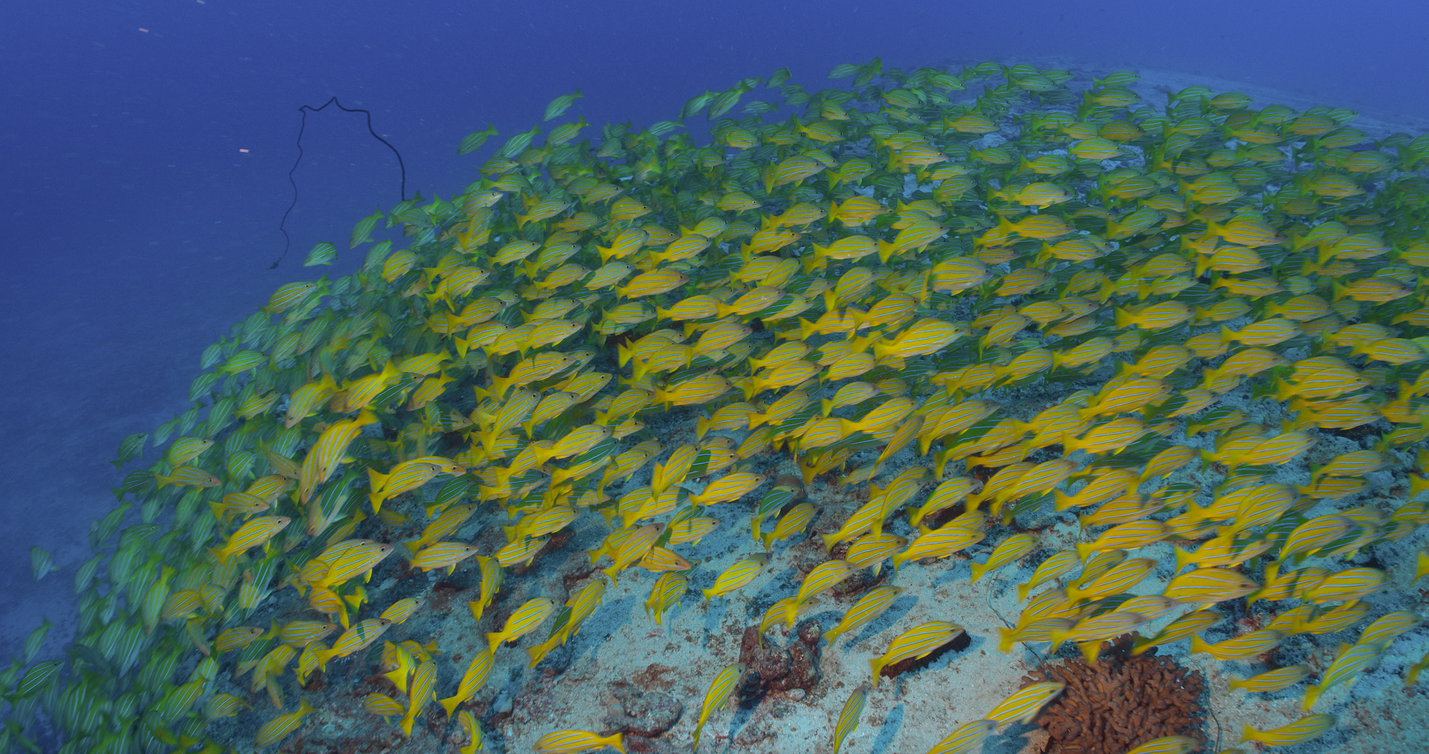
Despite evidence that efforts to ban shark finning in recent years isn't reducing shark mortality, new research shows there is reason to have hope.
The food we eat, the water we drink, the air we breathe — it all comes from nature.
Securing the health of Earth’s climate, ecosystems and biodiversity is essential to the well-being of all people. Worldwide, Conservation International is working to improve the lives of people everywhere by protecting oceans, forests and other living ecosystems.
We are protecting and restoring ecosystems including forests, mangroves and peatlands that absorb climate-warming carbon.
We aim to double the total amount of ocean area under protection, while developing innovative science to protect the high seas, coral reefs and mangroves that support all life on Earth.
We are helping countries build self-sustaining economies that are built on the protection, not the destruction, of nature.
We are protecting and restoring ecosystems including forests, mangroves and peatlands that absorb climate-warming carbon.
We aim to double the total amount of ocean area under protection, while developing innovative science to protect the high seas, coral reefs and mangroves that support all life on Earth.
We are helping countries build self-sustaining economies that are built on the protection, not the destruction, of nature.
Since 1987, Conservation International has combined fieldwork with innovations in science, policy and finance to secure the critical benefits that nature provides to humanity.
Conservation International is behind some of the most extraordinary, cutting-edge conservation science taking place today. Our research is cited more than leading universities.
From our launch of the world's first debt-for-conservation swap in 1987, Conservation International is changing the equation to make nature more valuable alive than destroyed.
Respecting the rights of Indigenous people and local communities was one of our founding principles, and it guides our work to this day.
Our science and expertise are helping governments take action to protect nature and the benefits it provides to people.
Conservation International’s approach to conservation puts human well-being on equal footing with environmental goals. We respect human rights, ensure our programs are designed with gender equality in mind and create opportunities for local communities to earn a living while also helping nature.
Join the thousands of people like you who have stepped up to support our critical conservation work around the world.
Despite evidence that efforts to ban shark finning in recent years isn't reducing shark mortality, new research shows there is reason to have hope.
Conservation News is reflecting on some of our most noteworthy stories about how nature helps combat climate change — from fascinating fungal networks that capture staggering amounts of carbon, to new research into the health of forests.
On International Day of the World’s Indigenous Peoples, Conservation News is highlighting three stories about Indigenous peoples on the frontlines of protecting the nature they rely on.
Conservation News is reflecting on some of our most noteworthy stories about how nature and human well-being are intertwined — and what it takes to protect them.
Despite having far more to fear from humans, sharks are often vilified in popular culture. To protect beachgoers, governments often resort to ineffective strategies — at great cost to marine life. One company aims to change that.
In the past decade, seaweed production has boomed as researchers and investors eye its climate potential. Yet alongside seaweed’s promise, there are pitfalls. A company in the Philippines is working to change that.