In just a few days, the United Nations climate summit, known as COP31, will take place in Türkiye. Nearly 200 countries are expected to attend, with Australia leading the negotiations and a particular focus on Pacific island nations already seeing the impact of rising seas.
On the eve of the summit, Conservation International experts see both challenge and promise. The world is currently entering a dangerous new era of warming, with record temperatures and erratic weather beginning to impact daily life all over the globe. Yet, a year after the “Amazon COP” in Brazil, there is growing evidence that climate action is working — it just needs to move much faster and at a meaningful scale. Here’s what you need to know.
Why this COP matters: the world is heading past 1.5 degrees
In 2015, countries agreed under the Paris Agreement to pursue efforts to limit warming to 1.5 degrees Celsius. Last month, a UN report found that overshooting that limit is now unavoidable — a clear sign that global action continues to lag behind promises. As current policies stand, the planet is headed for about 2.6 degrees of warming by the end of the century.
The question now is how far past 1.5 degrees we overshoot — and how quickly we can come back down. Every fraction of a degree brings more extreme heat, stronger storms and higher seas. And the longer temperatures stay above 1.5, the greater the risk of crossing tipping points: like the irreversible melting of Antarctic ice sheets and the transformation of the Amazon rainforest into dry savanna, that could set off a self-perpetuating cycle of environmental collapse.
To keep 1.5 degrees within reach, scientists say global emissions need to fall by about 43 percent from 2019 levels by 2030. That deadline still matters: The more emissions fall by then — and the more carbon nature pulls out of the atmosphere — the smaller the overshoot, and the sooner temperatures come back down.
The good news: nature can help
That 2.6-degree outlook is alarming, but it is half a degree or more lower than earlier projections — because countries have taken action. It isn’t enough, but the long-term trend is moving in the right direction, said Kiryssa Kasprzyk Bickford, climate policy expert at Conservation International.
Every fraction of a degree matters. The world we live in today still has some coral reefs, highly biodiverse forests and Arctic sea ice. A world warmed by 2 degrees or more world most likely would not.
“We don’t need to radically change course,” Kasprzyk Bickford said. “We know what works and what we need to do. We just need to get there faster and at scale.”
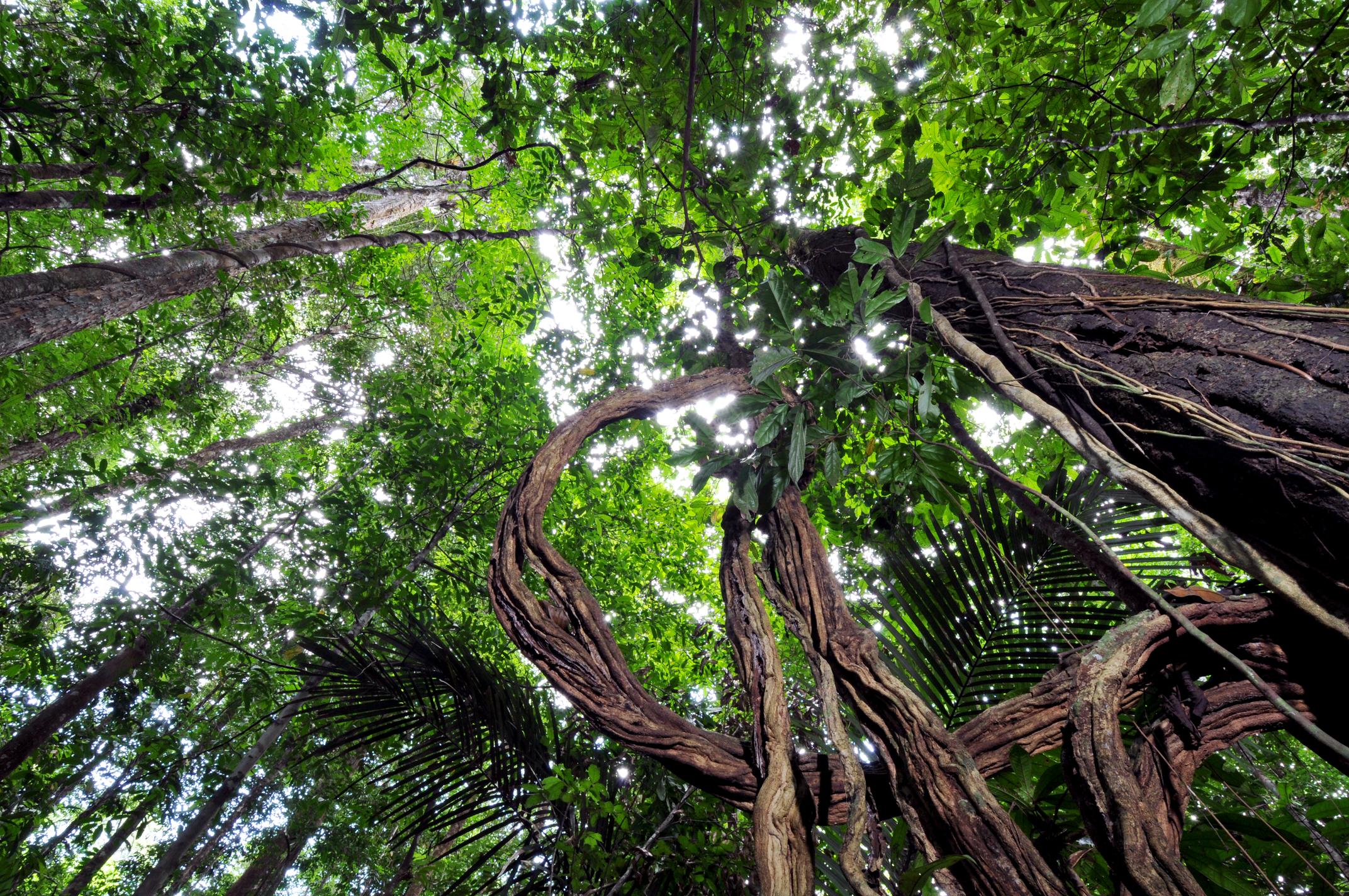
Nature is a big part of the solution. Protecting and restoring forests, mangroves, wetlands and peatlands can deliver more than a third of the climate solutions the world needs — yet just 3 percent of climate funding goes directly to protecting nature.
To close that gap, investment in nature-based solutions must grow more than two and a half times by 2030, to about US$ 571 billion, said Patricia Zurita, Conservation International’s executive director.
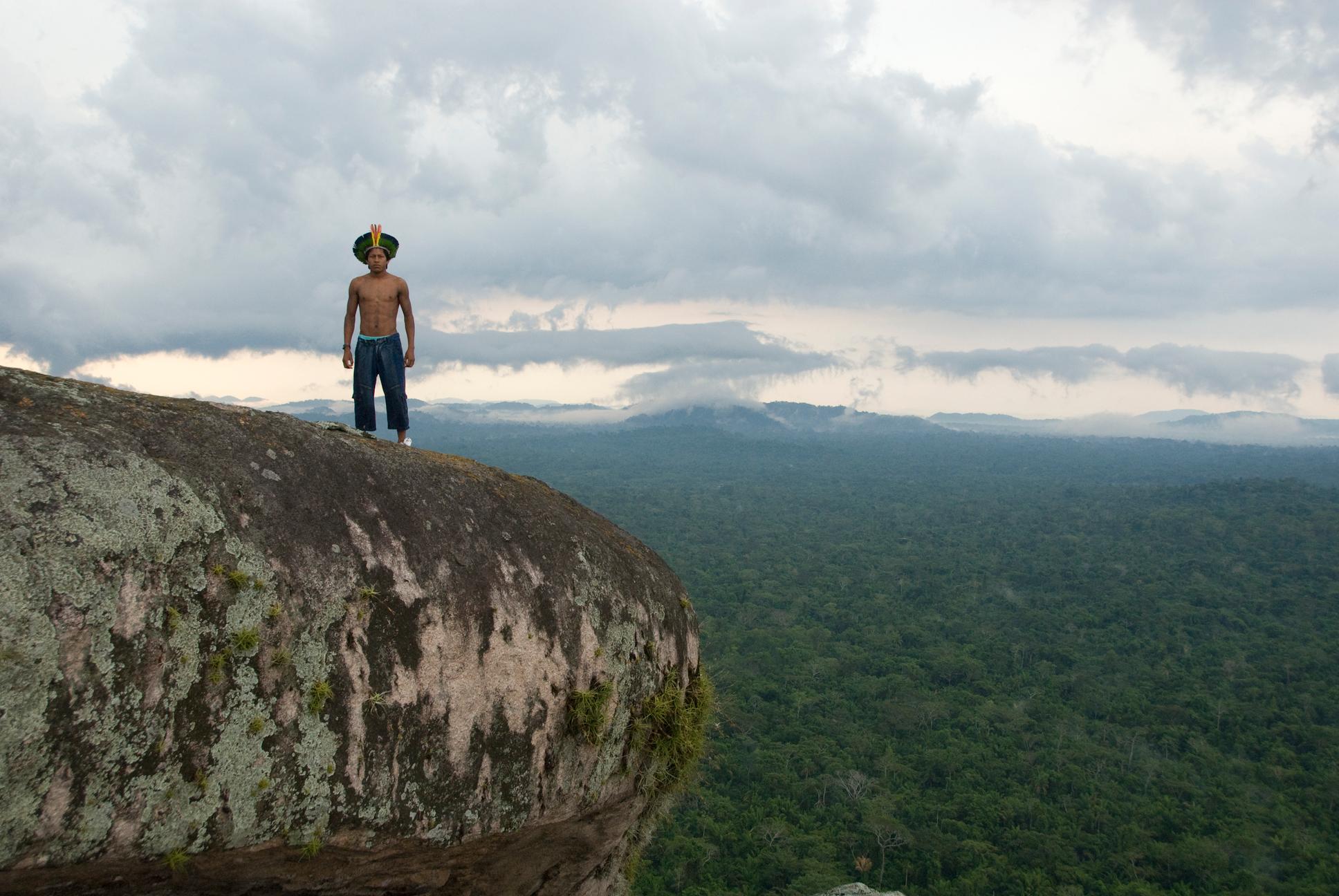
Brazil shows what’s possible when governments commit to protecting nature. Deforestation in the Brazilian Amazon fell by more than 40 percent this year, to its lowest level since satellite monitoring began in 1988.
Now Brazil is working to make that success global. Over the past year, as COP president, it has led the development of voluntary roadmaps outside of the formal negotiations, bringing together willing governments, businesses and communities. One of the roadmaps lays out how to halt and reverse deforestation and forest degradation by 2030, turning a global pledge into concrete steps.
What’s at stake for oceans and island nations
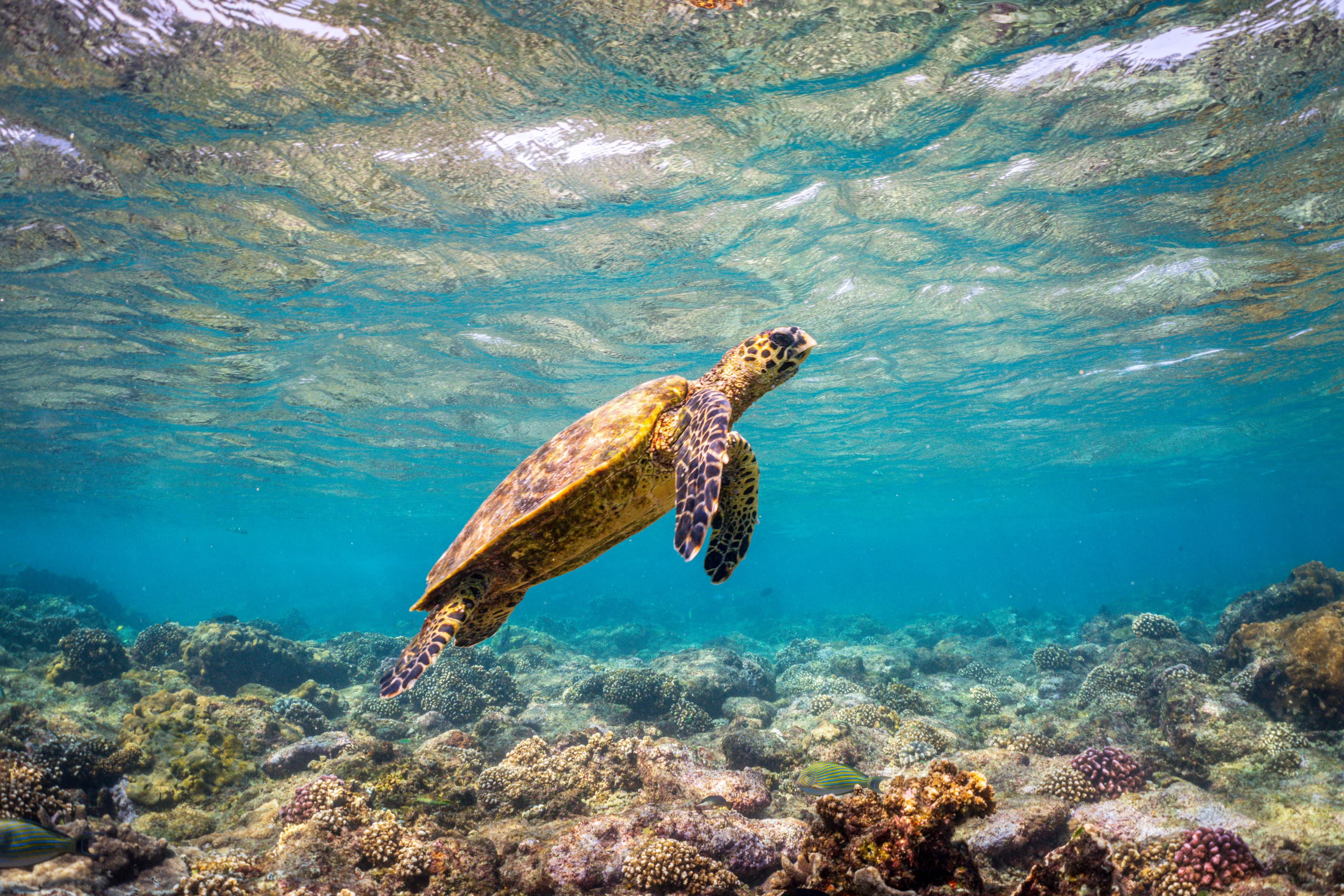
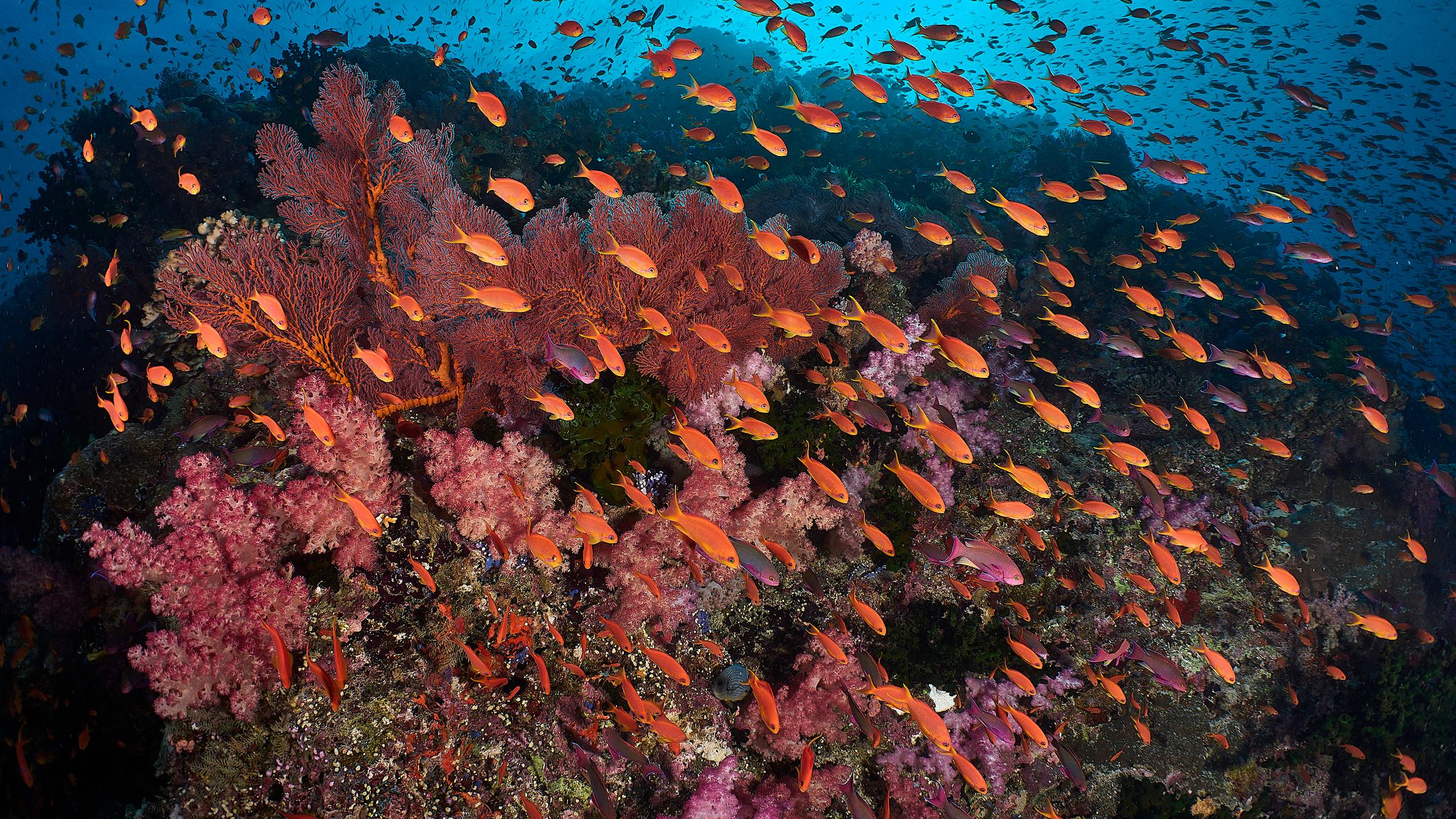
With the Pacific in the spotlight of this COP, oceans are one of the biggest issues to watch. Negotiators may reach a political decision to reinforce the ocean’s role in preventing runaway climate change. Conservation International is advocating for that decision to spotlight the role of coastal and marine ecosystems — mangroves, seagrasses and salt marshes — as solutions for both cutting emissions and helping communities adapt to climate disruption. These ecosystems store massive amounts of carbon, while also protecting coastlines from storms, sustaining fisheries and supporting the communities that depend on them.
- Read more: What on Earth is Blue Carbon?
But funding hasn’t caught up. Ocean ecosystems receive even less climate finance than forests and other land ecosystems. Small island nations, which contribute least to climate change, need far more support to adapt and respond to impacts already underway.
Island communities face rising seas, stronger storms, flooding and erosion, and they will feel those impacts long before emissions cuts take effect, Zurita said. Nature is the essential infrastructure they need: mangroves and seagrasses which pair natural defenses with traditional infrastructure, known as green-gray infrastructure, can blunt waves and storm surge while protecting homes and wildlife.
Conservation International is calling for better access to climate finance for islands, relief from growing debt burdens, and more funding for adaptation and loss and damage — and that money needs to reach local communities and Indigenous Peoples quickly.
“Because we aren’t moving fast enough, vulnerable communities will face more severe impacts than we expected 10 or 15 years ago,” said Florence Laloe, climate policy lead at Conservation International. “Helping them adapt and respond can’t wait.”
The takeaway
COP31 is about speed. Every fraction of a degree avoided lessens the impacts of an unstable climate, and every year of delay brings tipping points closer. The path forward is clear: protect nature, phase out fossil fuels and get finance to the people on the front lines. Many of those people are already leading the way. Indigenous and Afro-descendant Peoples and local communities know these lands and waters best, and their knowledge and stewardship are essential to any solution that lasts.
“The task is complex, but the direction is clear,” Zurita said. “Let nature work for the climate, and people will benefit.”