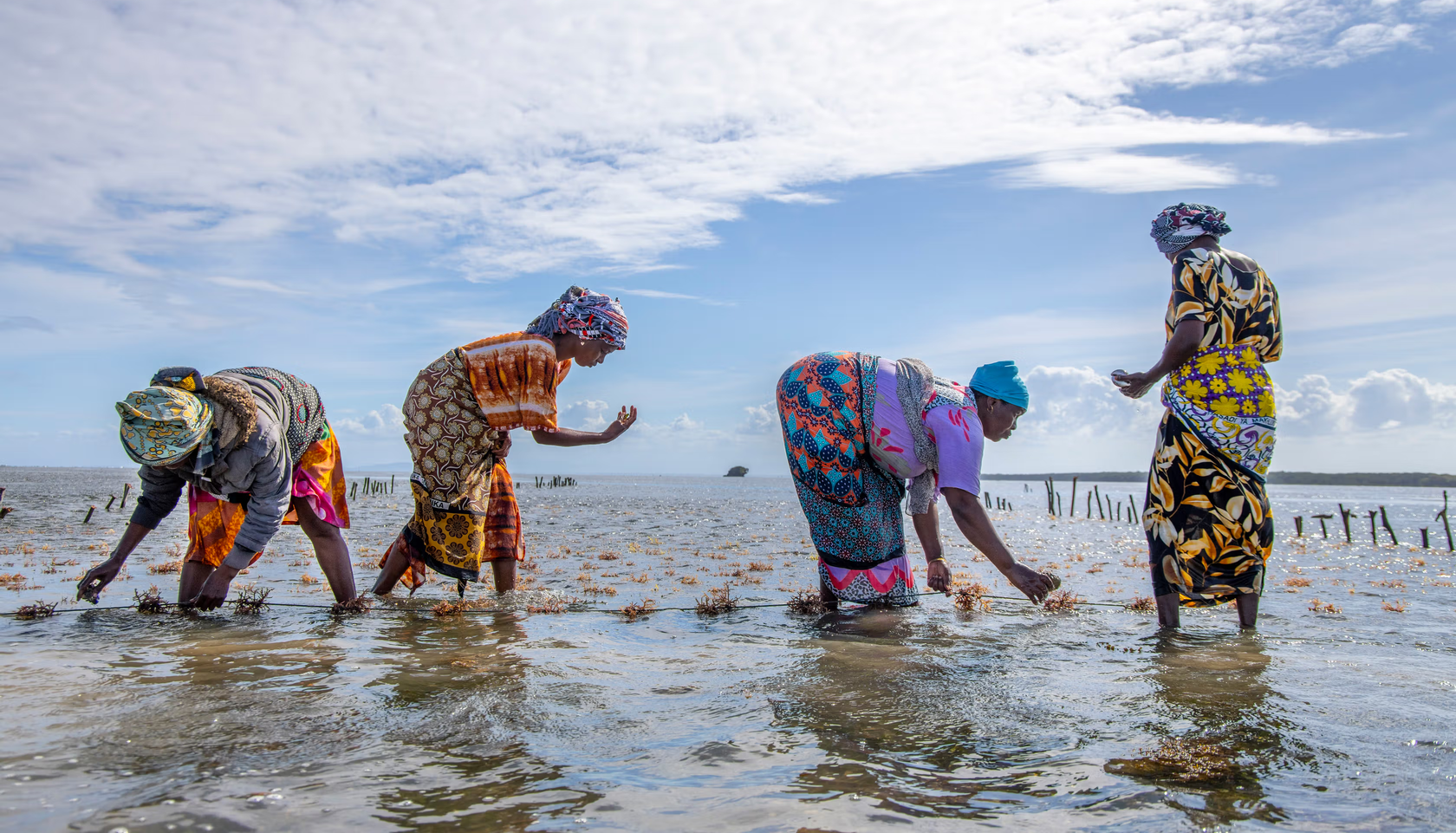
WE PROTECT NATURE FOR PEOPLE.
WE PROTECT NATURE FOR PEOPLE.
Our Priorities
Since 1987, Conservation International has helped protect 13 million square kilometers of land and sea — an area the size of the United States and Mexico combined.
Our Mission
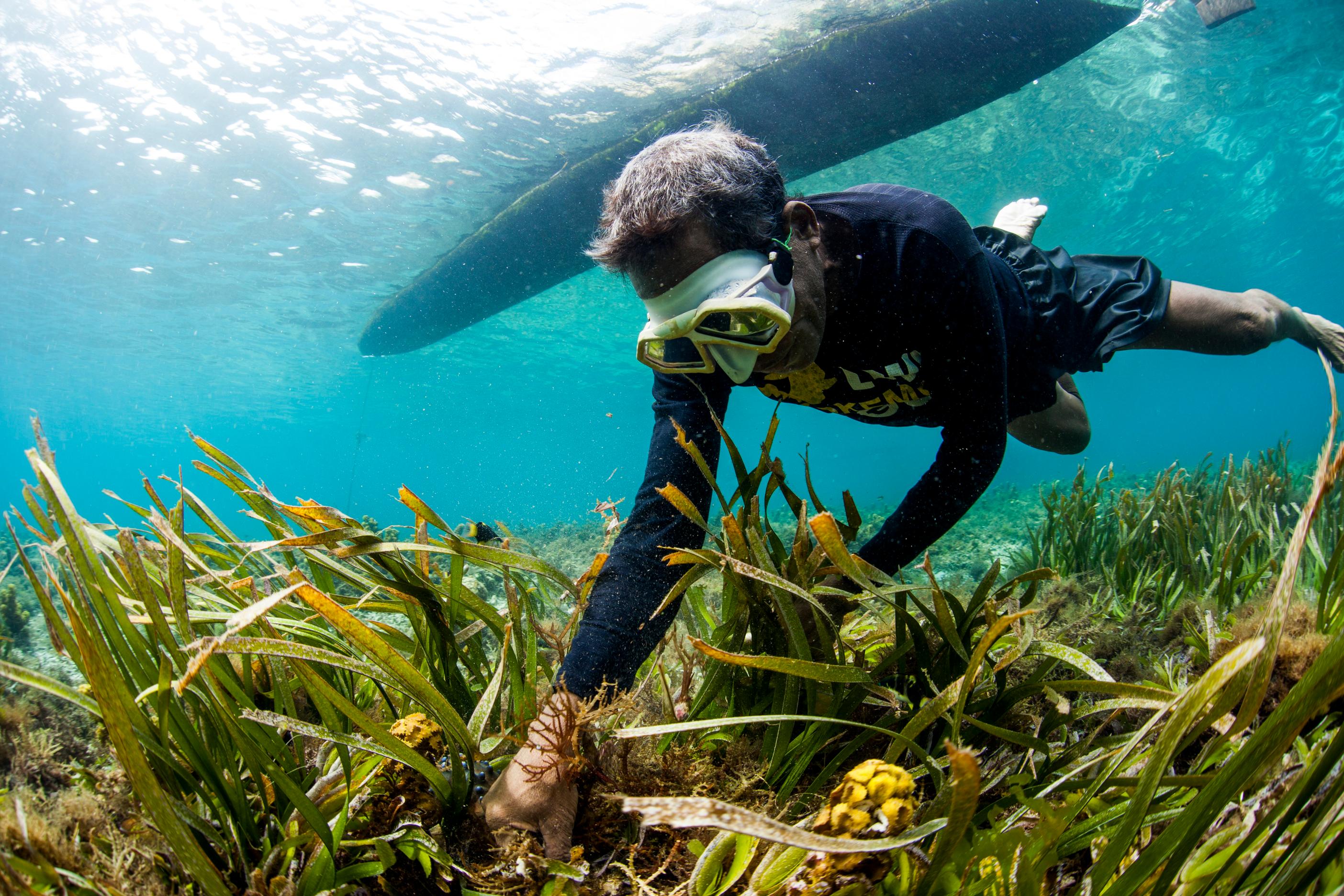
Building upon a strong foundation of science, partnership and field demonstration, Conservation International empowers societies to responsibly and sustainably care for nature, our global biodiversity, for the well-being of humanity.
Our Vision
We imagine a healthy, prosperous world in which societies are forever committed to caring for and valuing nature, for the long-term benefit of people and all life on Earth.
Our Global Footprint
We maintain offices in 35 countries and support conservation projects in more than 100. Our marine conservation work spans all five of the planet's oceans. Our land-based projects are focused on the tropics, home to the most biodiverse places on Earth and critical stores of carbon. We value local expertise: Ninety-seven percent of our program staff come from the regions where they work. This helps us work more effectively, as local staff are better able to navigate unique social, cultural and political contexts.
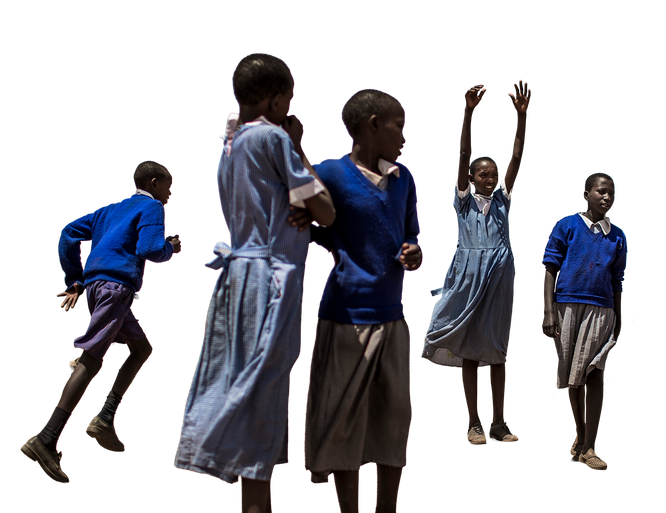
Over four decades, we’ve touched millions of lives.
Our approach to conservation centers people. We respect human rights, design our programs with gender equality as a core principle, and create new opportunities for local communities to build livelihoods that not only protect but also restore nature.
We're different: Here's how
39
years of optimism and conservation impact
Since 1987, Conservation International has worked with countries, communities and companies to protect nature for people on a global scale.
100
countries in which Conservation International has a presence
From the forests of the Amazon to the savannas of Africa to the coral reefs of Southeast Asia, Conservation International focuses on protecting and restoring the natural places that all people depend on.
97%
of all program staff are from the regions in which they work
Conservation International staff possess the social and cultural knowledge to work effectively and make an impact in their countries and communities.
2,000
global partners
We know we cannot succeed alone. That’s why we partner with organizations around the globe, including companies, communities, governments, nonprofits and more.
13M
square kilometers of vital lands and seas protected
Conservation International and our partners have protected 13 million square kilometers of land and sea that contain some of the most critical ecosystems on Earth, benefiting millions of people.
300%
return on private gifts
We’re able to achieve a 300% return on investment from private gifts by leveraging public funding through government grants, multilateral organizations and other public institutions.
Our People
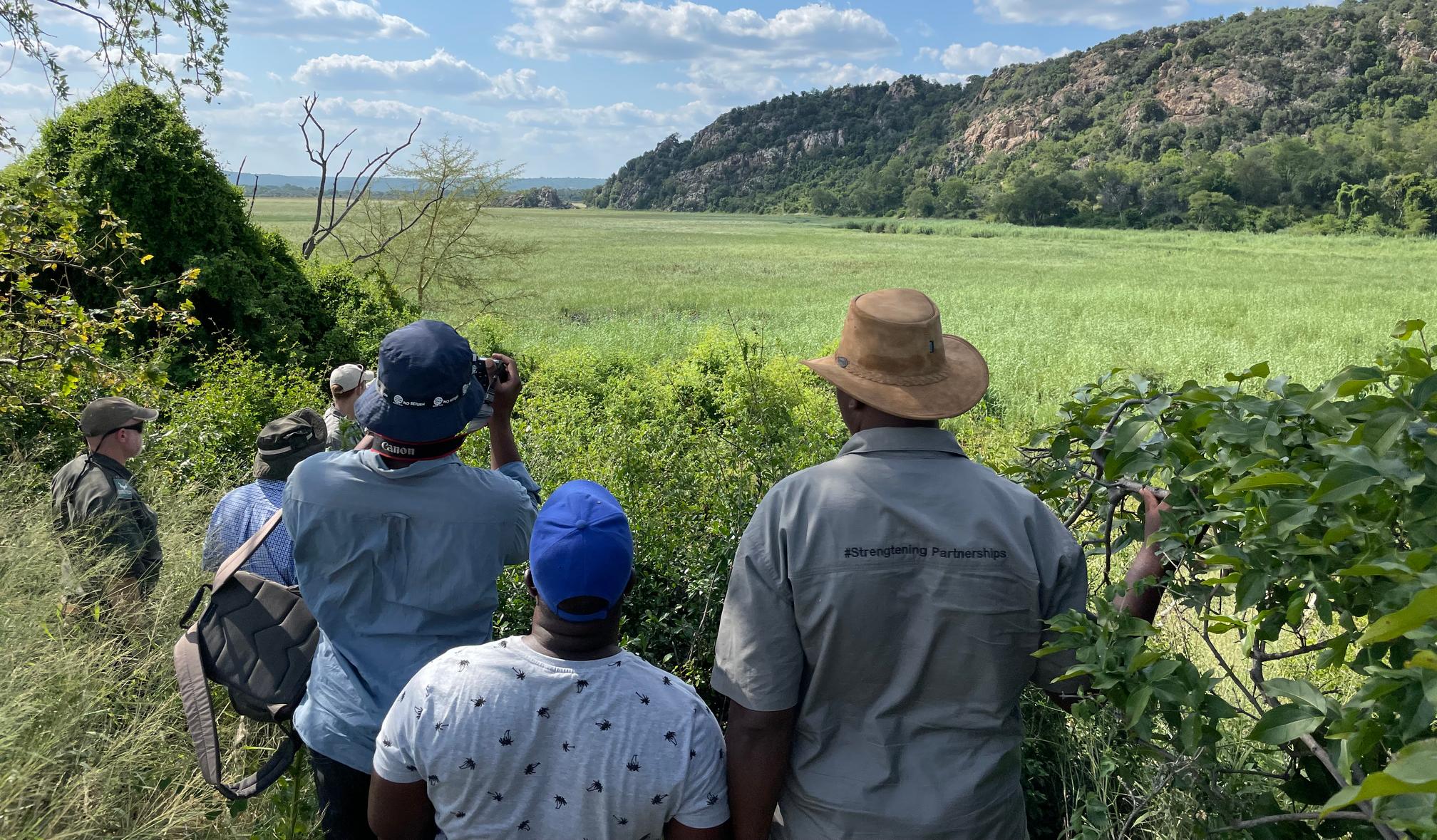
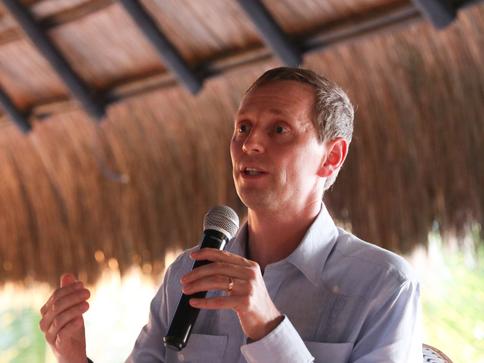
Conservation International is powered by more than 1,600 people working across six continents. Our teams bring together science, policy, community and business experience — united by a shared commitment to protecting nature for people everywhere.

Multiply Your Impact

Your support reaches further than you think.
Every private donation helps unlock additional funding from governments, foundations, and institutional partners — multiplying impact by up to 300%
Our Corporate Partners
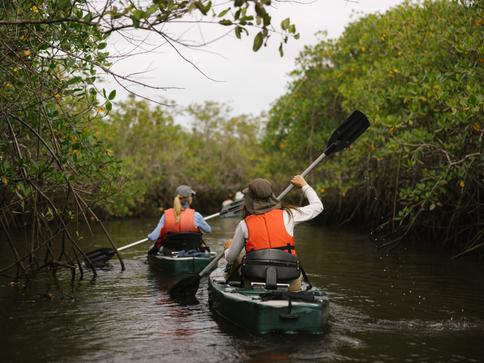
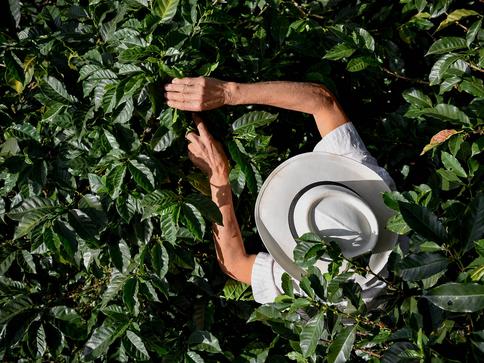
Conservation International works with businesses across industries to support conservation at scale. Through these partnerships, we help unlock new funding for nature and promote more sustainable practices — from farming to fishing to forestry — that protect ecosystems and support communities.
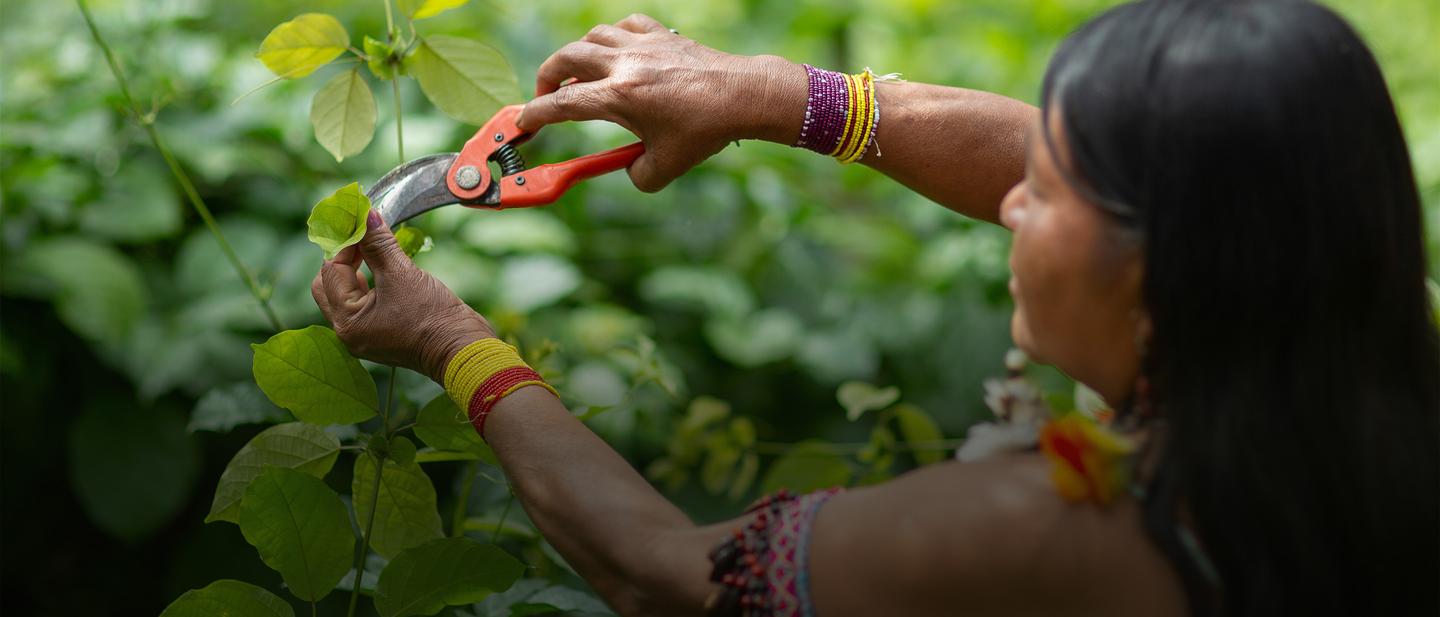
Humanity and nature can both prosper
A Living Legacy
We deliver results. Over four decades, we’ve helped protect 13 million square kilometers of land and sea — benefiting people in projects like these:
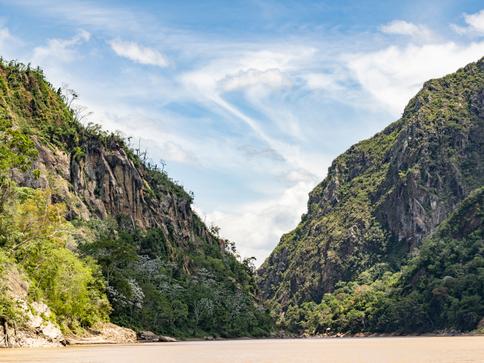
CLIMATE
Small towns, big impacts
In Bolivia, small communities taking charge of the forests they depend on
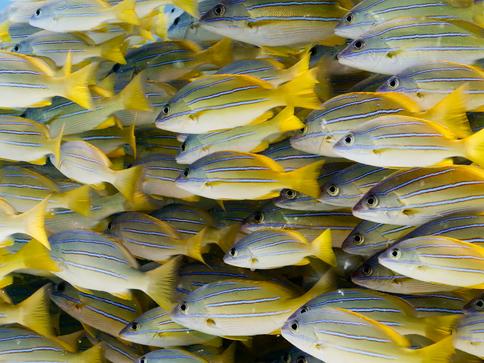
OCEAN
In Hawai’i, a beautiful menace
How Conservation International is turning the tide against an aquatic invader
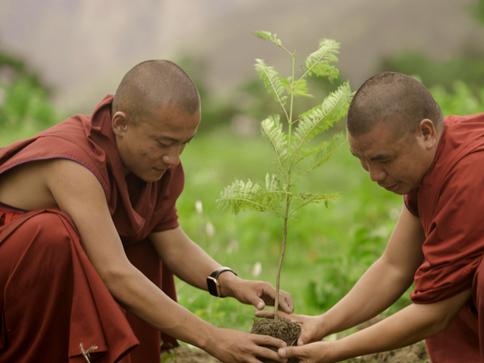
BIODIVERSITY
From the Himalayas to the sea
In the Eastern Himalayas, nature’s bounty supports millions of people. Can this region cope with climate change and the loss of wildlife before it’s too late?