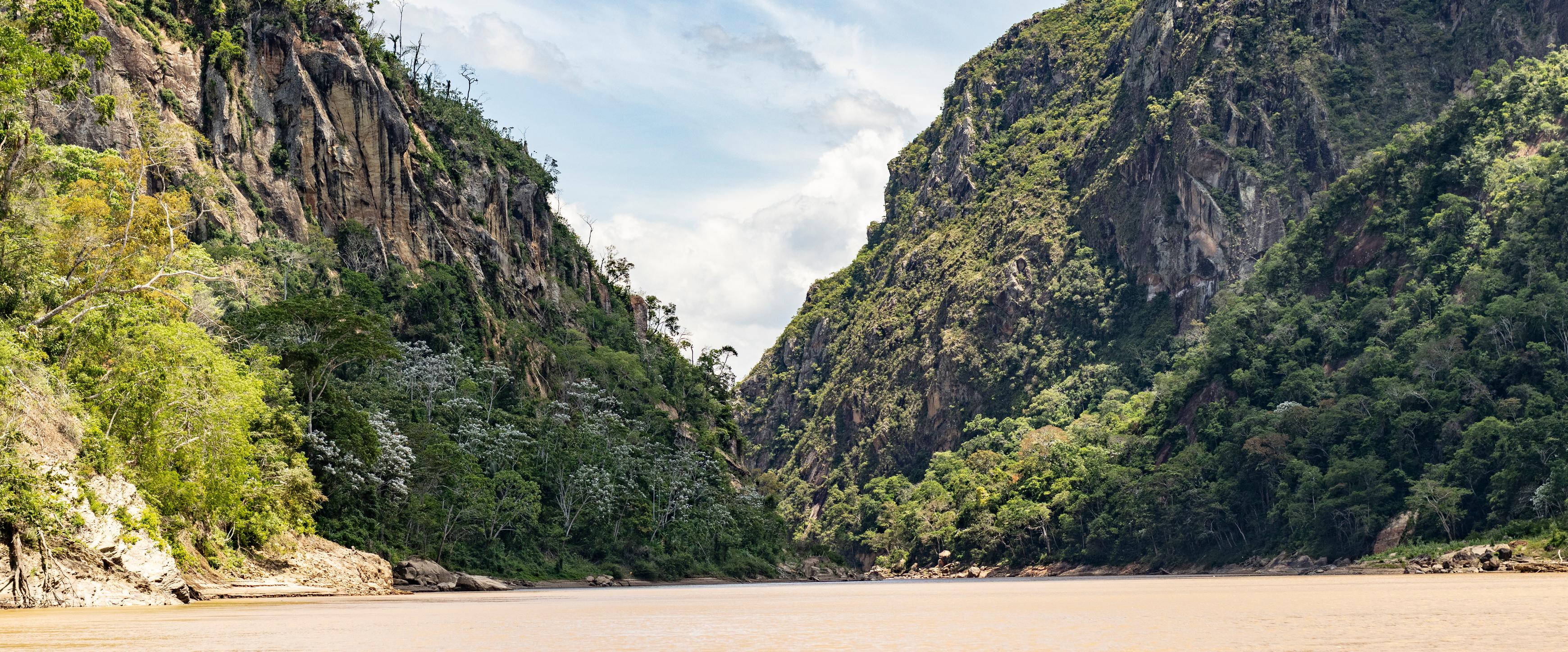
Around the world, protected areas are the cornerstones of conservation.
National parks and reserves harbor wildlife and water, secure planet-warming carbon, and enable local communities to prosper from the benefits that nature provides.
But many of these nationally protected areas have been protected in name only.
Some, as in the sprawling Amazon, were hard to reach and therefore hard to govern. Others lacked resources for monitoring and enforcement, leaving them prone to illegal mining and logging.
And some excluded the local and Indigenous communities that rely on these places the most, and on whom successful conservation depends.
What if local communities could protect their own lands?
Working with Conservation International, Bolivia is showing the world how.
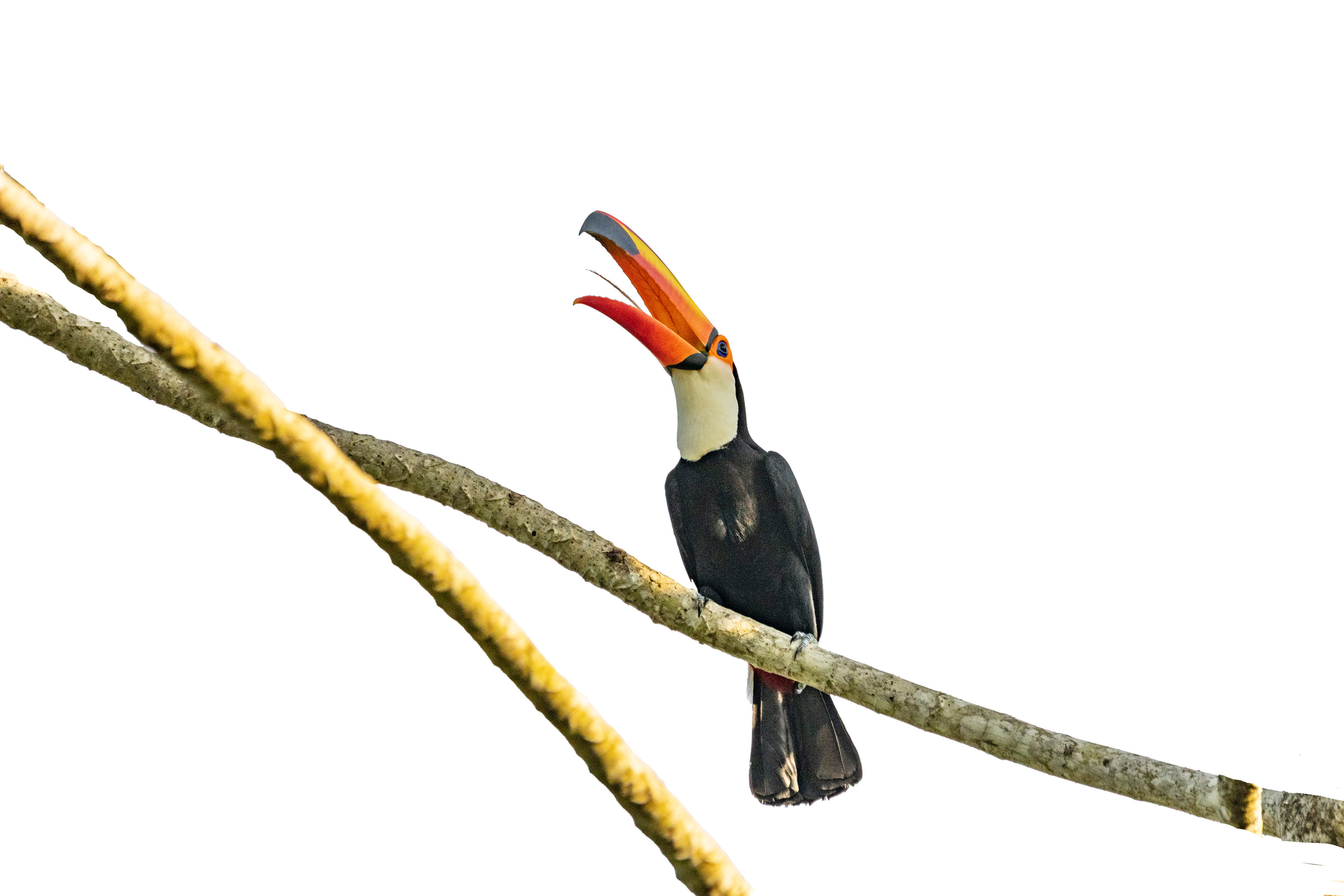
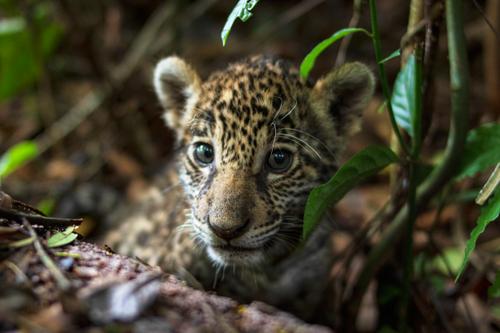
In recent years, a surge of newly protected areas has spread throughout this South American country, home to a wealth of species including spectacled bears, jaguars, and a trove of bird and amphibian species that have only recently been discovered.
This wave of conservation didn’t come from a national park office. It happened because local communities decided the time has come.
The approach, spearheaded by Conservation International, was born out of necessity: Bolivia’s last national protected areas were created in the early 2000s, and the country has struggled with one of the highest deforestation rates in the world.
Now, local governments, Indigenous Peoples and rural communities are stepping in, establishing protected areas rooted in local priorities and charting a new path for conservation.
In the past six years alone, municipal governments in Bolivia have protected no less than 3 million hectares — an area larger than the U.S. state of Maryland.
This success was the culmination of decades of work between Conservation international and communities and governments at every level. Our field staff worked with local partners to help shape the process, from guiding discussions to drafting technical and legal documents — always keeping community voices at the center.
What we are doing with our municipal protected area is creating a model of success — showing what’s possible when local and Indigenous communities come together to lead conservation efforts. We are taking action that benefits both nature and people.”
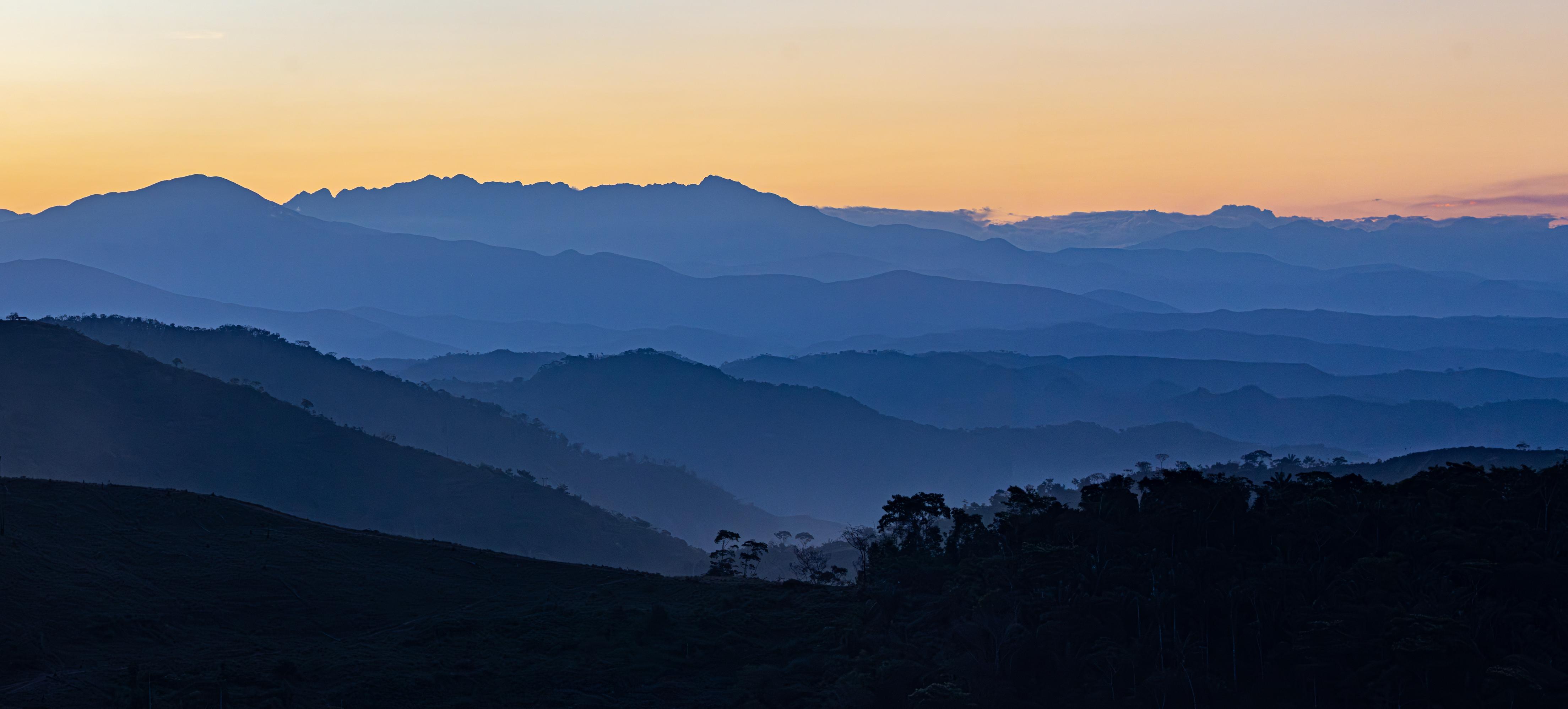
A park that spans an area the size of Singapore
Just last year, the Gran Paitití Municipal Park and Integrated Natural Management Area was established in a region where the Andes spill into the Amazon — a corridor of cloud forests, rivers and ruins shaped by pre-Hispanic civilizations. This park spans roughly 80,000 hectares (200,000 acres) — an area about the size of Singapore.
It does more than simply conserve a vital corridor for wildlife — it creates opportunities for local people to build a new ecotourism economy. Already, the community is planning guided hikes, wildlife viewing and birdwatching, inviting visitors to explore a landscape rich in natural and cultural history.
Generations of humans have slowly torn at the fabric of the Amazon. Now, Conservation International is working with local communities to stitch it back together.
A Closer Look
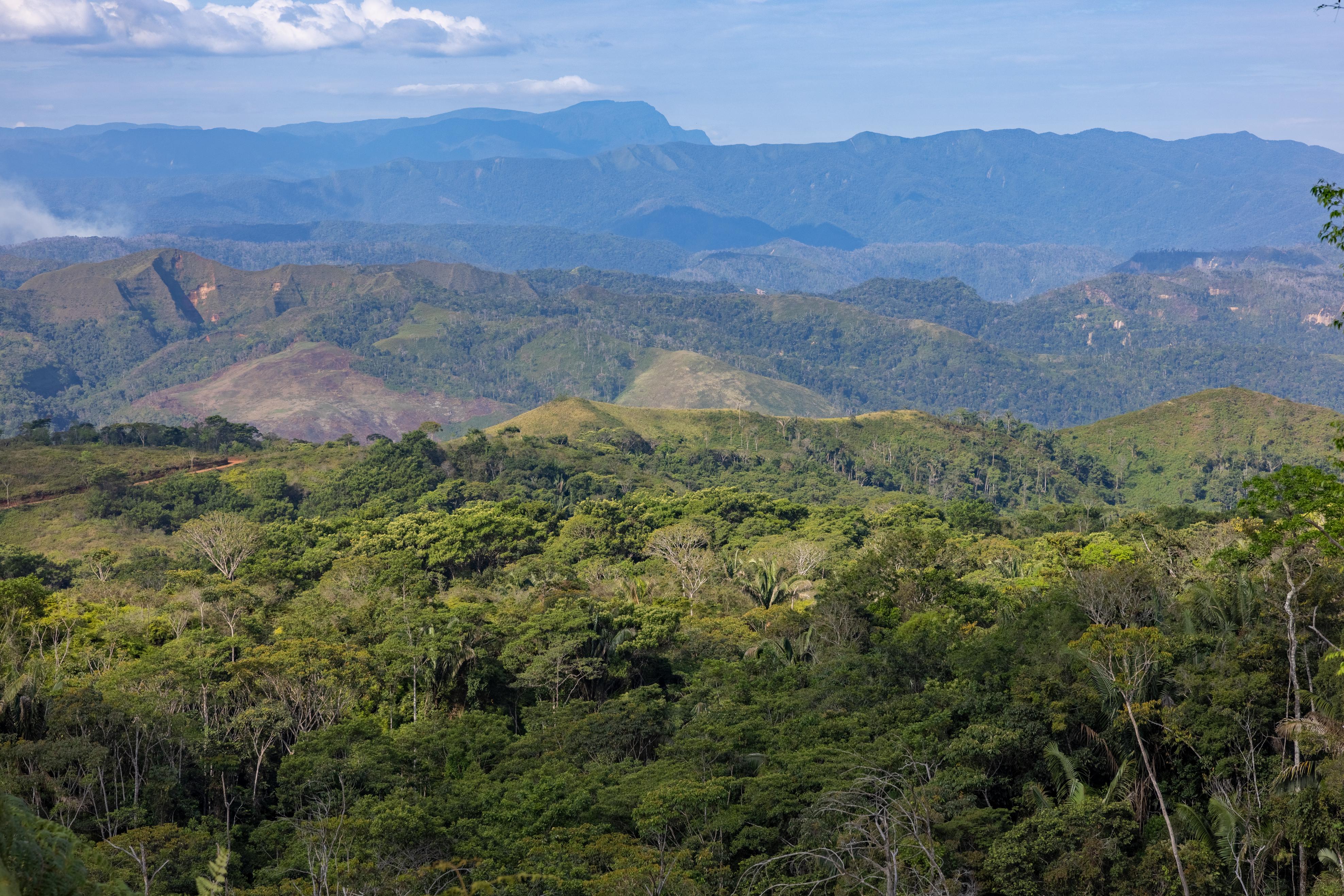
You can support projects like this
More Stories

OCEAN
In Hawai’i, a beautiful menace
How Conservation International is turning the tide against an aquatic invader
BIODIVERSITY
From the Himalayas to the sea
In the Eastern Himalayas, nature’s bounty supports millions of people. Can this region cope with climate change and the loss of wildlife before it’s too late?