Wallacea 

Crested black macaque ape (Macaca nigra) in north Sulawesi, Indonesia
© CI/Photo by Robin Moore
 

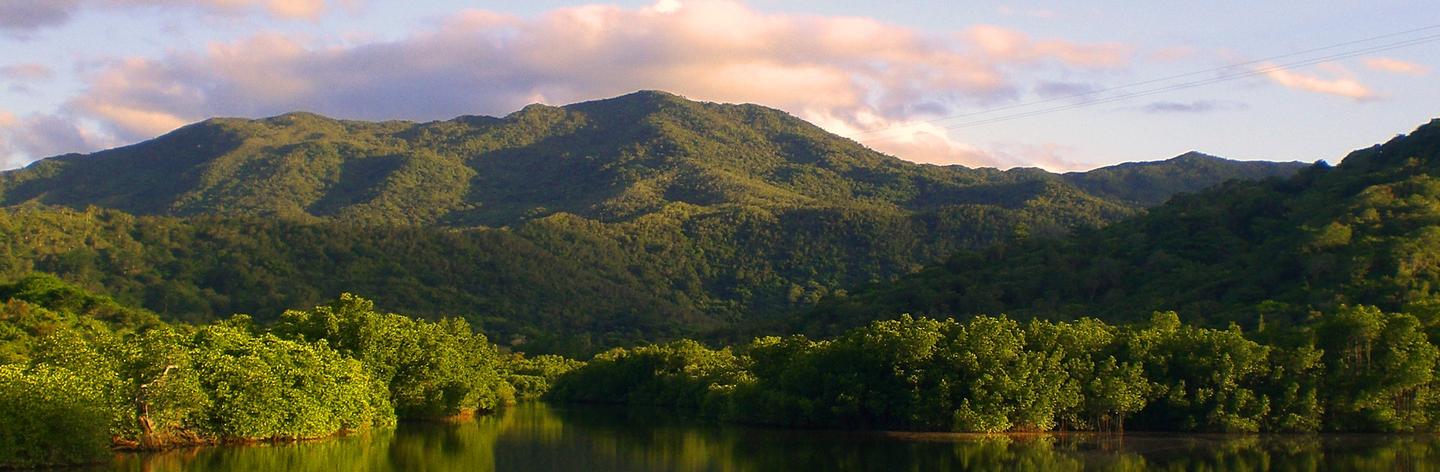
The flora and fauna of Wallacea are so varied that every island in this hotspot needs secure protected areas to preserve the region’s biodiversity.

The hotspot is second only to the Tropical Andes in terms of bird endemism, which is particularly impressive given its relatively small land area. The world’s largest lizard, the Komodo dragon, is restricted to the islands of Komodo, Padar, Rinca, and Flores in the Wallacea hotspot.

Unfortunately, Wallacea's forests have been cleared at increasing rates as a result of the growing population. A deforestation problem that is somewhat unique to this region was caused by the government sponsored transmigration program, which was proposed to solve overcrowding on highly populated islands by moving large numbers of people to sparsely inhabited areas.

VITAL SIGNS

Hotspot Original Extent (km²) 338,494
Hotspot Vegetation Remaining (km²) 50,774
Endemic Plant Species 1,500
Endemic Threatened Birds 49
Endemic Threatened Mammals 44
Endemic Threatened Amphibians 7
Extinct Species† 3
Human Population Density (people/km²) 81
Area Protected (km²) 24,387
Area Protected (km²) in Categories I-IV* 19,702
†Recorded extinctions since 1500. *Categories I-IV afford higher levels of protection.

OVERVIEW

The Wallacea hotspot encompasses the central islands of Indonesia east of Java, Bali, and Borneo, and west of the province of New Guinea, and the whole of Timor Leste. The hotspot, which occupies a total land area of 338,494 km², includes the large island of Sulawesi and also the Moluccas, or Spice Islands, and the Lesser Sundas (which encompasses Timor Leste, and the Indonesia region of Nusa Tenggara).

Wallacea is divided from Sundaland, the other hotspot found in Indonesia, by Wallace's Line, which separates the Indo-Malayan and Australasian biogeographic realms. The line and the hotspot are both named for the 19th century English explorer and naturalist Alfred Russel Wallace, who identified the distinctiveness of faunas on either side of the line.

In terms of vegetation, Sulawesi and the Moluccas are largely tropical rainforest, but in many parts of the Lesser Sundas, rainforest formations are found only at high elevations and in areas facing the rain-bearing winds, while significant areas are covered in savanna woodland, including some Eucalyptus forests. In some lowland areas, such as in eastern Sulawesi, there are unusual and infertile ultrabasic soils with high concentrations of iron, magnesium, aluminum, and heavy metals. The lowland forests on these nutrient-poor ultrabasic soils have rather short trees, and appear to be dominated by the myrtle family.

donate now
Tell a friend
Features & Media