Working together in chiapas

Change is Brewing

CI Connection Since 1998, CI's collaboration with Starbucks has grown from recognizing and rewarding sustainable coffee-growing practices to addressing climate change. The coffee practices now benefit over a million farmers on 4 continents, while the carbon program is gaining international recognition as a model to emulate.

September 30, 2011
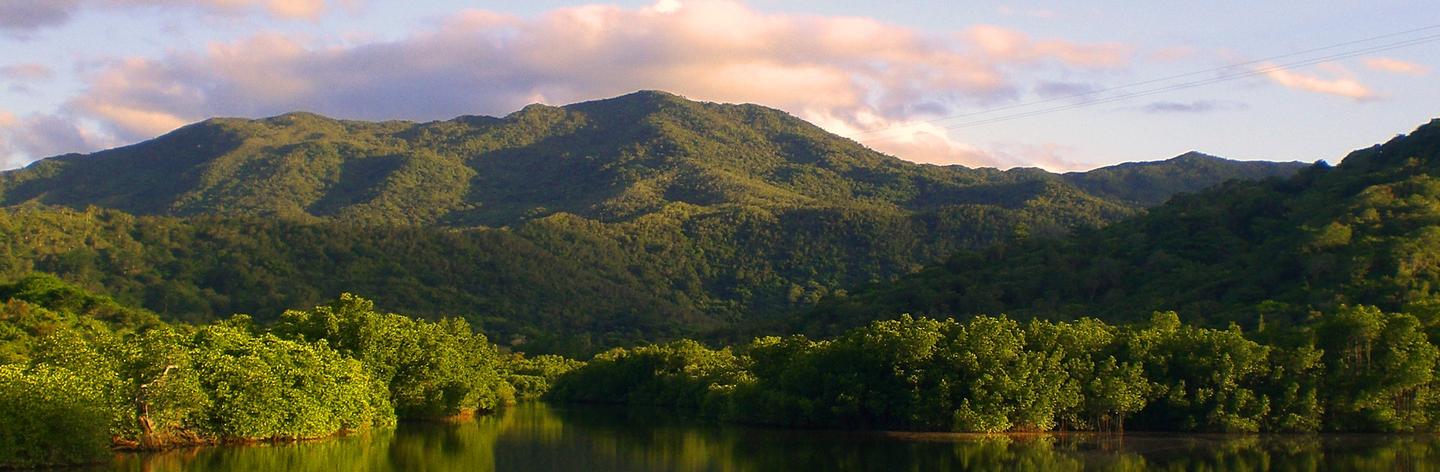
When you brew your morning cup of coffee or place an order at your local coffeehouse, the cloud forests of the Sierra Madre de Chiapas might seem like a far-off world.

But through that cup of coffee, you are connected to communities of farmers who depend on your choices just as you depend on theirs. And one of the simplest but most powerful choices you can make is to select responsibly grown and sourced coffee.

Consider this: After petroleum, coffee is the world's most heavily traded commodity, with more than 1.5 billion pounds — and tens of billions of dollars — changing hands each year. One-third of that coffee ends up in the United States; there, more than half of the adult population drinks coffee each day, making the U.S. the world's leading consumer. And a growing number of consumers — like those interviewed in our video, above — want their coffee to be grown sustainably.

The U.S., like the other leading importers — nations like Germany, Japan and France — relies on the tropical nations where a favorable climate and geography make the growing of coffee possible. And those nations, in turn, rely on that demand for coffee to help fuel their economies. Fully two-thirds of the world's coffee is exported from Latin American and Caribbean nations, where it is the leading source of foreign exchange.

This is the backdrop for the partnership between Conservation International and Starbucks — a collaboration that began in 1998 in Chiapas with a focus on responsible coffee practices that benefit both people and the planet.

Today, by granting better access to markets and supporting sustainable production for coffee farmers, the C.A.F.E Practices program has grown to help improve lives and livelihoods on more than 100,000 participating farms in 20 countries across four continents. 

So, too, have these efforts grown to improve the prospects for our planet. By curbing deforestation — which accounts for 16 percent of global greenhouse gas emissions — responsible coffee practices are providing a valuable tool for addressing climate change, all the while ensuring the future of the coffee industry itself.

They're also helping to demonstrate new economic models that can link developed and developing nations through voluntary carbon markets, approaches that can forge a new way forward in meeting the needs of people while safeguarding the planet. Because, in the end, taking care of people and taking care of the planet they depend on are one and the same.

Together, our choices have the power to change lives, to change the climate and, ultimately, to change the future. And by putting sustainable coffee in your cup, you can take one small step every day toward a brighter future for us all.

Make your choice and add your voice — because when you can see the forest for the trees, the right thing to do is the only thing to do.


Return to the beginning: Made in the Shade »


why
this
matters

People around the world consume more than 500 billion cups of coffee each year — putting the power to change the planet for the better right at our fingertips.


what
can
ido?

Choose sustainable coffee. Find out how »

Bring your own mug to your corner coffee shop. Learn more »


gradient separator

Give now

Support CI's work in Chiapas and around the world.

Donate Now »

gradient separator