Costa Rica

Threats
Feeling the Effects of Climate Change
 
Feeling the Effects of Climate Change
Although it’s a major contributor to reducing greenhouse gas emissions by planting and protecting its vast forests, Costa Rica has witnessed significant impacts to its rich biodiversity and ecological equilibrium from climate change – impacts that could affect us all.

Ticos, as the natives are known here, say that weather patterns used to be as predicable as clockwork. But over the past two decades, seasonal models have changed so much that it’s anyone’s guess when it will rain or what the temperatures will be – an immediate and difficult situation for farmers, and one that portends eventual impacts for everyone.

Much of the country’s remarkable biodiversity is due to the steep climatic gradients found on tropical mountains. Biological communities vary sharply along these gradients because different species are adapted for different ranges of conditions. And they are particularly vulnerable to changes in climate.

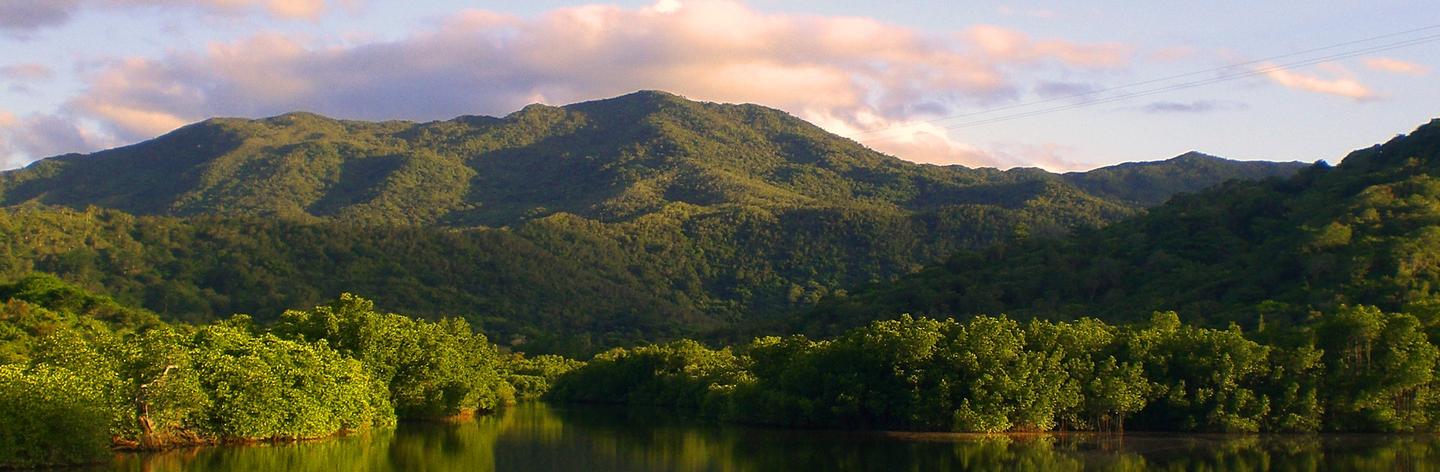
PHOTOS: Explore Costa Rica's landscape in images.

golden toadsCosta Rica’s "canary in the coal mine" came in the late 1980s. Despite the creation of extensive habitat through reforestation and protection efforts, the country's emblematic golden toad (Bufo periglenes, right), known to exist only in the Monteverde Cloud Forest, disappeared.

Scientists discovered that, in fact, Monteverde's entire amphibian fauna had collapsed, while reports from other mountain areas around the world told of strikingly similar accounts. As climates warm and rainfall alters, necessary environmental conditions, not just habitats, have changed and are driving amphibian species to extinction.

It is believed that climate warming, particularly since the mid-1970s, has caused cloud formation in Monteverde to rise, thereby reducing its effectiveness in delivering moisture to the forest, an essential condition for the amphibians’ survival. Data by CI and other scientists show that amphibian declines are not an isolated phenomenon and are being seen in a broader range of species including birds and reptiles.

CI is contributing to climate change adaptation in Costa Rica by strengthening conservation work in national parks and the creation of new public and private protected areas. The wealthier and larger the ecosystem, the easier and more successfully species can adapt to climate change.

In rural communities, CI also is helping to increase income and economic benefit for people through payments for ecosystem services and conservation easements. We facilitate agroforestry schemes in buffer zones of strategic regions, and environmental education through our partners to foster understanding of climate change issues and solutions. Our scientists also play an important role in monitoring and analyzing climate change in Costa Rica and other counties that harbor tropical rain forest.

donate now
Tell a friend
Features & Media