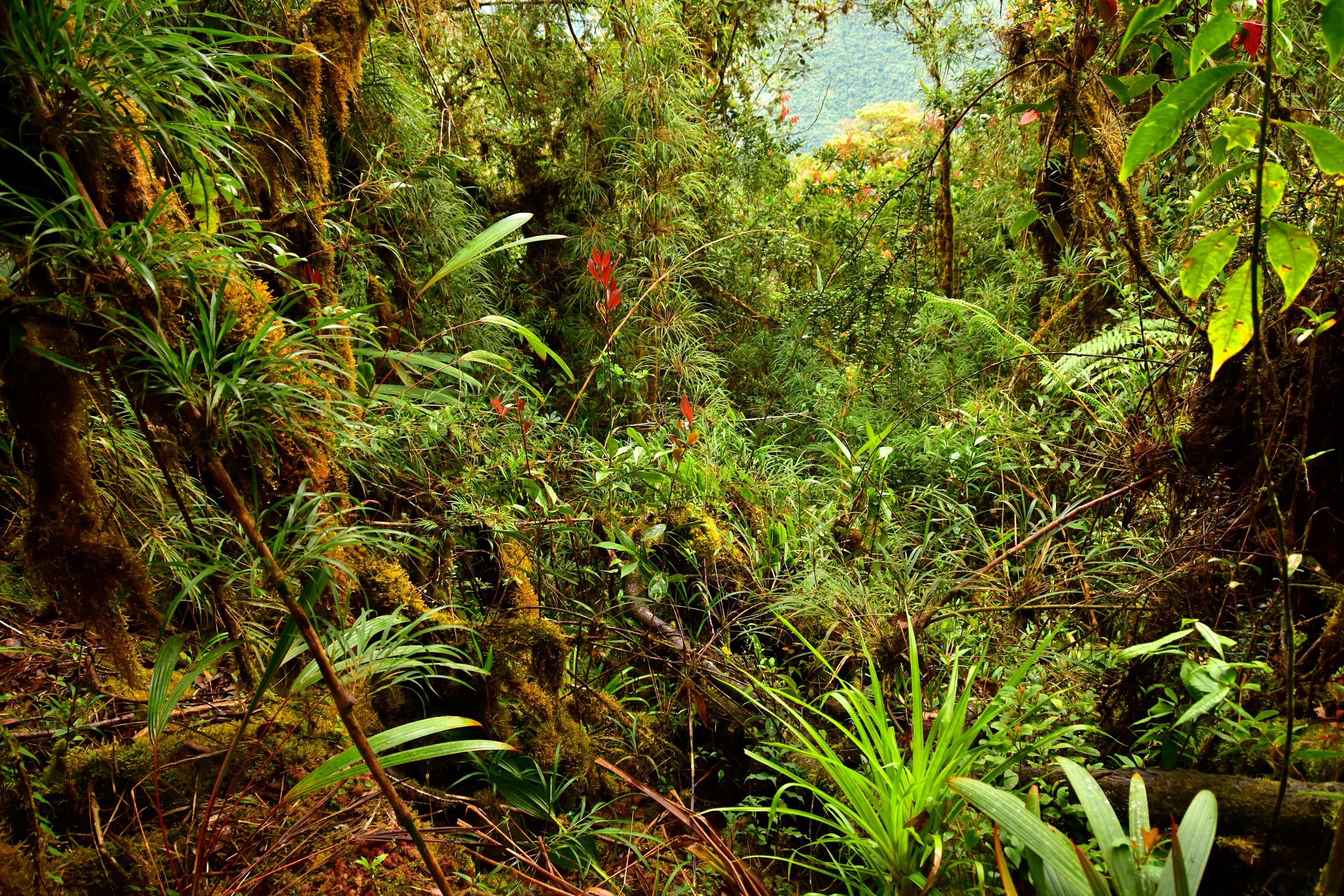
Learn more about nature with these free educational resources, articles and factsheets.
Facts about nature
How much do you know about nature? Get the facts about some of the world’s critical ecosystems and the vibrant species they support.
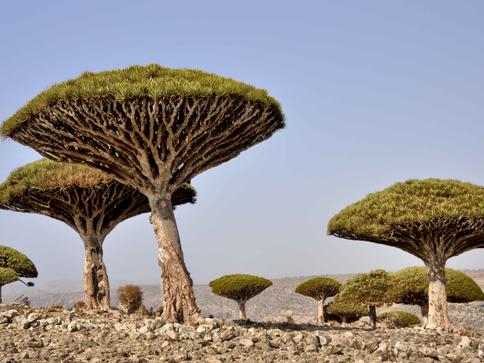
Unusual trees of the world
What’s the tallest tree on Earth? The oldest? The strangest-shaped? Learn more about our planet’s unique and breathtaking flora.
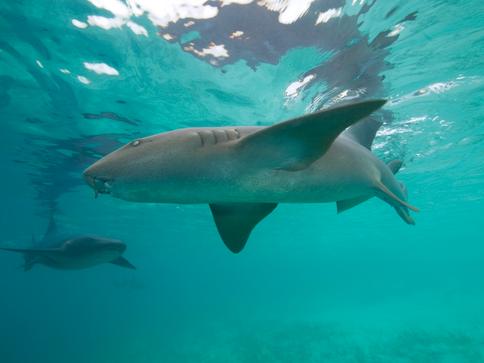
Shark facts
These mysterious, magnificent apex predators help maintain balance in marine ecosystems — and in many places, help boost local economies.
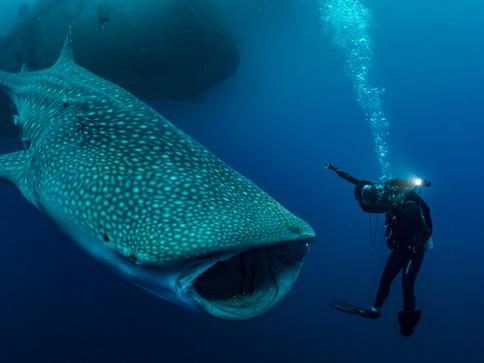
Shark identification quiz
From great whites to tigers, there are more than 500 species of sharks in the world. How many can you name?

Earth Day quiz
How well do you know your environmental facts? Test your knowledge with our Earth Day quiz and challenge your friends.
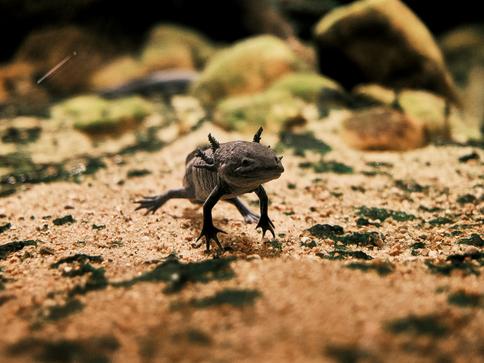
Axolotl facts
From TikTok to Minecraft, axolotls — friendly-looking salamanders with frilly gills — have become internet icons. But in the wild, axolotls are dangerously close to disappearing.
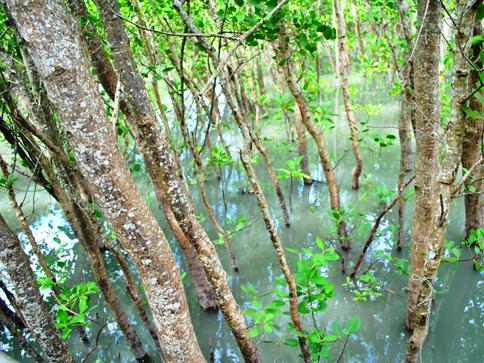
Mangroves facts
Mangrove forests cover a tiny fraction of the planet’s surface, but they provide so much for so many people. Now, coastal development, unsustainable aquaculture and sea-level rise pose unprecedented threats to these fragile ecosystems.
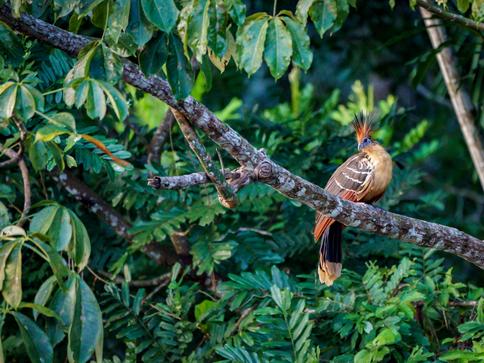
Amazonia facts
The Amazon Rainforest is the largest tropical forest in the world, spanning nine countries and providing a home to more than 30 million people. It helps sustain life all around the world.
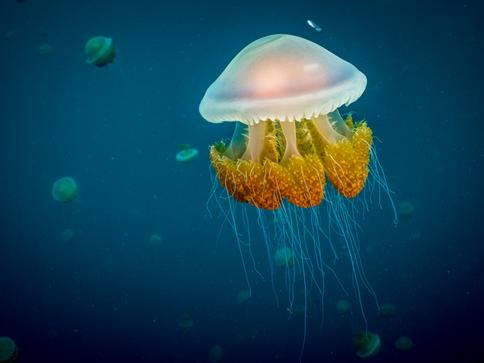
What is biodiversity?
Biodiversity underpins the health of the planet — and the well-being of every person on it. Yet many people aren’t quite sure what biodiversity means, or why it matters. Here’s a clear, straightforward guide.
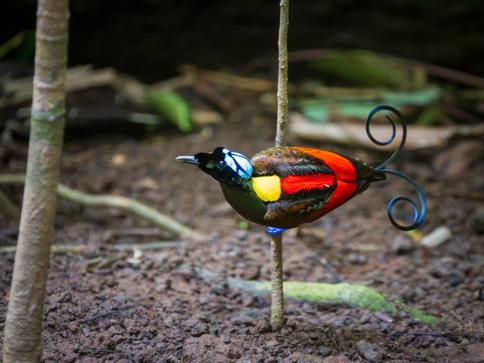
Endangered species quiz
More than 40,000 species currently face extinction — and habitat destruction is one of the leading causes of species loss. How much do you know about where endangered species live?
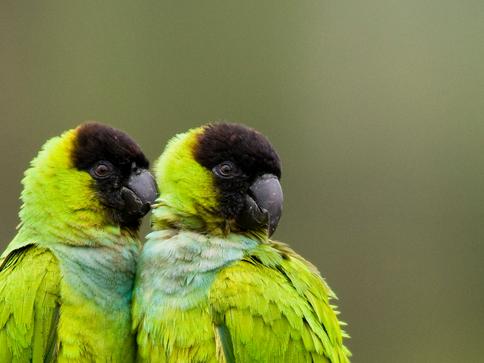
Animal quiz: Pair up or play the field?
For some species, monogamy doesn’t come naturally. Which animals mate for life? Which ones prefer multiple partners?
Wildlife conservation and ecosystem protection
People depend on nature — for food, prosperity and protection from the effects of climate change. Learn more about the threats faced by some of the world's most biodiverse ecosystems and the efforts underway to protect them.
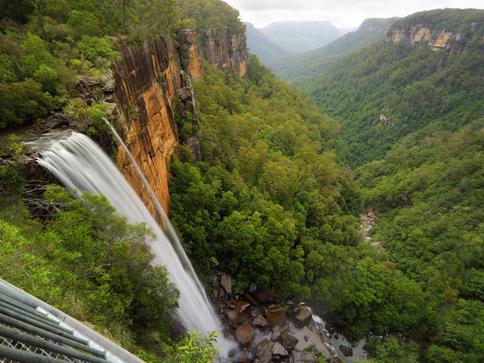
What are debt-for-nature swaps?
A debt-for-nature swap reduces a developing nation's foreign debt in exchange for that country's commitment to fund local environmental conservation.
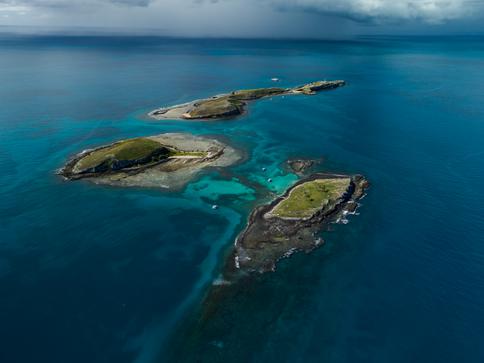
Marine protected areas
Well-enforced marine protected areas give marine life space and time to recover, with benefits that ripple outward beyond their borders.
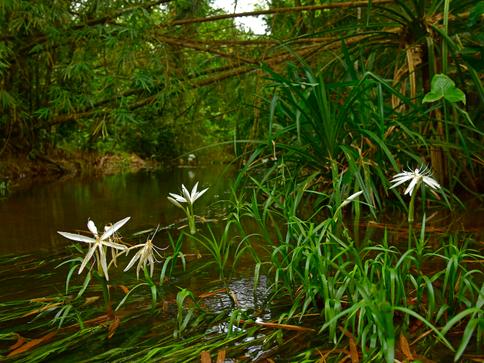
Biodiversity hotspots
Over the years, we have identified 36 regions where conservation efforts can have an outsized role in preventing mass extinction.

Ocean pollution facts
The ocean is the origin and engine of all life on this planet — and it is threatened by plastic pollution, sewage and industrial waste.
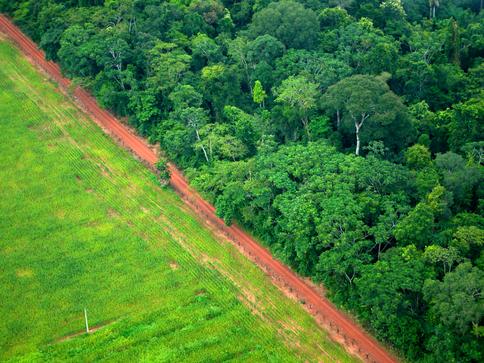
Deforestation facts
More than half of the world’s forests have been destroyed since 1960, accelerated by agricultural expansion, illegal mining and logging, and urbanization.
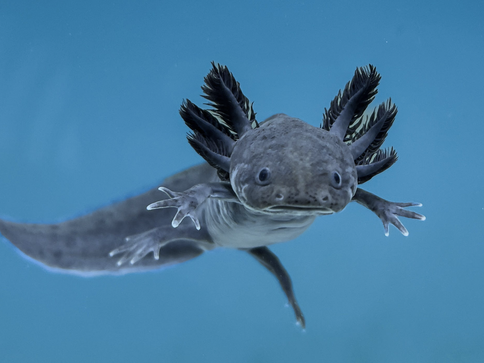
Axolotl conservation
Learn how Conservation International is working to restore the axolotl’s native habitat, the once-vast Xochimilco lake system — a project that will benefit not only the axolotl, but local farmers as well.
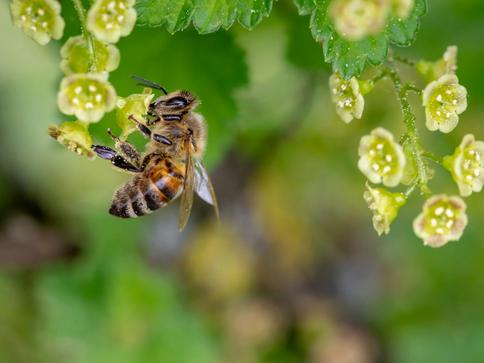
Beekeeping as a conservation tool
Bees can visit more than 2,000 flowers in a day, spreading pollen and fertilizing everything from wildflowers to the crops we use for food, clothing and medicine. Yet around the world, bee populations are in decline.
Climate change and carbon footprint
People, companies, and industries all leave carbon footprints. Your personal footprint encompasses the planet-warming emissions created by your travel, your diet, your purchases and more. The larger your footprint, the heavier the strain on our climate.
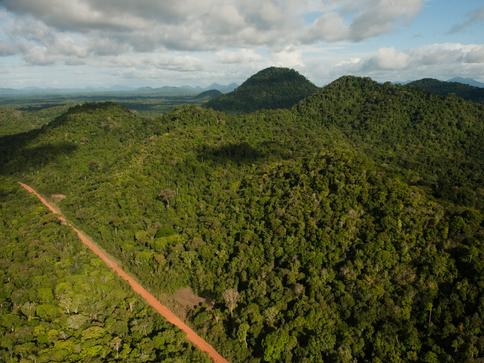
Climate change facts
The climate crisis has arrived — and nature can provide at least 30 percent of the emissions reductions required to prevent runaway global warming.
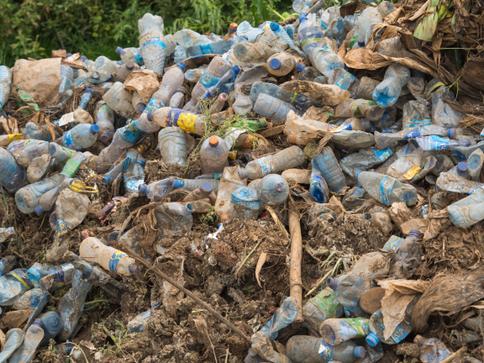
Sustainable living tips
For those who care about nature, living your values shows up in daily choices — what you eat, how you travel, where you invest, what you support. Here are some tips to help you get started.

What is a carbon footprint?
The choices we make in our day-to-day lives — from what we cook to how we travel — can leave a lasting mark on the environment.
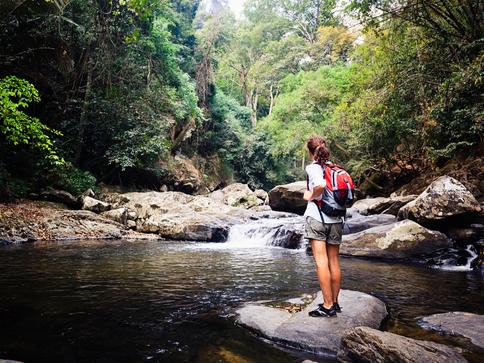
Carbon footprint quiz
Small tweaks to your daily routine can make a big impact in the fight against climate change. Take this quiz to find out how you can reduce your carbon footprint.
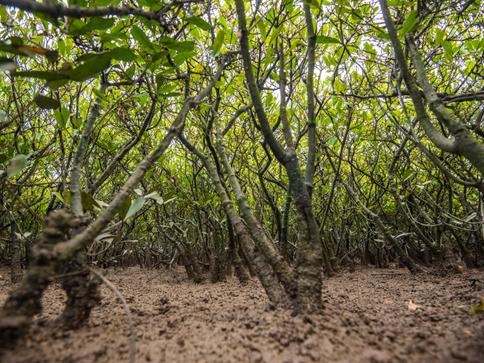
What are nature-based solutions to climate change?
Nature-based solutions are actions that protect, restore and manage ecosystems so they keep doing their job as carbon sinks — instead of becoming a source of the pollution we're trying to stop.
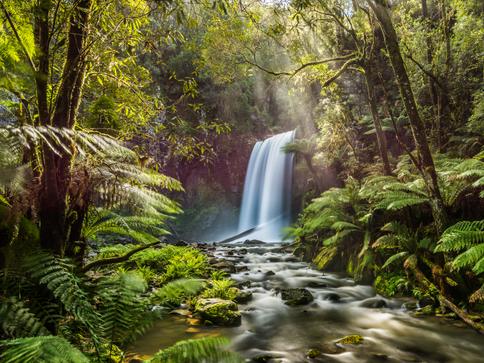
What are carbon credits?
Conservation International helps ensure that forests are worth more alive than dead — and properly valued for removing vast quantities of carbon from the atmosphere.

Why are carbon projects important?
Carbon projects help build thriving economies around conservation, financially rewarding local people for good environmental stewardship.

IPCC reports on climate change
The IPCC is the world’s top authority on climate science. Its reports explain how our climate is changing, how humanity can adapt, and how we can prevent further damage.

Quizzes about nature
From rainforests to reef fish, test your environmental IQ with one of our nature quizzes.