Biodiversity underpins the health of the planet — and the well-being of every person on it.
Biodiversity underpins the health of the planet — and the well-being of every person on it.
Yet many people aren’t quite sure what biodiversity means, or why it matters. Here’s a clear, straightforward guide.
What does ‘biodiversity’ mean?
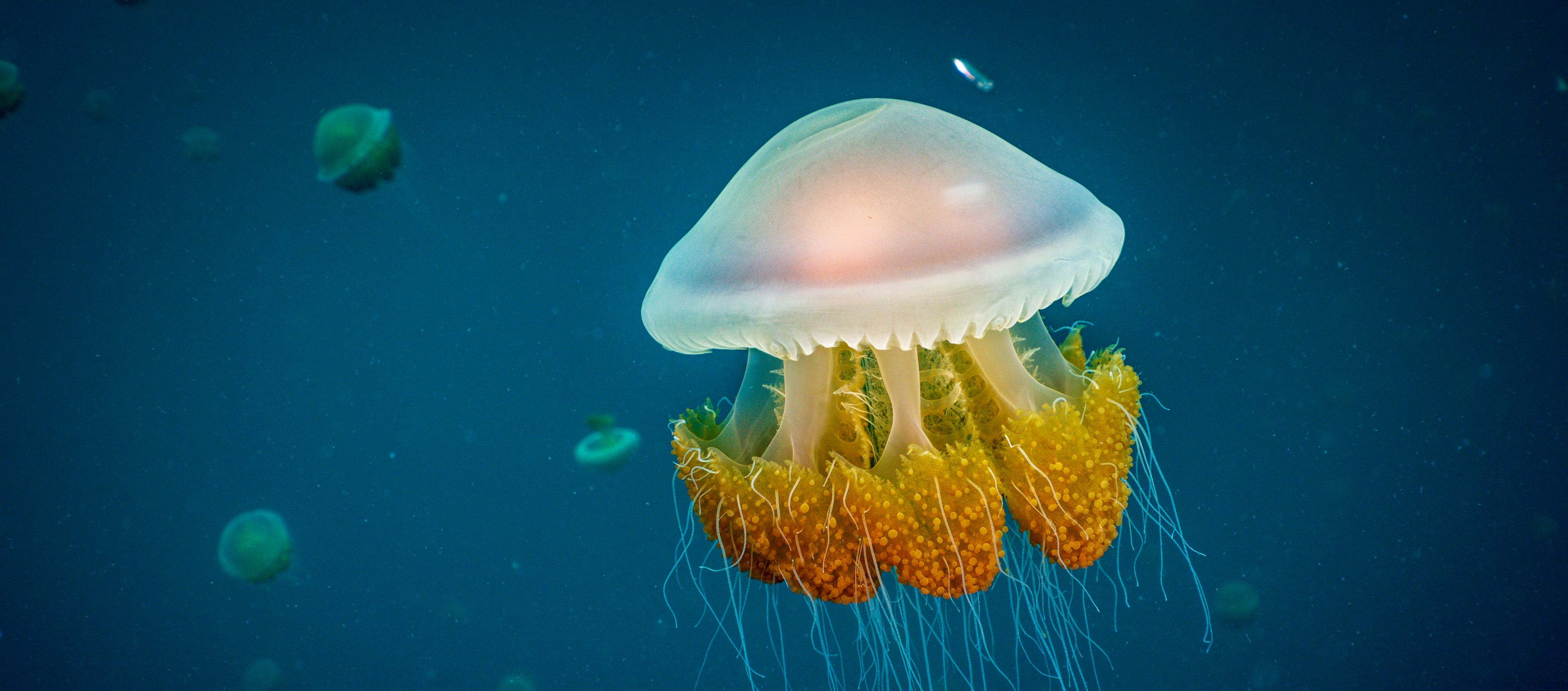
Biodiversity refers to the variety and variability of life on Earth — and the natural systems that support it. Wildlife is an important part of biodiversity, but the two terms aren’t the same. Biodiversity is broader, and scientists generally describe it in three main ways.
What are the different types of biodiversity?
Scientists usually look at biodiversity at three levels:
- Genetic diversity: The variety of genes within a single species. This genetic variation helps crops resist disease and allows plants and animals to adapt to changing environments, diets and climates.
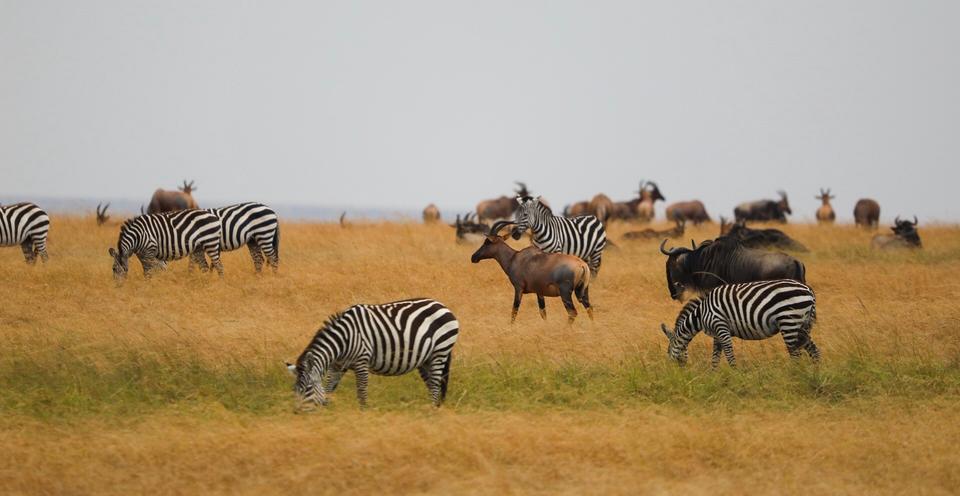
- Species diversity: The number and variety of species in a place — including plants, animals, fungi and microorganisms like bacteria.
- Ecosystem diversity: Different natural systems such as forests, grasslands, rivers, coral reefs and wetlands. Each ecosystem plays a distinct role in supporting life and providing benefits to people.
Why does biodiversity matter to people?
Human life depends on biodiversity — in practical, economic and cultural ways.
- Food: Pollinators support roughly three‑quarters of the world’s food crops. Healthy soils — shaped by countless microorganisms — make farming possible. Fisheries rely on intact ocean ecosystems.
- Water: Forests help filter and store drinking water for millions of people. Mangroves and wetlands protect coastlines from storms and flooding.
- Climate: Natural ecosystems store vast amounts of carbon, helping stabilize the climate over time.
- Health: Many medicines come from nature. Healthy ecosystems also reduce risky contact between people and wildlife, lowering the chances of diseases spreading from animals to humans.
- Livelihoods and economies: Billions of people depend directly on nature for their incomes, from farming and fishing to forestry and ecotourism.
- Culture and identity: Indigenous Peoples and local communities often have deep cultural and spiritual ties to the lands and waters they care for — relationships that have protected biodiversity for generations.
What happens when biodiversity is lost or reduced?
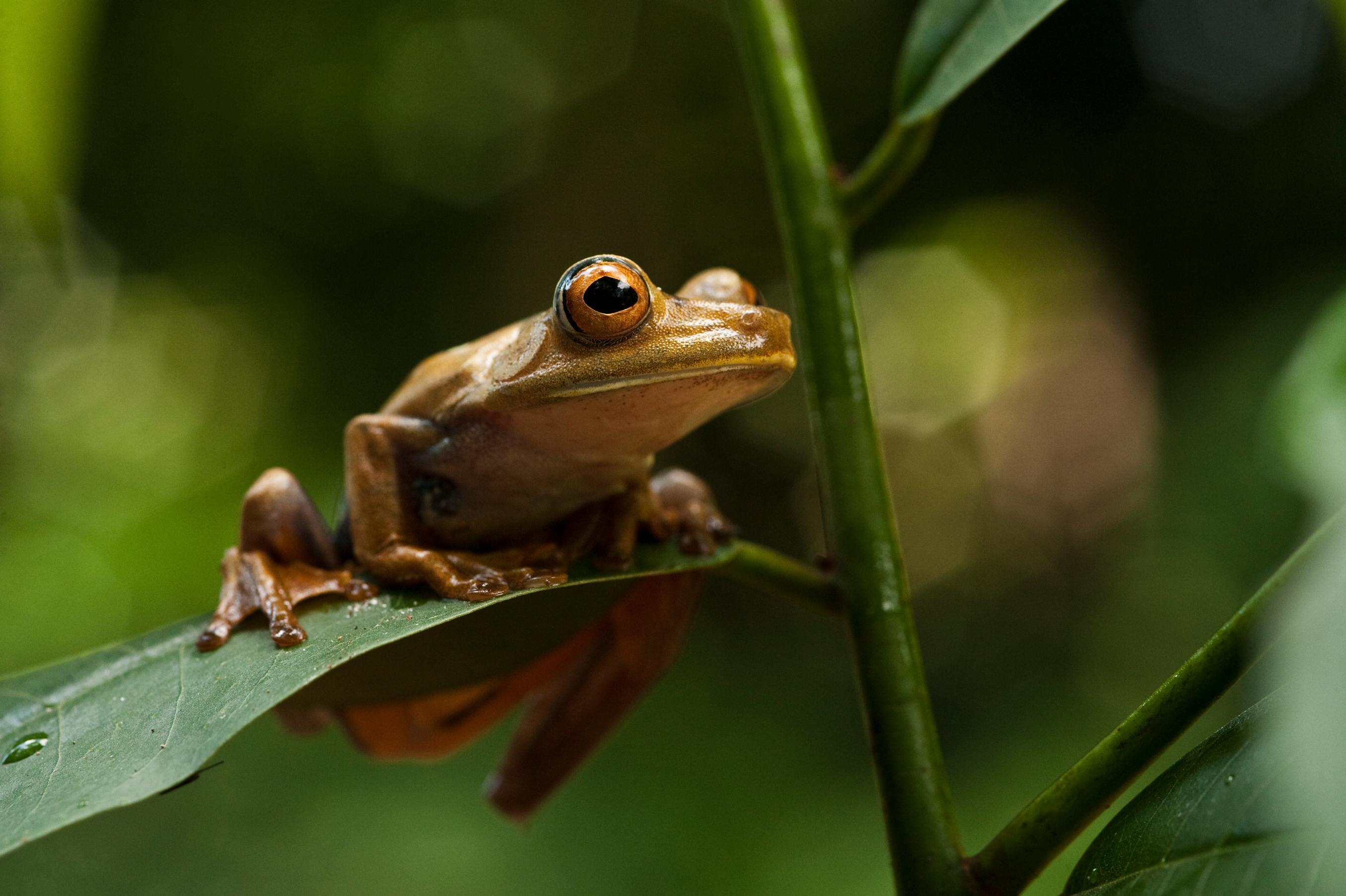
Ecosystems rich in biodiversity tend to be resilient. They can better withstand shocks like droughts, floods or fires, and continue providing things people depend on, such as food and clean water.
When biodiversity declines, ecosystems become weaker and less stable. One way to think about it is like a woven tapestry: Remove a few threads, and it still holds together. Remove too many — or the wrong ones — and the whole structure begins to unravel.
The same is true in nature. Losing one species, or many species, can trigger a partial or complete breakdown of an ecosystem. In some cases, once a tipping point is crossed, the ecosystem can change so dramatically that it can no longer function as it once did.
What’s an example of an ecosystem tipping point?
Scientists warn that deforestation in the Amazon is pushing the region toward a tipping point. Beyond that point, large parts of the rainforest could gradually turn into dry savanna — a shift humans would not be able to reverse.
As forests are cleared, the Amazon loses its ability to generate much of its own rainfall. Without that rainfall, the rainforest ecosystem cannot survive. Instead of dense forests full of life, the region could become a much drier landscape with far less biodiversity.
What is causing biodiversity loss?
The main drivers of biodiversity loss are all linked to human activity:
- Habitat destruction: Deforestation, agricultural expansion, mining, roads and poorly planned development can destroy or fragment critical habitats.
- Climate change: Rising temperatures and extreme weather are disrupting ecosystems faster than many species can adapt.
- Overexploitation: Unsustainable fishing, logging and wildlife trade put direct pressure on species and ecosystems.
- Pollution: Industrial waste, plastics and chemical runoff from agriculture can damage land and marine environments.
- Invasive species: Plants and animals introduced to new places can crowd out native species and reshape entire ecosystems.
These pressures often reinforce one another, speeding up biodiversity loss — especially in places known as biodiversity “hotspots.”
What is a biodiversity ‘hotspot’?
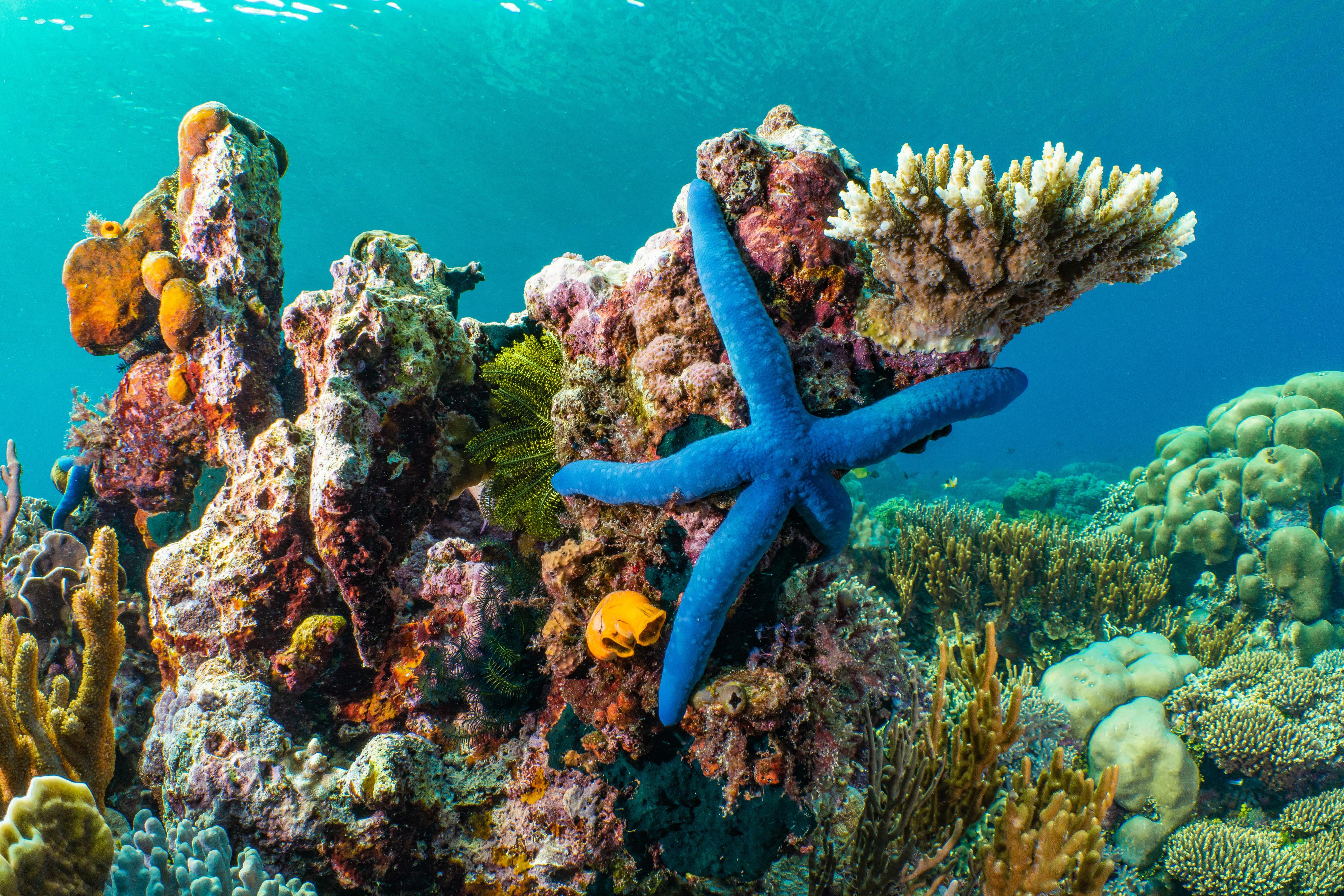
A biodiversity hotspot is a region with an exceptionally high concentration of species that is also under serious threat.
To qualify as a hotspot, an area must meet two strict criteria:
- It must contain at least 1,500 plant species found nowhere else on Earth.
- It must have lost at least 70 percent of its original natural habitat.
Although hotspots cover only a small portion of the planet, they are irreplaceable.
How many biodiversity hotspots are there?
There are 36 biodiversity hotspots worldwide. Together, they make up just 2.5 percent of Earth’s land surface — yet they contain the majority of the planet’s plant and animal species.
Where are some biodiversity hotspots?
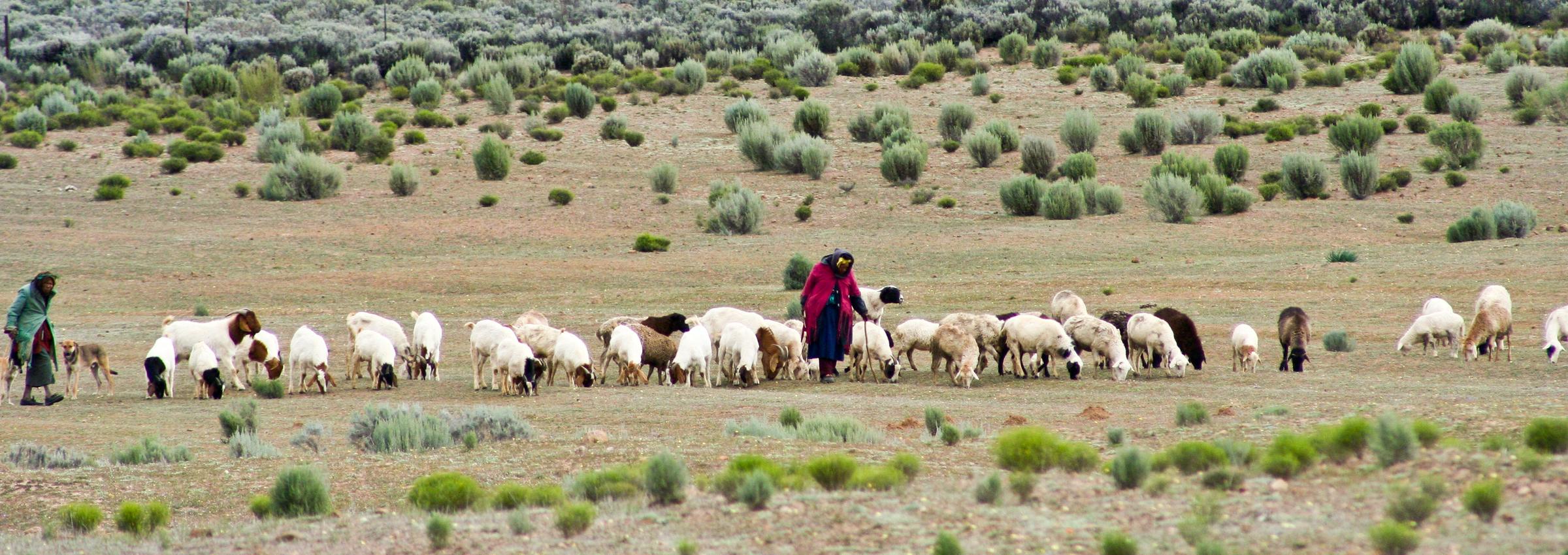
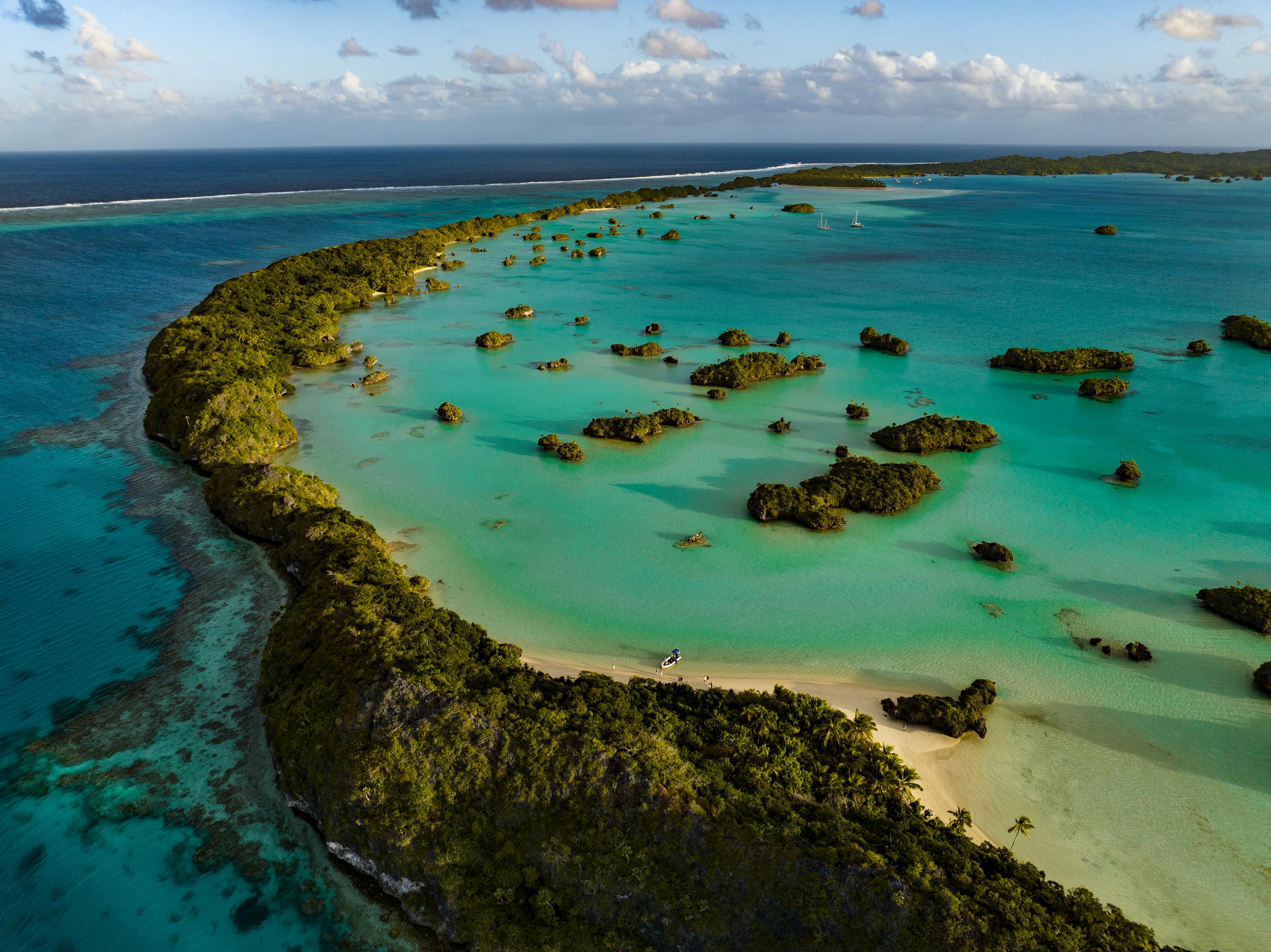
Hotspots include places such as Madagascar, the Tropical Andes, the mountains of Southwest China, and Polynesia‑Micronesia.
Why do biodiversity hotspots matter for people?
Biodiversity hotspots often overlap with places where people depend most directly on nature. Many are home to vulnerable communities who rely on healthy ecosystems for food, water and livelihoods.
By some estimates, hotspots provide about 35 percent of the ecosystem benefits that vulnerable populations depend on. For conservation, they represent both enormous value and urgent risk: If biodiversity is lost in these places, it is lost forever.
Is biodiversity loss reversible?
In many places, yes — if action is taken quickly.
Nature can recover when ecosystems are protected, damaged areas are restored, and harmful pressures are reduced. Forests can regrow. Fish populations can rebound. Coral reefs can recover when protected from overfishing and pollution — although climate change remains a major challenge.
Recovery is possible, but only if damage is stopped before irreversible tipping points are crossed.
How does protecting biodiversity help address climate change?
Biodiversity and climate are deeply connected. Healthy ecosystems help regulate the planet’s climate naturally:
- Forests store large amounts of carbon in trees and soils.
- Mangroves and peatlands lock away carbon for centuries.
- Oceans absorb carbon and produce oxygen through phytoplankton and seagrass.
When these ecosystems are lost, climate change accelerates. Protecting them is one of the most effective — and cost‑effective — climate solutions available.
Multiply Your Impact

Your support reaches further than you think.
Every private donation helps unlock additional funding from governments, foundations, and institutional partners — multiplying impact by up to 300%
What can be done to protect biodiversity?
Effective solutions span policy, finance, science, and community leadership:
- Protect and expand conservation areas, focusing on the most important ecosystems.
- Support Indigenous Peoples and local communities, whose lands contain much of the world’s remaining biodiversity.
- Invest in nature‑based climate solutions, such as forest protection and restoration.
- Reform financial systems so economic decisions reflect the true value of nature.
- Strengthen sustainable food systems and reduce deforestation and overfishing.
- Cut pollution, especially plastics and chemical runoff.
What can individuals do?
System‑level change is essential — but individual choices still matter:
- Support conservation organizations and community‑led efforts.
- Choose sustainably sourced food and products.
- Reduce waste and plastic use.
- Use your voice: Encourage leaders and companies to prioritize nature.
Sustaining Life on Earth
Conservation International protects and restores priceless ecosystems, while creating opportunity for all. Learn more about our plan for this decisive decade.