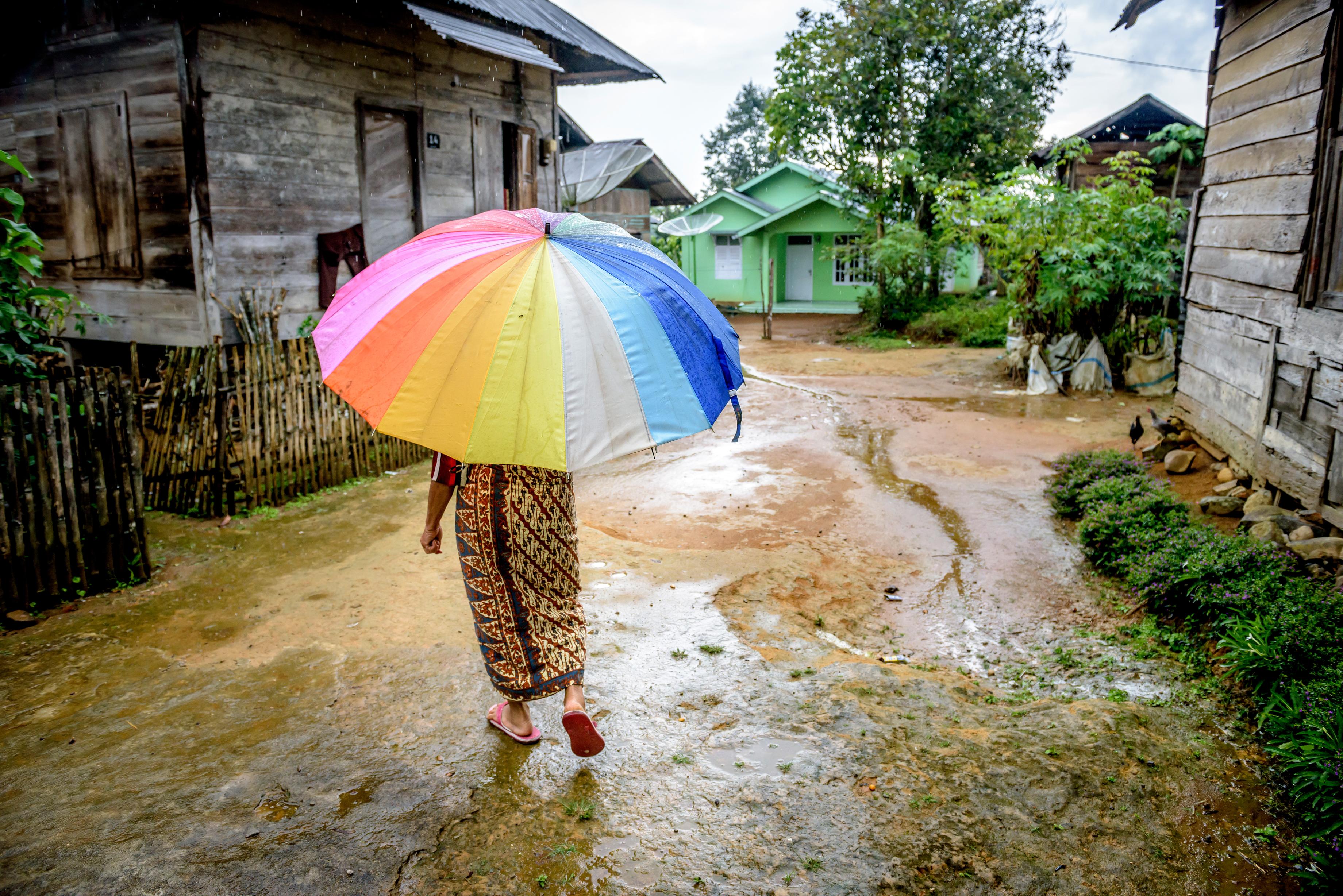
El Niño is a climate pattern that naturally returns every few years to reshape weather around the world for months at a time. It begins with a spike in ocean temperatures in the Pacific Ocean.
As this warm surface water moves from the western Pacific, near Fiji and Tahiti, toward the coasts of Peru and Ecuador, the effects ripple outward: drought in some places, deluges in others.
Further reading: This El Niño is different. Here's why
Why is it called El Niño?
The name comes from Peruvian fishermen, who experience some of its most damaging effects. Long ago, they noticed that warm water — and the collapse of their catch — tended to peak around Christmas, so they named it El Niño, after the Christ child. Scientists later adopted the term.
What causes it?
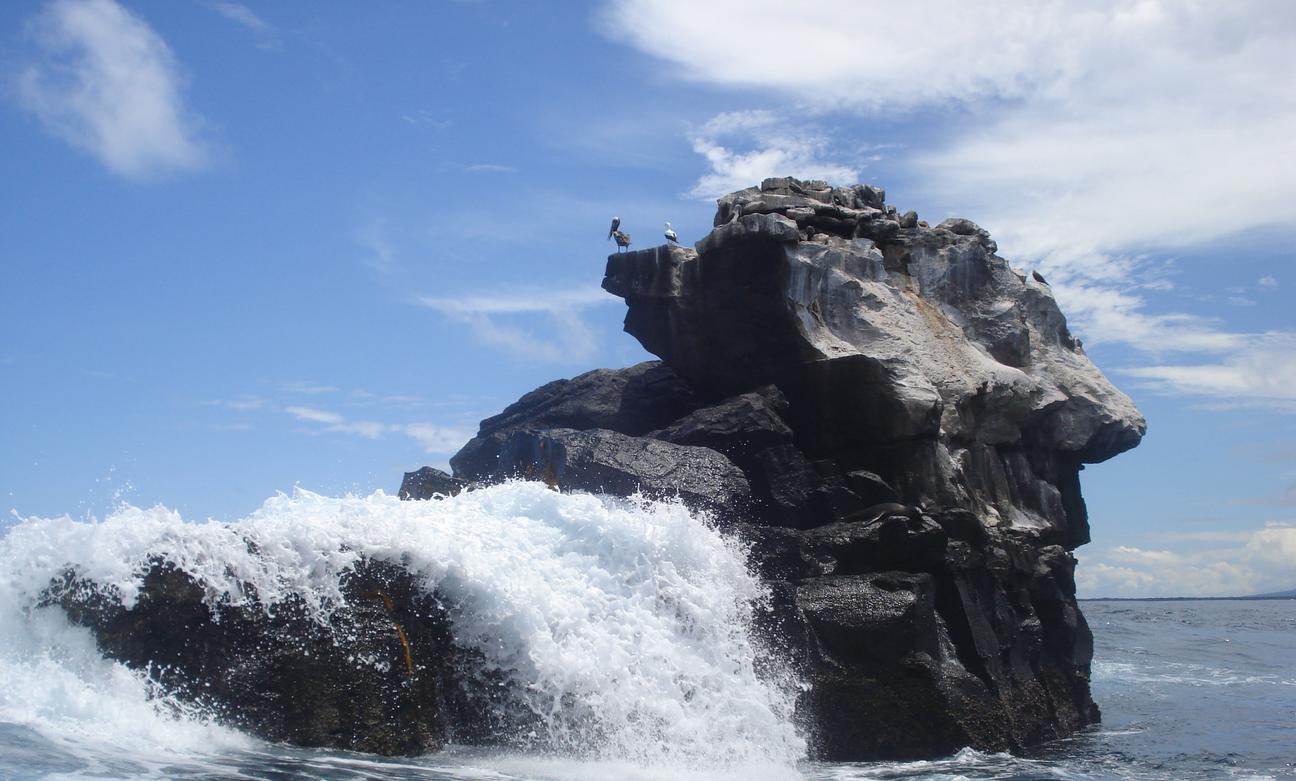
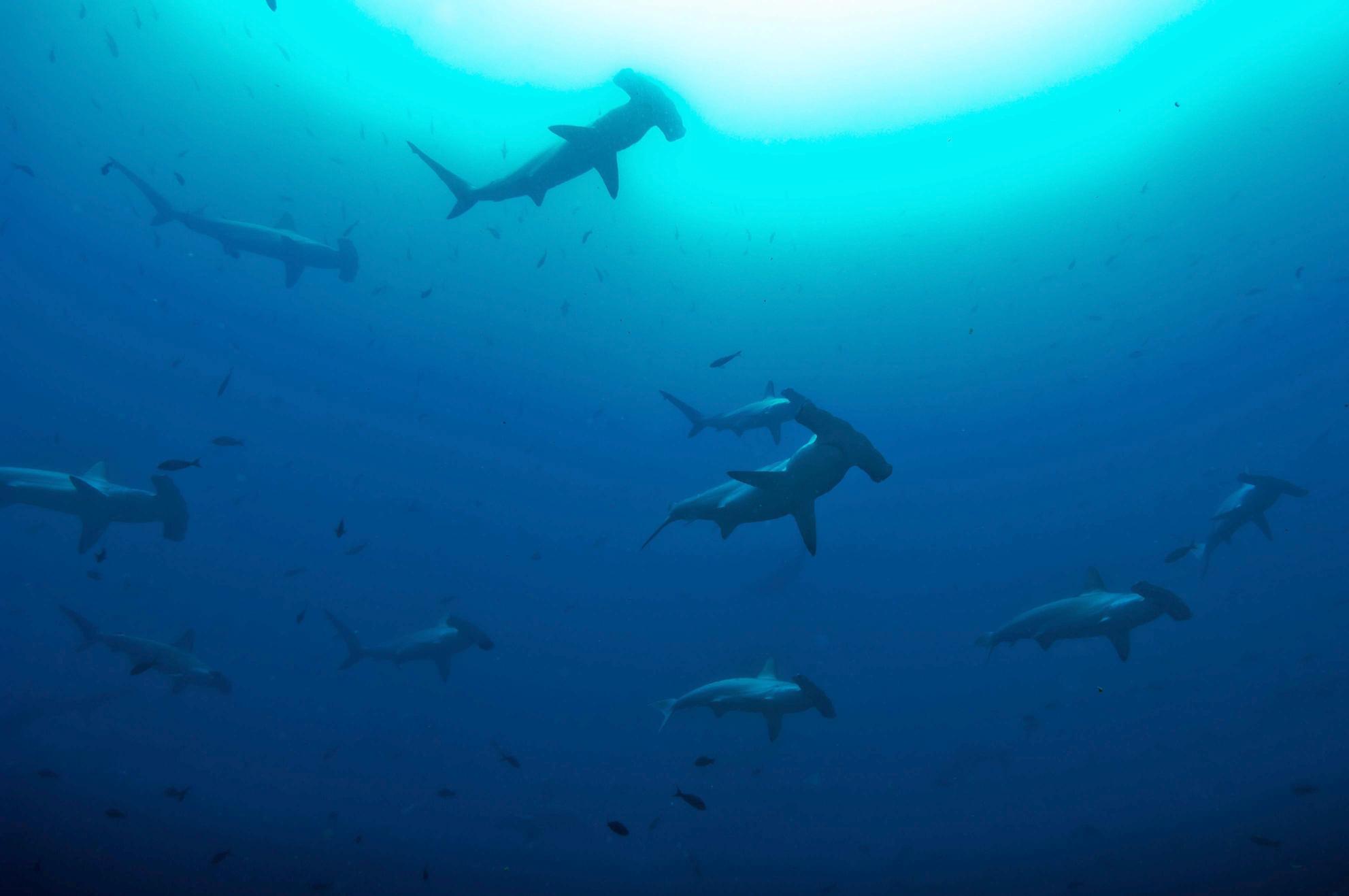
The temperature changes start with the wind. Normally, steady trade winds push warm surface water west across the Pacific. That lets cold, nutrient-rich water rise from the deep around the Galápagos, feeding an entire food web of fish, seabirds, sea lions and sharks in one of the most productive stretches of ocean on Earth.
During El Niño, those trade winds weaken. Warm water drifts east and smothers the cold upwelling. Without that cold water, the food web that depends on it collapses. However, scientists still don’t have consensus on why these wind changes happen in the first place.
How does climate change affect El Niño?
El Niño is a natural cycle, but climate change is very likely making its effects worse.
Here’s Conservation International scientist Lee Hannah to explain:
“While El Niño is a natural cycle, it is being driven to un-natural extremes by rising sea surface temperatures. Much like hurricanes, people don’t create an El Niño, but our greenhouse gas pollutants make them stronger. Climate change may mean that we see a new record large El Niño nearly every time there is an especially strong one. Much like annual temperature records and heat waves, when you start raising the baseline temperature, bad things happen more often.”
How is El Niño different from La Niña?
El Niño and La Niña are opposite sides of the same natural cycle, which scientists call the El Niño–Southern Oscillation (ENSO). The cycle has three states:
- El Niño — the warm phase, when trade winds weaken and the eastern Pacific heats up
- La Niña — the cool phase, when trade winds strengthen and the eastern Pacific becomes colder than average
- Neutral — the in-between state, when neither pattern is in control
Each phase pushes global weather in roughly opposite directions.
How often does it happen, and how long does it last?
El Niño returns every two to seven years. It typically begins warming the Pacific in spring, peaks between October and February, and fades by the following spring.
Most events last nine to 12 months, though some persist for up to two years.
How do scientists track and forecast it?
Scientists track El Niño by watching ocean temperatures in a key patch of the central Pacific, along with winds, rainfall and conditions below the surface. Buoys, ships and satellites feed that data into dozens of climate models.
Because the ocean temperatures change slowly, forecasters can see El Niño coming months in advance. The National Oceanic and Atmospheric Administration's (NOAA) Climate Prediction Center updates its outlook every month — that warning gives governments, fishers and conservationists time to prepare.
Is the 2026–27 El Niño historic?
Very likely. To count as a “super” El Niño, ocean temperatures need to climb at least 2 degrees Celsius (3.6 degrees Fahrenheit) above average. The 2026–27 event has already blown past that threshold, and NOAA puts the chance that it becomes the strongest El Niño on record — in data going back to 1950 — at 90 percent for October through December.
Three things set it apart:
- Strength — it is on track to surpass the last three strong El Niños, which began in 1997, 2015 and 2023
- Early start — its first effects appeared in summer 2026, months ahead of schedule
- Staying power — forecasters expect it to peak around December and last into spring 2027
How does El Niño affect weather around the world?
El Niño starts in one corner of the Pacific, but its reach is global. Some effects come directly from the warm water moving across the ocean. Others are what scientists call teleconnections — weather patterns in distant parts of the world that reliably shift along with El Niño.
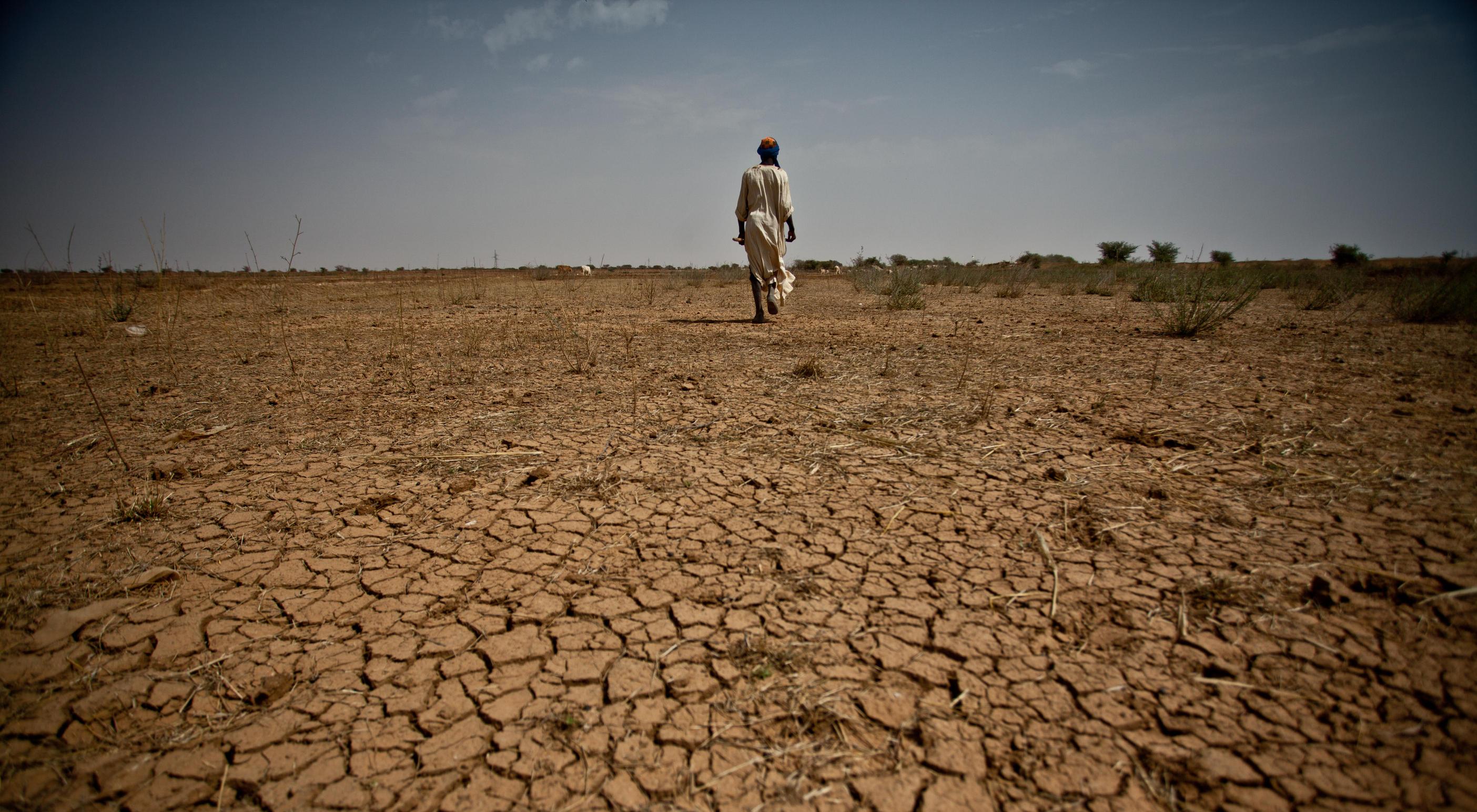
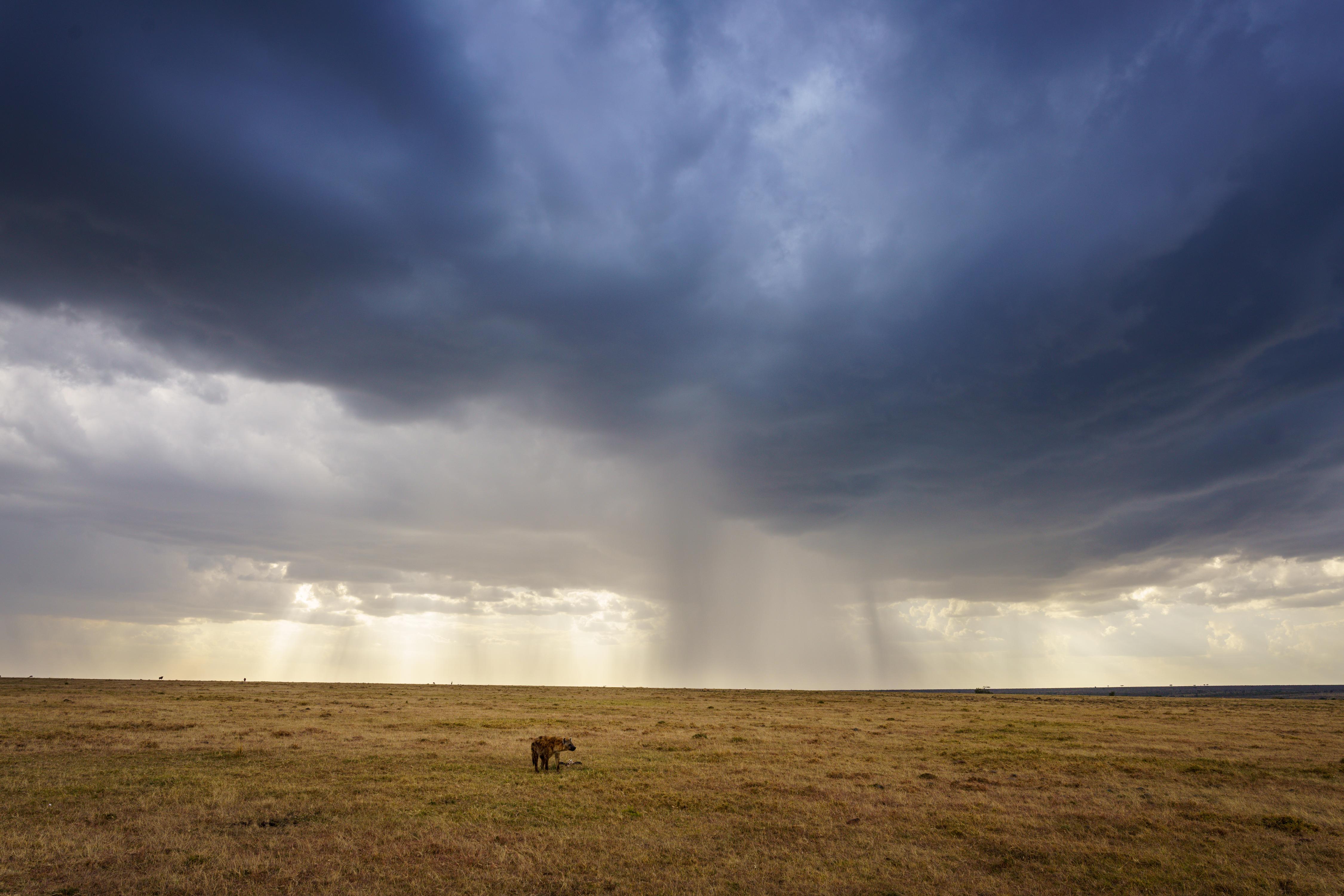
During this event, the pattern is expected to bring drought in places such as Panama, Guatemala, southern Africa and India, and heavier rains in Peru, Ecuador, the southern United States, East Africa and central Asia.
Some of these shifts are already visible. In September, satellites showed unusually clear, dry skies over southern Mexico, Central America, the Caribbean and northern South America.
How does El Niño affect people?
When El Niño shifts rain and ocean temperatures, the effects hit people directly: farmers lose harvests to drought or flooding, fishers watch their catch disappear, ships slow in drying canals and coastal communities face more high-tide floods.
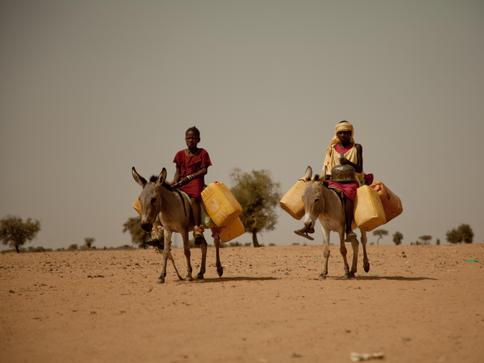
Food security
As drought and floods hit crops, the United Nation’s World Food Programme estimates that this El Niño could push an additional 49 million people into hunger.
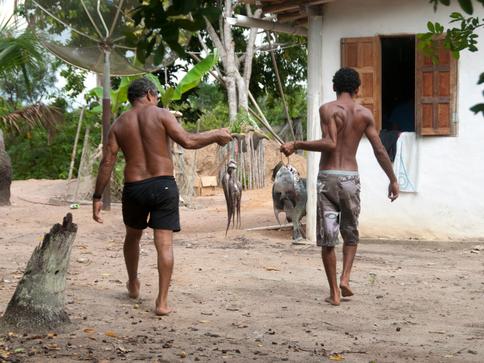
Fisheries
As warm water cuts off the cold upwelling that feeds fish along the coasts of South America, schools move in search of cooler water or die-off. For coastal communities, that means lost income and less food on the table.
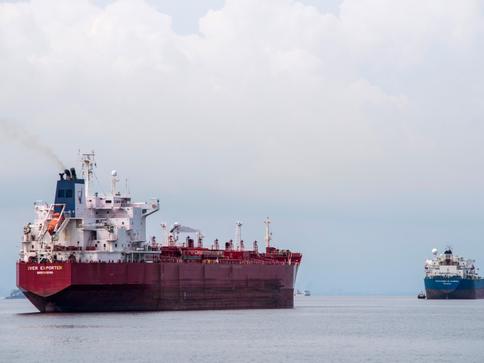
Shipping and trade
The Panama Canal’s locks run on rain-fed fresh water. When drought hits, the canal must limit crossings, slowing traffic through one of the world’s busiest trade routes.
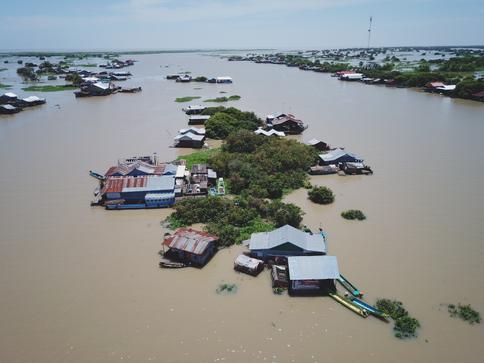
Coastal flooding
El Niño can also push sea levels higher than usual, meaning high tides reach farther inland. Coastal communities from Ecuador to California and Hawaii can expect more days when streets and low-lying neighborhoods flood. The effect can even reach as far as the U.S. Gulf Coast and Mid-Atlantic.
How does El Niño affect wildlife?
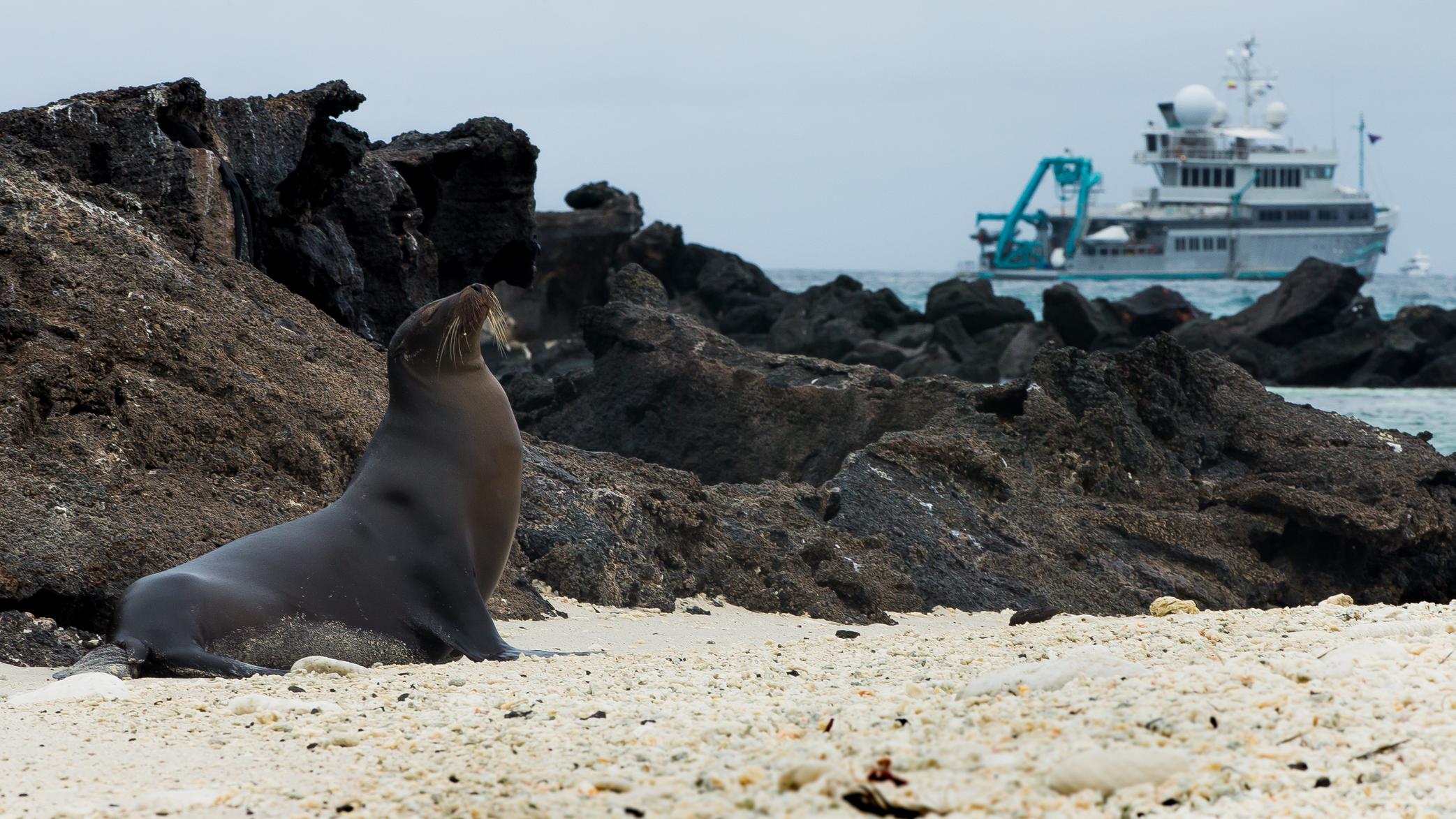
The eastern Pacific — especially around the Galápagos — is hit first and hardest. The species that depend on the ocean for food have less to eat when warm water shuts down the nutrient-rich currents of cold water. At an El Niño summit co-hosted by Conservation International in Panama in October, scientists reported that past super El Niños caused populations of sea lions, sharks and seabirds to fall by more than half, and recovery can take years or even decades.
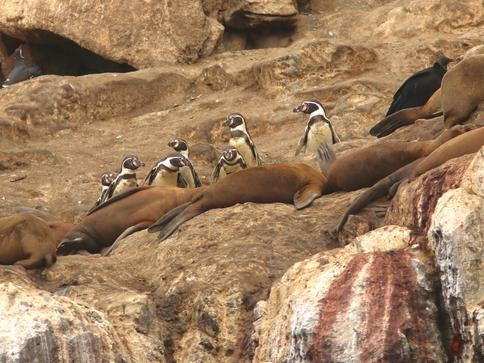
Sea lions and penguins
At the summit, scientists described declines of up to 90 percent in some penguin and sea lion colonies. They expect those losses to deepen through early 2027 as El Niño peaks.
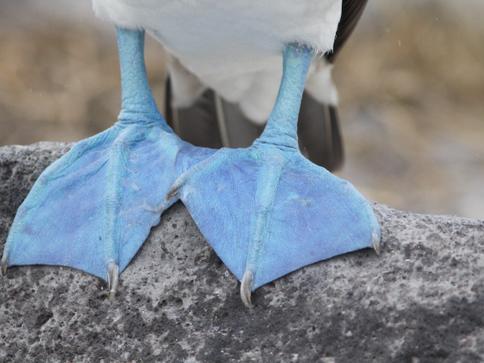
Seabirds
In Ecuador, seabirds, like blue-footed boobies and the critically endangered waved albatross, are dying at four to five times the normal rate as warming waters cut off their food supply.
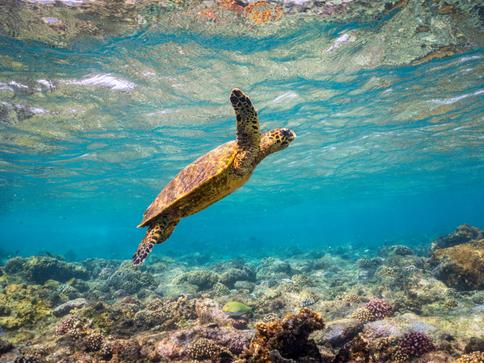
Sea turtles and fish
Warmer water is rewriting the calendar. Scientists at the summit also reported sea turtles nesting about three months early, and tropical fish turning up off the coast of Peru where they have never been seen before.
Coral reefs
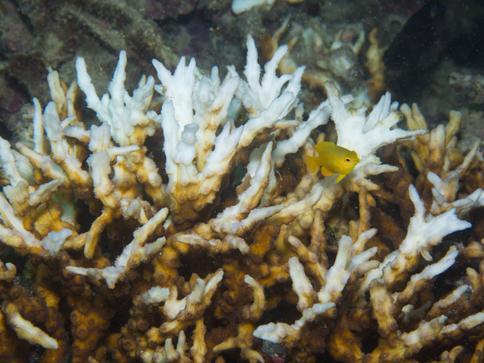
When water stays too warm, corals expel the algae that feed them and turn white, leaving them starving and prone to disease. Every strong El Niño since 1998 has triggered a global bleaching event, and scientists expect this one to be the largest on record.
Wildlife on land
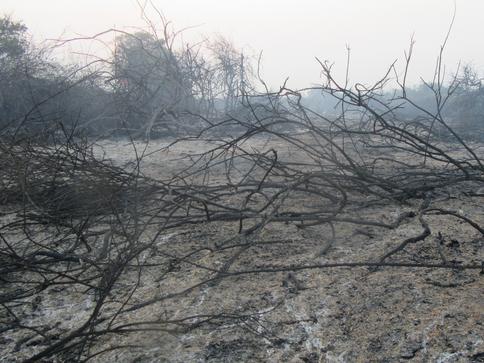
Animals on land feel El Niño, too. Endangered species in southern Africa and the northeast Amazon face scarcer water and food as drought takes hold, while widespread fires across parts of Asia are destroying the forests many species depend on.
Multiply Your Impact

Your support reaches further than you think.
Every private donation helps unlock additional funding from governments, foundations, and institutional partners — multiplying impact by up to 300%
Will El Niño affect the weather where I live?
Probably, but like most weather events, nothing is certain. El Niño shifts the odds of certain kinds of weather rather than setting your forecast. In the United States, most effects arrive in winter: the southern region usually turns wetter, while the northern region is often milder than usual.
Does El Niño affect hurricanes?
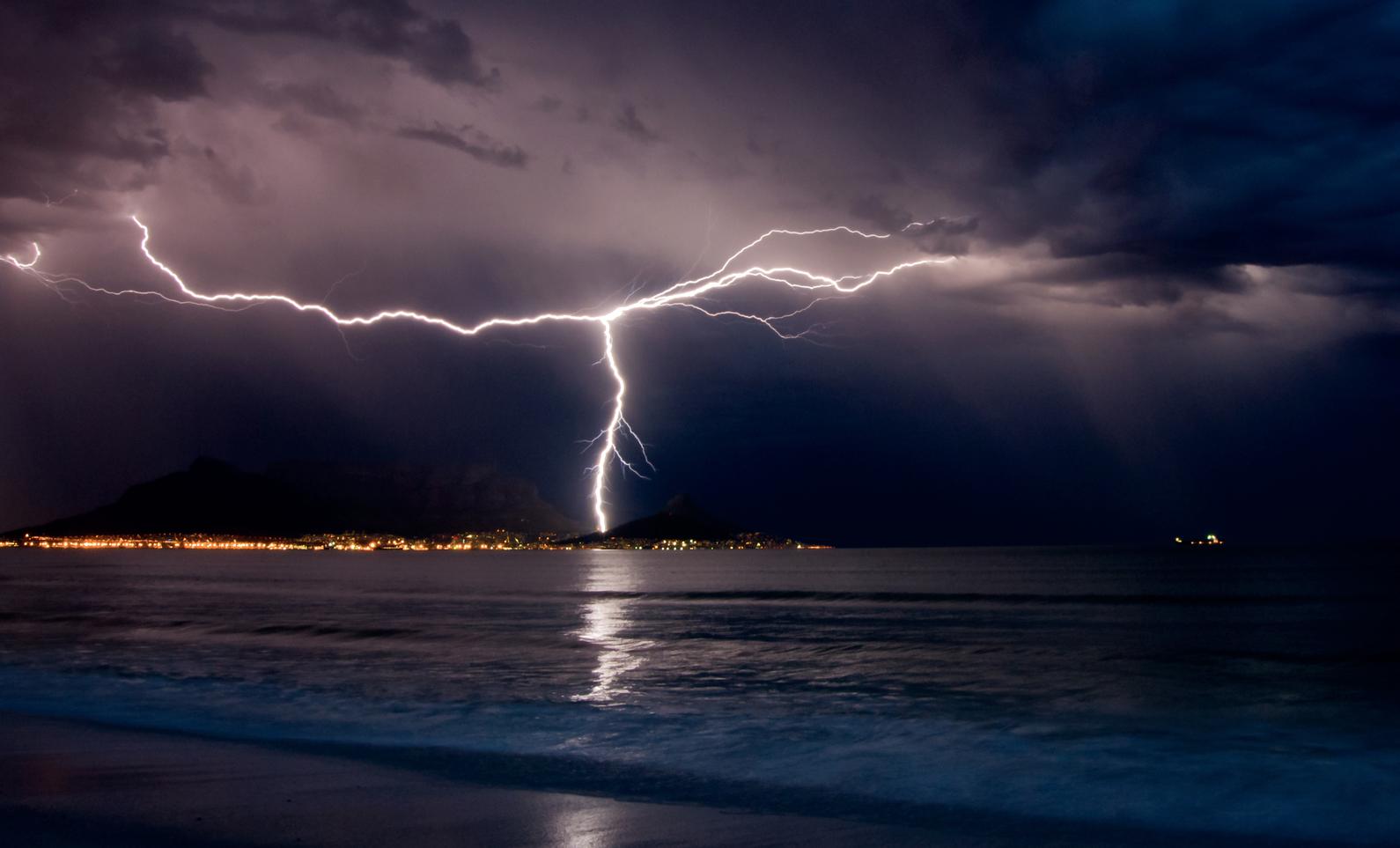
Yes — in opposite ways in different oceans. El Niño strengthens high-altitude winds over the Atlantic, which suppress developing storms. In the eastern Pacific, warmer water and calmer winds let storms build up greater strength.
That pattern is clear this year. By late September, storm energy in the northeast Pacific was at 175 percent of average, while the Atlantic sat at just 7 percent.
Does El Niño make the planet hotter?
For a while, yes — on the surface. But El Niño doesn’t add any new heat to the planet. Instead, it moves heat that was stored in the ocean up into the air, which temporarily raises the global average surface temperature by a few tenths of a degree.
On top of a planet that is already warming, that boost can be enough to break records. And because the heat takes months to escape the ocean, temperatures usually peak the year after El Niño forms. Climate scientists expect 2026 to rank among the three warmest years on record and 2027 to likely set a new record.
What can be done to lessen the impacts of El Niño?
No one can stop El Niño, but months of advance warning from climate models can create a window to help reduce the damage. Effective responses include:
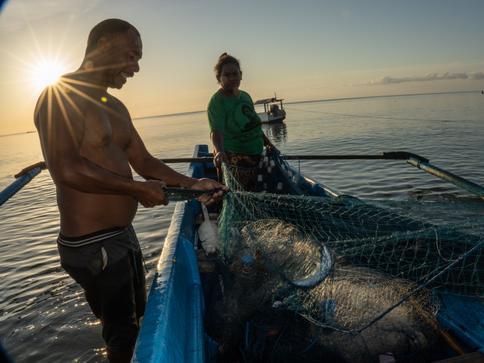
Smarter fisheries management
As cold-water fish retreat and tropical species arrive in new places, fishing rules need to keep pace — like shortening seasons for struggling stocks and setting limits on newcomers. Income support and help shifting to other fisheries or work can protect fishers who lose their catch.
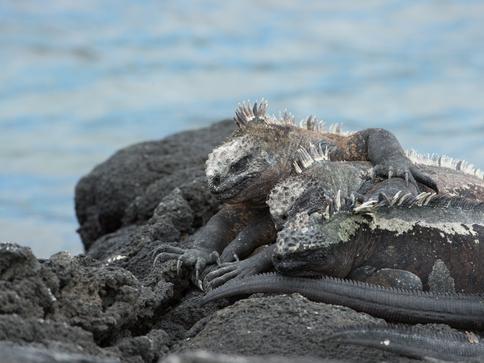
Wildlife rescue
Rescue programs for starving sea lions, penguins, seabirds and marine iguanas may need to scale up dramatically to save as much of each population as possible.
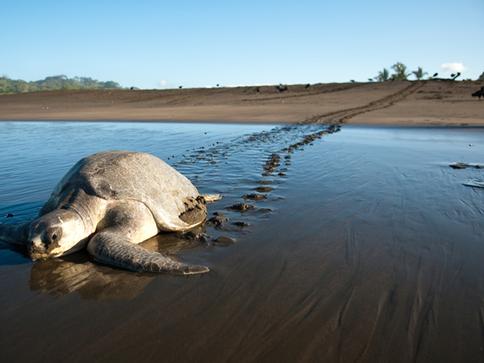
Sea turtle protection
With turtles nesting months early, beach patrols need to start sooner so nests aren’t left unprotected. Hotter sand can actually cause hatchlings to skew more female or even kill eggs, so teams may need to shade nests or move eggs to cooler hatcheries.
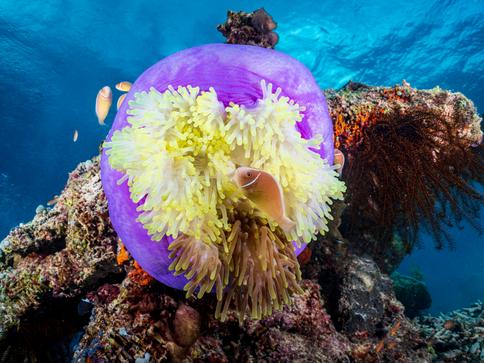
Coral reef recovery
Bleached corals can regain their algae within weeks to a year if conditions improve. Limiting tourism and other stresses gives them a better chance, both now and in the years after.
Planning for the future
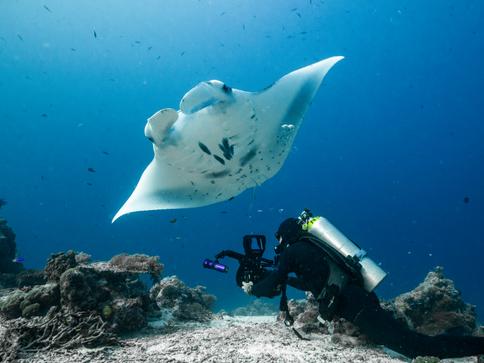
Conservation International researchers are currently tracking whales, sharks, manta rays, sea turtles and dolphins and already seeing them shift toward the poles in search of cooler water. Mapping where species move as waters warm helps identify the places they are most likely to survive — and prioritize them for future marine protected areas.