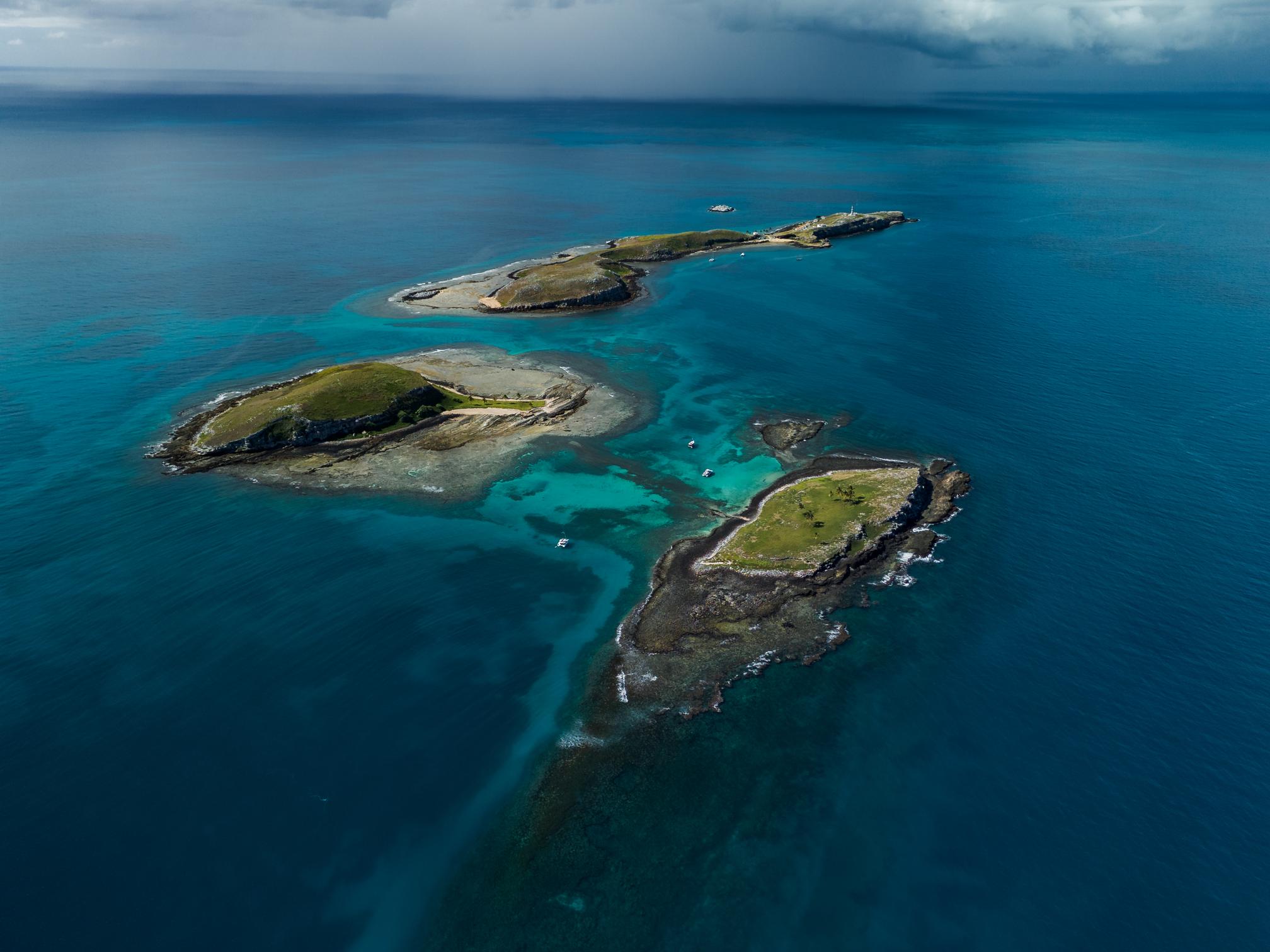
What is a marine protected area?
A marine protected area (MPA) is a designated section of ocean or coastline where human activities, such as fishing, drilling or development, are limited or restricted to protect the ecosystem within it. Think of an MPA as a national park — but underwater.
Governments, often working with conservation organizations and local communities, draw MPA boundaries around specific marine features, including coral reefs, coastlines, seamounts or open water. These boundaries are typically drawn around areas considered important for one or more of the following reasons:
Ecological value — the area is a fish nursery, whale migration route, or rare, healthy ecosystem
Cultural value — the area includes ancestral or traditional fishing grounds
Economic value — the area supports long-term fisheries or tourism
Once boundaries are set, governments establish rules defining what can and cannot happen inside them.
What are the benefits of MPAs?
MPAs exist because the ocean is under serious, measurable strain through activities like overfishing, trawling and pollution. Well-enforced MPAs give marine life space and time to recover, with benefits that ripple outward beyond their borders.
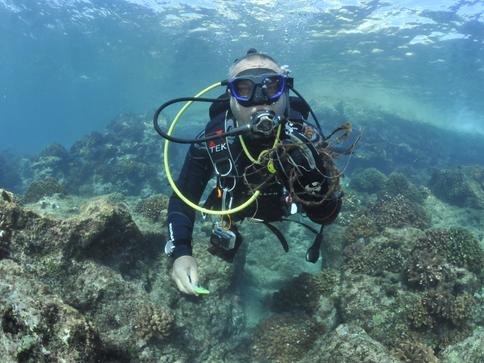
Ecosystem recovery
Decades of overfishing, trawling, and pollution have depleted marine life. Removing that pressure — even in just a portion of an MPA — gives fish populations, coral and other species a chance to recover.
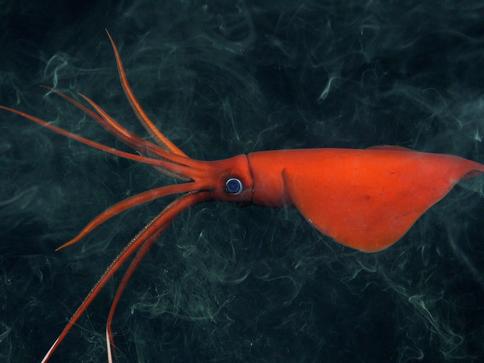
Biodiversity protection
Coral reefs, seagrass beds, mangroves and deep-sea habitats support enormous webs of life, including many species that haven't been studied yet. A destroyed reef can take decades to centuries to recover, if it recovers at all. MPAs help give these ecosystems a fighting chance.
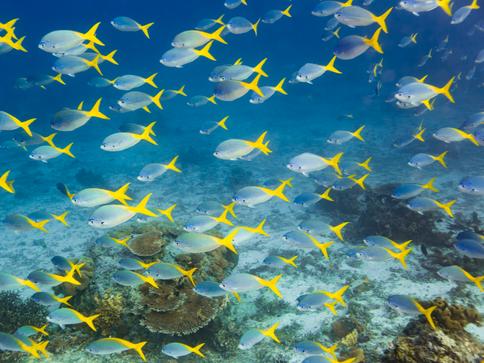
The “spillover effect”
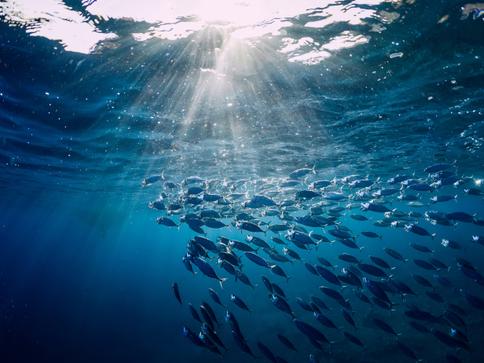
MPAs don't just protect fish within their boundaries. Fish populations and habitats inside well-enforced MPAs tend to grow, and that abundance often spills into surrounding waters, boosting catches for fishers working just outside the boundary.
Climate resilience
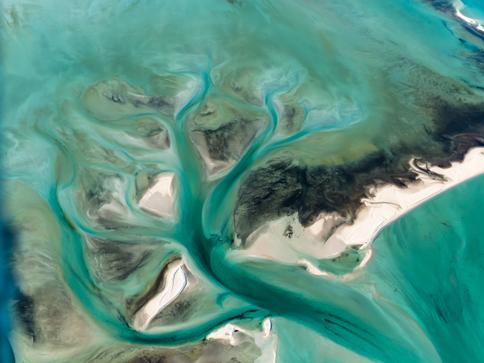
Healthy mangroves, seagrass meadows and reefs sequester carbon, buffer coastlines against storms and erosion, and withstand warming and acidification better when they aren't also stressed by fishing or pollution. Protecting them is part of a broader climate strategy, not just a biodiversity one.
Livelihood and cultural preservation
For many communities — particularly Indigenous and fishing communities — the ocean isn't just an economic resource, it's central to food security, tradition and identity. Protecting fish stocks and habitats long-term protects those ways of life, even when it requires short-term restrictions.
Further reading: Study: Protecting the ocean benefits people and nature
How many MPAs are there in the world?
There are thousands of individually designated MPAs, though the count shifts as smaller ones are consolidated over time.
Because individual MPA size varies enormously (some cover a few square kilometers, others cover millions), area protected is a more meaningful measure than MPA count. Currently, about 10 percent of the ocean is protected.
Further reading: ‘The ocean is one:’ A turning point for the high seas
Are all MPAs the same?
No. People often assume protected means no human activity is allowed at all, but most MPAs are designed to accommodate some human use. Protection levels vary widely:
- Full protection — no extraction of any kind is allowed
- Partial protection — specific damaging activities (like trawling or oil drilling) are banned, while some fishing or recreation is allowed
- Minimal or “paper” protection — legally designated, but with few real restrictions in practice
Even a single MPA can contain multiple zones with different rules.
MPAs also differ in governance. Some are run entirely by national governments, others are co-managed with Indigenous Peoples or local communities and some span multiple countries and jurisdictions.
Finally, MPAs differ in purpose. Some exist mainly to let commercial fish stocks recover. Others protect a specific species, such as a whale migration route or turtle nesting ground. Many are designed to preserve cultural or historical sites, or to protect marine biodiversity more broadly.
Further reading: 20 years in the making: Brazil protects a vast, rare ocean refuge
Do MPAs work?
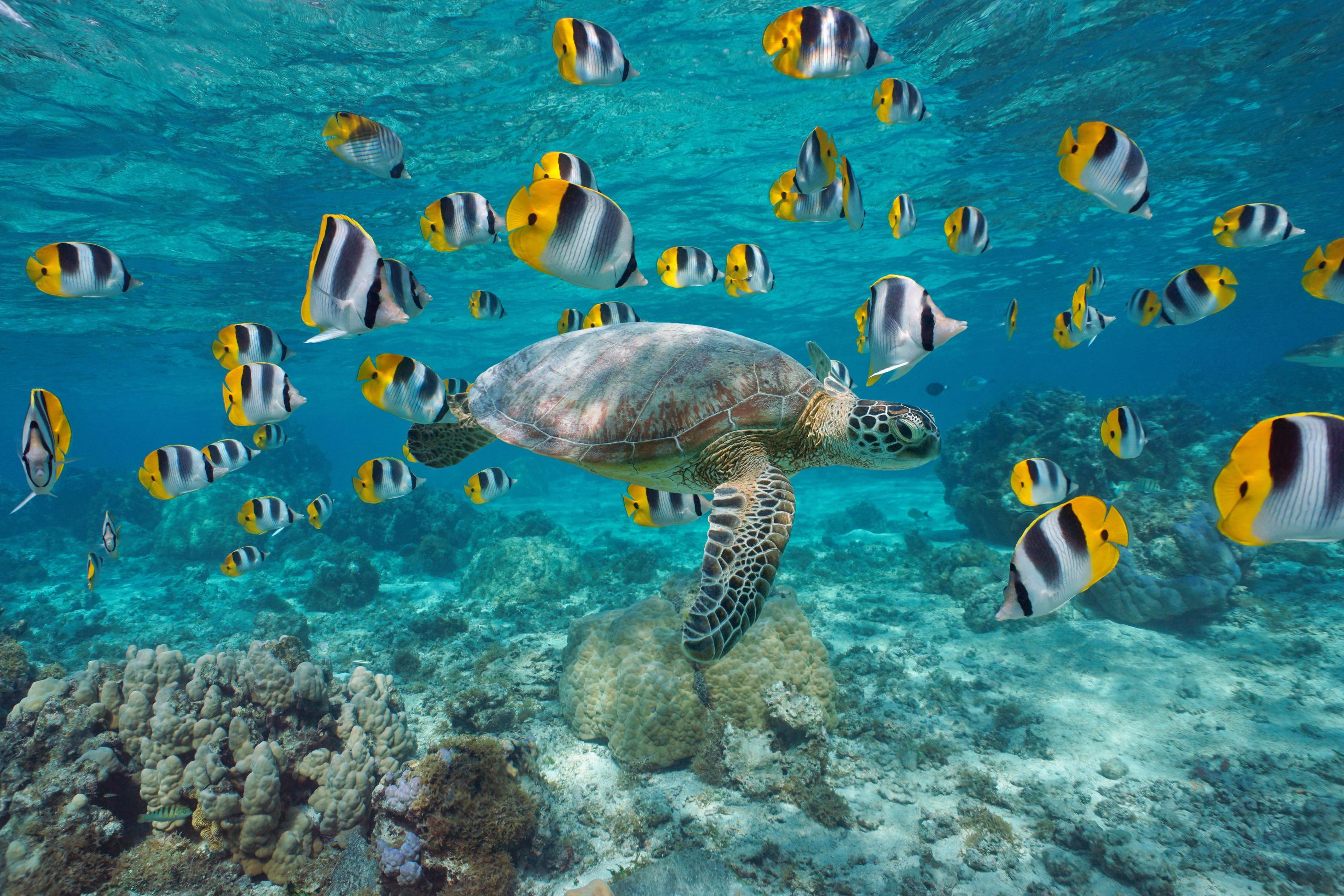
Yes — particularly MPAs that ban fishing entirely. One global study found that no-fishing MPAs boosted fish biomass by nearly 60 percent compared to unprotected areas. MPAs that allow some managed fishing are also effective, averaging a 13 percent increase in fish biomass.
The catch: An MPA’s effectiveness depends entirely on how it is designed and maintained. An MPA must be well-designed, well-enforced and inclusive of needs of the local people who live near it. An MPA that exists only on paper delivers none of the benefits.
Further reading: Indonesia halts mining in treasured islands
What is a "paper park"?
A paper park is an informal way to describe a protected area that exists by law but not in practice. There's no global enforcement body that inspects MPAs or penalizes countries for failing to follow through on their commitments, so protections can sometimes fall short of their promises. This usually happens because patrolling, staffing and prosecuting violations within an MPA requires funding that can be difficult to sustain.
Can you give an example of an MPA?
In June 2026, French Polynesia announced that 520,000 square kilometers (200,000 square miles) of ocean around the Austral and Marquesas Islands would receive the highest level of protection — banning mining, trawling and industrial fishing across an area roughly the size of France. This followed the country's earlier move to protect all of its waters, an expanse comparable in size to the entire European Union.
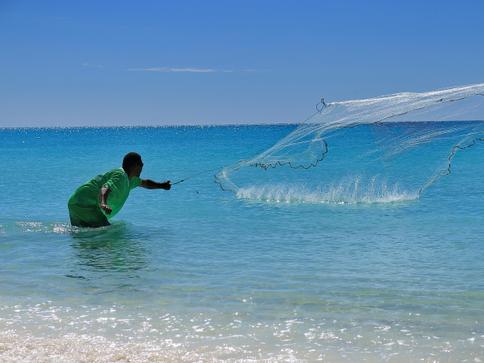
Artisanal fishing, central to local food security and culture, remains permitted — an example of the community-sensitive design that tends to make MPAs durable long-term.
The designation also addresses enforcement directly: a coalition of funders, including Conservation International and the Blue Nature Alliance, committed US$ 15 million to a conservation trust to help the government and local communities manage the waters for the next 20 years.
Further reading: The world just gained a marine protected area the size of France

How do MPAs affect fishing communities?
MPAs can genuinely benefit fishing communities, especially when those communities are valued partners in how the MPA is designed and enforced. Protection and livelihood don't have to be a trade-off. In well-functioning MPAs, evidence points to tangible community benefits: more fish, more income diversity, more food security and cultural continuity.
Increased catch
When fishing pressure is removed inside a well-enforced MPA, fish grow larger, live longer and reproduce more. Over time, that abundance spills into surrounding waters and boosts catches outside the protected area. Well-designed MPAs aren't purely a sacrifice — they're an investment in future fishing yields. The common fear that protection means lost income for fishers tends not to hold up once the ecosystem rebounds.
Income diversity
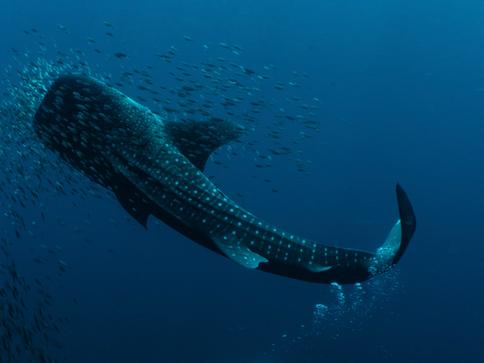
Healthy, visibly thriving marine ecosystems attract tourism, diving and snorkeling — activities that can generate substantially more income than extraction ever did. One study found whale shark tourism in Ningaloo, Australia is worth US$ 19 million per year on its own. At a larger scale, the Great Barrier Reef Marine Park generates more than US$ 5 billion annually and supports about 64,000 jobs — far more than reef fishing alone could provide.
Food security
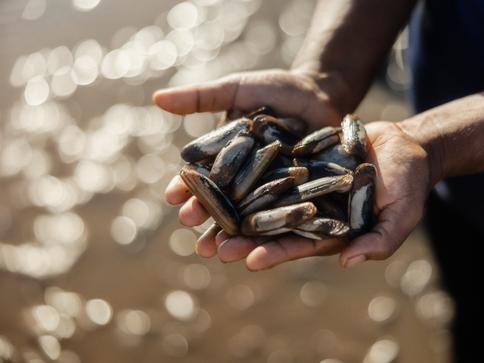
For communities relying on the ocean for food, a recovering fish population is a more dependable source than a depleting one. A Conservation International study found that expanding sustainable-use MPAs could increase fish catches in coral reefs by up to 20 percent, cutting the risk of malnutrition for as many as 3 million people worldwide.
Cultural preservation
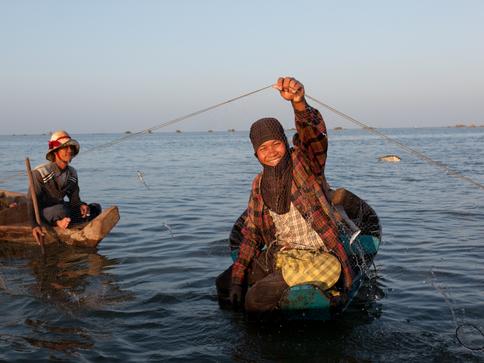
MPAs do more than help fish stocks rebound — they protect sacred sites, traditional fishing grounds and cultural identity. MPAs designed alongside local and Indigenous communities tend to be more effective because they're built around each community's actual needs.
Further reading: Protecting the ocean helps fight malnutrition