For most of modern history, the high seas — the vast swath of ocean beyond any country’s borders — have existed in a kind of legal limbo. Too distant to govern, too immense to fully imagine, the open ocean was treated as everywhere and nowhere at once.
Today, that begins to change.
After nearly two decades of work, the United Nations-backed High Seas Treaty officially enters into force, marking a long-awaited turning point for the ocean — and the beginning of a new —and equally complicated — phase of work.
For Haydee Rodríguez, a Conservation International expert who has spent nearly a decade working toward this milestone, the moment is both deeply personal and profoundly global.
“The ocean is one. The responsibility is one. This is the moment,” Rodríguez said.
In conversation with Conservation News, she reflects on what it took to get here, what comes next and why protecting the high seas is ultimately about recognizing how connected we all are.
Conservation News: What’s going through your mind today, as the High Seas Treaty officially takes effect?
Haydee Rodríguez: I’m giddy — it feels a bit like my birthday.
I’ve worn many hats during the negotiations. I’ve worked on this as part of various delegations, including Conservation International’s. I was also part of the Costa Rican government — at one point, I was head of the delegation.
So I’ve been part of the process from many angles. In a way, this feels like the result of nine years of my career coming together. It’s a huge diplomatic victory, in terms of trust, relationships and cooperation. But it’s also a big win for ocean conservation, because for the first time we can truly see the ocean as one connected system. We’re finally connecting the dots.
For people hearing about this treaty for the first time, what does it actually make possible?
Rodríguez: Until now, there was no global mechanism to create marine protected areas in the high seas — places beyond any country’s borders. We could study the high seas. We could talk about how important they are. But we couldn’t actually agree, together, to protect them.
This treaty changes that.
It creates a process for countries to work collectively to establish marine protected areas in international waters — based on science, with long-term management, monitoring and accountability. That’s a big shift.
There’s been a lot of celebration — but what are the challenges ahead?
Rodríguez: They’re significant. Everything about this process is new.
But the good news is that Conservation International has been preparing for this moment since around 2018, when we started thinking about marine protected areas and how the treaty might be implemented, long before it existed on paper. It feels like we’ve been training — and the marathon is finally starting.
There are going to be some hills along the way. This year alone, we need to establish the structure of the agreement, create the scientific body that will lead key decisions, and set up financing — including the special fund for capacity building, technology transfer, and monitoring.
All of that prepares us 2027, when we will begin to see formal marine protected area proposals from countries.
What are some of the first places you hope could be protected under the High Seas Treaty?
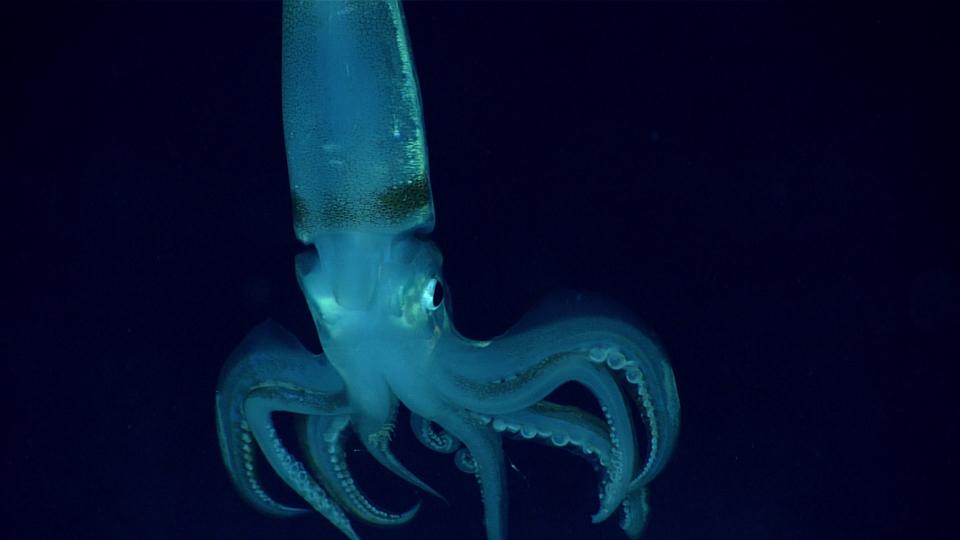
Rodríguez: One example is the Salas y Gómez and Nazca ridges, a vast chain of underwater mountains in the Pacific Ocean, stretching east of Rapa Nui (Easter Island) and west of the coasts of Chile and Peru. It’s invisible from the surface, but these seamounts are an oasis for marine life.
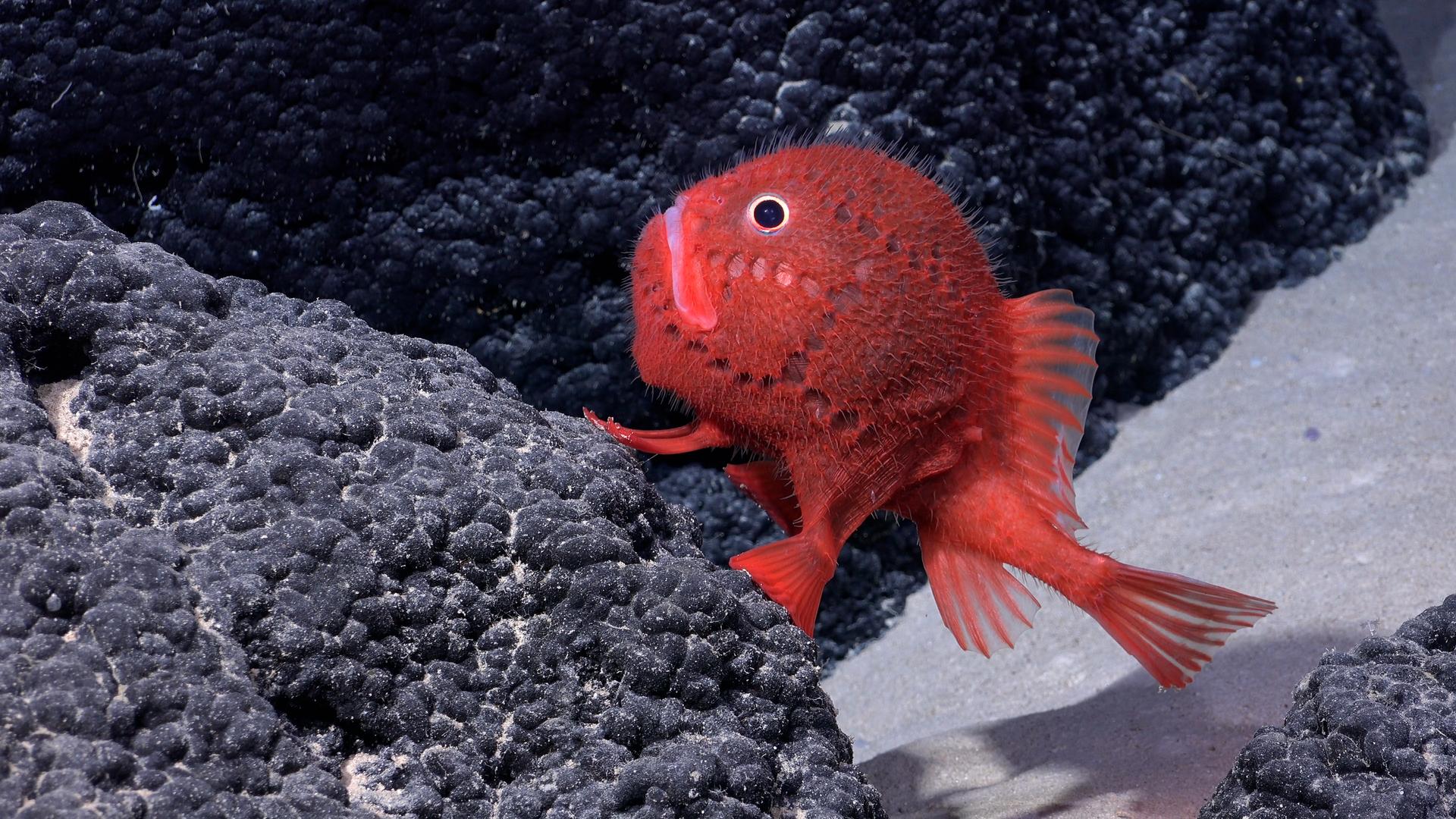
Last year, Conservation International supported a deep-sea expedition that helped scientists explore these underwater mountains in detail for the first time. They identified more than 100 species that were previously unknown to science.
That kind of exploration fundamentally changes how we understand a place — and why it matters. Another critical reason is political leadership. Chile stepped forward as a champion. They were the first government to say, very clearly: we want to create a marine protected area in the high seas.
They trusted Conservation International to help advise and co-create a strategy. We brought together that political leadership with scientific knowledge from Chile and Peru, and with experts working through international fisheries bodies, to build a strategy tailored specifically to this place.
- Further reading: Deep-sea expedition may have discovered over 100 new species in the Pacific
The high seas can feel very abstract. How do you help people understand why they matter?
Rodríguez: When we think about the high seas, we imagine something very far away — a vast, empty blue space that doesn’t feel connected to our lives. But when you start to look more closely, the connections are extraordinary.
Take places like Salas y Gómez and Nazca, or the Emperor Seamounts near Hawaiʻi. These underwater mountains aren’t just important for biodiversity — they were also pathways. Polynesian voyagers used them to navigate across the Pacific, traveling from Hawaiʻi all the way to Rapa Nui. They navigated by the stars above them and by these seamounts beneath the surface.
When you hear those stories, you realize these places were never empty. They were pathways — not only for humans, but for the whales, turtles and other species that still use these same routes today. These places connect ecosystems, cultures and histories over enormous distances.
What happens in the high seas — even if they feel far away — has consequences across the entire ocean.
If the high seas belong to no one, what’s in it for the countries who have signed on to protect them?
Rodríguez: Historically, conservation has often been tied to very clear, very direct benefits. A country protects a place within its borders, and there’s an expectation of return — whether that’s tourism, fisheries, water security, or livelihoods for local communities. Those benefits matter, and they’re still incredibly important.
The high seas are different.
No single country can point to them and say, this belongs to us. And the benefits of protecting them — while very real — aren’t always immediate or easy to trace back to one place. They show up as climate stability, as healthier and more resilient fisheries, as biodiversity we don’t fully understand yet — including discoveries that could one day inform medicine or science.
In that sense, the High Seas Treaty represents a shift. It’s conservation not just for national interest, but for the global good. It asks countries to act collectively, for something they may never directly see or touch — but that underpins the health of the entire ocean system we all depend on.
To me, that’s what makes this moment so important. For years, we said the law of the sea was fragmented — that we didn’t have the tools to truly protect the ocean. That excuse is gone now. We finally have the connective tissue.
This may not be the easiest moment for international diplomacy around the world. But it is a moment of hope.
The ocean is one. The responsibility is one. And this is the moment.