Have you heard the news? We’re making headlines around the world. Here’s a taste of the stories our work has inspired over the past few weeks.
The Guardian: Riding the wave: can surf tourism save Peru’s ancient reed-boat fishing culture?

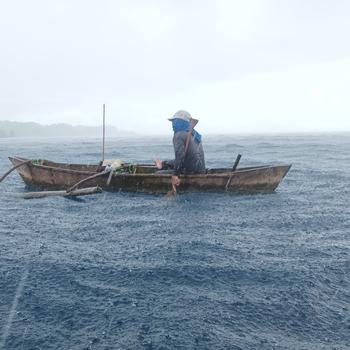
For more than 3,500 years, Peruvian fishers have relied on one remarkable type of boat to feed their families and communities. Built entirely of reeds, these vessels double as surfboards, and may have given birth to the sport itself. But overfishing and a series of sewage spills have threatened the fisher’s way of life.
Now, with the support of Conservation International, fishers are turning to ecotourism to support themselves — while keeping their traditions alive.
“I believe that by connecting surfing and the ancestral culture of these fishermen, we can find new opportunities for them,” said Daniela Amico, Conservation International-Peru’s communications lead and an avid surfer.
- Further reading: Can these fishermen save a 3,000-year tradition?
The Straits Times: Breakthrough for Indonesian scientists studying migration paths of pygmy blue whales
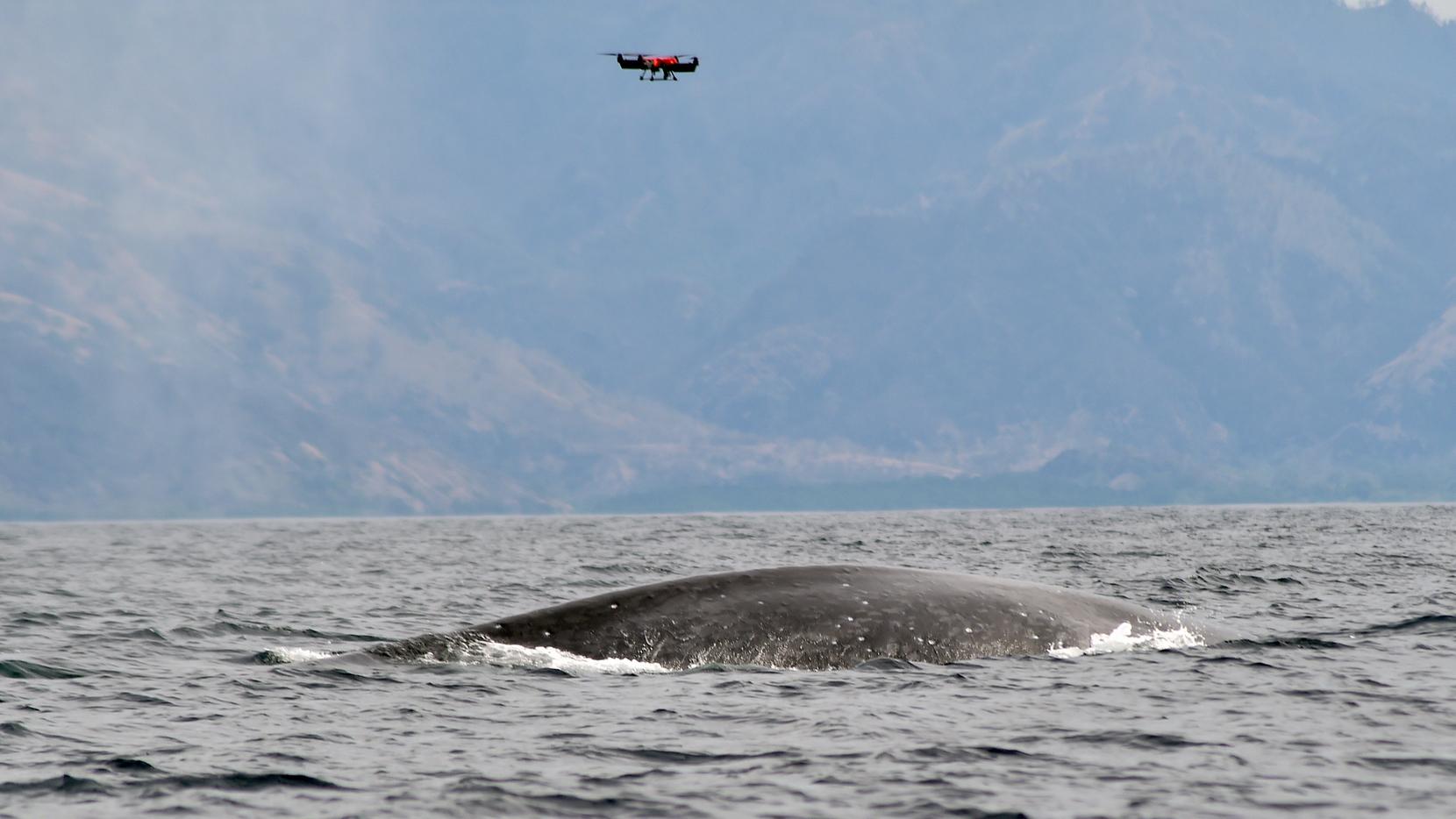
Scientists from Konservasi Indonesia — Conservation International’s local partner — are pioneering a new, humane way to study the largest animal on Earth. As industrial whaling in the 20th century nearly pushed blue whales to extinction, the pygmy blue whale — a subspecies — managed to survive in less intensively hunted waters. Now, researchers are hoping to piece together the mysteries of their migration patterns through a novel approach: using a drone to tag a blue whale in open ocean.
- Further reading: How scientists tagged a blue whale from the air
The Guardian: UK to cut climate finance to poor countries by a fifth despite promising more help and UK slashes climate aid programmes for developing countries
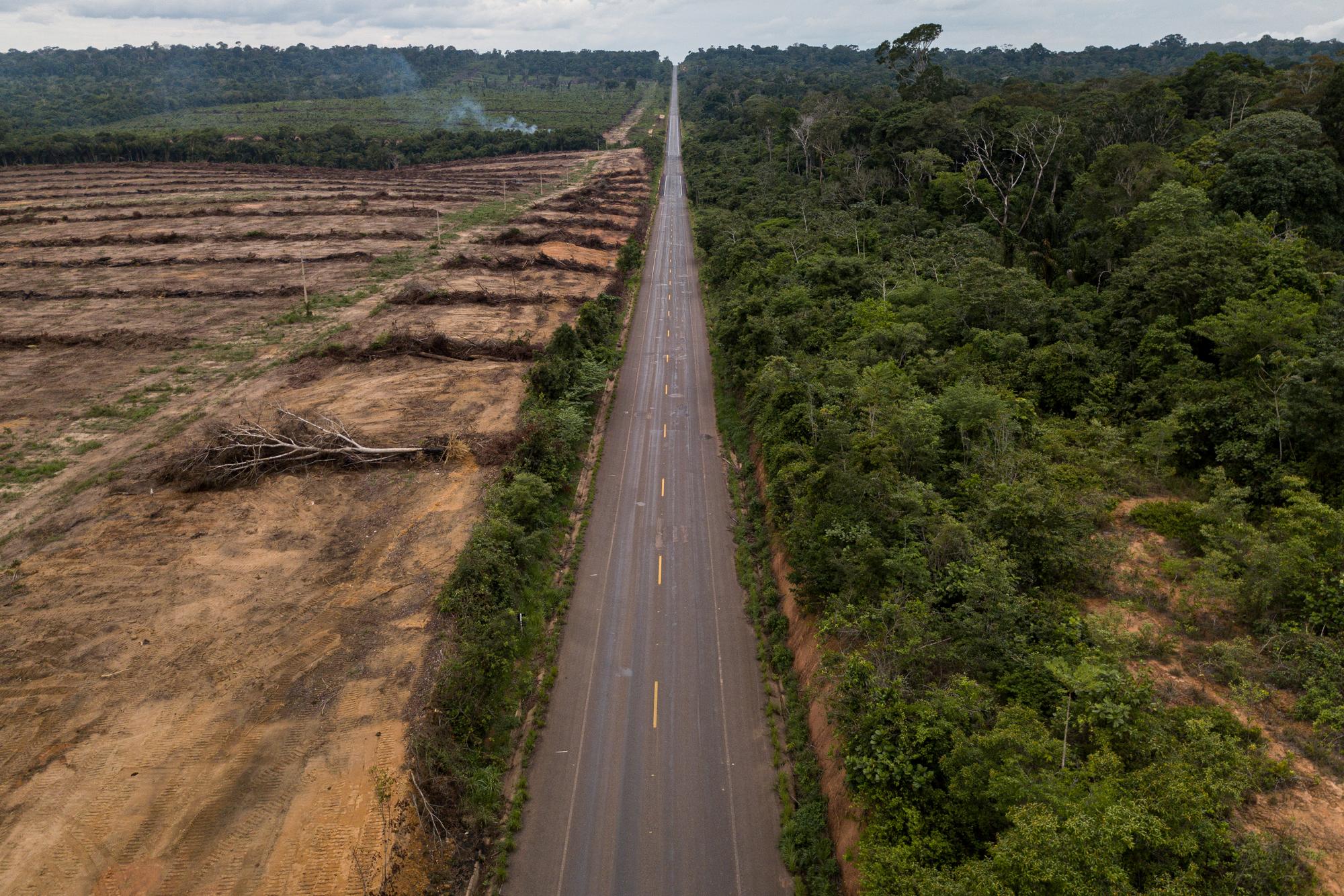
The Guardian quoted Conservation International's Jonathan Hall, managing director of Conservation International-UK, twice this month — as the paper reported on the UK government's cuts to climate finance for vulnerable countries, despite earlier promises to increase it.
"If you care about food prices, you should care about the potential collapse of the rainforests; if you care about global security, you should care about the melting of the Himalayan glaciers," he said in the first report. In the second, he added: "Polling shows protecting rainforests, oceans and wildlife is a very popular use of the UK aid budget, yet the government looks poised to drop these funding commitments, just as the Green party wins its first ever byelection."