On a small, rugged island nation nestled between Indonesia and Australia, high peaks plunge toward coastal mangroves, river deltas and warm glittering shallows — and into the domain of one of nature's most formidable predators.
Timor-Leste is crocodile country.
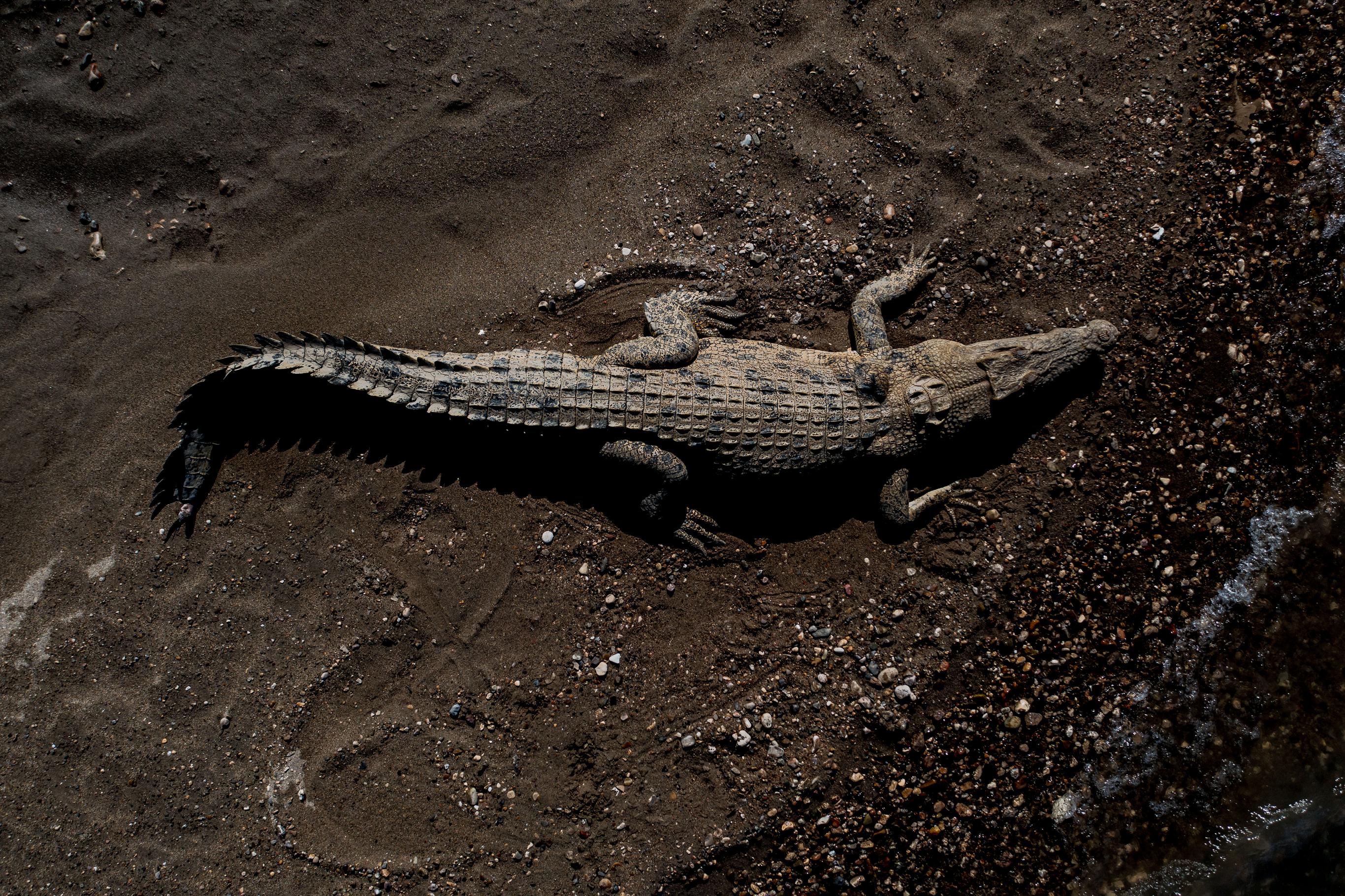
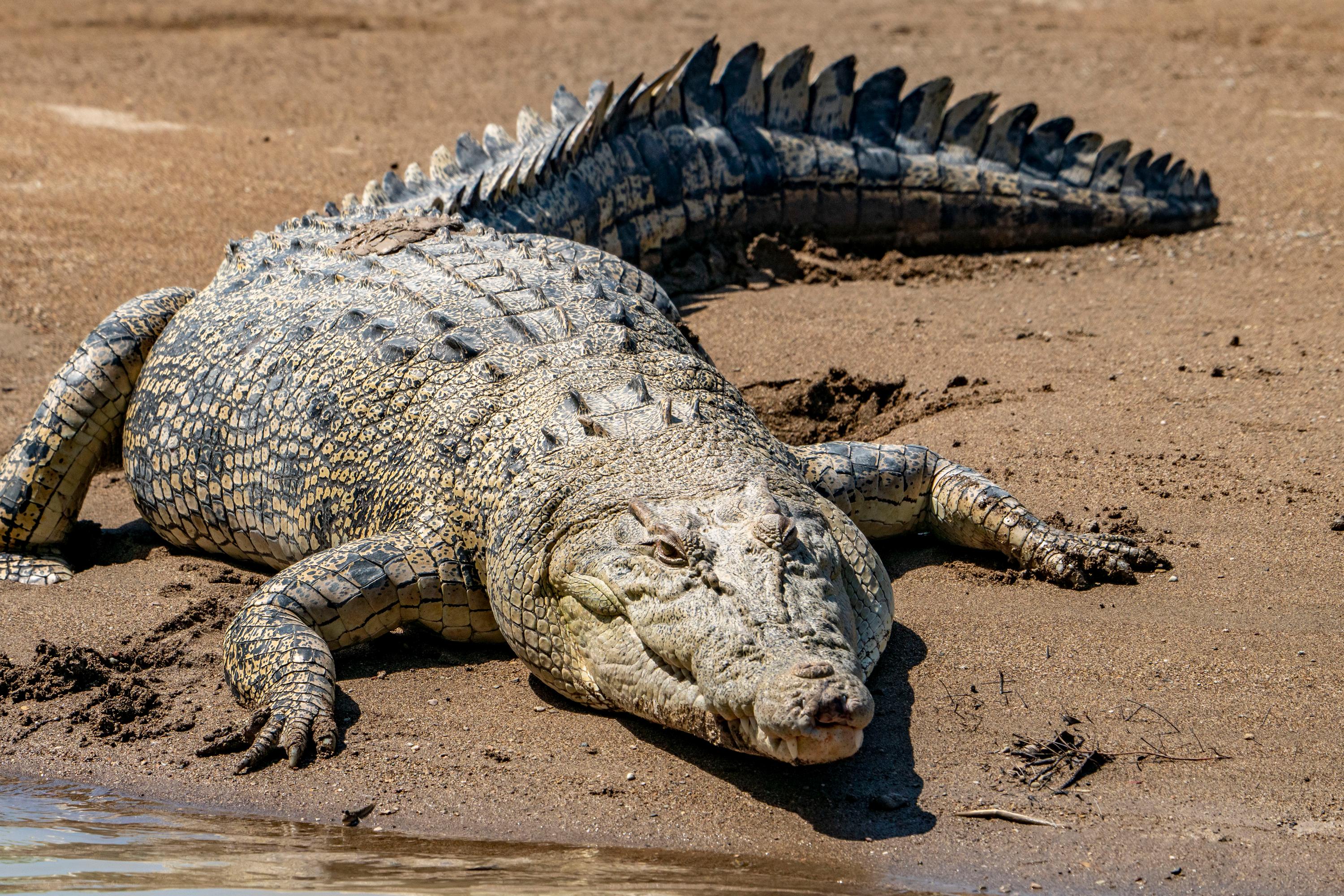
Saltwater crocodiles thrive here, lurking in brackish river mouths, gliding through coastal wetlands and basking on muddy banks baked by equatorial sun. They are the largest reptile on the planet and can live for decades.
For generations, proximity to the creature rarely felt dangerous to the people of Timor-Leste. Crocodiles weren’t something to fear — they were sacred guardians.
That relationship drew the team behind “Deadly 60” to the island. This long-running BBC wildlife series recently brought its cameras to document saltwater crocodiles up close, guided by Conservation International marine scientist Jafet Potenzo Lopes.
Yet the waterways that bind these communities to the crocodile are now also the site of a rising tide of crocodile attacks, forcing Timor-Leste to confront a painful question: What happens when your guardian becomes a threat?
Conservation News recently spoke with Potenzo to learn how Conservation International is helping communities find a path forward — one that protects both people and the sacred animals at the heart of their culture.
Conservation News: Let’s start with your experience filming alongside “Deadly 60” — give us the highlight reel.
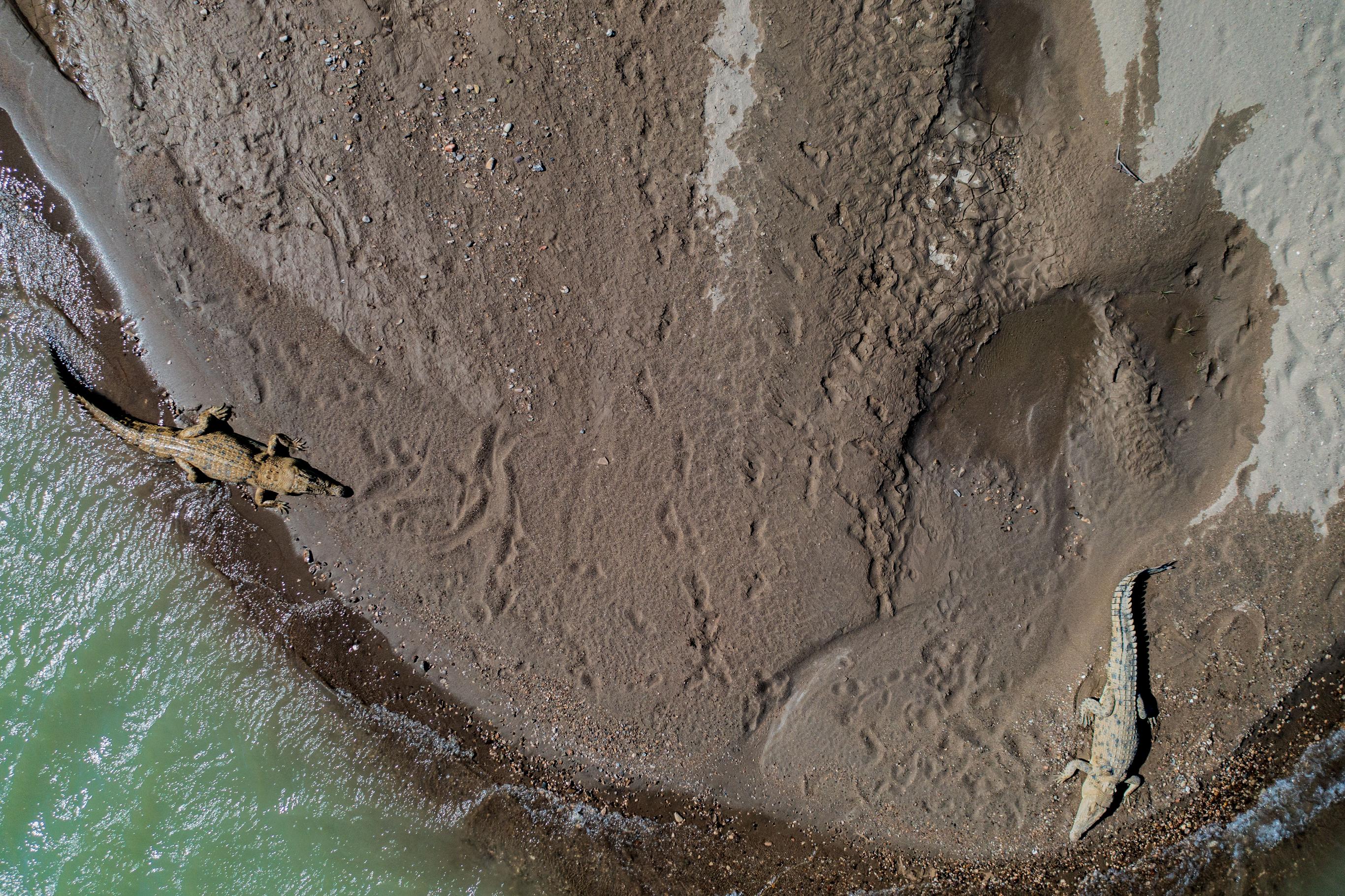
Jafet Potenzo Lopes: My job was to track down the crocodiles using a drone — finding them and monitoring their movements so the crew could get close enough for footage without putting anyone at risk. At one point the drone picks up a huge saltwater crocodile — as long as a pickup truck — just basking in crystal blue coastal waters while fishermen float by in their boats like it's the most normal thing in the world. That's the shot that stays with me — a massive crocodile, completely at ease in its habitat.
But my favorite moment of the episode is when the host Steve Backshall picks up a piece of crocodile poo I'd found while out tracking. He's handling it like a piece of clay, totally unfazed, turning it into an impromptu lesson on how crocodile’s stomach acids are strong enough to dissolve rocks. They eat rocks on purpose, as ballast, to stay weighted underwater while they wait for prey. He’s brave — that stuff smells awful.
And on a more personal note — as a Timorese, it meant a lot to see the episode give space to what crocodiles mean to our culture.
What is the relationship between the people of Timor-Leste and the crocodiles?
JPL: It is a very strong bond. According to the Timor-Leste creation story, the island was formed when a crocodile sacrificed itself for a boy so his descendants would have a home to live on. In many communities, people think of them as their protectors, even referring to them as their “grandfather.”
That deep respect can translate into a surprising lack of fear. You'll see fishermen going about their work even when a crocodile is right nearby because they trust that ancestral bond.
But that's also what makes what's happening right now so troubling. There's been an alarming rise in human-crocodile conflict in recent years.
How bad has it gotten?
JPL: It’s a very serious situation — and it's becoming increasingly controversial. In the last 20 years, Timor-Leste has recorded 173 crocodile attacks on humans. 78 of those were fatal. And the frequency has been picking up over the last decade. Just recently, three people were attacked in the same municipality within two days. We suspect the real number is even higher. The crocodiles are so revered that people are often ashamed to report attacks.
But it’s starting to shift how some locals feel. Some have even begun targeting crocodiles. It's a really complex, delicate situation.
What’s behind the increase in attacks?
JPL: There's no single answer — we're still trying to understand the full picture. But there are clues.
For one, crocodile populations have rebounded since Timor-Leste gained independence in 2002 — after decades of hunting under Portuguese and Indonesian rule had severely depleted their numbers. More crocodiles naturally mean more chances for encounters. It’s possible that attacks were common before crocodiles became a protected species more than 20 years ago, but we don’t have data to know for sure.
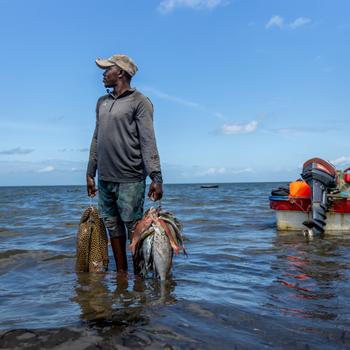
Then there's the reality of daily life here. Timor-Leste is full of rivers and coastline, where many people collect water for drinking, bathing, laundry. And entire communities depend on fishing and agriculture for their livelihoods. That kind of reliance can push people to take risks and go into waters where they know crocodiles are present because they don't have another option.
Finally, there's habitat loss and a rapidly growing human population — one of the fastest-growing in the world. As people push further into their diminishing habitat, crocodiles are showing up in places they didn't used to be. Heavy rainfall during the rainy season makes this worse, with rising water levels allowing crocodiles to move more freely into areas where people are working, gathering wood and tending livestock.
What is Conservation International doing to help?
JPL: Education is one of our most powerful tools. If people understand where and when attacks are more likely to happen, they can make smarter decisions about where to go — and where to avoid.
Through a project funded by the Global Environment Facility, we're gathering as much data as we can from incident reports and drone imaging to help predict where attacks are most likely to occur. The problem is that data on attacks has historically been scattered and fragmented. So we're working closely with communities and hospitals to piece together a clearer picture, and to improve the response when someone is attacked. From that data, we can build maps of crocodile hotspots — where they nest, where they bask — and use that to establish no-fishing zones and other safety boundaries.
We're also focused on restoring the wetland ecosystem more broadly. Slash and burn agriculture and other human activities have degraded crocodile habitat, which is likely pushing them closer to people as they search for new territory. Protecting people and protecting the ecosystem aren’t as separate as they might seem.
For many Timorese, these animals are woven into the origin of this place — ancestrally, spiritually. How do you protect people without threatening that relationship?
JPL: We think about this constantly. The connection Timorese people feel with crocodiles is one of our greatest conservation assets — that reverence has protected the species for generations.
But we also can't ignore that people are getting hurt. And when that happens, the bond is going to start to fray.
We need to bring communities into our work early. Where boundaries are, how to manage conflict — these are not decisions we can make unilaterally for people. Local knowledge is everything — the people know their waterways, the animals and the risks better than anyone.
What we're trying to avoid is a situation where mounting attacks push communities to turn on the crocodiles entirely — where fear overtakes everything that came before it. Because once that reverence is gone, it's very hard to get back. And without it, the crocodile loses a powerful protector.
It's a delicate balance. But if people feel heard, if they feel like conservation is working for them and not just for the crocodile, we have the chance to get this right.