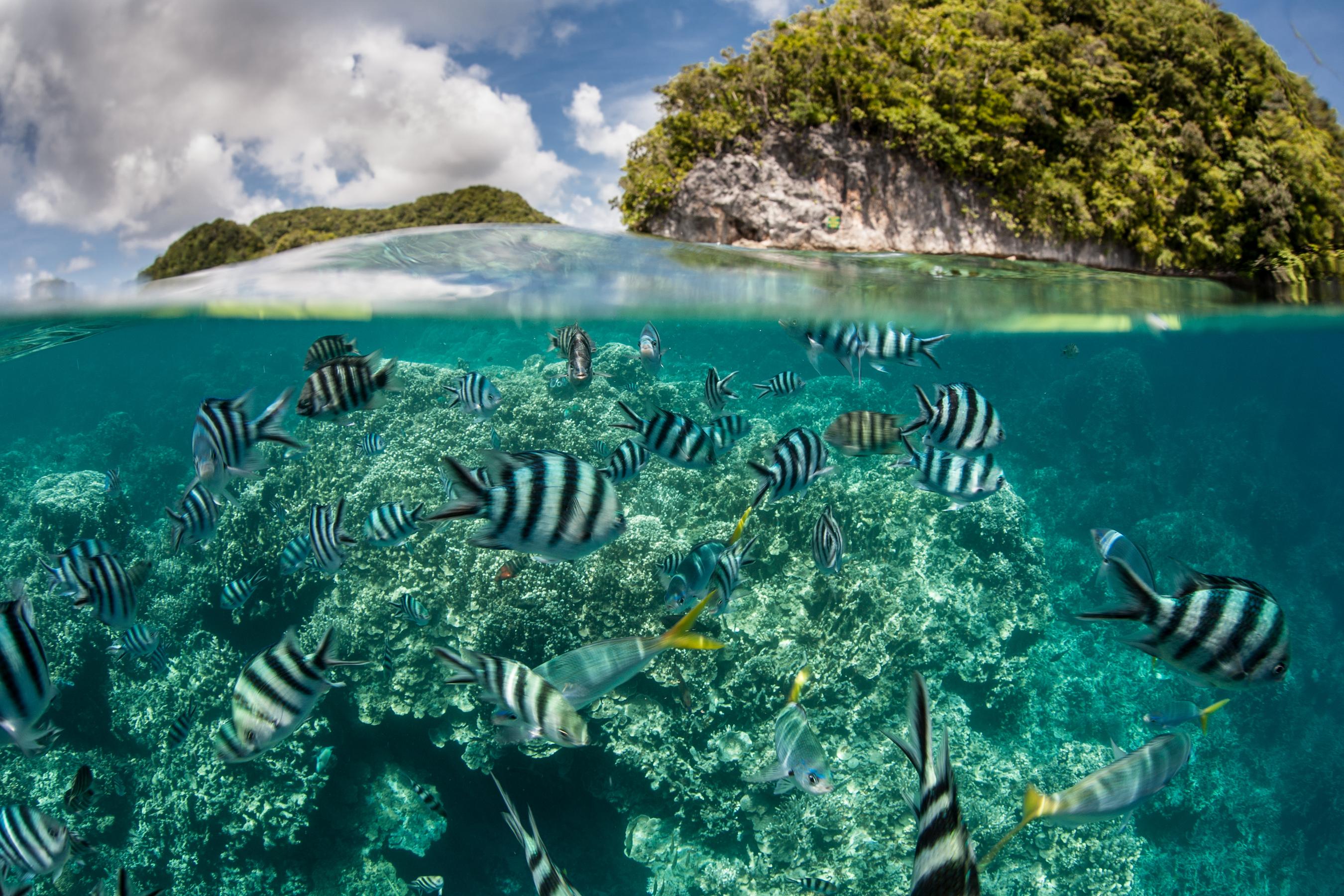
Creating lasting change for our oceans and the communities that depend on them
From providing food and livelihoods for millions of people, to absorbing the shocks of a changing climate, oceans are essential to the health, resilience and well-being of all life on Earth. Yet, growing pressures — including overexploitation, pollution and climate change — are degrading marine and coastal ecosystems and increasing the vulnerability of communities worldwide.
30 percent of the world’s ocean must be protected by 2030 to prevent mass extinctions and maintain ecosystem function. Simultaneously, the entire ocean must be responsibly and equitably managed to support sustainable economies, maintain food security, and preserve the livelihoods and culture of ocean-reliant communities.
Protecting and restoring the ocean is a matter of survival, equity and climate justice. Now is the time to secure a new future for the world’s ocean — and all who depend on it.
25%
of carbon dioxide emissions are absorbed by the ocean
600M
people depend on fisheries and aquaculture for their livelihoods
US $2.6T
in economic value is generated by the ocean every year
40%
of people rely on seafood as a daily source of protein
What we do
Conservation International’s Center for Oceans conserves marine biodiversity and ecosystems to protect their ecological, social and economic benefits for people and nature.
To meet the ocean’s most urgent problems, we drive scientific innovation, build strong strategic partnerships, and above all, prioritize social equity and the interests of the communities with which we work.
Our pillars
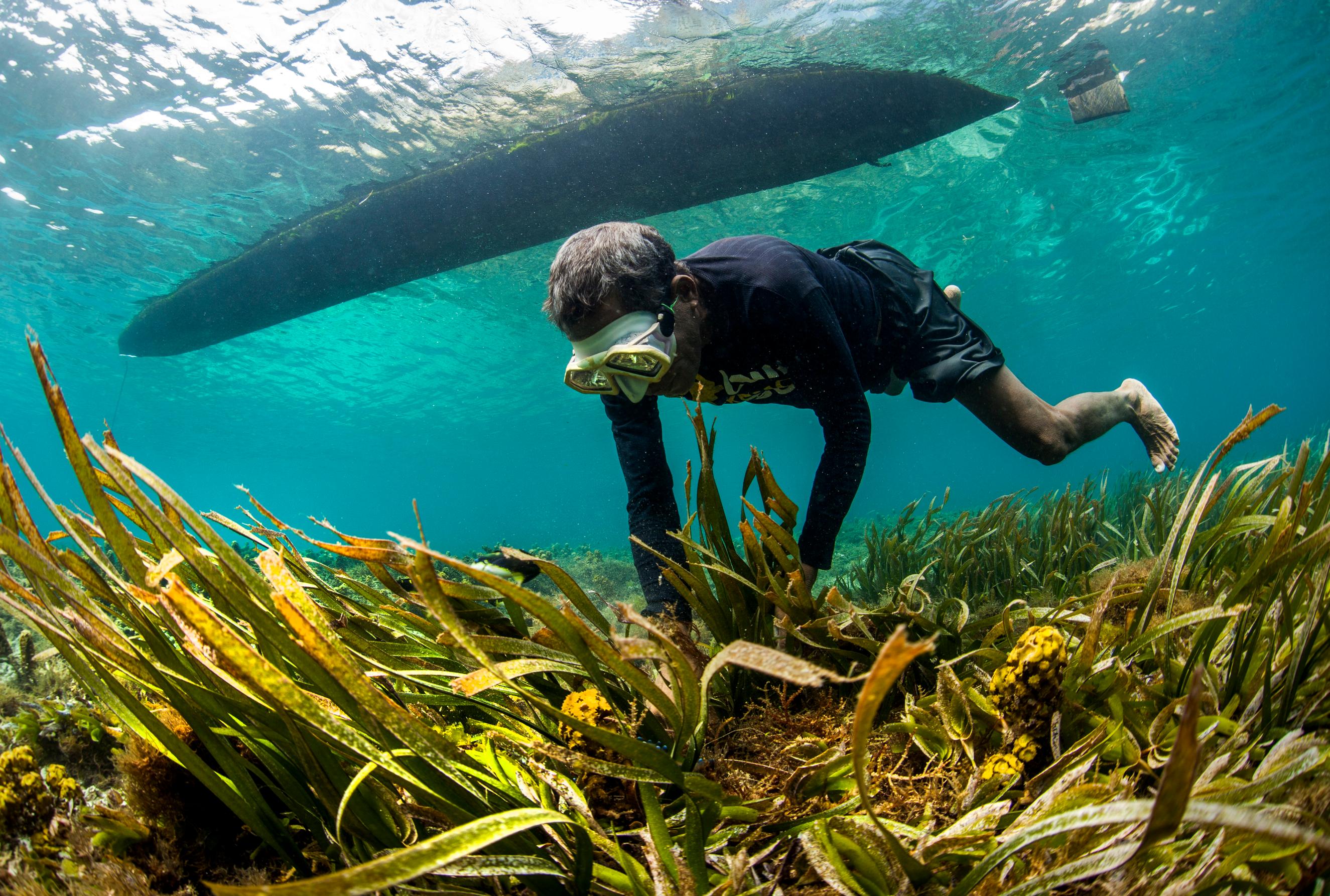
Protecting marine and coastal ecosystems
At the heart of ocean conservation lies a simple but urgent truth: we must protect what remains before it is lost. Conservation International works to protect ecologically and culturally significant marine ecosystems before their degradation becomes irreversible. From coastal waters to the high seas, we support the creation, expansion and effective management of marine protected areas, with an emphasis on Indigenous- and community-led conservation.
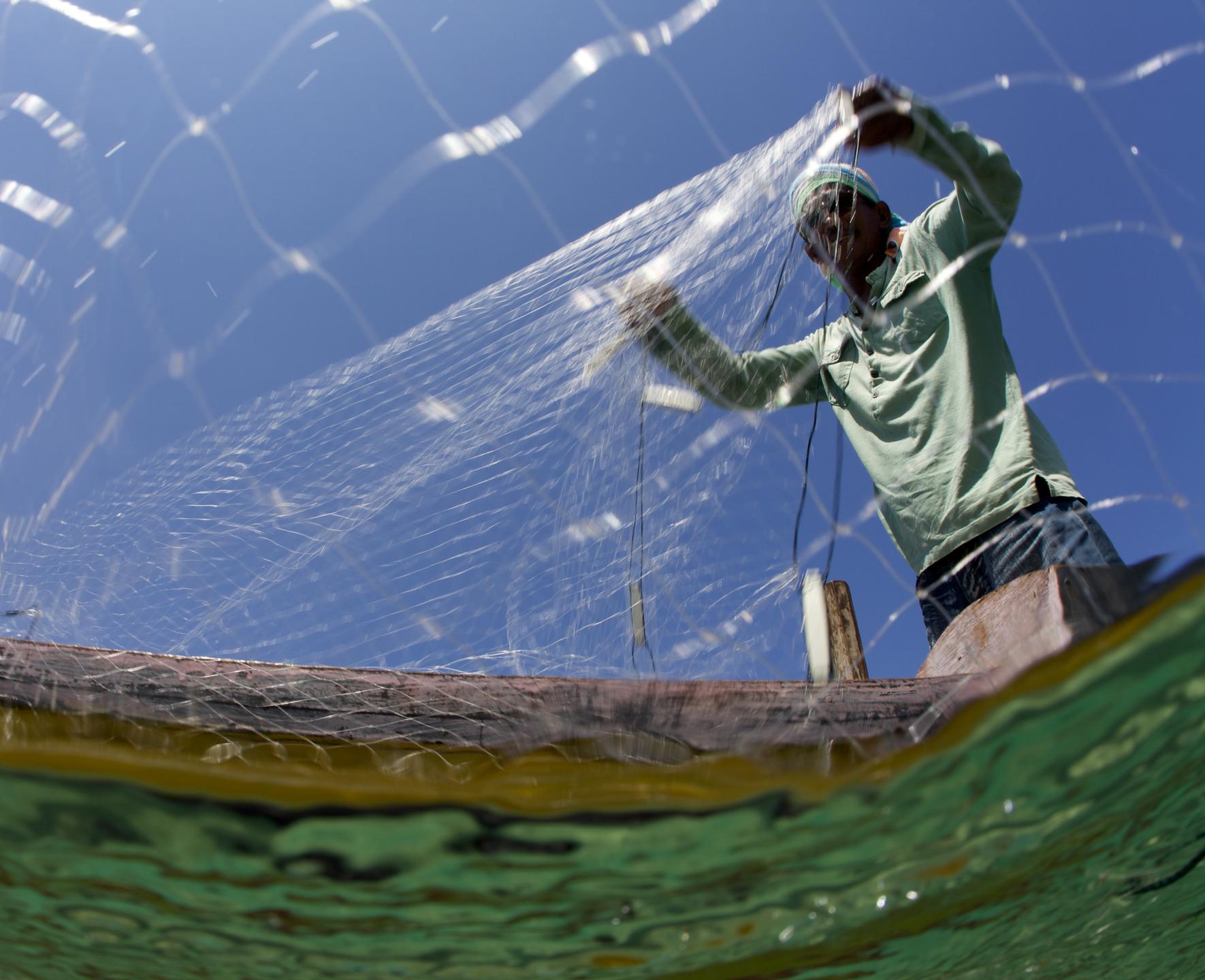
Promoting sustainable fisheries
Fisheries feed billions, employ tens of millions and serve as cultural lifelines for coastal communities. Yet many remain poorly governed. A more sustainable ocean starts with how fishing is managed — and by whom. Conservation International works alongside coastal communities to reform the rules, institutions and practices that determine who can fish, how much, where and how those decisions get made and enforced. We support policies and solutions that uphold human rights, increase accountability, center local and Indigenous leadership, and ensure long-term ecological health.
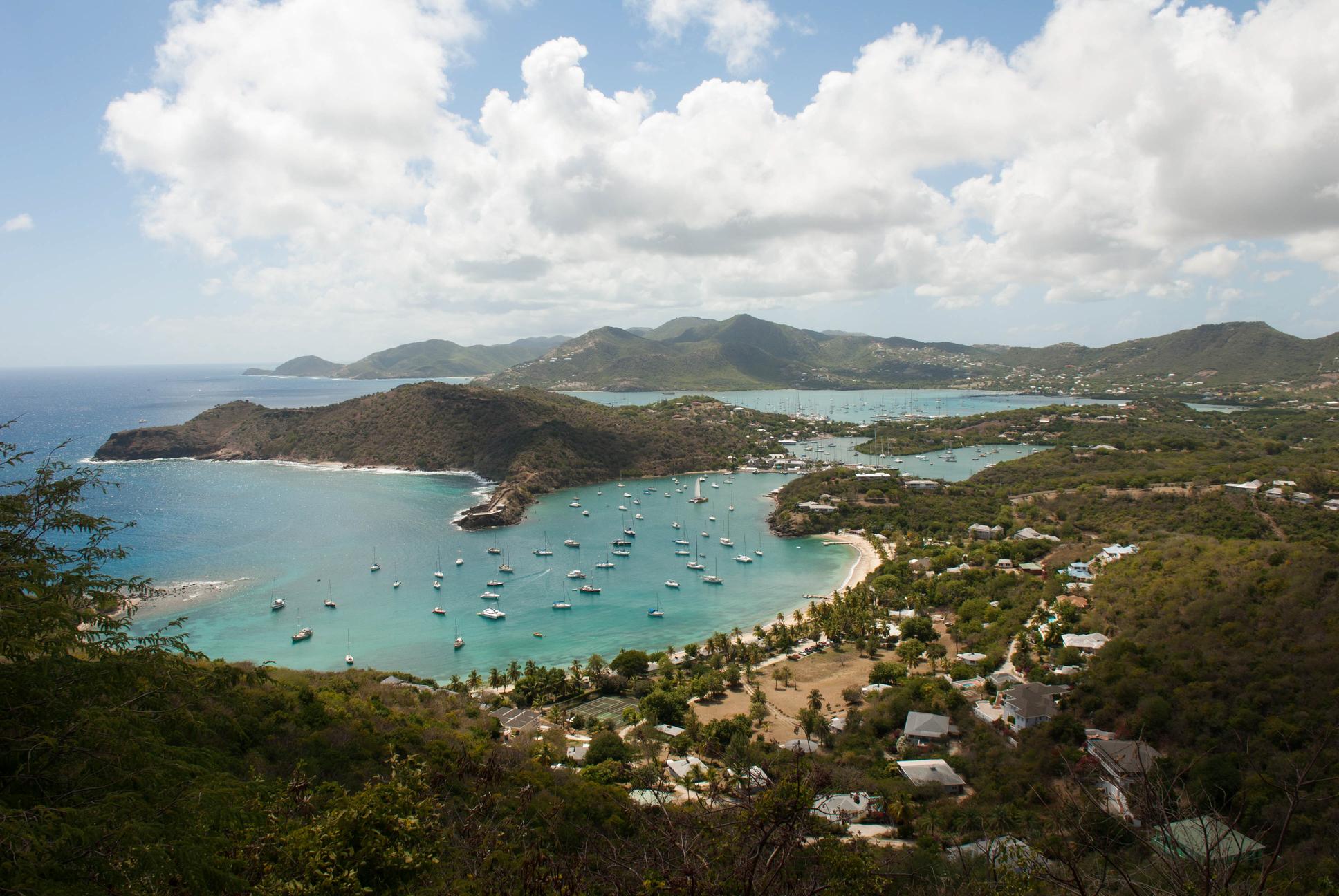
Conserving and restoring coastal ecosystems
Approximately 900 million people live in low-lying coastal zones, and that number is expected to increase to one billion by 2050. Blue carbon ecosystems (mangroves, seagrasses and saltmarshes) are critical for coastal protection, climate resilience and livelihoods. Conservation International works with policymakers, engineers, scientists and other relevant stakeholders to direct climate investment toward the conservation and restoration of coastal and marine ecosystems.
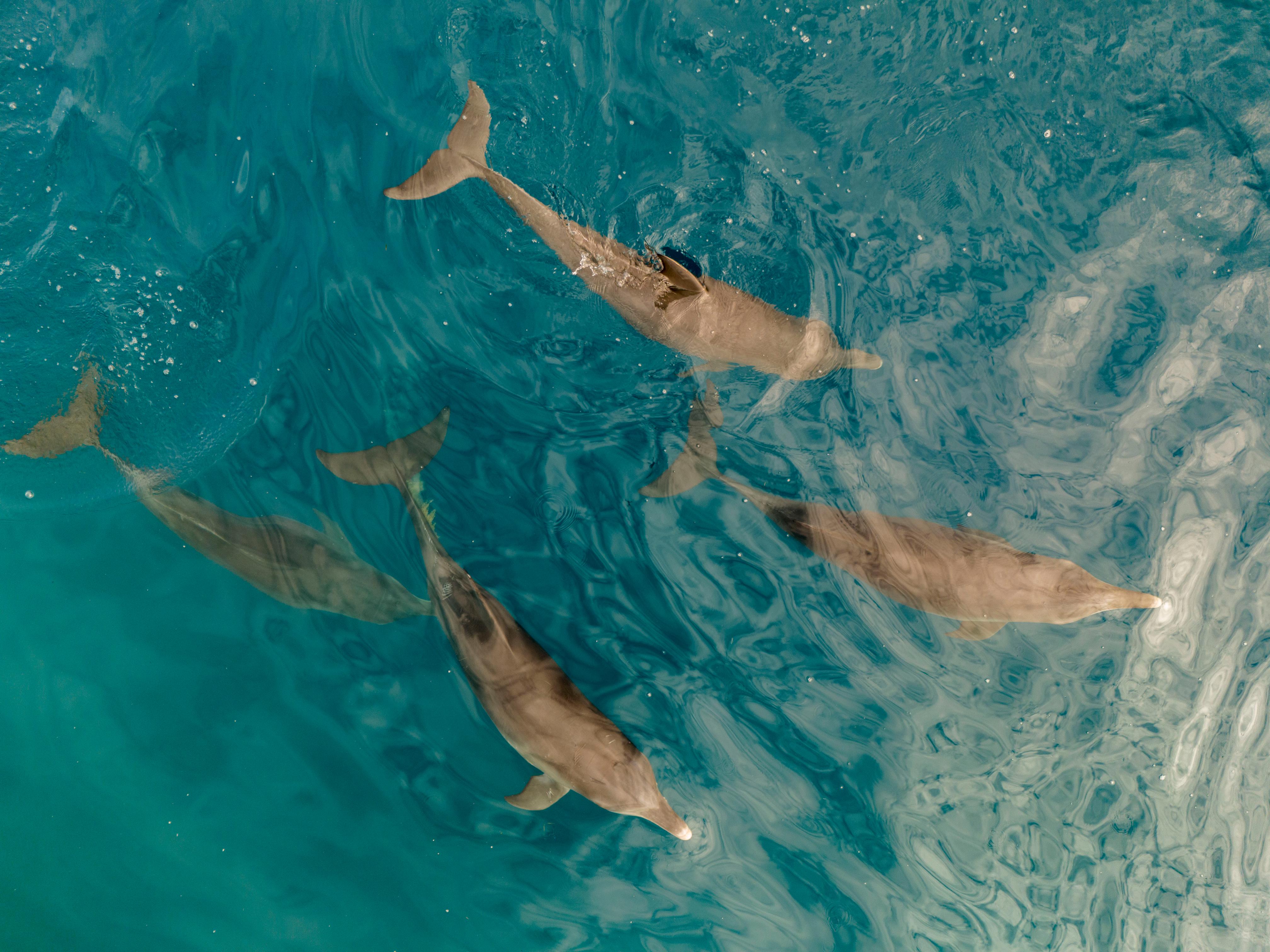
Pushing the boundaries of ocean conservation
Meeting today’s challenges requires more than repeating past success. Some of the most powerful ideas in ocean conservation haven't been tried yet. Conservation International identifies promising concepts early, tests them in the real world, and backs the ones with the potential to last — taking calculated risks on unproven ideas so that larger investments can follow.
How we do it
Building capacity and supporting local organizations
Conservation International is making critical investments in local partner organizations and governments that are protecting our oceans — in many cases using the direct experiences of local communities and Indigenous Peoples who live closest to nature.
Social equity, justice and economic opportunity
Promoting the rights of the people where we work is central to how we design our work and pursue partnership — and we know it leads to better, more durable outcomes for people and nature.
Partners — big and small, public and private
Working together is the best way to achieve the pace and scale of impact needed. We build and maintain purpose-driven, trusted partnerships with shared goals and complementary approaches.
Integrated program design
Our solutions must be as adaptable and multi-faceted as the problems facing our oceans today. To ensure durable impact, we conduct research and deploy programming that cuts across the traditionally siloed priorities of ocean conservation, sustainable fisheries management, equity and justice and climate change mitigation and adaptation.
Team members working locally and globally
Our 40+ person team is dedicated to advancing ocean conservation both abroad and in their home countries. Through our hubs in Washington D.C., California, Hawai‘i, Singapore and New Zealand, the Center for Oceans works with a global network of partners to enable strategic program design and the delivery of tangible impacts.
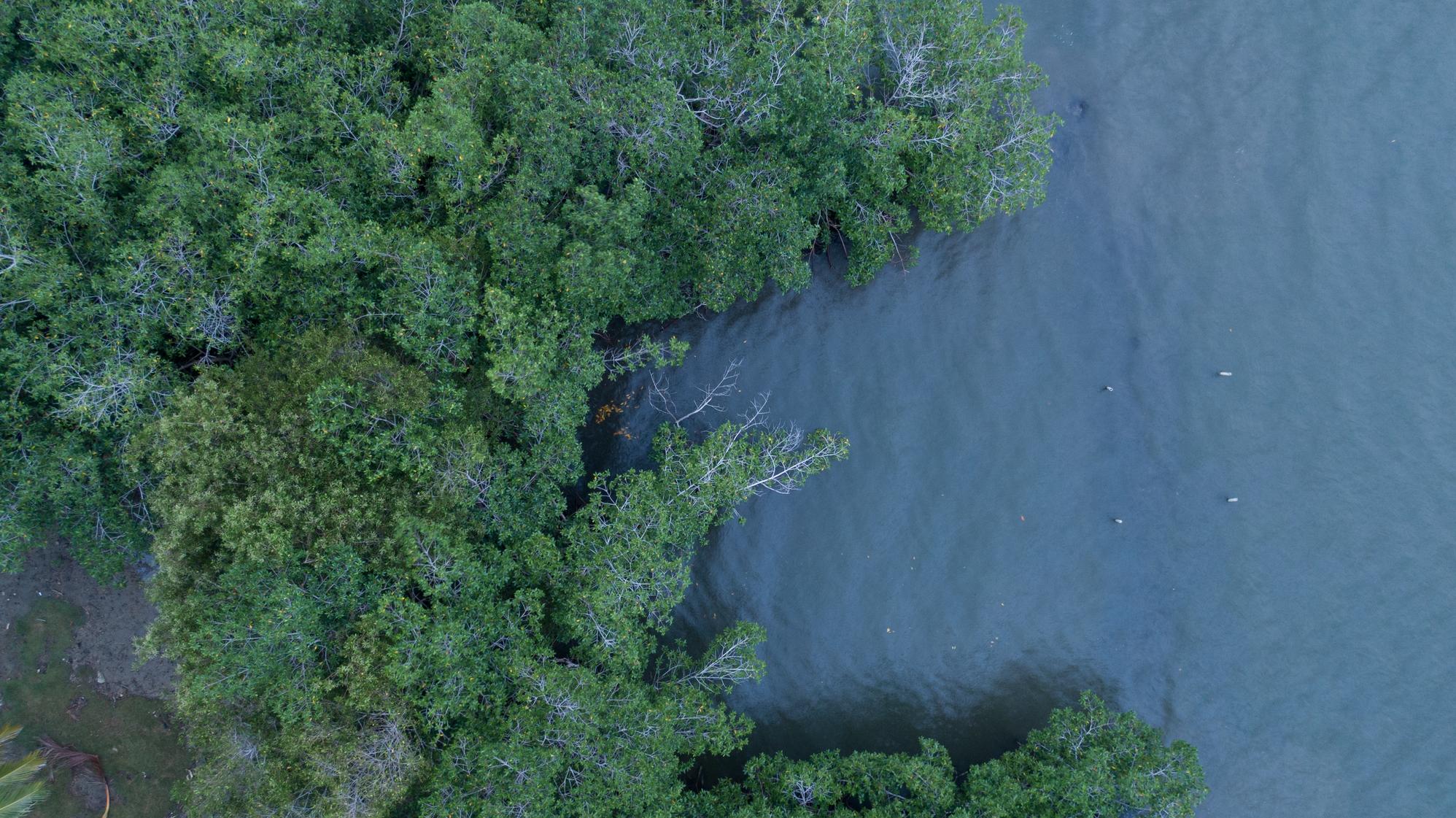
The International Blue Carbon Institute
How Conservation International is scaling global blue carbon action.
By the Numbers
45
TEAM MEMBERS
in the Center for Oceans
100+
COUNTRIES
where we work, spanning all five ocean basins
2000+
ORGANIZATIONS
with which the Center for Oceans partners
9.1M
SQUARE KILOMETERS
of new and improved marine protections since 2019
5M
SQUARE KILOMETERS
where we are working to improve fisheries and aquaculture management
Our Leadership
Ashleigh McGovern
Senior Vice President, Center for Oceans
Emily Pidgeon, Ph.D.
Vice President, Ocean Science and Innovation