Definitions
What are debt-for-nature swaps?
A debt-for-nature swap reduces a developing nation's foreign debt in exchange for that country's commitment to fund local environmental conservation. Conservation International helped pioneer the approach back in 1987, trading US$ 650,000 of Bolivia's debt for the protection of a swath of Amazon rainforest that remains safeguarded nearly 40 years later. What began as a radical, untested idea has since become one of conservation finance's most enduring tools.
Debt-for-nature swaps were born out of crisis. In the 1980s, heavily indebted countries across Latin America were cutting environmental budgets and depleting natural resources just to keep up with loan payments — a dynamic that threatened some of the planet's most biodiverse places. In 1984, ecologist Thomas Lovejoy, later a Conservation International board member, proposed a fix: let indebted nations write off a portion of what they owed in exchange for binding commitments to protect nature.
Since that first deal, debt-for-nature swaps have become a mainstay of global conservation finance, with more than 140 agreements struck globally — spanning from the Amazon rainforest to coral reefs. They now take several forms: bilateral swaps between two governments, such as those enabled by the U.S. Tropical Forest and Coral Reef Conservation Act; three-party swaps, in which a conservation organization purchases discounted debt on the secondary market and redirects it to conservation; and, more recently, large market-based debt conversions — sometimes called "blue bonds" — that refinance a country's commercial debt on better terms in exchange for marine or forest protection commitments.
Why are debt-for-nature swaps important?
Debt and nature destruction are more connected than they might seem. Countries carrying heavy debt loads often face pressure to log, mine or overfish their way to short-term revenue, even when it undermines the ecosystems their economies and communities ultimately depend on. Closing that gap takes real money — currently there’s a US$ 700 billion a year funding gap for nature. Debt-for-nature swaps are one of the few tools that address both problems at once — freeing up a country's finances while directing new, durable funding toward the ecosystems it can't afford to lose.
What makes debt-for-nature swaps effective?
Science-based
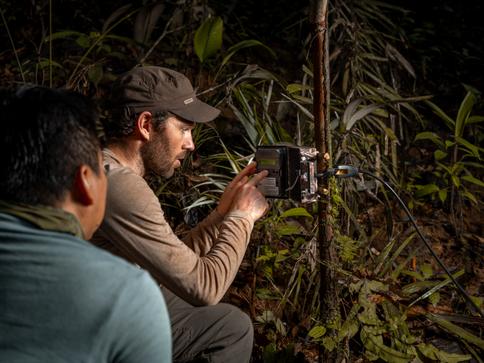
Every swap is built around a defined conservation outcome — a protected watershed, a coral reef system, a habitat corridor — identified through scientific assessment and monitored over the life of the agreement.
Tested and scalable
What began as a US$ 650,000 experiment in Bolivia helped launch a mechanism that, according to a U.S. Congressional Research Service report, had reduced more than US$ 1 billion in developing-country debt and generated hundreds of millions of dollars for conservation — proof that a small pilot can become a global model.
Built to last
Debt-for-nature agreements typically direct funding over a decade or more — sometimes into permanent endowments — giving conservation programs the runway that short-term grants rarely can.
There's a growing recognition that many countries that would like to support conservation can't because of financial constraints, including burdensome debt. Debt-for-nature swaps give them that chance … Finance is the linchpin for climate and biodiversity action — [these] swaps boost that pool of funds and open the door to conservation that wouldn't have been possible otherwise.”
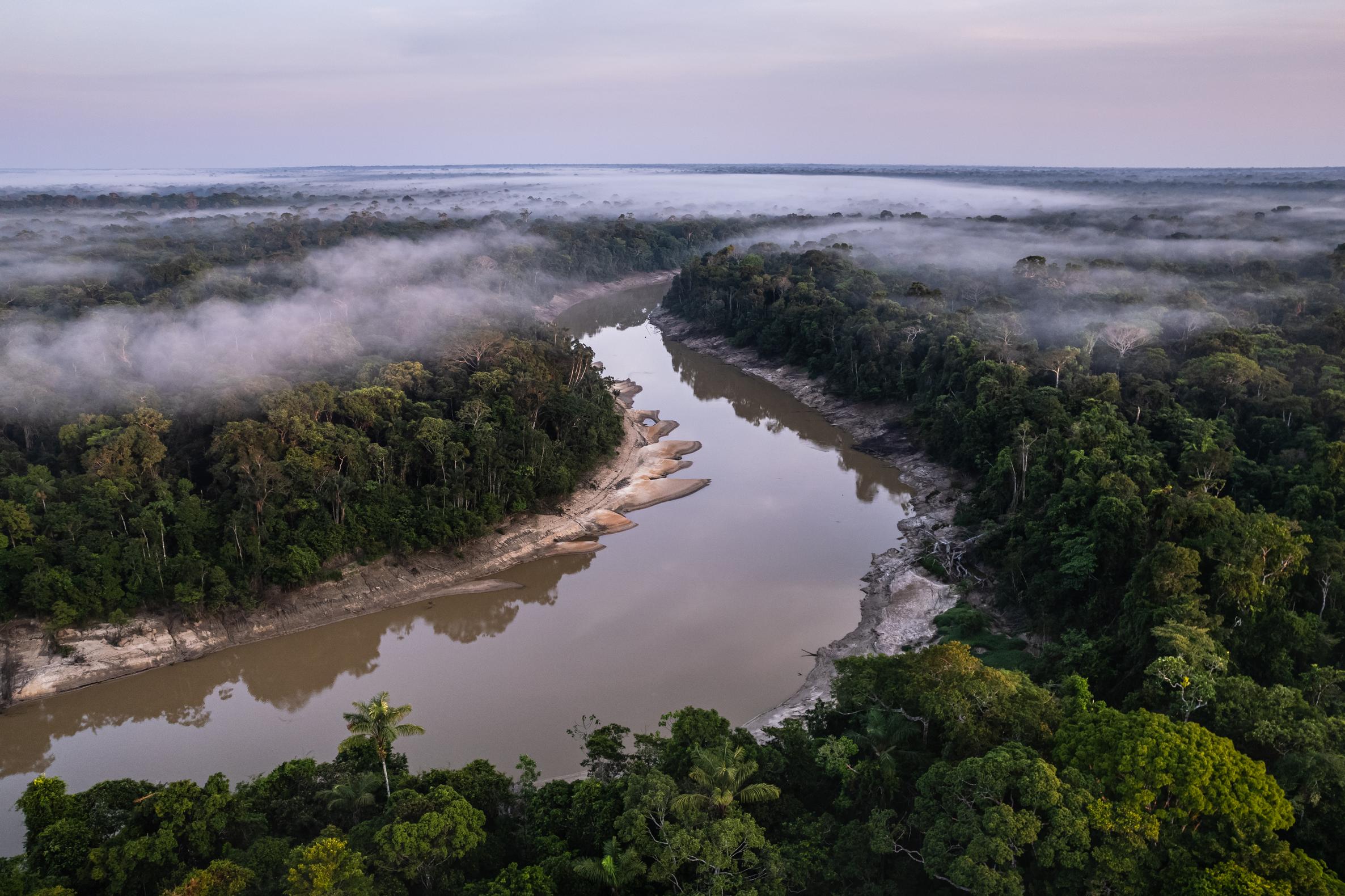
On the ground
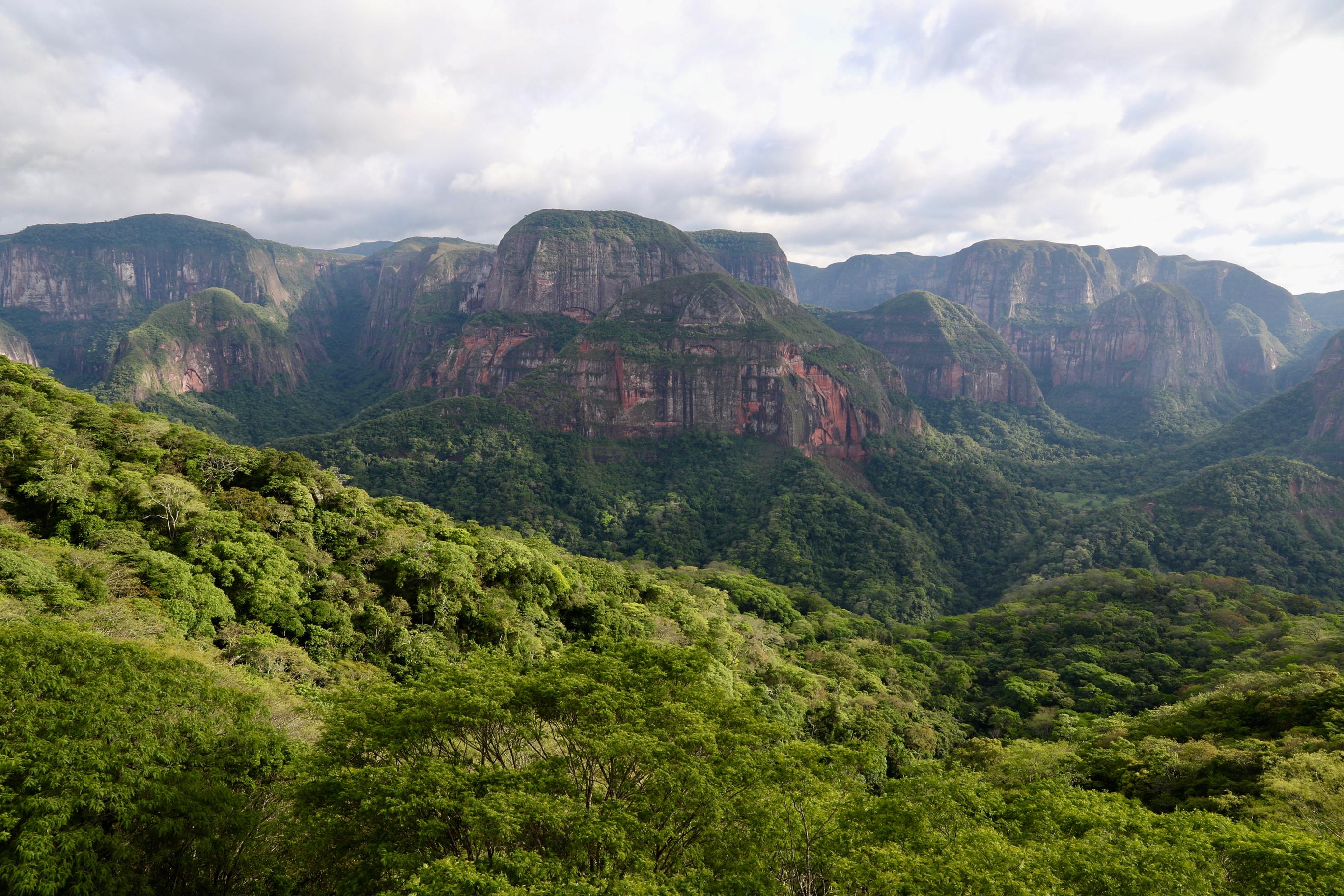
Bolivia, 1987
(Conservation International)
Conservation International's first-ever debt-for-nature swap protected 1.6 million hectares of Bolivian Amazon rainforest — habitat that remains protected nearly 40 years later.
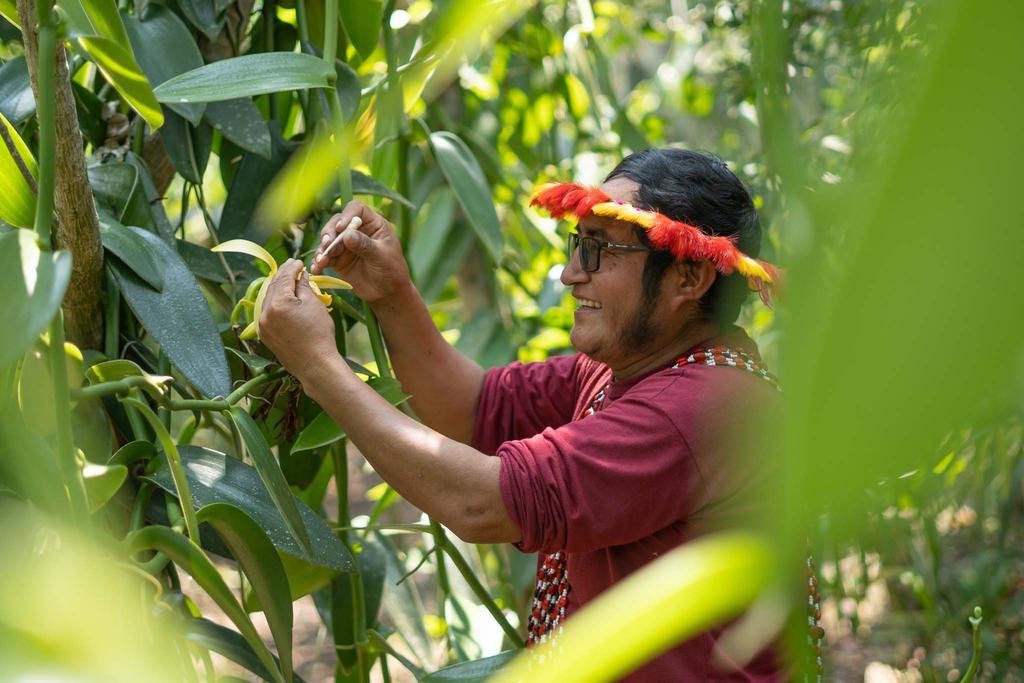
Peru, 2023
(Conservation International)
A US$ 20 million debt swap between the United States and Peru, with US$ 3 million in combined support from Conservation International and partner organizations, is funding new protected areas and stronger livelihoods for Indigenous communities across three priority regions of the Peruvian Amazon.
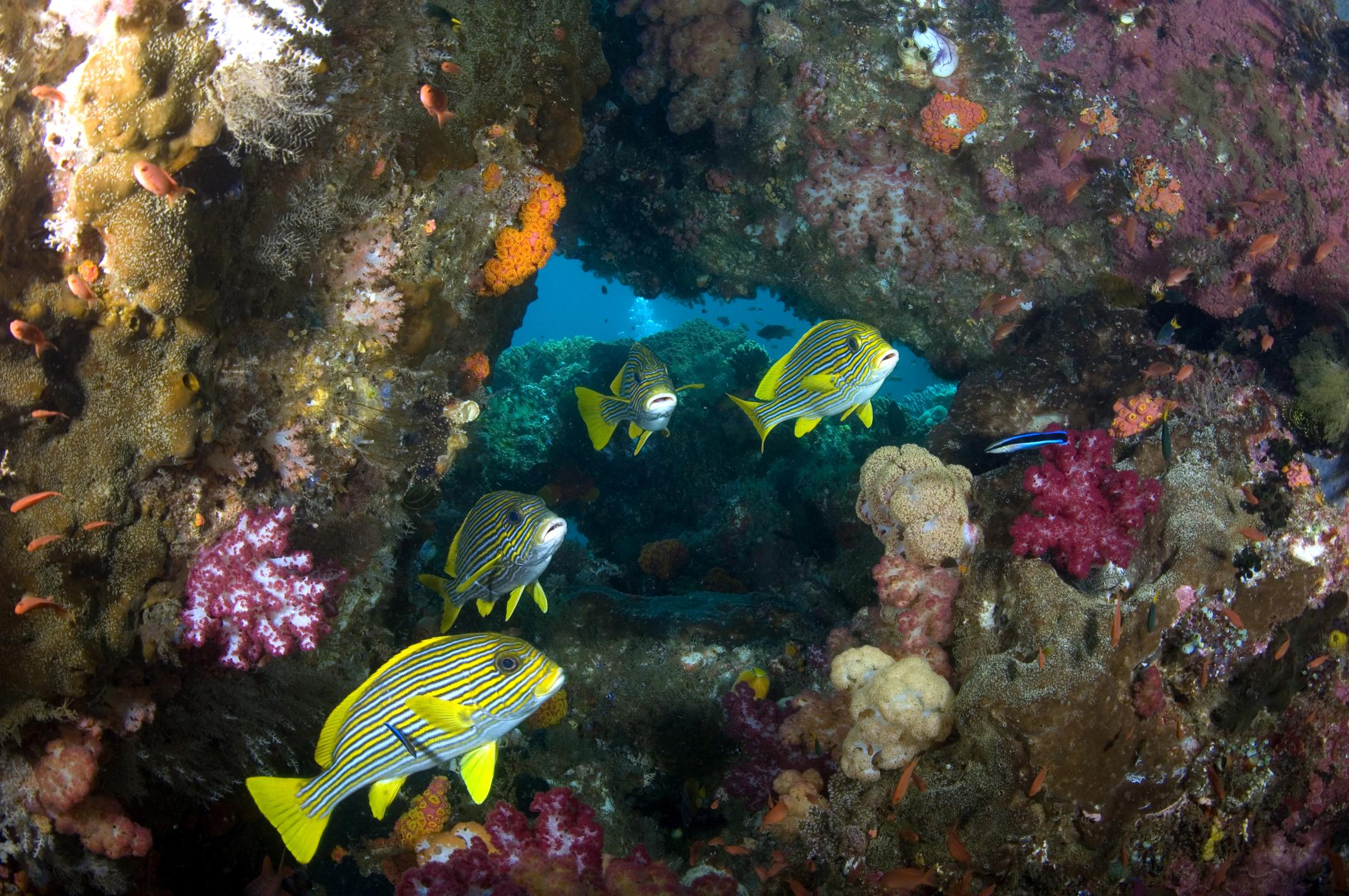
Indonesia, 2024-2025
(Conservation International)
A US$ 35 million swap between the U.S. and Indonesia, with US$ 3 million in support from Conservation International, is now funding the restoration of coral reefs in the Bird's Head and Lesser Sunda–Banda seascapes — Bird's Head seascape alone is .
Multiply Your Impact

Your support reaches further than you think.
Every private donation helps unlock additional funding from governments, foundations, and institutional partners — multiplying impact by up to 300%