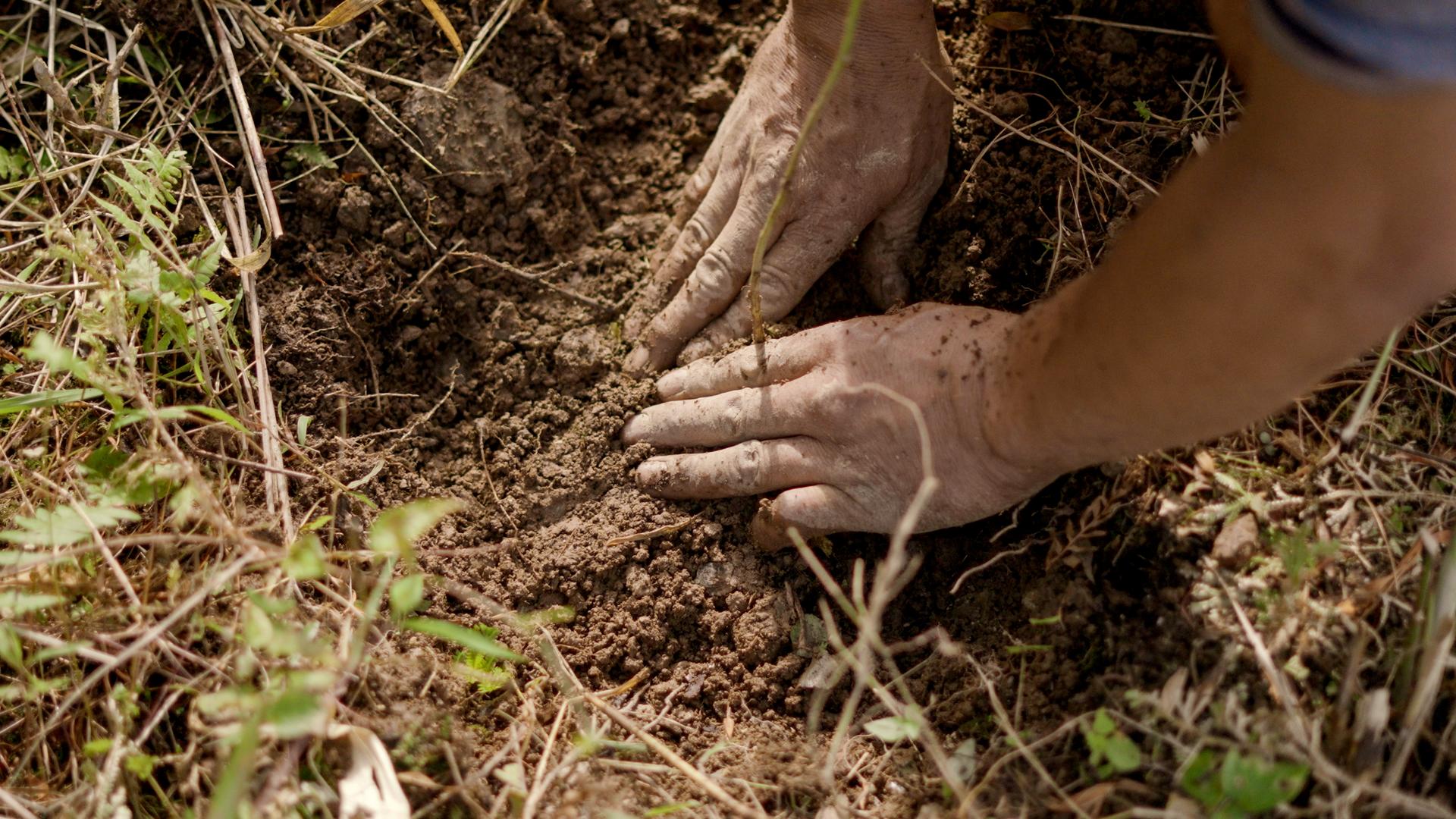
The air we breathe, the water we drink and the food we grow all depend on nature.
The air we breathe, the water we drink and the food we grow all depend on nature.
Conservation is the work of protecting and restoring the forests, grasslands, coral reefs, oceans and other ecosystems that make human life possible.
Science drives Conservation International’s efforts, which focuses on conserving nature for people. We rely on the knowledge of the communities who depend on nature for their food, water and livelihoods, especially the Indigenous Peoples who steward more than a quarter of the world's land.
At its most effective, conservation is not something done to a landscape but rather a partnership with the people who most immediately rely on that nature. When nature thrives, people do, too.
What are the different types of conservation?
Habitat conservation
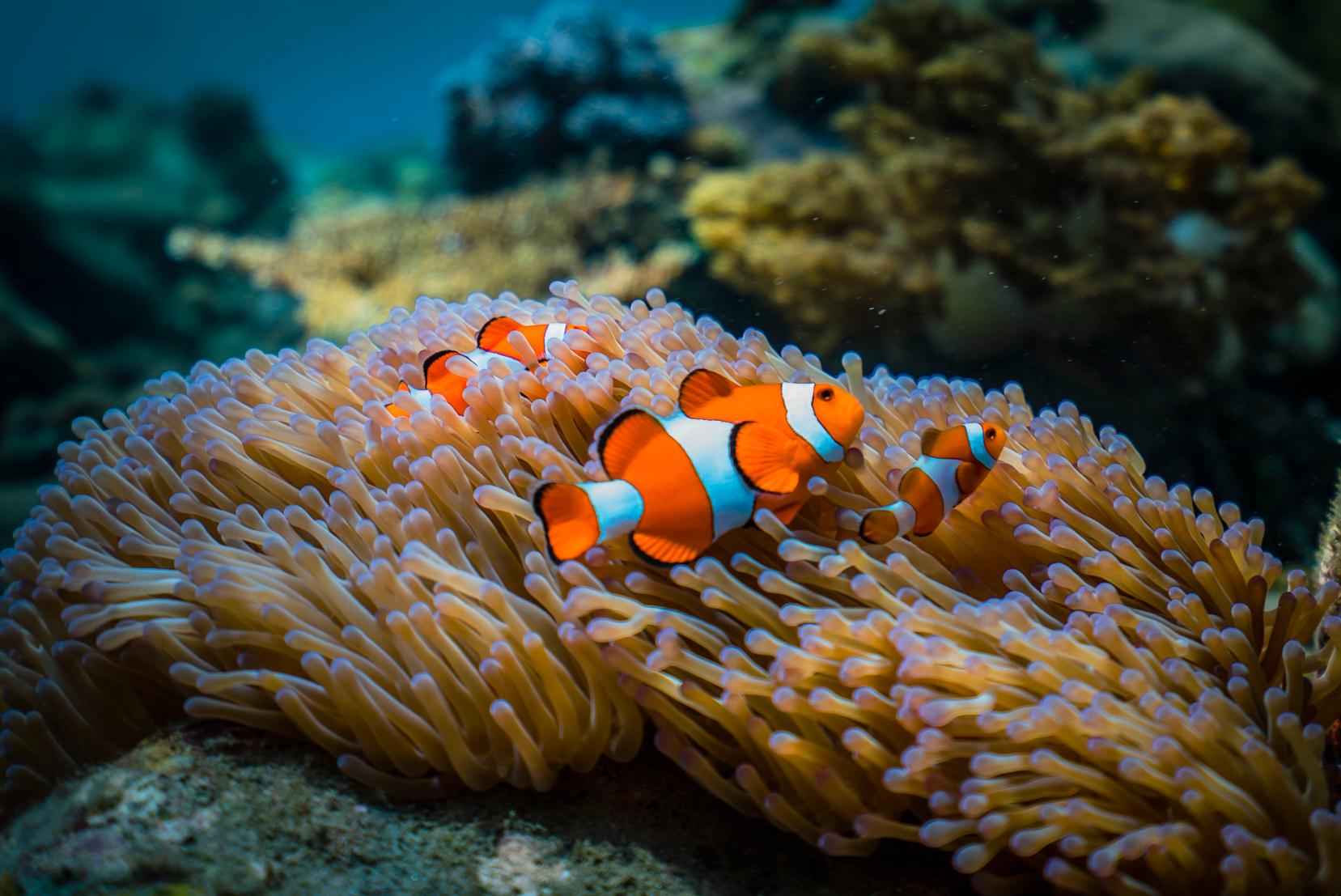
Habitat conservation is the protection and restoration of the ecosystems that wildlife depends on, including forests, grasslands, wetlands, coral reefs, mangroves, and the open ocean.
Conserving biodiverse ecosystems can help keep them functioning in ways that benefit humanity — absorbing carbon, purifying water, buffering coastlines from storms, and sustaining communities that live within and around them. Scientists and conservationists broadly agree that we need, at a minimum, to protect 30 percent of the world's land and sea by 2030 to prevent widespread extinctions and stabilize the natural systems that support human life.
Species conservation
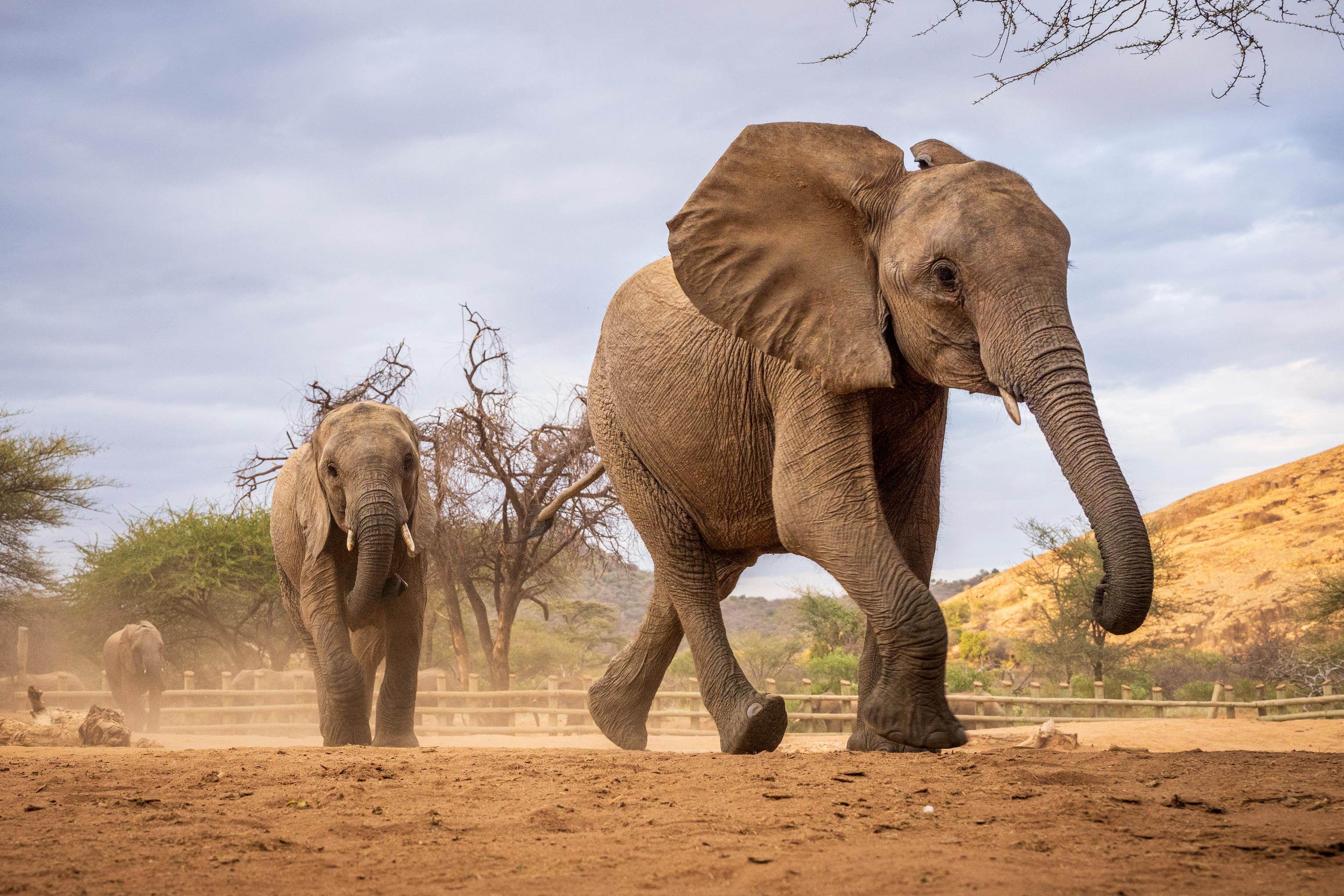
Species conservation protects the plants and animals that make ecosystems work, from keystone predators like wolves or jaguars to the tiniest creatures living in our soil.
Species conservation and habitat conservation go hand in hand — without a healthy ecosystem to live in, species will remain threatened. When we focus on species conservation, we aren’t just preventing extinction, though that urgency is real, we are maintaining the web of relationships between species that keeps habitats resilient and productive. This work ranges from monitoring endangered populations using monitoring cameras and environmental DNA (eDNA) to policy work that stops overfishing to community-led ecotourism programs.
Nature-based climate conservation
Nature-based climate conservation happens when we use nature itself to address climate change, especially to absorb and store planet-warming carbon.
Tropical forests, mangroves and peatlands are particularly efficient at absorbing and storing carbon, making their protection a proven, cost-effective strategy for slowing climate change. Moreover, when we destroy them we contribute dramatically to climate change.
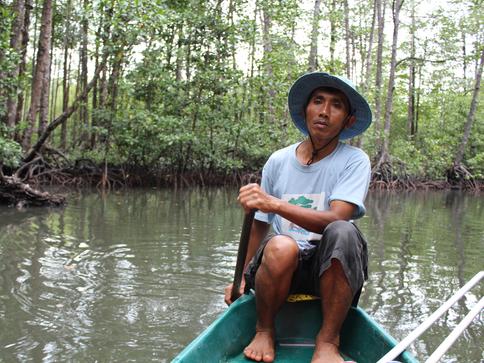
The ocean plays an equally critical role: the water itself absorbs nearly a third of all the carbon dioxide in the atmosphere, while coastal ecosystems — mangroves, seagrasses, and tidal marshes — lock away additional carbon in their roots and soils, sometimes for millennia. Mangroves also shield coastlines from rising seas and intensifying storms.
Relying on nature will also help us reduce the amount of time the world spends in what we call “overshoot,” or the period of warming that exceeds the world’s goal of 1.5 degrees Celsius above pre-industrial levels.
Why is conservation important?
If we do not conserve nature, our planet will not provide us with the clean air, water, and soil we need to live.
At least three-quarters of the Earth's land has been significantly altered by human actions, and we are losing species to extinction at tens or even hundreds of times more quickly than the planet has over the last 10 million years. Today, up to one million species are threatened with extinction. Each time we lose a species we lose the opportunity to learn and benefit from it.
Fortunately, conservation also includes restoration, which restores habitats and creates breathing room for threatened species. Conservation is the only way to ensure that nature does the work of keeping our planet healthy.
How can we make conservation work?
Involve Indigenous communities
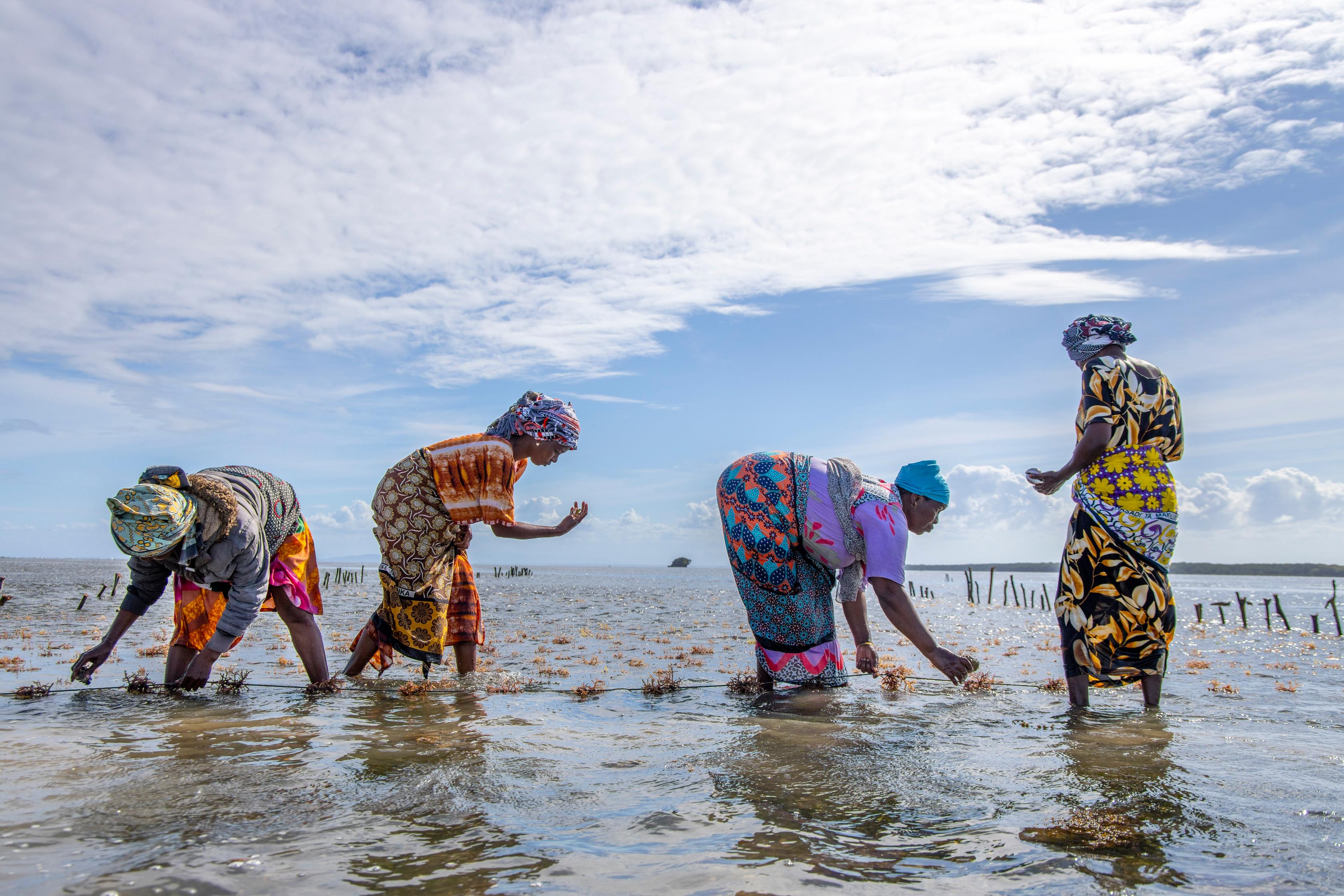
Effective conservation occurs with and through the cooperation of Indigenous peoples and local communities living in and around protected areas. Indigenous and community lands and territories store more than a third of Earth’s “irrecoverable carbon” — that’s carbon, which if emitted into the atmosphere, could not be restored in time to prevent climate breakdown. And 60 percent of terrestrial mammals have more than 10 percent of their ranges within Indigenous lands, according to previous research.
Base decisions on science
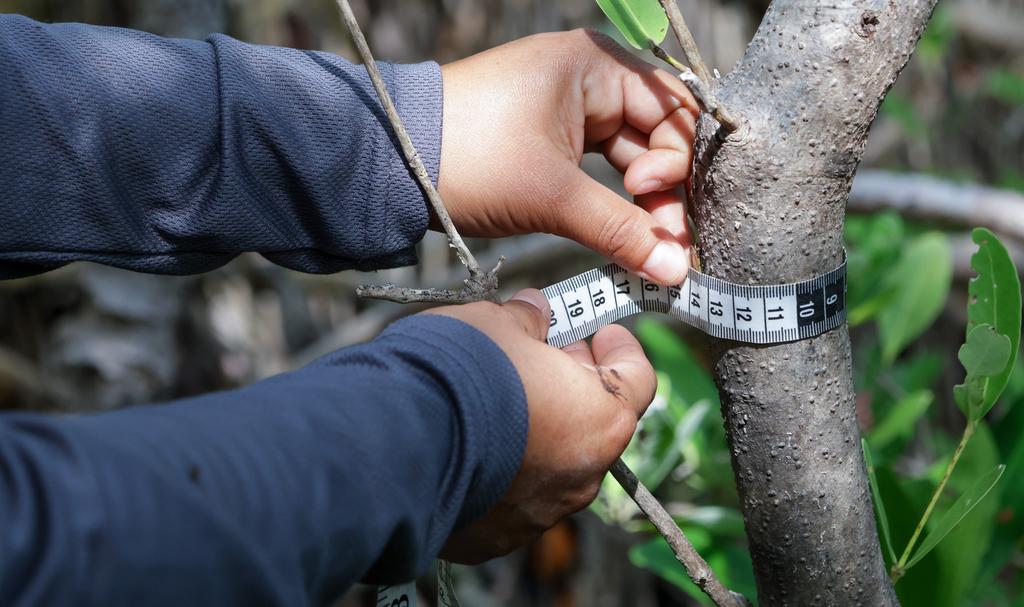
Conservation International creates and relies on cutting-edge science to drive conservation strategies, in conjunction with generations of traditional knowledge. We combine satellite monitoring, biodiversity assessments, and climate resilience models with the deep ecological knowledge of local people to ensure that every intervention is both rigorous and relevant.
Tested and scalable
Conservation International focuses on building on tailored, cost-effective, science-driven approaches that we can expand beyond a single site. We develop programs that work across large areas because protecting a single forest or reef, however vital, is never enough.
It is a huge opportunity and a collective responsibility of the conservation movement across NGOs, governments and private sector to put the planet on a different trajectory and seize the opportunities before them.
What are the threats to effective conservation?
Conservation can be challenging. Politicians can reverse protections, funders can put their money elsewhere, and the public can lose interest. We must understand these threats before we can build durable conservation strategies. Here are some specific threats we’ve seen:
Exclusion of Indigenous Peoples and local communities
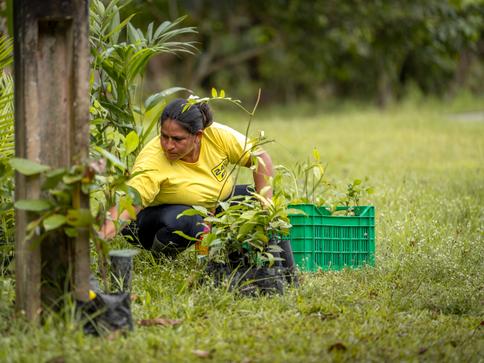
Indigenous Peoples manage or hold tenure rights to about a quarter of Earth's land surface, containing 37 percent of remaining natural lands worldwide and a third of the planet's intact forest landscapes. These territories also experience a less severe decline in biodiversity than in similar ecosystems elsewhere. Experience has proven that we fail at conservation if we sideline these communities.
Protected areas are not permanent
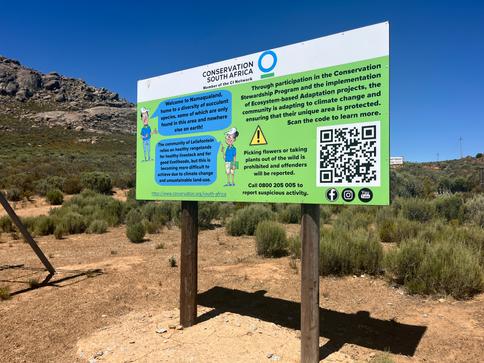
Conservation International and its partners have documented more than 3,700 enacted cases where protected areas have shrunken or been eliminated in more than 70 countries, covering more than 200 million hectares, an area the size of Mexico. In the last century, advocates for mining, oil and gas, and industrial development have pushed governments to downgrade thousands of once-protected areas. Conservation requires continued funding to ensure that protected areas are able to provide their essential benefits to nature and local communities.
A funding gap
The world will not reach its climate, biodiversity, and land degradation goals unless financing more than doubles from the current US$ 154 billion a year to US$ 384 billion a year. The world currently only devotes 3 percent of global climate funding to crucial nature-based solutions, which falls well short of what we need. However, nature-based solutions are affordable — we just need to commit to them.
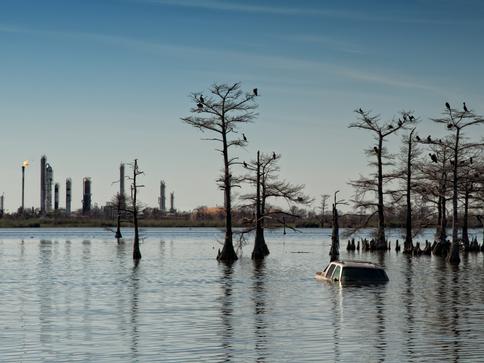
Climate change
Already, we are seeing the results of a changing climate in rising temperatures, shifting ecosystems, and extreme weather events that are altering habitats and challenging conservation efforts. As temperatures and weather change, animal and plants species may be moving beyond areas designed to protect them. This is why we rely on science to design effective conservation programs.
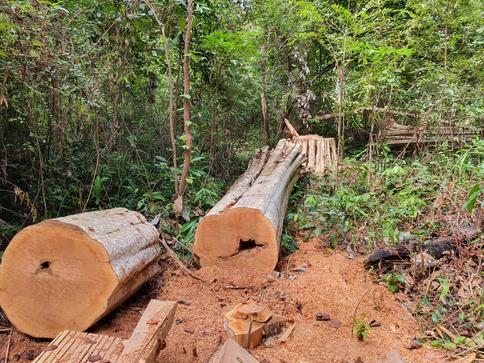
Harmful subsidies
In a new report, Conservation International found US$ 2.1–2.7 trillion in government subsidy spending each year that drives deforestation, overfishing and pollution. The price tag only mounts from there. Dealing with the fallout from those subsidies costs a mind-boggling amount: as much as US$ 24.7 trillion a year. We need to restructure government subsidies to ensure public monies benefit the nature and the planet we all rely on.
Multiply Your Impact

Your support reaches further than you think.
Every private donation helps unlock additional funding from governments, foundations, and institutional partners — multiplying impact by up to 300%