Active
Accelerating Rapid Transition of Subsidies and Incentives (ARTSI) Initiative
BIODIVERSITY
Active
NEW REPORT
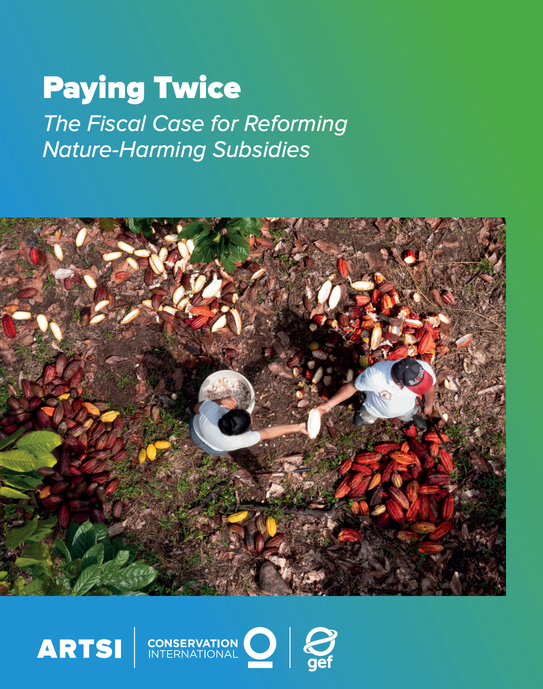
Read CI's new report showing that subsidies that work against nature are both a fiscal and environmental risk and how redirecting a fraction could unlock the largest available source of biodiversity finance. Available in:
Each year, governments spend trillions of dollars on subsidies — payments and tax breaks meant to keep food affordable, protect farmers’ and fishers’ livelihoods and grow national economies. These subsidies are well intentioned but often reward the wrong things — for example, governments may provide farmers with subsidized fertilizers to increase crop yields and improve food security, but this can lead farmers to apply more fertilizer than their crops actually need, polluting water and degrading soil. The result is steep hidden costs: exhausted soils, an expanding agricultural frontier and increased chemical runoff.
This is a big problem, but also a big opportunity: the money we need to protect nature is, to a large degree, already there, in national budgets. It’s just pointed the wrong way. Shifting this spending does double duty: less harm on one side, more good on the other. Nature still needs new money, too – but turning around the money already working against it is the fastest, most overlooked place to start.
There’s growing momentum to build on. Under the Kunming-Montreal Global Biodiversity Framework, governments around the world have committed to reform the subsidies that harm nature. What’s missing is the help countries need to fulfill these commitments.
Reform often requires cross-ministry coordination, coalition-building with affected producers and communities and credible transition strategies that maintain the assistance people rely on. No dedicated mechanism currently exists to help countries test what works, build political support and learn from each other.
That’s what ARTSI (Accelerating Rapid Transition of Subsidies and Incentives) is built to do. This two-year, GEF-funded project seeks to co-design a public-private funding mechanism to help countries make subsidy reform feasible, practical and politically viable. ARTSI works with governments to reform, adjust or refine the policies currently driving environmental degradation that, with focused changes, can instead have environmental benefits – while supporting the people who depend on them and carrying lessons learned into the funding mechanism.
Here’s how ARTSI works:
USD $25 million: Capitalization target for the first-of-its-kind funding mechanism. The funding mechanism is actively co-designed with public, private, and philanthropic donors, alongside reform-interested governments and global partners, to provide the vital financial and technical support needed to advance sustainable reform.
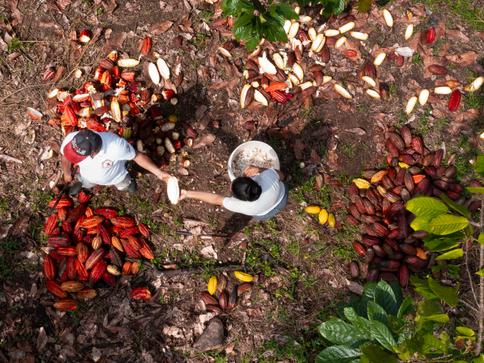
In partnership with Finagro (Colombia’s public financial institution for the agricultural sector) and several cacao growers' associations in the mountains and floodplains of Amazonia, this pilot will align agricultural credit conditions with sustainability and environmental criteria. It aims to reduce deforestation while maintaining cacao farmers’ access to affordable finance.
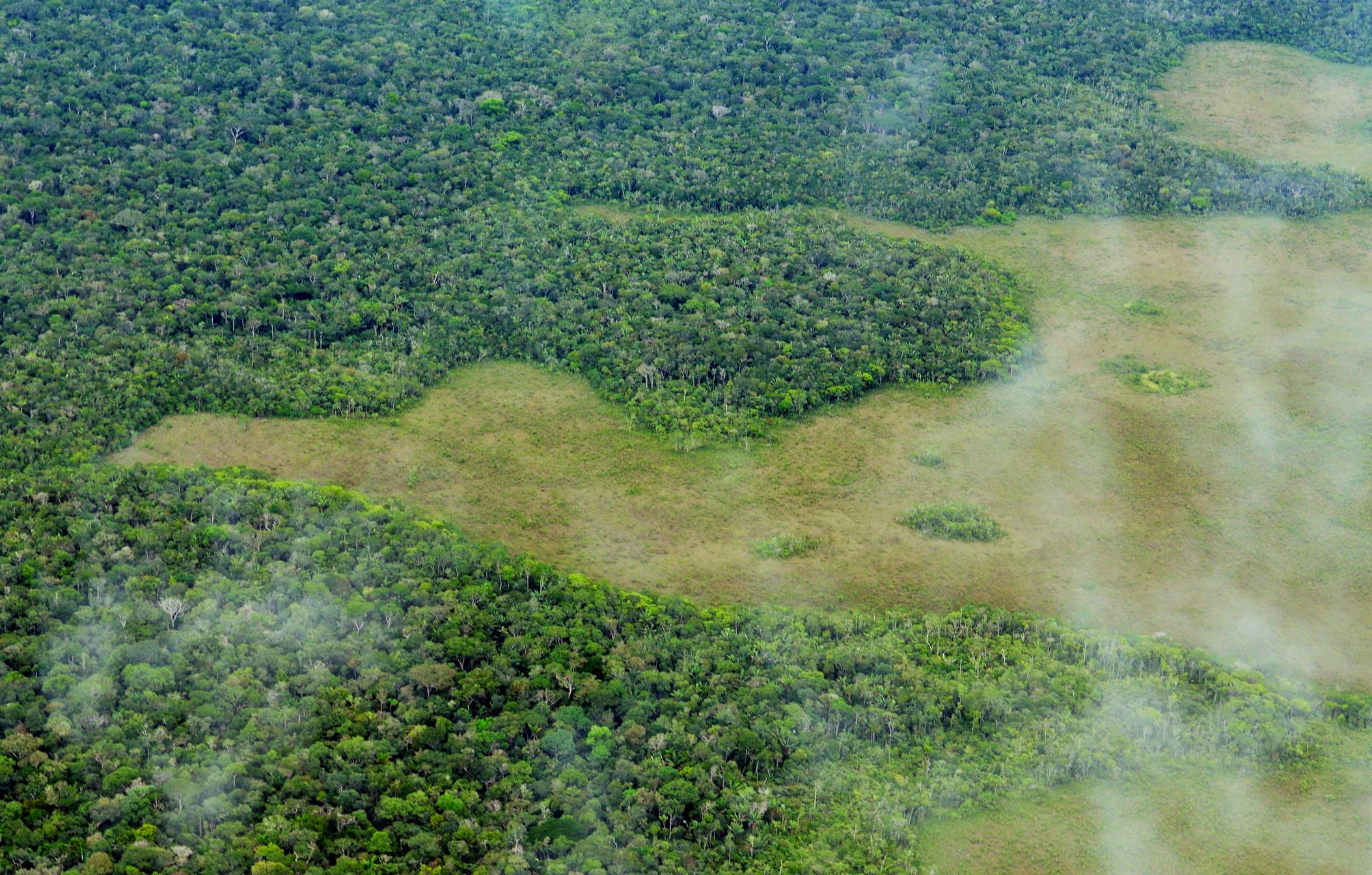
In collaboration with the Brazilian Ministry of Environment and Climate Change, this pilot will provide technical support on repurposing agricultural subsidies and strengthen the environmental and social sustainability criteria of PRONAF (Brazil’s family agriculture national program) to reduce deforestation and ecosystem conversion.
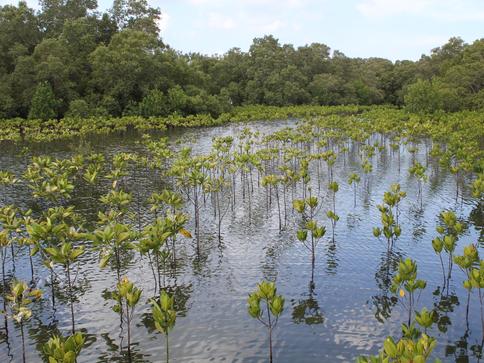
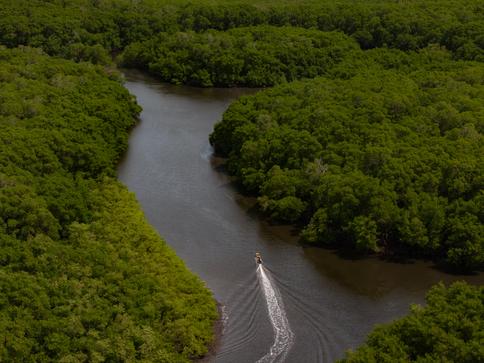
In collaboration with the Global Mangrove Alliance Philippines Chapter, this pilot will work to incorporate Blue Carbon Ecosystem practices into salt production incentives and subsidies under the Philippines’ new Salt Industry Development Law to avoid negative impacts on mangroves and coastal ecosystems, while testing the feasibility of these practices in Palawan and Oriental Mindoro.

In collaboration with Fiji’s Ministry of Agriculture, Waterways and Sugar Industry, this pilot will work to incorporate organic fertilizer into the existing national fertilizer subsidy for non-sugar crops. It aims to reduce agricultural runoff that adversely affects coastal ecosystems, improve soil health and support local farmers by generating awareness and providing technical assistance on organic farming on the island of Moala.
Beyond on-the-ground interventions, ARTSI translates pilot experiences into clear proof that subsidy reform is practical, replicable, and scalable. By tracking lessons learned, the initiative generates evidence to inform the development of its funding mechanism and address the global gap in subsidy reform knowledge. To increase the reach of this knowledge, the ARTSI Internal Community of Practice provides a continuous learning space for teams to share tools and experiences, surface emerging lessons and synthesize evidence across pilots. These lessons serve not only to strengthen implementation efforts but also to inform the funding mechanism's design. ARTSI further amplifies this learning through strategic engagement in high-level global and regional convenings to elevate the visibility of the initiative, foster partnerships with key stakeholders, and share practical evidence on subsidy reform. Finally, ARTSI publishes quarterly updates and knowledge products for stakeholders and decision-makers, focusing on key learning priorities, real-time pilot results, donor demand, and critical mechanism design milestones.