From the savannas of Africa to remote Pacific islands, Indigenous Peoples and local communities are helping to conserve some of the most remarkable species on Earth.
With deep-rooted connections to their lands and intimate knowledge of how best to manage them, Indigenous Peoples play a critical role in conservation. Though they account for only 5 percent of the world’s population, they manage more than a quarter of Earth’s surface and protect a significant share of Earth’s biodiversity. Overall, their territories experience less species decline, lower pollution levels and better-managed natural resources, making their lands vital strongholds for rare wildlife whose habitats have dwindled elsewhere.
Yet, too often, Indigenous voices and contributions are overlooked in decisions about the very lands they have stewarded for generations. Conservation International is changing that by supporting and partnering with Indigenous communities that are protecting their lands from threats like illegal deforestation and enhancing community livelihoods that rely directly on nature.
For International Day of the World's Indigenous Peoples , Conservation News is showcasing four recent stories about how Indigenous and local communities are protecting endangered species on the brink.
To save the axolotl, Mexico looks to the past
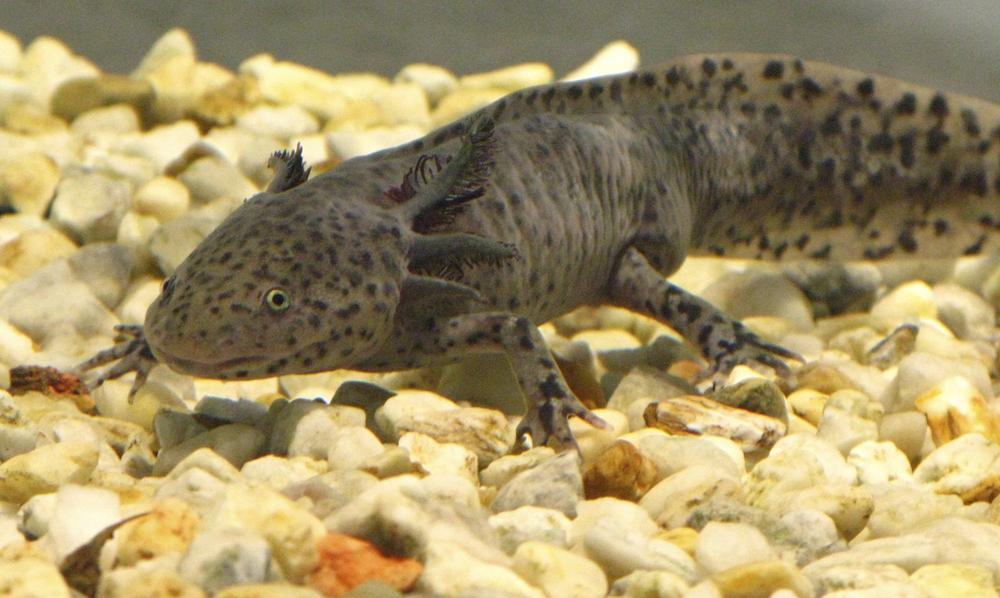
© FRANCIS MCKEE/CREATIVE COMMONS
Starting around A.D. 900, the Xochimilca people engineered a sprawling canal system to grow crops. These human-made wetlands, on the outskirts of what is now Mexico City, became a prime habitat for the axolotl — a friendly-looking salamander with ruffled gills. Today, the canal remnants are the only place on Earth where these salamanders still live in the wild.
But the canals are being drained, polluted and overrun by invasive species. To protect the shrinking habitat of the axolotl, Conservation International is working with local communities to revive an ancient farming culture that has endured since before the time of the Aztecs.
Farmers — many of them descendants of Xochimilco’s original inhabitants — still use the ancient waterways to grow flowers and crops. In an interview with the New York Times, Esther Quintero, a biologist with Conservation International-Mexico, describes how placing local people at the center of conservation is key to saving the species.
Read more here.
In the fight to save a unique desert, tradition meets innovation
© CATHERINE WITHERS-CLARKE
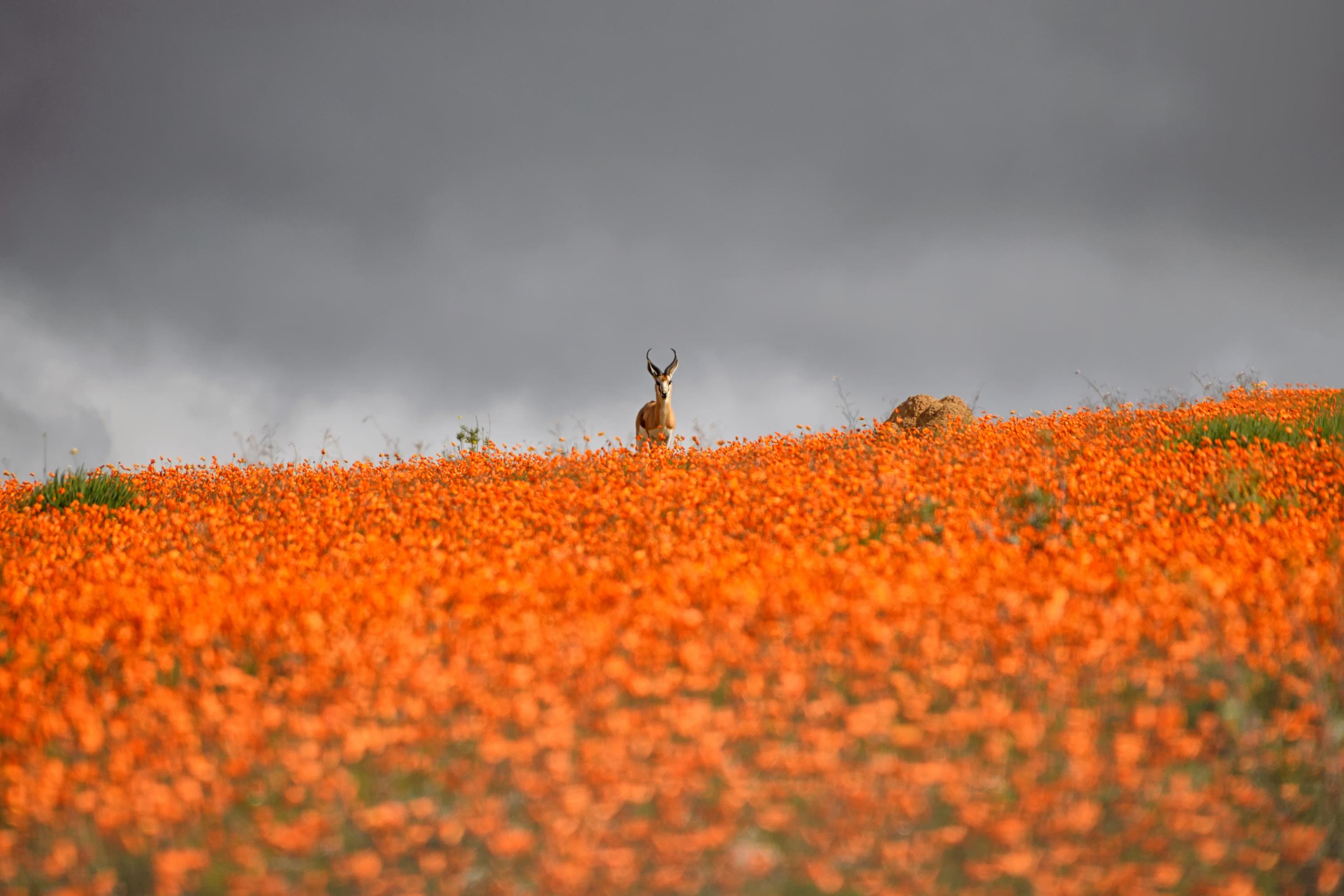
Shepherding is a way of life in South Africa’s semi-arid Succulent Karoo — a biodiversity hotspot, boasting well over 6,000 plant species, with 40 percent found nowhere else on the planet.
“Nature tells you everything — my ancestors read the stars, the moon and the swarming termites to predict the weather,” said Jacobus T. Brandt, a local historian. “But now, nature has changed. The rain no longer comes on time.”
As climate change threatens the shrublands essential for grazing their sheep and goats, the local community is looking to the past to secure their future.
As early as 200 CE, the Nama people, ancestors of today's inhabitants, raised breeds of sheep and goats uniquely adapted to survive in arid Namaqualand: the Namaqua Afrikaner and the Cape speckled goat .
Now, in partnership with Conservation South Africa, the local affiliate of Conservation International, the community is bringing the heritage breeds back to the landscape — preserving their home and their traditions by protecting the nature they need to survive.
“My old sheep would never have climbed a mountain,” said Rosy Fortuin, a local shepherd. “But [the heritage breeds] climb like a mountain goat to reach plants that haven’t been grazed in ages. This makes it healthier; it grows quickly and it gets fat faster.”
Read more here.
In an undisturbed cave, expedition finds ‘microbats’ once thought lost
© ERICKSON TABAYAG
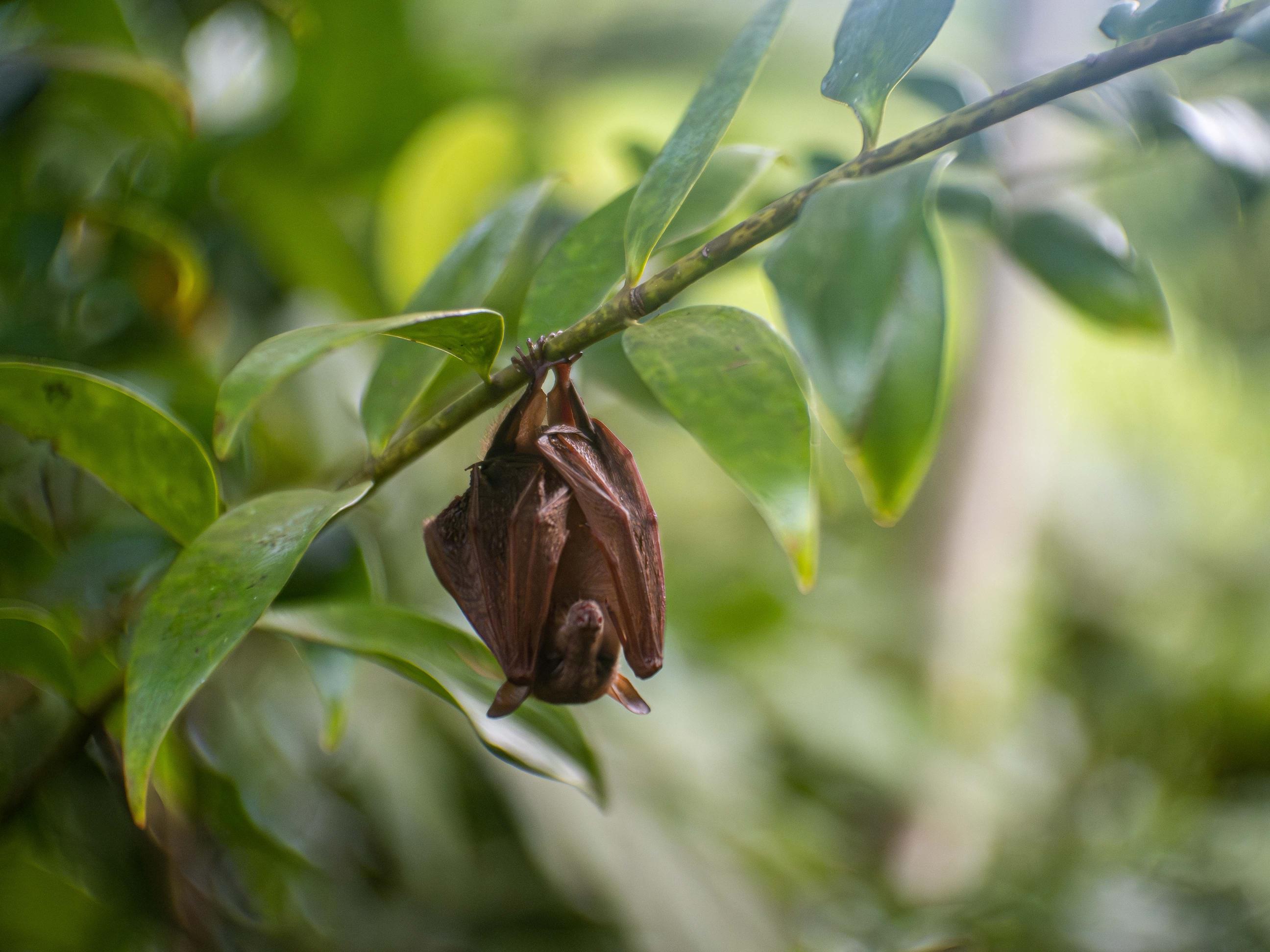
Pacific sheath-tailed bats are vanishing across Oceania. But recently, on one of Fiji’s least-visited islands, an expedition led by Conservation International made a remarkable discovery: A cave containing thousands of them.
“This is a really hopeful sign that the Lau islands are still a stronghold for the species. We have the local communities to thank for that,” said Kristofer Helgen, the chief scientist of the Australian Museum Research Institute, who estimated that the caves hold the largest bat roost for any species across the entire South Pacific.
Bats have been an integral part of the cultural and culinary heritage of the South Pacific for generations. In various regions, people collect bat guano as a nutrient-rich crop fertilizer and hunt bats as a source of sustenance.
“We don’t see anything like that happening in this cave,” Helgen said. “The local communities have quite clearly made a deliberate choice to not exploit nor disrupt the cave, ensuring the bats can thrive undisturbed.”
Read more here.
How Indigenous communities brought a sacred caiman back from the brink
© JONATHAN IRISH
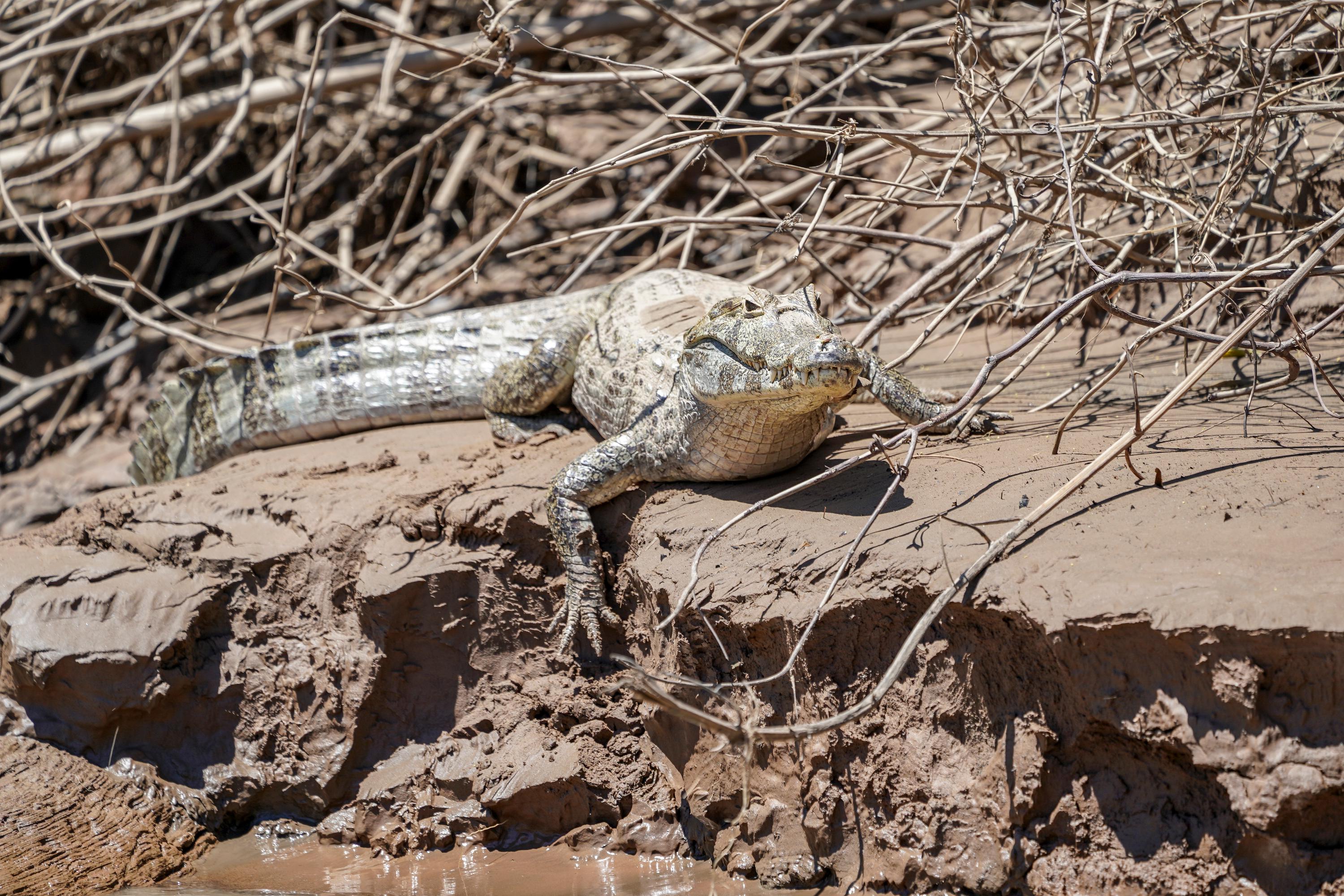
For years, two communities in the Curare-Los Ingleses Indigenous Reserve in southeast Colombia have worked to protect the black caiman — the largest predator in the Amazon River basin, which was hunted to near extinction in the area for its highly-prized skin.
The black caiman is sacred to the Indigenous Peoples of Colombia’s lower Caquetá River, who believe it descended from a man and now rules over the waters and fish. In 2008, when the Borikada and Curare communities began to notice the caiman’s dwindling numbers, they banded together to reverse the trend. And now, after years of careful monitoring from a community-watch program, they are seeing black caimans rebound.
In 2022, with help from Conservation International, the communities led the first-ever survey of the species, counting 123 black caimans. “Our goal was to share knowledge, and they could tell us what they know about the caiman,” Jack Hernández, a biologist and Conservation International consultant, told Mongabay. “They know a lot about the species, especially those who live in the reserve, because they have lived alongside them all their lives.”
Read more here.
Will McCarry is a staff writer at Conservation International. Want to read more stories like this? Sign up for email updates. Also, please consider supporting our critical work.