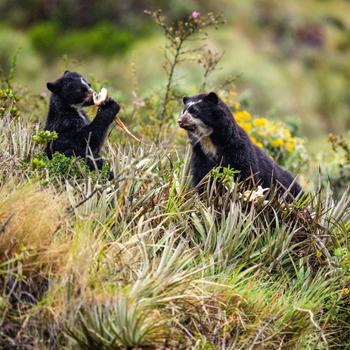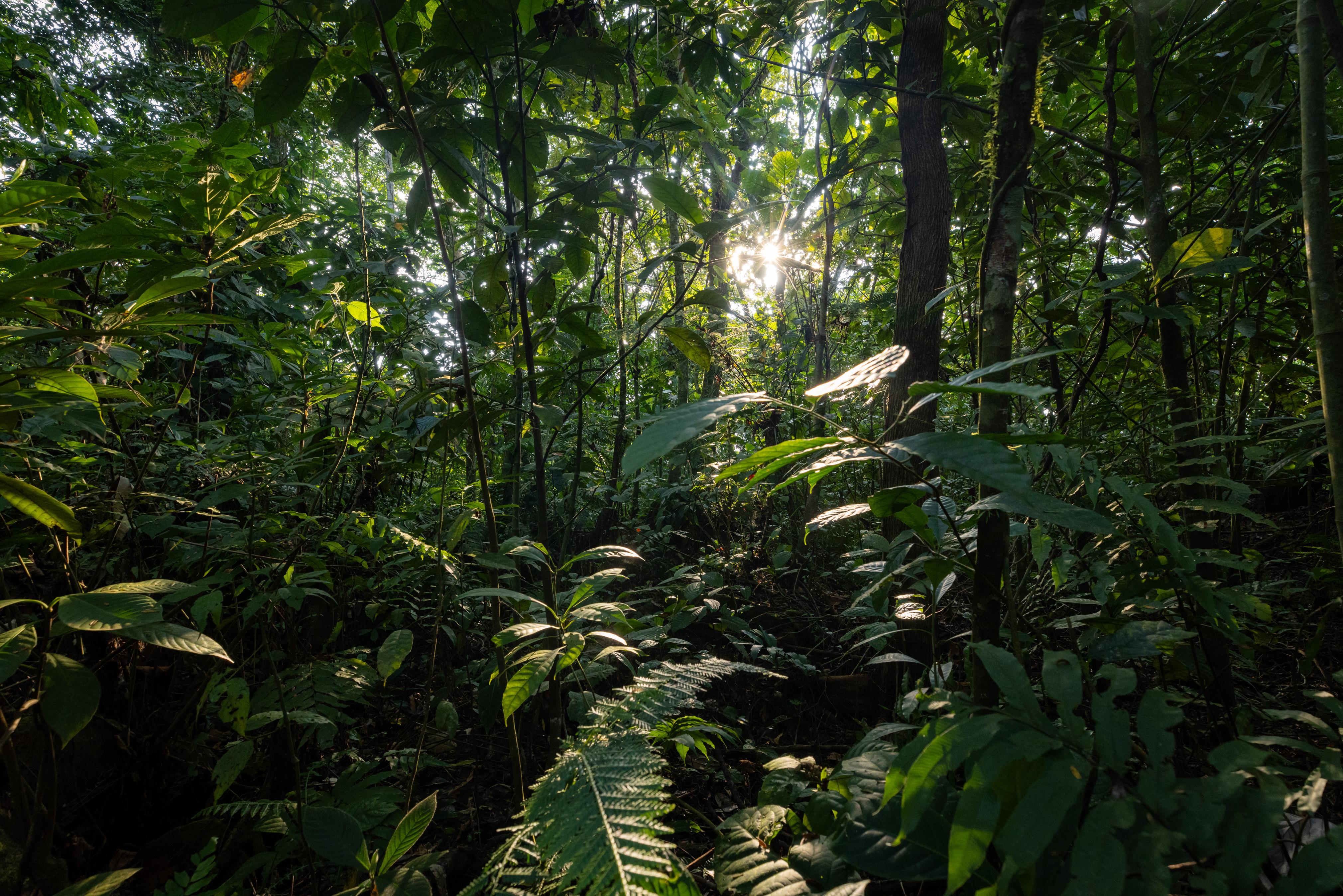
From shade that cools you on a hot summer day to oxygen that fills your lungs with every breath, the value of trees is easy to grasp.
Yet, forests are disappearing at an alarming rate. In 2024, global forest loss surged to a record high, driven mostly — for the first time on record — by fires, threatening millions of people.
In woodland groves and the understories of tropical rainforests, forests are intertwined with daily life. These are places where people make a living, species found nowhere else persist and life unfolds among the trees.
Here are three lesser-known stories from forests around the world.
A nut that keeps forests standing
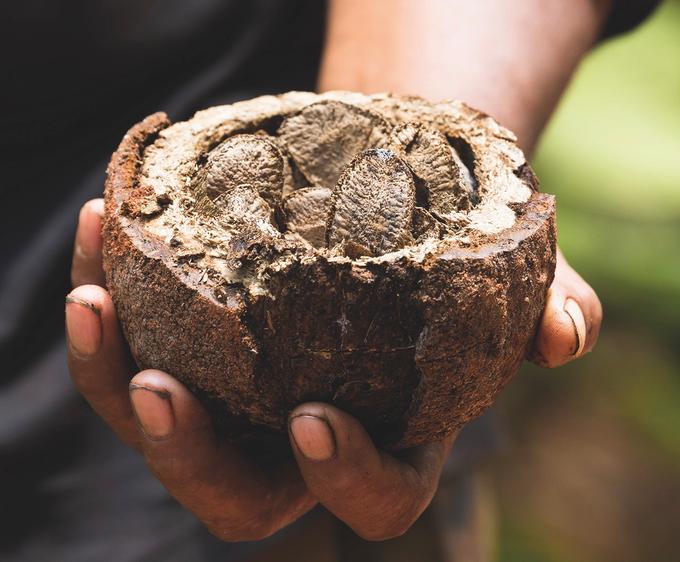
As swaths of the Amazon is cleared for cattle, soy and timber, one of its most valuable crops depends on standing forests. The Brazil nut tree, a towering tree with heavy, cannon-ball sized fruit only produces fruit in intact, undisturbed forests. For local and Indigenous communities that have gathered these nuts for generations, the tradition anchors their economies and keeps the canopy intact.
In Bolivia, Conservation International works with communities who harvest the nut. In one community, the harvest provides up to 91 percent of household income, turning the forest itself into both pantry and paycheck. And in the northwest of the country, where deforestation is rampant, 90 percent of the land remains forested, thanks in large part to sustainably managed Brazil nut groves.
Read more about how the Brazil nut powers daily life in the forest:
- In Bolivia, a ‘conservation mosaic’ gets another (big) piece
- 4 small towns take giant steps to protect the Amazon
An unexpected haven for wildlife
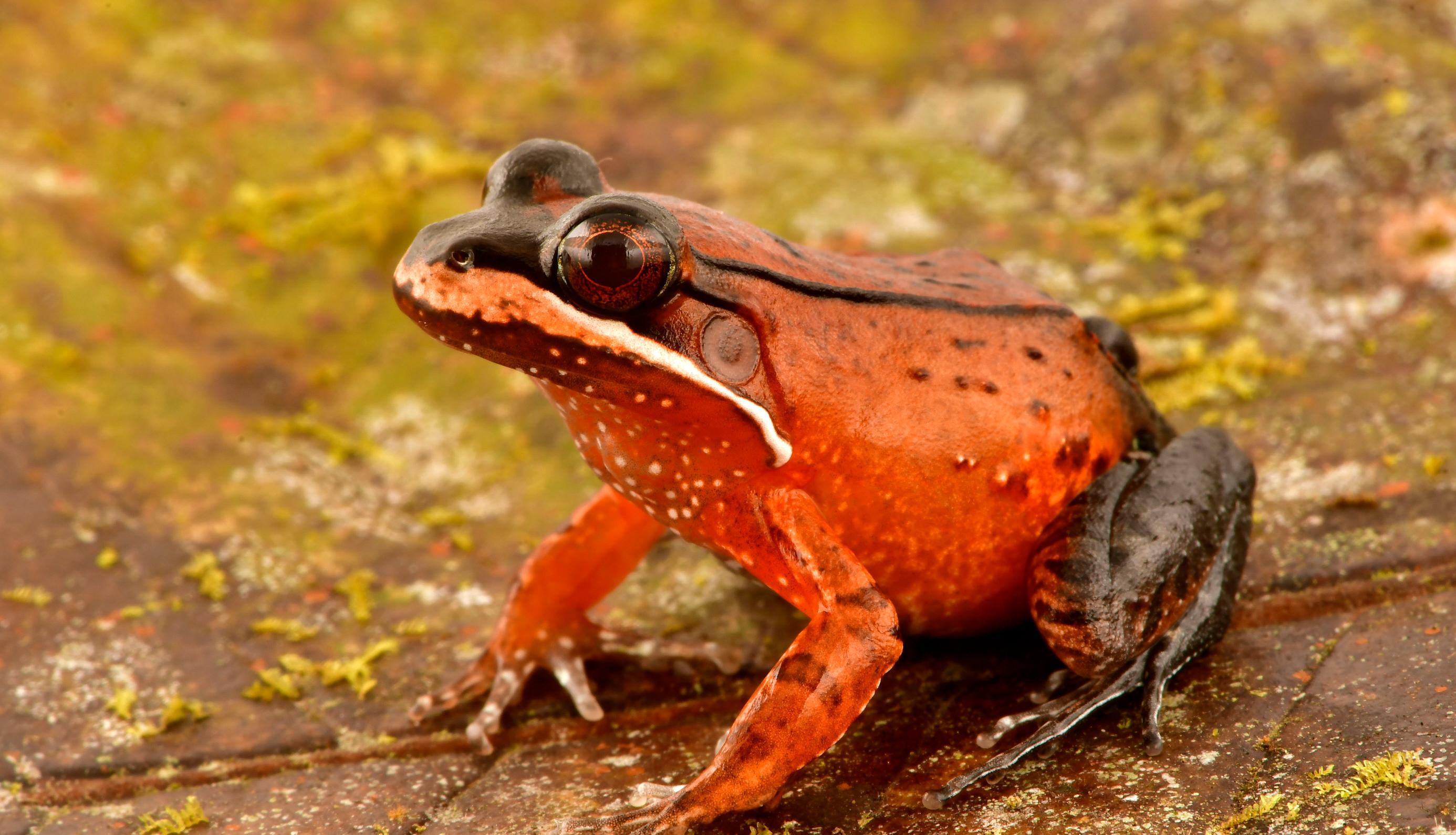
A Conservation International expedition into the Amazon had a clear goal: discover as many species as possible, as quickly as possible. For an expedition like this, the setting was unusual. Scientists usually look for wildlife in remote, closed-canopy forests. This expedition went somewhere far more crowded — a densely settled landscape where deforestation is ongoing.
That’s why researchers were stunned to discover a wealth of wildlife — including a discovery of four new mammal species — a significant scientific event in an increasingly well-documented world. The expedition's findings challenge theories that forests scarred by human activity can’t support biodiversity — and offer a glimmer of hope that nature and people can thrive side by side, if action is taken to protect the balance.
A swamp forest that stores caches of carbon
In northern Peru, swampy forests quietly hold some of the largest stores of carbon in the world. That’s because the waterlogged soils contain very little oxygen, so when leaves, fruits and more drop to the ground, they decay extremely slowly. These layers of organic material build up over time, forming a thick peat that can lock away carbon for thousands of years.
Peru’s peat swamps hold roughly 3 billion tons of carbon — roughly half of the country’s carbon store — in just 3 percent of its forested area. A protected area supported by Conservation International helps shield some of these swamps from threats like illegal mining and logging. Protecting swamps like this is critical in the fight against climate change. These carbon vaults hold what’s known as “irrecoverable carbon” because, if it is emitted into the atmosphere, it cannot be restored in time to prevent climate breakdown.
Read more about this protected area and irrecoverable carbon: