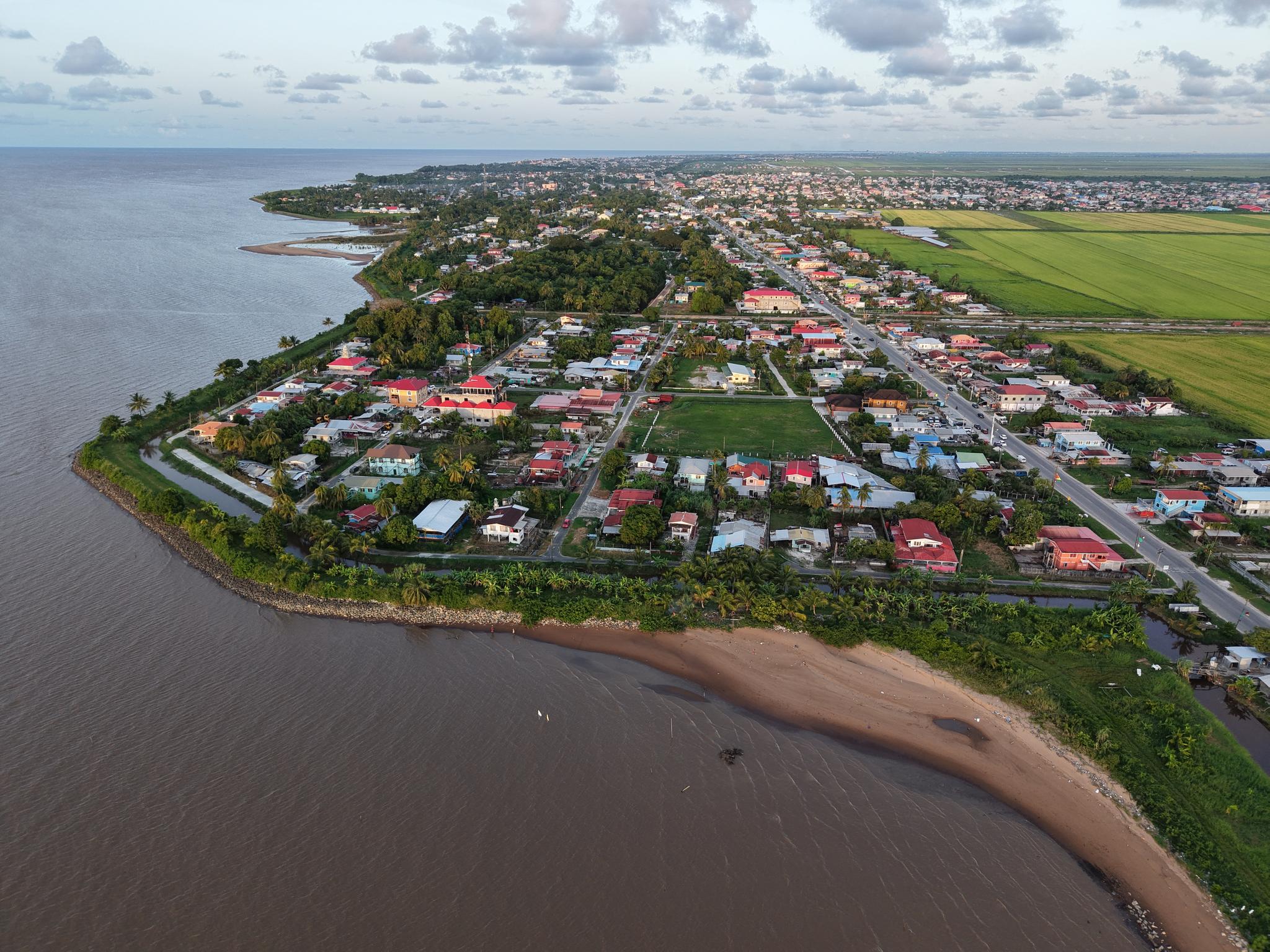
Countries are facing escalating climate risks exacerbated by nature loss. Climate-related extreme weather events have driven more than USD 2 trillion in global economic losses over the past decade. Coastal hazards represent a rapidly growing source of risk, with annual direct property losses from coastal flooding estimated at more than USD 730 billion globally and exposure expected to intensify as sea levels rise. Coastal nature-based solutions (NbS), including the conservation and restoration of blue carbon ecosystems and green-gray infrastructure approaches, offer an opportunity to address these risks while delivering benefits for livelihoods, climate mitigation, and biodiversity.
Despite preventative climate adaptation and mitigation efforts, communities and ecosystems across the world are experiencing losses and damages. As climate impacts accelerate, national policymakers, planners, and practitioners face an urgent challenge: adapting to climate impacts and building resilience while addressing unavoidable loss and damage. The guidance materials below provide actionable policy foundations, technical frameworks, and financial mechanisms to integrate nature-based solutions and green-gray infrastructure into national planning and loss and damage responses.
Featured policy resources and operational guidance
Nature and Loss & Damage: Policy Foundations for Country-Led Responses
Type: Policy brief
Nature’s Role in Loss & Damage
Type: 2-page Executive Overview
Guidance for Policymakers: Enhancing Resilience with Green-Gray Infrastructure
Type: Guidance Report
Also available in: Spanish, Brazilian Portuguese
Learn more about Conservation International’s Global Green Gray Community of Practice and UNFCCC COP31 Policy Resources.