A sticker on a seafood package is meant to tell a simple story: the fish was caught sustainably. The consumer pays a little more, and that extra money finds its way back to the fisher, rewarding those that take extra care to protect the fishery.
Yet in many of the world's small-scale fisheries, that story doesn't hold, a new study says.
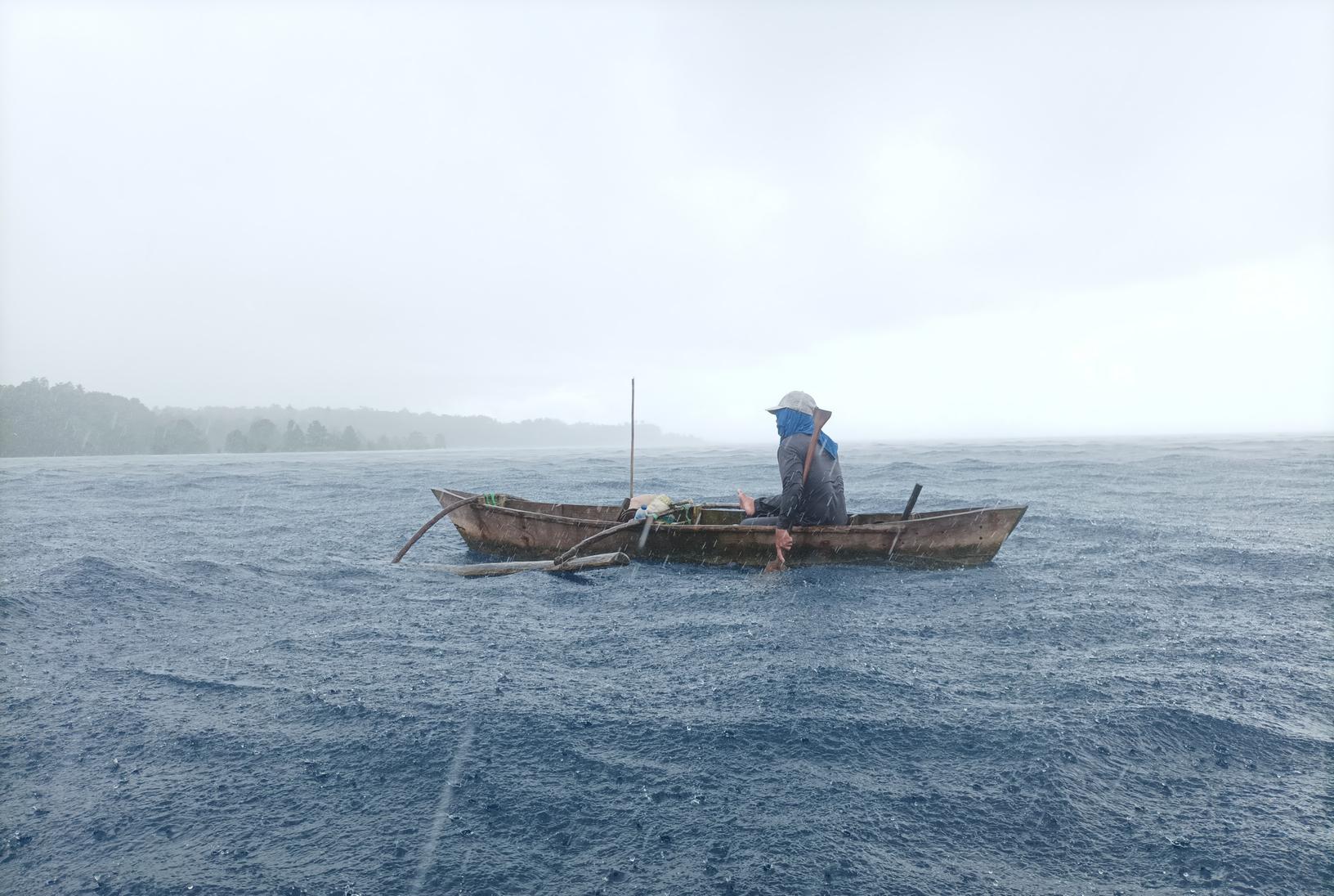
Researchers at Conservation International spent time with fishing communities in India, Indonesia and the Maldives mapping seafood supply chains and interviewing fishers enrolled in eco-label and fishery improvement programs. They found little evidence that the premium consumers and buyers pay reaches the people doing the fishing. Most of the value stays with retailers, distributors and exporters.
“We weren't able to find much evidence of a measurable change for fishers participating in these programs,” said Conservation International’s Shreya Yadav, who led the research. “In fact, our interviews and workshops revealed that fishers and fishing communities are often not even aware they're part of these programs.”
A model for cod
Many of today’s seafood sustainability programs trace back to the collapse of the North Atlantic cod fishery in the 1990s. That disaster, primarily caused by overfishing, prompted the creation of standards to judge whether fish stocks were being managed responsibly. Those standards have since grown into a major force in the global seafood trade. Nearly a quarter of the world’s wild-caught seafood now carries some kind of sustainability rating or certification.
The standards were designed with large, Western fisheries in mind, Yadav said. These fisheries tend to be uniform, often a single species caught with a single type of gear. In other words, reasonably easy to track.
Now, this same model is being applied across the developing world, where fisheries look very different: areas with many small boats, many species, often governed by informal arrangements instead of formal regulations. That mismatch creates challenges at almost every step.
The first is verification, said Elena Finkbeiner, who leads Conservation International’s coastal fisheries work, and study co-author. Under a label like the Marine Stewardship Council, a third-party auditor assesses the fishery against a standardized framework. That works when big vessels unload their catch at one landing site — much less so on a coastline where small boats come ashore anywhere and fish enter the market at countless points.
“Even if you send a third-party verifier into that context, it’s impossible to sample 100 percent of the fishery,” she said. “Certified catch sometimes gets mixed with uncertified catch, and audits only happen periodically.”
Tracing the money is just as hard. A tuna caught in the Maldives or a crab caught in India often travels through multiple countries and companies before it makes it to supermarket shelves in the United States or Europe. Along the way, there is little transparency about prices or profits.
Where the money goes
What is clear is that the fishers don’t see that profit trickle down — and that makes it difficult to change behavior on the water. Many fishermen have few market options for selling their catch or are in debt to local buyers and processors. That locks them into selling at a price buyers dictate, sometimes with interest taken out of each sale.
It’s a complicated relationship, Finkbeiner said. The same buyers often lend fishers money, gear and credit, and in communities that banks don't reach, they are often the fastest source of a loan.
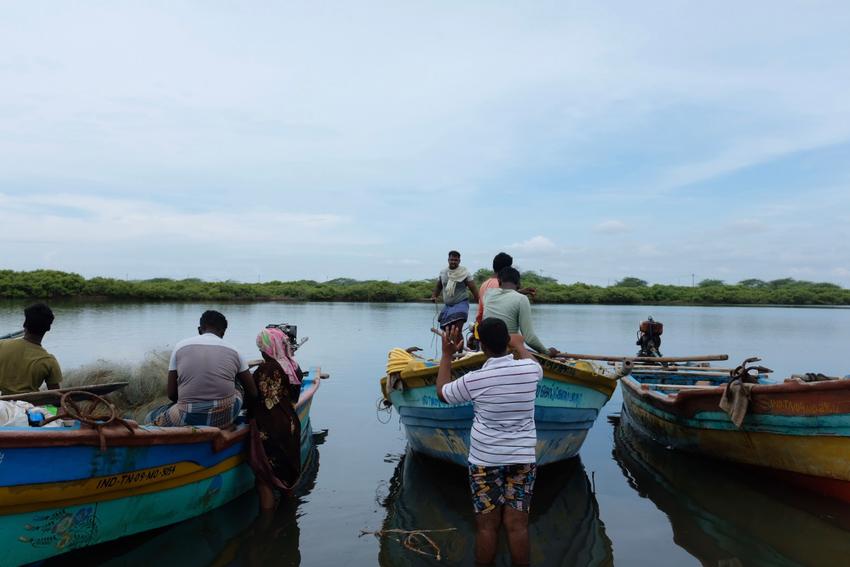
Researchers saw this play out in a fishery improvement project for crab in Palk Bay, India, where the catch is exported to international markets. Fishers who knew about the program’s commitments were often aware that catching undersized crabs or females carrying eggs harms crab stocks over time. But while processors may reject that catch, domestic markets would still buy it, and fishers need the money.
“It’s not realistic to expect fishers to comply with these regulations if the pay isn’t fair,” she said.
In addition, the program only covered gill-net fishers — not the trawlers working the same waters and scooping up huge quantities of crab. Small-scale fishers compete directly with these trawlers, and face significant challenges in doing so.
“We lose our nets because of trawlers, too, who sometimes drag our nets or cut them if they come in their way,” one crab fisherman reported during the study. “Trawlers get everything from big to small sized crabs. And they can throw these back, but they don't.”
Indonesia offered a more encouraging example, Yadav said. There, local organizations with strong ties to fishing communities helped put certification programs in place and created forums for fishers and buyers to talk. Fishers there knew about the programs they belonged to, and some saw better prices and better access to information.
Fishers who can only accept what price they are offered are the most vulnerable, she said. Fisher associations, unions, cooperatives and collectives can help them negotiate for better profits and representation.
Some labels do better than others to address that imbalance. For example, the Fair Trade program includes social criteria alongside its environmental goals. The researchers found that fishers participating in Fair Trade were better able to recognize the benefits of the program through a community development fund and had clearer channels for their voice to be heard.
That difference points to the study's central takeaway, Finkbeiner said.
“If you don't pay attention to the social inequities fishers face, you're never going to reach your environmental sustainability goals,” she said. “You can’t expect somebody to commit to sustainable fishing in the long term if they’re not earning enough to live.”
For the organizations that set standards, the researchers recommend tracking equity as an outcome. Most seafood companies and programs don't, Yadav said.
Many of the gaps the study found are already being addressed by initiatives like the Community Fishery Improvement Project (CFIP), developed by Conservation International and its partners. A standard fishery improvement project often relies on buyers and the seafood industry to push a fishery towards sustainability. The community version reverses that order. Fishers and other local stakeholders set the priorities, help design the solutions and lead the work. Fishing communities often say their top priority is strengthening fishing organizations, so that fishers don’t have to accept whatever price they’re offered.
Finkbeiner said it’s important to get the order right: secure a community’s basic needs and rights, give fishers a real hand in managing their own resources and only then bring in the market.
“If you don't have strong social and environmental safeguards first, and you start with the market piece,” she said, “it could do more harm than good.”