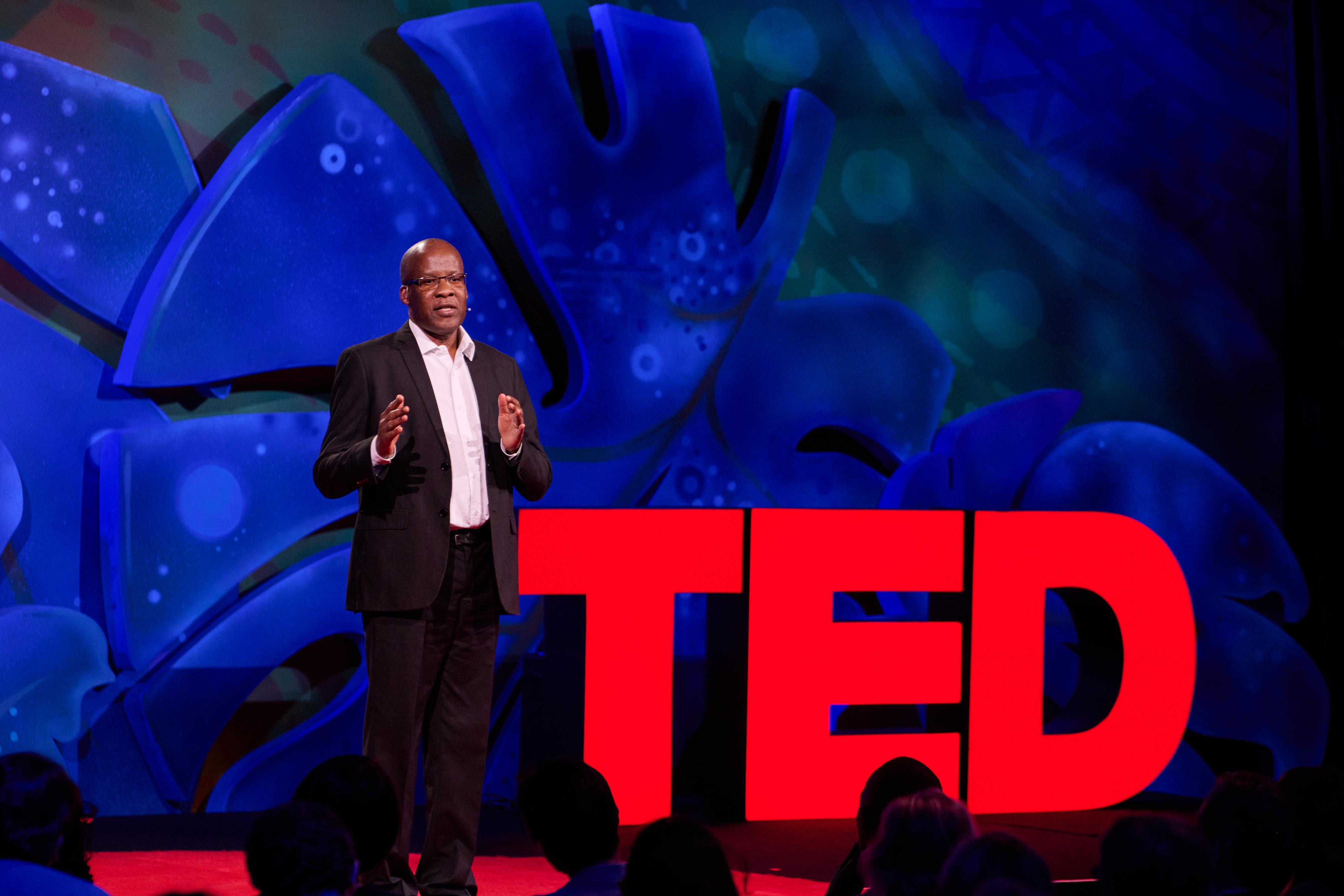
“I could hear the lions roaring outside my village at night.”
That’s how Seif Hamisi begins his recent talk at TED Countdown — recalling his childhood on the southeastern slope of Mount Kilimanjaro. The sound, he tells the audience, was close enough to make his heart stand still.
Those roars are gone now. So is much of the wildlife that once moved through the lands surrounding his village.
“Africa has lost three-quarters of its wildlife population,” Hamisi says. “That’s not just a statistic. It’s a crisis.”
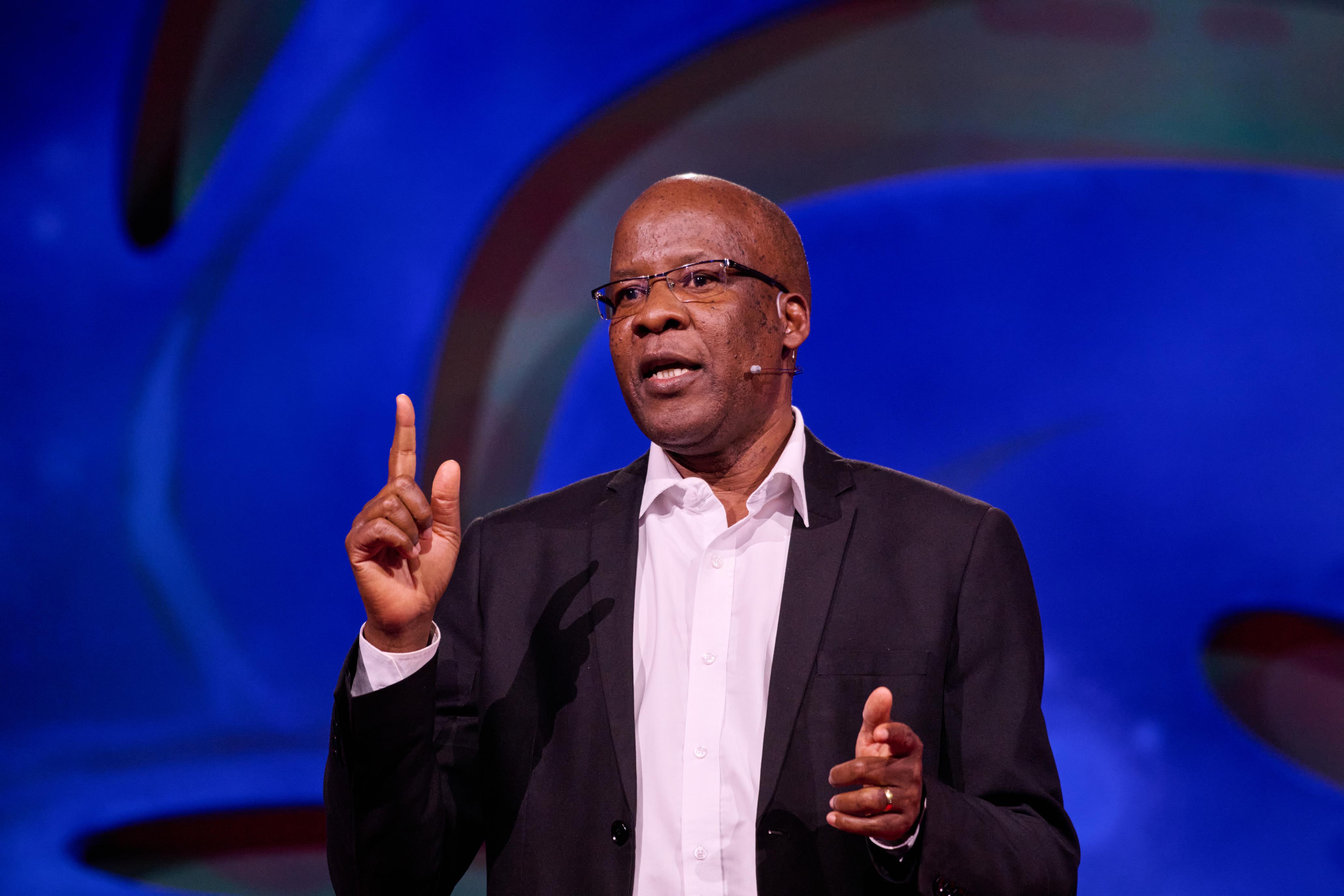
But the disappearance, he explains, hasn’t happened primarily inside national parks. It has unfolded in the spaces between them — on community lands where people and wildlife once lived side by side.
The reasons are often oversimplified. It’s easy, Hamisi notes, to blame local communities for habitat loss. He’s felt that temptation himself, he says. But that narrative ignores a deeper history: For much of the past century, conservation in Africa was built on the belief that protecting nature required removing people from it.
Indigenous communities were forced from their lands. Traditional livelihoods were criminalized. Ancient grazing systems — which had helped shape Africa’s savannas for millennia — were disrupted. Poverty followed, and with it, pressure on the land.
“We have spent billions on conservation in Africa — yet wildlife continues to vanish, while more and more people fall deeper into poverty,” Hamisi tells the audience. “Why? It is because we have been trying to apply ecological solutions to fix what are inherently economic problems.”
His conclusion is clear: Conservation cannot succeed without addressing poverty. Protecting nature, he argues, requires economic security and agency for the people who live closest to it.
Across Africa, that shift is already under way through Conservation International’s work — supporting community-owned conservancies, restoring traditional grazing practices backed by science, and helping build conservation models that generate real income while restoring ecosystems. When people have a stake in the land, wildlife returns.
“It is a vision Africa needs,” Hamisi says. “It is a vision that our changing climate demands. A vision where, ultimately, people benefit — not because they gave up their culture, but because they kept it.”