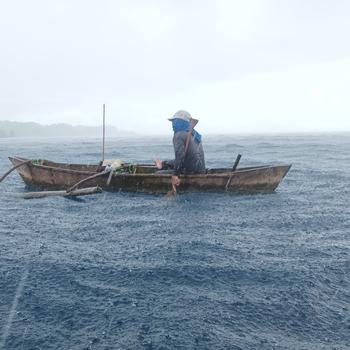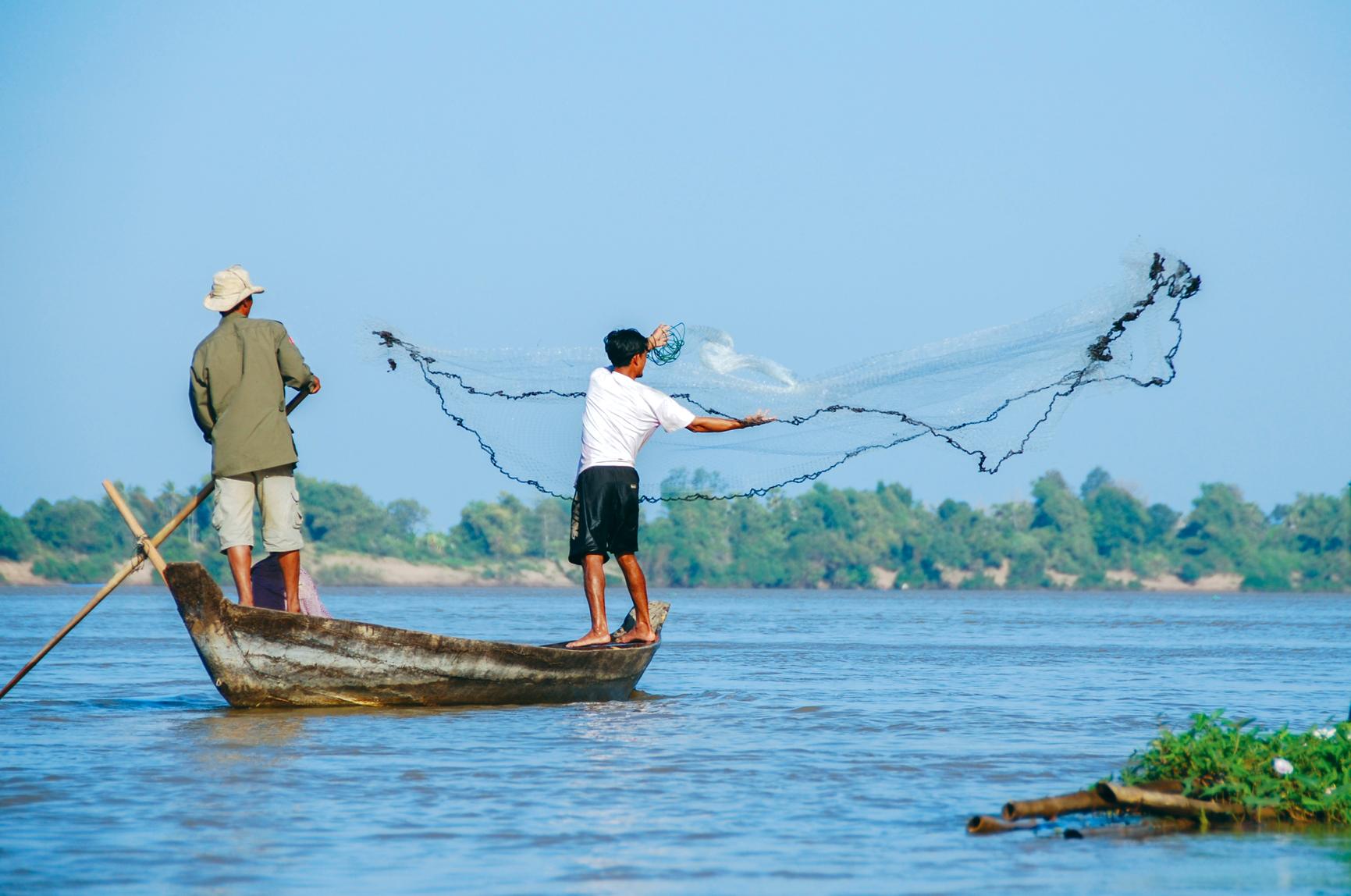
Unsustainable development has pushed one-fifth of the fish in the Mekong River — the lifeblood of Southeast Asia — to near extinction, according to a new report.
While the report paints a bleak picture, there is still time to reverse the damage to the river — if countries work together, says Conservation International freshwater scientist Ian Harrison, who contributed to the report.
“Put bluntly, parts of the Mekong are on the verge of collapse due to human activity,” he said. “But all is not lost. We have tools to protect this river and the livelihoods of the millions of people who rely on it.”
Conservation News sat down with Harrison to discuss the report’s findings and what it will take to protect the communities and wildlife that depend on the Mekong.
Conservation News: Let’s start with threats — why is the Mekong in trouble?
Ian Harrison: The threats are many. They include pollution, the draining of wetlands for agriculture and aquaculture, and the proliferation of invasive species such as Nile tilapia, which outcompete native species for food and habitat.
But the biggest threats are hydropower dams on the Mekong and its tributaries. These dams can dramatically affect the river in a few fundamental ways: First, they shift the flow of water, which disrupts the migratory patterns of the river’s fish and destroys spawning grounds. This also alters seasonal flooding patterns in Tonle Sap — the largest freshwater lake in Southeast Asia and the world’s largest inland fishery, known as the “beating heart of the Mekong.”
Hydropower dams are also blocking nutrient-rich sediment from traveling down the river to Vietnam, where farmers are watching their land wash away. The delta there is eroding and literally sinking from the lack of sediment. That brings us to another burgeoning threat on the Mekong: sand mining. Dredging the river for sand has caused significant erosion on the riverbank and is further starving the river and delta of the sediment needed to maintain the ecosystem’s natural balance.
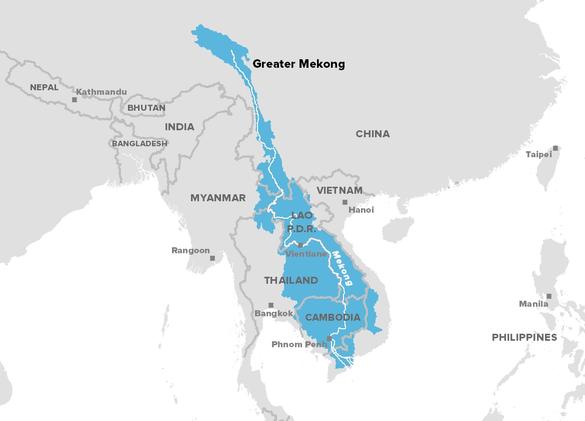
The Mekong River weaves through six countries — what happens in one, has a direct impact on those downstream.
What impact are these threats having on the fish and people who live there?
IH: To understand the impacts, we first have to appreciate just how extraordinary the Mekong is. Stretching nearly 5,000 kilometers (3,000 miles) from the Tibetan high plains to the South China Sea, it’s the third most biodiverse river in the world for fish — behind the Amazon and Congo. It’s home to one of the largest migrations on Earth with over 5 billion fish traveling upriver annually to spawn. The Mekong has some of the largest and rarest freshwater fish in the world — wildlife that’s found nowhere else on the planet. One species, the Mekong giant catfish — which can weigh up to 770 pounds — is critically endangered because it can no longer migrate upstream from the deep pools of the lower Mekong.
The report estimates nearly one-fifth of the Mekong basin fishes are nearing extinction. But that number is likely far higher, as more than a third of the species are so poorly understood that their status can’t be measured.
The livelihoods and culture of the region’s people are also at risk. Two striking statistics from the report illustrate just how alarming it is: In Tonle Sap, fish populations dropped 88 percent between 2003 and 2019. Along with that, the economic value of the Mekong fishery fell by a third between 2015 and 2020.
The Mekong fishery accounts for more than 15 percent of the world’s inland catch and is a critical source of food for at least 40 million people in the lower Mekong basin. In a nutshell, if this ecosystem were to collapse, the ramifications would be enormous.
How can we stop that from happening?
IH: We must reduce the threat of dams. That is followed closely by stopping sand mining. One of the hardest things about addressing threats to large river systems is the politics. The Mekong weaves through six countries — and what happens in one country has a direct impact on other countries downstream. So, to address threats, we have to work at a basin-wide scale. Bottom line, the Mekong will not be saved by isolated efforts.
One way we’re tackling this is through the Freshwater Challenge, which is a global initiative to restore the world’s freshwater ecosystems. Addressing transboundary cases, like the Mekong basin, is a high priority. So far, Cambodia has expressed its support for the Freshwater Challenge, and we’re hopeful that other countries in the Mekong region will follow suit and include freshwater restoration in their policy goals.
While we need big picture action, local efforts matter too. For example, community-led ‘Fish Conservation Zones’ that restrict some or all fishing, particularly in deep pools and floodplain areas, have already shown success. We can continue to build on local knowledge and expertise to find solutions that protect the threatened species. Ultimately, this report is a rallying cry for this iconic river. It’s a needed wakeup call to ensure the Mekong’s fish won’t be forgotten.
© JMBAUD74
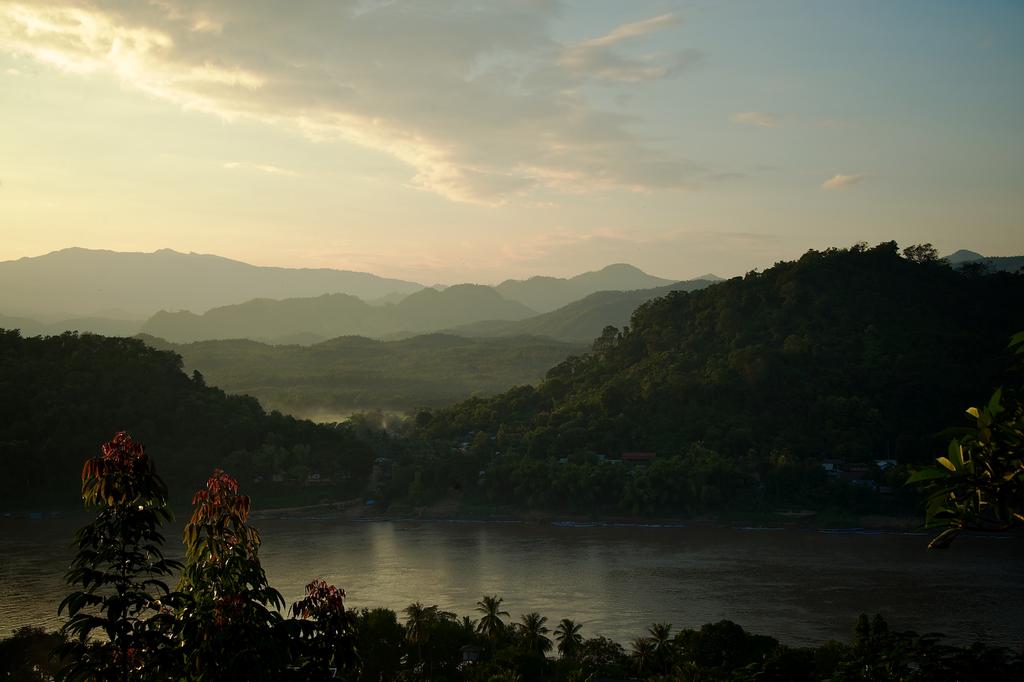
A view of the mekong in Laos. The river is the lifeblood for 300 million people in southeast Asia.
Mary Kate McCoy is a staff writer at Conservation International. Want to read more stories like this? Sign up for email updates. Also, please consider supporting our critical work.