Protecting nature starts with science. Here’s a roundup of recent scientific research published by Conservation International experts.
1. Flood prevention in Southeast Asia’s largest river
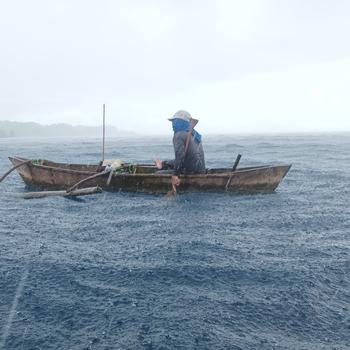
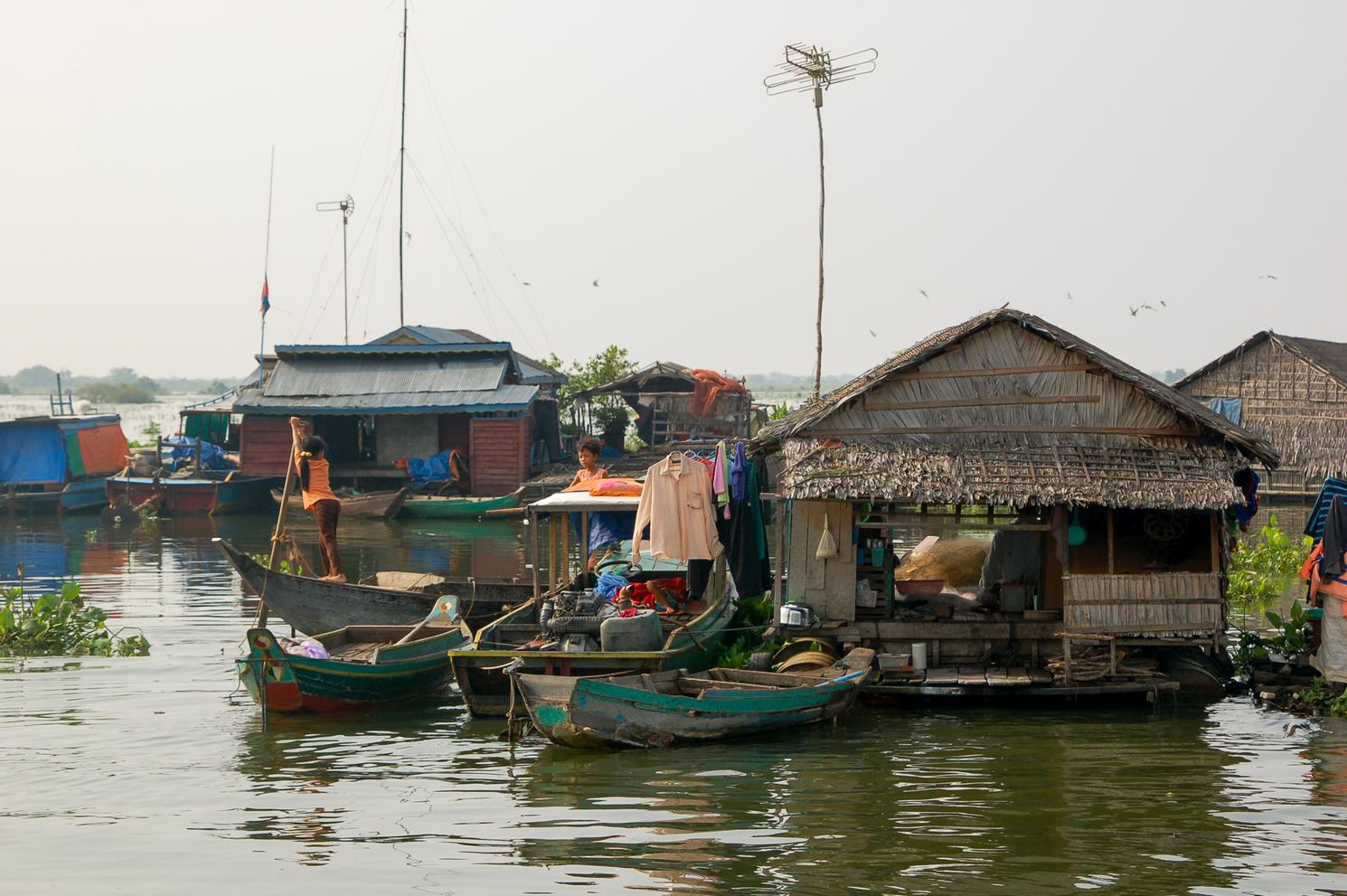
The Mekong Basin is the lifeblood of Southeast Asia, providing fresh water, food and energy for more than 60 million people across the region. But a barrage of threats — from climate change to unsustainable development — are endangering this critical ecosystem.
To manage these risks, local and national governments must do a better job of coordinating to develop and manage dams, mitigate floods and sustainably manage fisheries across the Mekong, according to a new study.
Examining the Se Kong, Se San and Sre Pok rivers in the Mekong basin, the study’s authors found that climate change will lead to increased rainfall in the region, which in turn will require a change in dam operations to reduce flood hazards. For example, releasing water earlier in the wet season — which lasts from May to November — could help decrease flood damage. Additionally, restoring wetlands and floodplains could help absorb excess water.
However, developing coordinated responses to these climate impacts may be difficult because these rivers span multiple countries, including Lao PDR, Vietnam and Cambodia.
“Depending on where you are in the Mekong, different communities may have different priorities and political systems that affect the way they conserve it,” said Conservation International scientist Derek Vollmer, one of the study’s co-authors. “But the fact of the matter is freshwater ecosystems and the species within them do not adhere to geographic boundaries set by people. You can’t just protect one place or one ecosystem; you need to focus on the entire basin.”
Actions taken upstream in one country can affect communities downstream in another. For example, damming a river to build a hydropower plant could impact fish migration, creating ripple effects for entire ecosystems — and threatening food security and biodiversity. Similarly, diverting water to irrigate crops could reduce the amount of drinking water available for communities.
To help decision makers evaluate these trade-offs in the Mekong Basin and other regions, Conservation International is working with NASA to deploy the Freshwater Health Index — a framework that scores the health of freshwater ecosystems, whether people are getting the water services they need and the level of coordination among the people who govern water use. So far, the Index has helped communities forecast climate impacts — and map out strategies to mitigate them. NASA scientists are developing tools to process relevant satellite datasets — including fluctuations in temperature and rainfall — and create models showing how different climate change scenarios could impact the basin. These tools are being made available to local technical agencies to help them replicate similar assessments in their communities.
“Knowing how climate change will affect ecosystems can help countries prepare and adapt,” Vollmer said. “The next step is to provide more specific information at the local level. The more detailed results we can obtain from the Freshwater Health Index, the better we can help communities work together to protect the freshwater resources they depend on.”
2. New deep-sea coral species faces looming threats
For well over a century, a deep-sea black coral was mistaken for a known species. Now, it’s finally getting its due, reclassified as a new species and given its own name: Bathypathes pseudoalternata.
The reclassification is described in a new study for which scientists relied on underwater robots to collect samples and photographs hundreds of meters below “scuba diving level” in every ocean basin around the world. Using DNA analyses, high-resolution videos and scanning electron microscopy to retrieve detailed information on the coral’s tissue, they were able to determine that Bathypathes pseudoalternata was, in fact, an entirely different species than originally thought.
The species — characterized by its brown stem and small, fern-like branches — belongs to a group of corals that includes the longest-living organisms in the ocean, with life spans ranging from several centuries to more than 4,000 years.
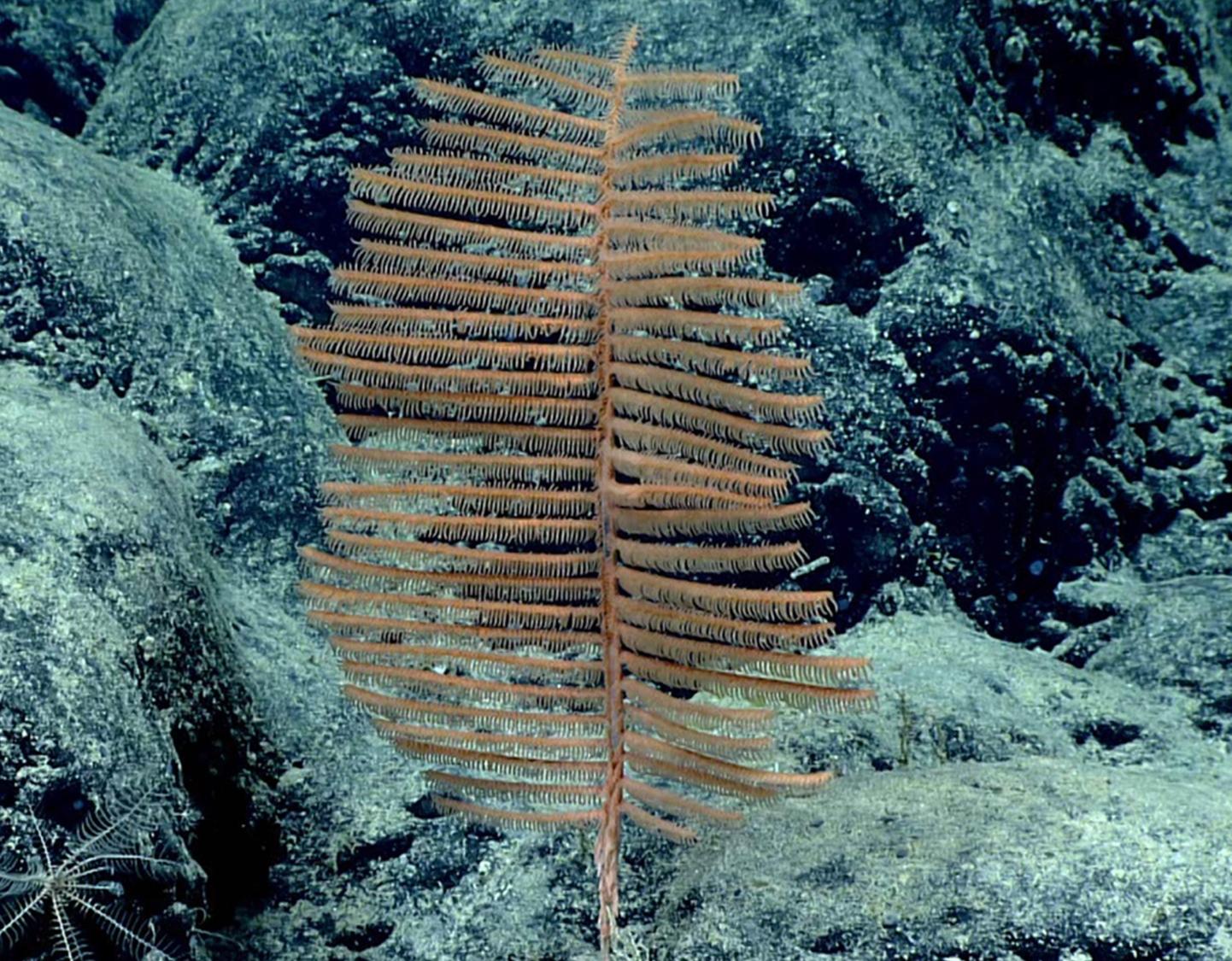
Bathypathes pseudoalternata © NOAA Office of Ocean Exploration and Research
“Black corals are extremely slow growing and provide important habitats for a wide variety of organisms in the deep sea — from fishes to crustaceans to mollusks, many of which are adapted to live exclusively on black corals,” said Daniel Wagner, a co-author of the study and marine scientist at Conservation International. “This discovery highlights how little we still know about the deep sea — and the importance of protecting it.”
According to the study, the extremely slow growth rates of black corals makes them particularly vulnerable to human impacts, such as bottom fishing and deep-sea mining.
- FURTHER READING: Newly discovered coral species face uncertainty in Pacific’s depths
“This species occurs in areas that contain commercially valuable cobalt-rich ferromanganese crusts — seabed mineral resources that are actively being explored,” Wagner said. “The trouble is, to date, scientists have only surveyed a fraction of the deep-sea floor, and mining there threatens to destroy critical marine ecosystems that haven’t even been explored yet. This study adds to the mounting scientific evidence that these fragile deep-sea habitats should be protected from seabed mining activities.”
3. Prioritizing protected areas as a tool to stop widespread extinctions
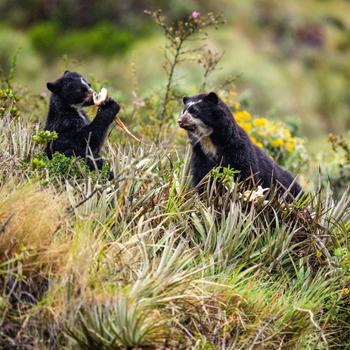
According to a new study, mammal diversity within protected areas is 66 percent greater than in non-protected areas.
Researchers at the University of British Columbia compiled data using images from more than 8,000 motion activated cameras — known as “camera traps” — in wildlife habitats across 23 countries. Many of the snapshots were pulled from Wildlife Insights, a cloud-based platform developed by Conservation International and partners that enables researchers to view, share and analyze camera-trap data and images from around the world.
“Protected areas are one of the most important tools in our conservation toolbox — we know they help save wildlife,” said Jorge Ahumada, a co-author of the study and scientist at Conservation International. “This data for the first time shows us how well they’re working.”
When it comes to protected area management, technology platforms like Wildlife Insights are “game-changers,” Ahumada added. “They provide high quality information in real time, which helps make better decisions for wildlife.”
With countries set to meet later this year to chart a course for protecting Earth’s biodiversity over the next decade, this study provides evidence that protected areas are one of the “final strongholds” for many endangered mammals, Ahumada said.
“This is the largest number of wildlife cameras ever analyzed in a single study and shows the benefits of protected areas for all mammals — from duikers in Africa to jaguars in South America,” Ahumada said. “We’re facing a global biodiversity crisis that threatens millions of species. Countries must put a greater focus on strengthening existing protected areas, creating new ones and monitoring how wildlife populations are changing to prevent extinctions.”
Kiley Price is the staff writer and news editor at Conservation International. Want to read more stories like this? Sign up for email updates. Also, please consider supporting our critical work.
Cover image: Tonle Sap in the Greater Mekong basin (© Conservation International/photo by Tracy Farrell)