Editor’s note: “Heal our planet, protect our future”: six words driving a global movement to protect nature. Conservation International and our supporters are meeting the moment in an ambitious new campaign. In recognition of this campaign, Conservation News is spotlighting some of our stories and successes from around the world. Click here to make a gift and support this critical work.
The Amazon is not only one of the most biodiverse places on Earth — it is one of humanity’s greatest allies in stabilizing the climate. Every day, its forests absorb carbon while supporting millions of lives and cultures shaped by its rhythms for generations.
Yet the Amazon’s forests continue to be chipped away. Communities across the region are working with Conservation International to protect what remains, restore what has been lost and better understand the natural systems that sustain us all.
Here are three stories of hope — and proof that the Amazon’s next chapter has yet to be written.
New protected area a win for Amazonian wildlife, people
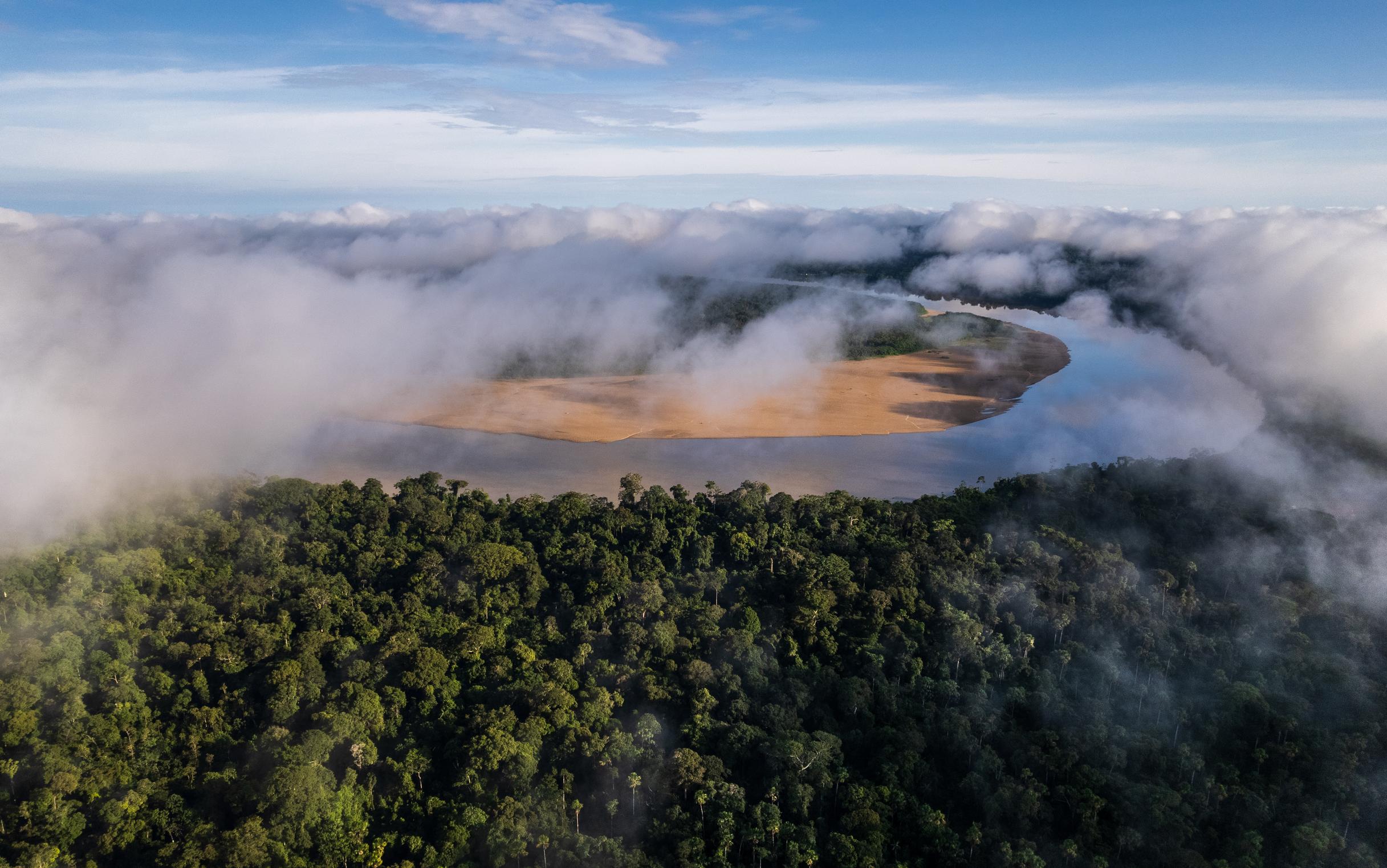
In one of the most remote corners of northern Peru — where rivers from the Andes meet the slow-moving Algodón — Indigenous communities have achieved a conservation milestone more than a decade in the making.
For years, illegal logging and mining put pressure on this remarkable landscape and the people who depend on it. Now, thanks to community leadership and support from Conservation International, the Peruvian government has established the Medio Putumayo-Algodón Regional Conservation Area, protecting more than 700,000 acres of irreplaceable forest.
For the region’s 5,000 Indigenous people, the designation is more than a conservation win — it is recognition of their sovereignty. Sixteen communities have gained formal legal status, strengthening their rights to manage the forests, rivers and medicinal plants they have stewarded for generations.
This new protected area connects a vast conservation corridor spanning 18,000 square kilometers, enabling wildlife like jaguars, pink dolphins and giant otters to move freely across the landscape. And by preserving one of Peru’s largest carbon stores, the region will continue to help stabilize the climate for decades to come.
Read more here.
How a family farm in the Amazon landed on the world’s best menu
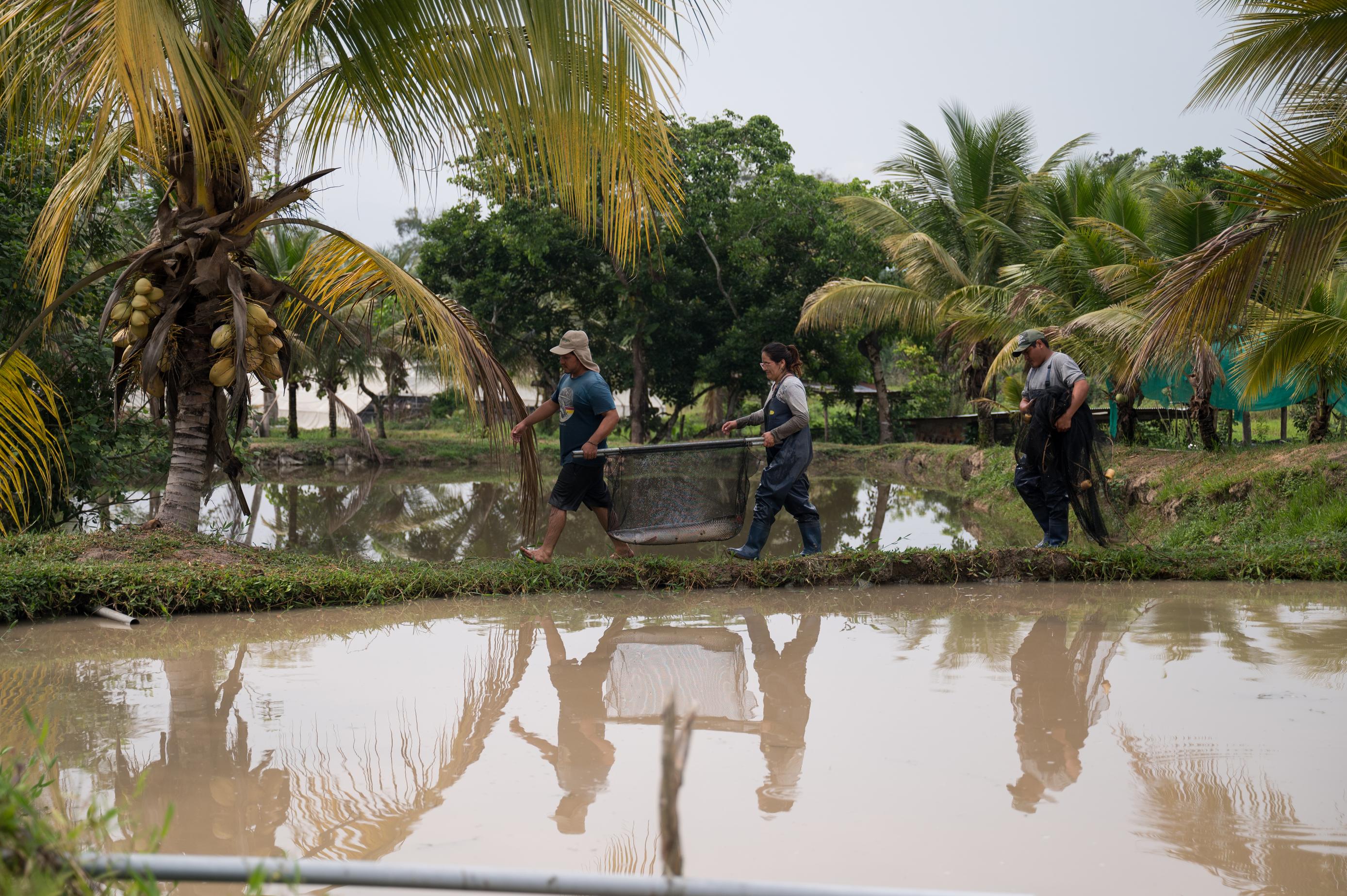
Deep in the Peruvian Amazon, a family once known for clearing forest for cattle and rice is now raising fish sustainably — supplying the world’s best restaurant while helping revive the region’s ecosystems.
At the Pucayagro farm, Alex González and his son Luis made a bold decision two decades ago: Instead of continuing practices that depleted their land and income, they began planting native trees like aguaje and açaí. Over time, streams returned. Wetlands revived. Wildlife came back. Today, the farm hosts more than 90 species of birds alone.
Building on that success, the González family partnered with Conservation International to convert former rice paddies into aquaculture ponds. The result is a closed loop system where water from fishponds nourishes crops, and crop byproducts feed the fish — reducing waste, increasing productivity and protecting surrounding forests.
Their star product is paiche, a giant Amazonian fish traditionally harvested from the wild. Once at risk from overfishing, paiche is now sustainably raised at Pucayagro and served in top restaurants, including Maido in Lima — recently named the best restaurant in the world.
The transformation has changed more than the family’s income; it has inspired neighboring farmers to adopt similar approaches, showing that economic success and ecological restoration can go hand in hand. As demand for sustainable Amazonian products grows, stories like this are proving that nature positive businesses can flourish — and protect the forest in the process.
Read more here.
‘I almost couldn’t believe it’: Amazon expedition stuns researchers
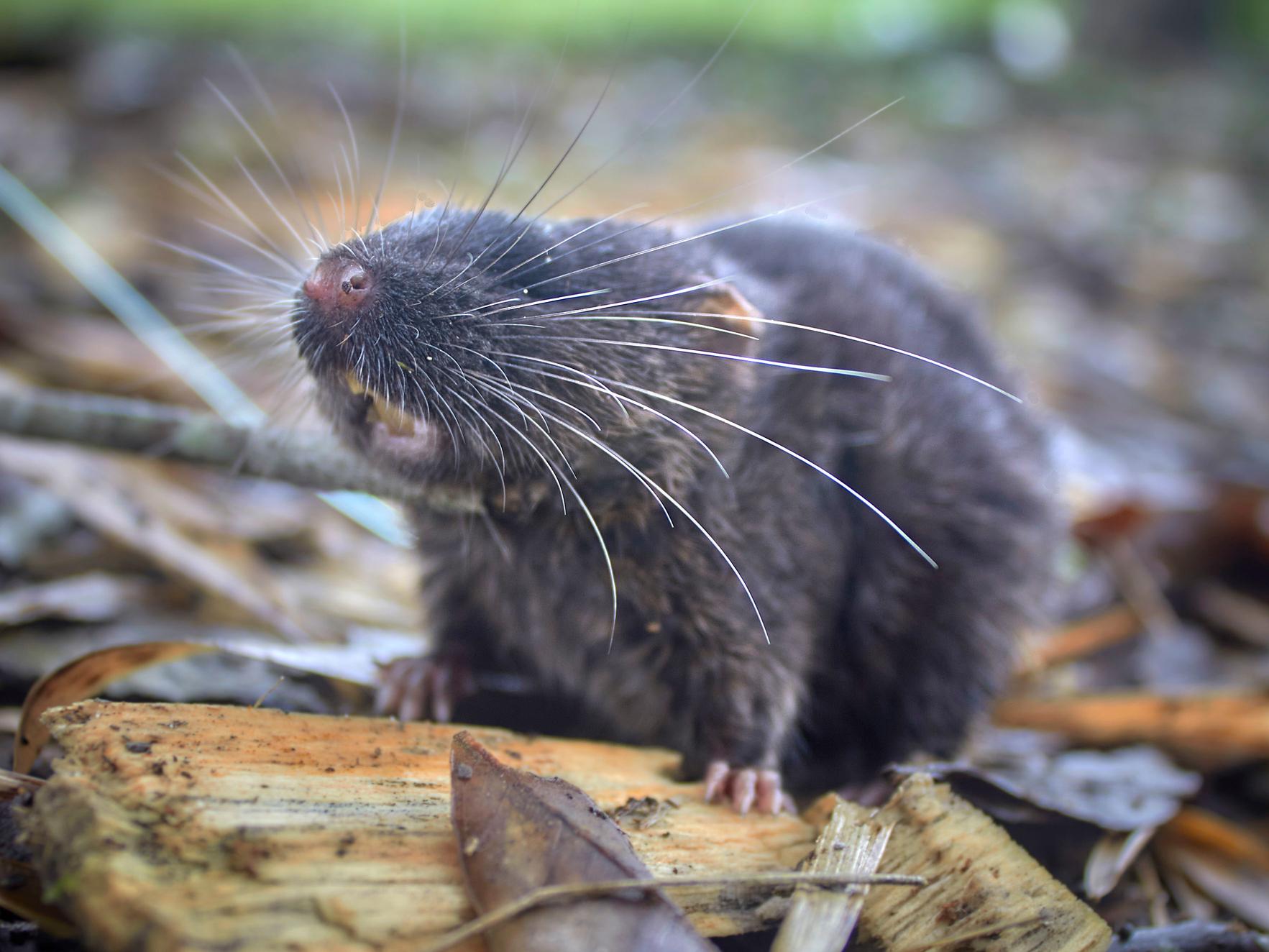
In Peru’s Alto Mayo region — a patchwork of cloud forests, farms and recovering ecosystems — a team of scientists set out to document species as part of Conservation International’s Rapid Assessment Program. What they found stunned them.
Within weeks, the team encountered more than 2,000 species of plants and animals, including 27 new to science and dozens more threatened with extinction. Among the discoveries were four mammals new to science — an astounding finding in a landscape long assumed to be too degraded to harbor such richness.
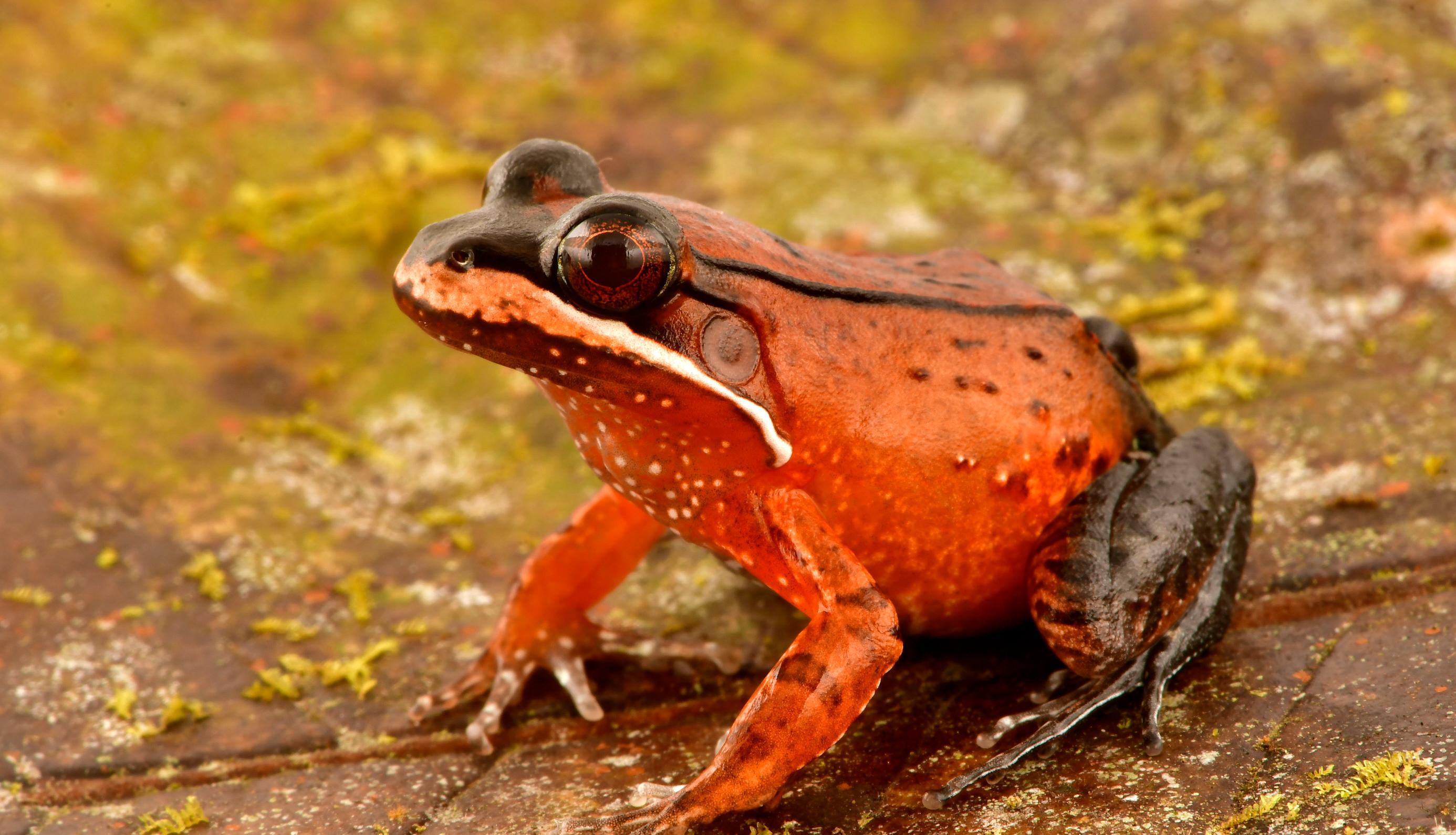
The expedition’s first surprise came in the form of an endangered harlequin frog, spotted far below its known range. That discovery set the tone for an expedition that repeatedly challenged assumptions about where biodiversity can thrive.
Working alongside Indigenous guides from the Awajún community, researchers trekked through swamps, coffee fields and logged areas, uncovering species even in places marked by human activity. Their findings reveal a powerful insight: Small patches of healthy forest, even within working landscapes, can support remarkable life — if given the chance.
The work is part of a broader effort to help Alto Mayo communities build sustainable livelihoods while protecting the forests they depend on. By documenting what lives in these ecosystems, the team is helping inform future conservation plans — and giving local communities the information they need to steward their lands with confidence.
Read more here.