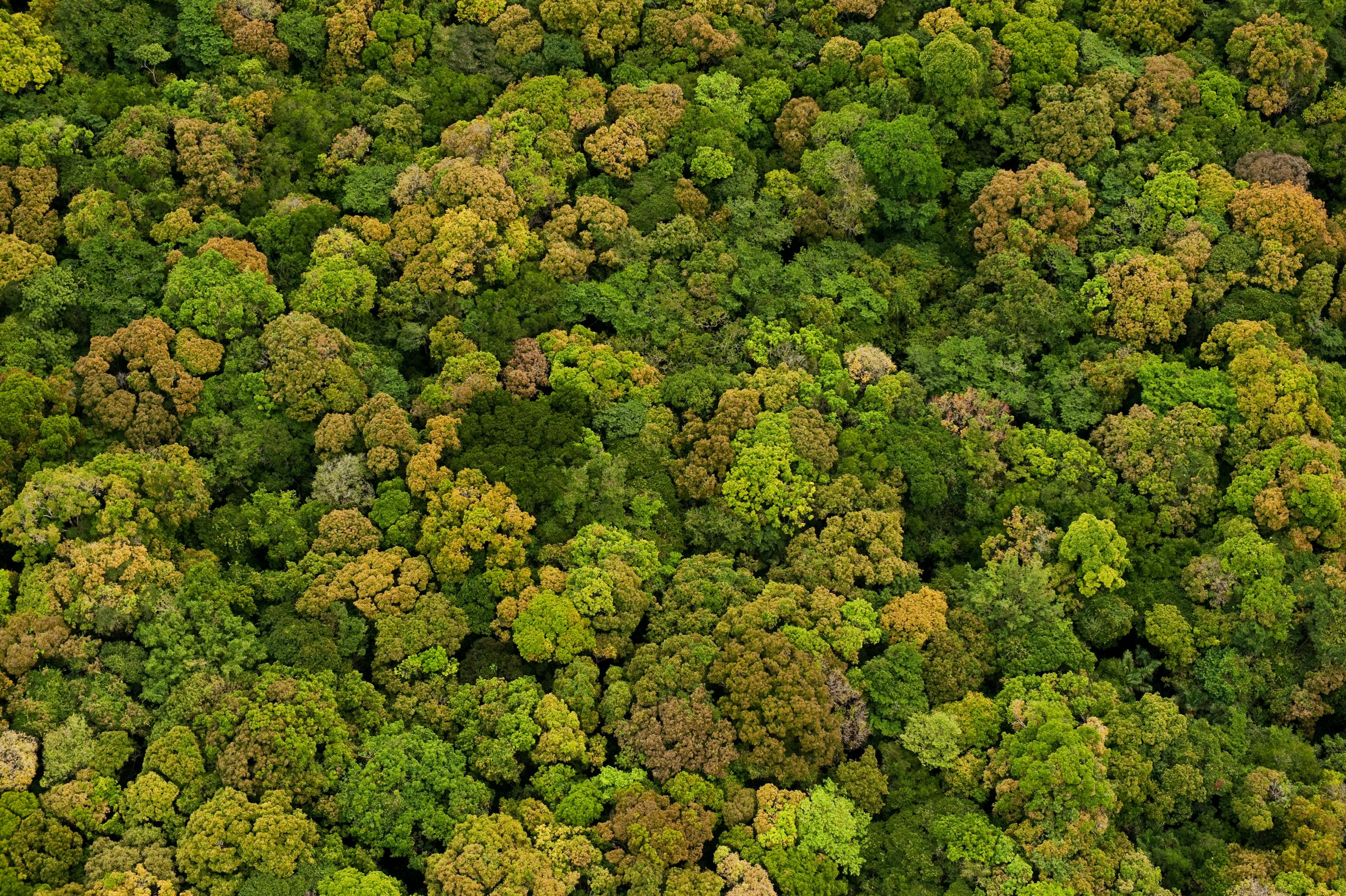
The shade of a tree can offer instant relief from the heat. But how much can forests buffer scorching temperatures during an extreme heat wave?
A lot, according to a new study.
During the 2021 Pacific Northwest heat dome, when temperatures soared to 50 degrees Celsius (121 degrees Fahrenheit), dense forests were up to 3 degrees Celsius (5.4 degrees Fahrenheit) cooler than areas of a forest that had been cut down, according to researchers.
“That’s a big difference — especially for the wildlife that lives on the forest floor,” said Conservation International scientist Kavya Pradhan, a study co-author. “We’ve known for a long time that forests are one of humanity’s best allies to keep climate-warming carbon out of the atmosphere and fight climate change. This study provides even more evidence that they can help keep our planet cool, even with brutal heat waves.”
This study is one of the few to measure the cooling effect of forests during extreme heat. As heat waves become increasingly common, forests everywhere can provide a reprieve from extreme temperatures, not only for wildlife and plants living within them, but also for people, Pradhan added. This is critical, as studies show extreme heat poses dangerous threats to human health.
© Trond Larsen
Pradhan and other researchers measured temperatures in three locations in a Washington state forest: a clear-cut area, an area that had been thinned for restoration, and an area dense with trees. They found that thinned forests were also cooler than clear-cut areas by 2 degrees Celsius. And when compared to regional temperature data, the ground temperature in the dense forest was 4 degrees Celsius (7.2 degrees Fahrenheit) cooler.
While the findings provide new insights, Pradhan said there’s still much we don’t know about the effects of extreme heat on forests. For example, how often can forests be hit by heat waves without experiencing extensive damage? And will heat stress hinder their ability to buffer heat?
“Heat waves are difficult to predict, which makes them difficult to study,” Pradhan said. “But we know climate change will make them more frequent and intense, so it’s essential we understand the connection between forests and extreme heat.”
The research also raises questions about forest restoration methods, such as the practice of thinning trees to prevent competition for space and resources.
“That technique helps the forest mature into an old-growth forest, which is more resilient to climate change in the long term,” Pradhan said. “Yet in the short term, our study shows that thinned forests provide less of a buffer in extreme heat.”
Whether repeated extreme heat waves will have a lasting effect on forests is an open question — and one Pradhan and other researchers are trying to answer. The stakes are high: The ability of forests to handle the heat could have implications for climate strategies on a warming planet.
Further reading:
- Heat waves put spotlight on overlooked climate ally
- Study: Protected forests are a climate powerhouse
Mary Kate McCoy is a staff writer at Conservation International. Want to read more stories like this? Sign up for email updates. Also, please consider supporting our critical work.