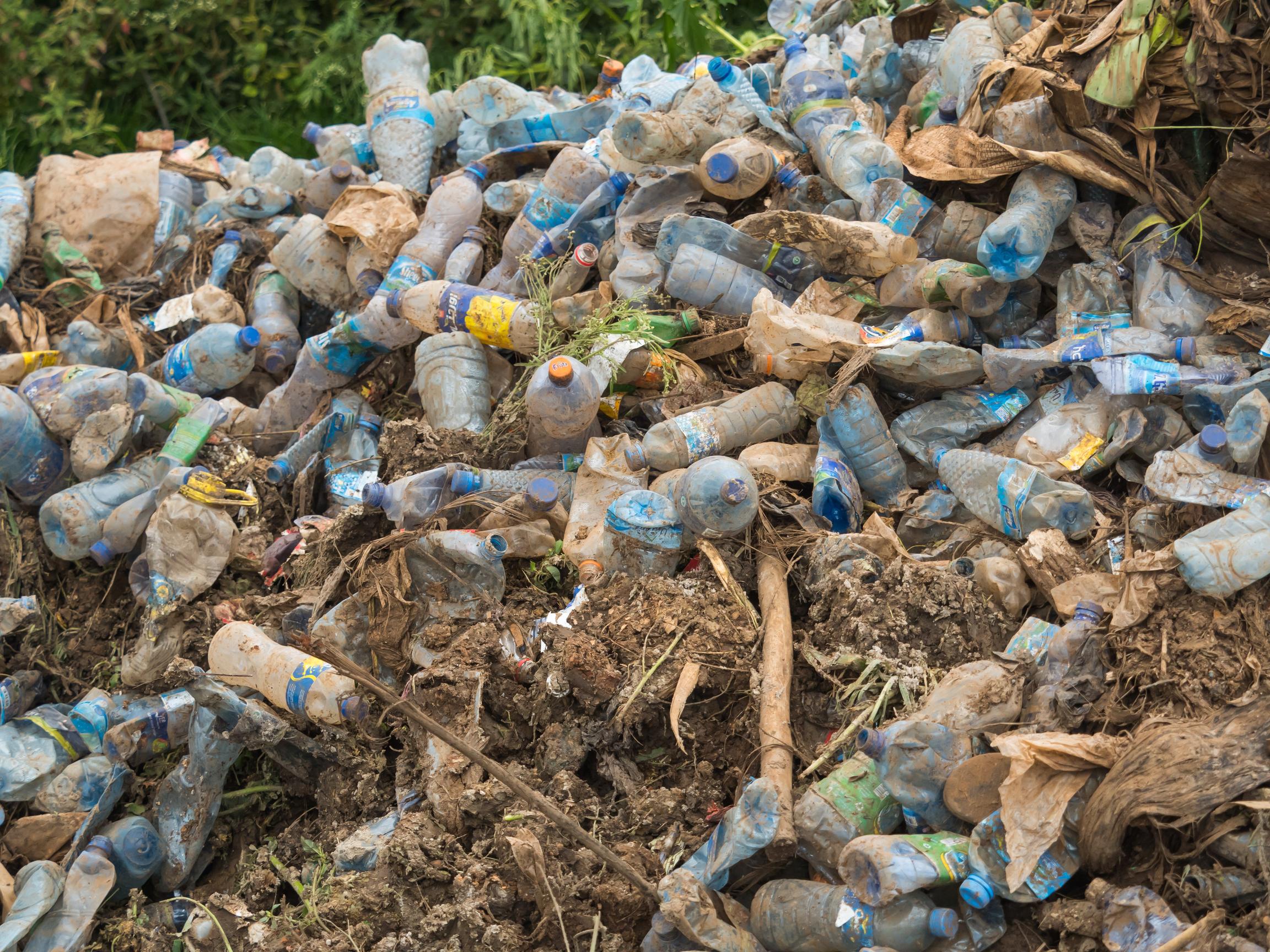
Simple tips to help you cut down on plastics in your everyday life.
Discover more tips to help you live sustainably:
Avoid single-use items
Especially things wrapped in (or made of) plastic: coffee pods, to-go utensils, disposable razors, etc. The items and their packaging end up in landfills and in the ocean, threatening marine life. Reduce the amount of trash you produce by buying items in bulk (bring your own containers!) or find reusable alternatives, which can be more cost-effective in the long term.
Bag your polyesters
When washing clothes made from synthetic fabrics, e.g., polyester or nylon, use a washing bag — like a Guppyfriend bag — to catch microplastic fibers that would typically go down the drain and end up in our waterways. According to one 2016 study, as many as 700,000 fibers could be released per wash.
Banish bottled water
Producing just one plastic bottle of water — including transporting and refrigerating it — requires 2,000 times as much energy as producing the same amount of tap water. It also creates massive amounts of plastic waste. Save money and keep plastic out of landfills and oceans by carrying a reusable bottle instead.
Bring your own bag
The next time you head to the grocery store, bring your own reusable shopping bag. Try to keep one in your car trunk or the bottom of your backpack? Forgot? Yep, that happens to the best of us. Many grocery stores allow you to bring plastic bags back so they can be reused.
Cosmetics so safe, they’ll make you blush
Switch to make-up that's vegan, animal-cruelty-free and — most importantly — features recyclable or refillable packaging. The cosmetics industry produces billions of packages each year, and .
Make your own cleanser
You can create a variety of powerful, homemade cleansers using basic pantry staples, such as baking soda, vinegar or even toothpaste. Make your own glass cleaner, grease buster, detergent booster and more. New direct-to-consumer companies will send you glass containers and refills in the mail; to cut down on shipping weight, some companies even send tablets you dissolve in water. No matter the route, you'll reduce your plastic consumption and help keep nasty chemicals out of the environment.
Dismiss disposable cups
Instead, use permanent mugs and glasses when making coffee, tea or visiting the office water cooler. You’ll reduce the amount of waste your office generates and set an easy-to-follow example for your co-workers.
Ditch plastic trash bags
Opt for paper bags or simply go bagless — wash out your trash and recycling bins instead. Those plastic garbage bags can take up to 100 years to decompose, damaging ecosystems and harming wildlife in the process.
Pack your own snacks
Save on paper and plastic when you fly by declining in-flight snacks. Instead, make it a habit to fly with your own munchies and a reusable cloth napkin.
Quit microbeads
Stop using body scrubs, face washes and toothpastes laced with microbeads. These tiny, plastic balls are so small they sail straight through filtration systems and end up in our oceans and fresh waterways — 8 trillion every day, according to scientists.
Relaunch your lunch
The next time you pack your school lunch, opt for a reusable bag rather than paper. And instead of a plastic sandwich bag, try wax paper or a reusable sandwich bag. You'll save some trees and reduce your plastic waste.
Sip smarter
Billions of disposable coffee cups are trashed each year, and, thanks to their polyethylene linings, most are unrecyclable. The next time you head to the coffee shop, bring a reusable cup. Do you order via an app? We hear you, saving time is great — but consider the cost to the planet.
Multiply Your Impact

Your support reaches further than you think.
Every private donation helps unlock additional funding from governments, foundations, and institutional partners — multiplying impact by up to 300%
Skip the Styrofoam
Take a cue from the Big Apple and cut Styrofoam out of your life. Styrofoam, or foamed polystyrene, is rarely recyclable and does not biodegrade. When ordering takeout, take note of which restaurants use Styrofoam. Encourage them to find biodegradable solutions or choose another restaurant and tell them this was an important part of your decision.
Slow down your fast fashion
Avoid synthetic and plastic-based fabrics like polyester, nylon and spandex as they take decades to decompose. Opt instead for natural materials like wool, linen, silk and cotton.
Craft conscientiously
Avoid synthetic crafting and decorative materials like glitter, Styrofoam and thermocol. These polystyrene derivatives do not decompose and represent a genuine pollution threat. Instead, choose eco-friendly materials like recycled construction paper, acid-free glue sticks and refillable dry-erase markers.
Recycle smarter
Recycling works — but not everything labeled “recyclable” actually gets recycled. In the U.S., metals (like aluminum cans) and cardboard are widely and reliably recycled. Clean paper and rigid plastic bottles are often accepted as well. But thin plastics, multi-layer packaging, plastic bags and many takeout containers frequently end up in landfills, even if they carry a recycling symbol. When in doubt, check your local guidelines. Recycling rules vary by city because they depend on local processing facilities and markets.
This is the last straw
The next time you order a drink, ask for no straw. Each year, some 8 million metric tons of plastic waste finds its way into the world's oceans, and plastic straws are one of the leading offenders.
Travel plastic-free
When traveling, bring your own reusable water bottle and shopping bag, and stay away from travel sizes of your favorite products and complimentary shampoo bottles found in hotels. Instead, decant your own toiletries into reusable travel-sized containers or, better yet, bring shampoo and soap bars.
Turn your bathroom into an eco-room
Try to make your bathroom a plastic-free zone. Buy bar soap and shampoo; get a bamboo toothbrush (some have replaceable heads); and switch to toothpaste tablets instead of tough-to-recycle tubes. Remember: It may only stay in your home for a few weeks, but it will linger in landfills or oceans for generations.
Tweak your tea
Did you know that many teabags are made with plastic? Reduce your plastic consumption by switching to a brand that doesn't use synthetic materials. Or turn over a new leaf and start drinking loose-leaf tea instead. Buying in bulk could even help you save money.
Wash your hands of wet wipes
These convenient cleaning aids conceal a dirty secret: Most are made with plastics, which don't biodegrade but break down into microplastics that infiltrate our food chain.
Wipe out plastic wrappers
Look for toilet paper and other paper items wrapped in paper packaging, not plastic. It's a simple way to cut down on the millions of tons of plastic waste that ends up in U.S. landfills each year.
Step up to the bar
Instead of liquid soap in a plastic bottle, try a cleaner alternative: package-free bar soap. You'll help cut back on the billions of pounds of plastic waste generated each year — including often unrecyclable pump dispensers. There are a few “direct to consumer” brands that sell glass bottles and biodegradable vials of concentrated soap — just add water!