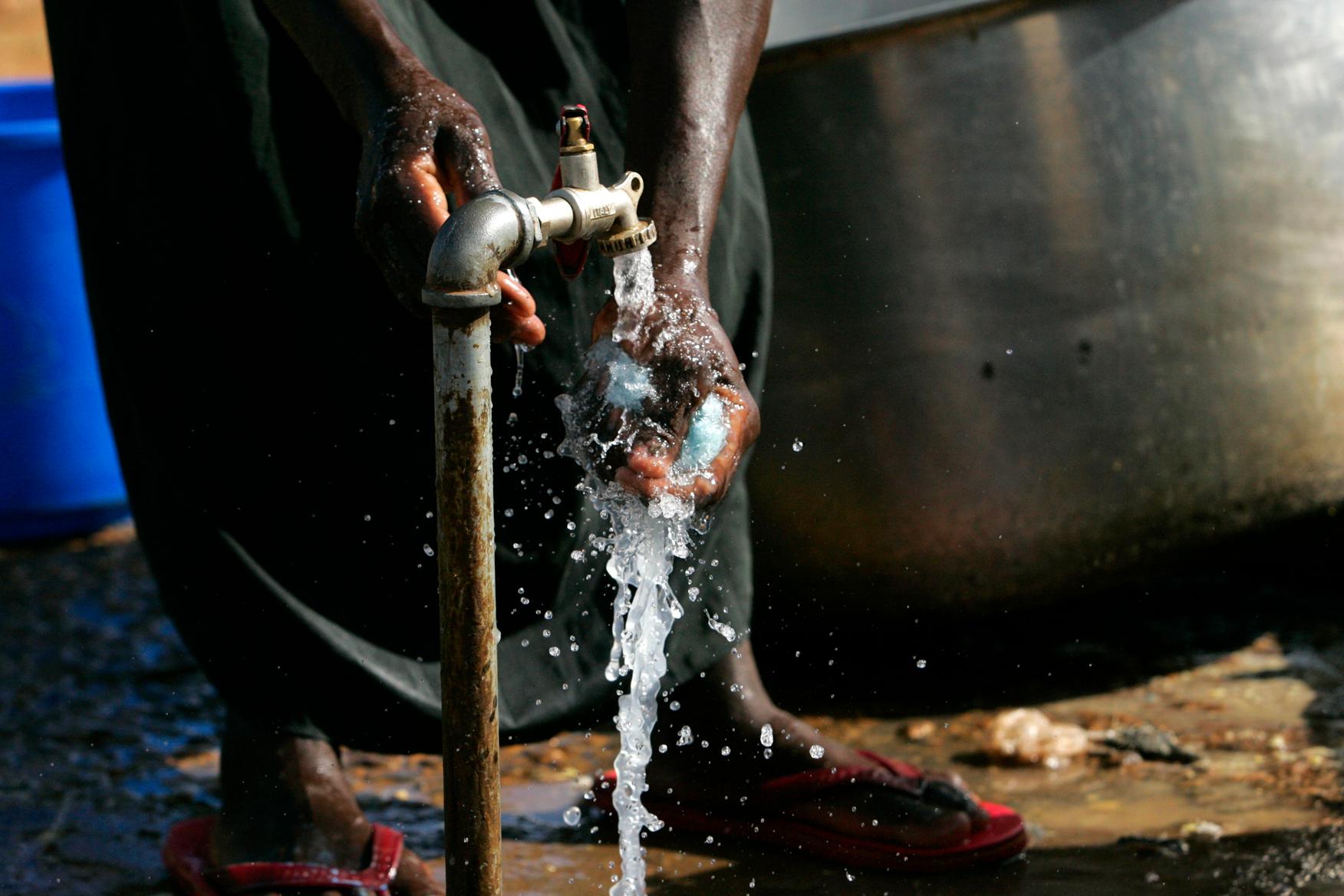
Simple tips to help you reduce the amount of water you use.
Discover more tips to help you live sustainably:
Prompt with purpose
Every digital tool runs on physical infrastructure — including the data centers that power AI. Many of those facilities rely on freshwater for cooling. As AI use grows, so does the demand. The water cost of a single query varies widely by location and season — and isn’t always transparent. Use AI when it meaningfully saves time, replaces energy-intensive work or enables something you couldn’t do otherwise. For quick lookups and simple tasks, lower-impact tools often suffice.
Compost your food scraps
Trashed food ends up in a landfill, where it rots and emits methane — a powerful greenhouse gas that contributes more to global warming than CO2. Toss your leftovers in a compost bin instead. They’ll emit no methane, and you’ll reduce the energy needed to haul your garbage to the dump. And if you’re a gardener, adding compost to your soil will enrich it while increasing moisture retention, reducing the amount of watering you’ll need to do.
Plant for the locals
The average American lawn is an ecological desert — a tidy monoculture of non-native grass that supports almost no wildlife and demands staggering resources: 3 trillion gallons of water, 200 million gallons of gas and 70 million pounds of pesticides each year. Try gardening with native plants instead. Replacing even a portion of turf with native wildflowers has a measurable effect: more pollinators, more insects and more birds. Even a small patch is enough to start rebuilding habitat.
Ditch the sprinkler
Outdoor watering is where most residential water is used — and much of it goes to turf grass. Lawns often require more water in a week than native landscapes need in a season. The best options is to replace thirsty turf with groundcovers which require little to no supplemental watering. But if you must irrigate, do it early in the morning. Watering at midday can lose a significant share to evaporation before it ever reaches plant roots.
Banish bottled water
Producing just one plastic bottle of water — including transporting and refrigerating it — requires 2,000 times as much energy as producing the same amount of tap water. It also creates massive amounts of plastic waste. Save money and keep plastic out of landfills and oceans by carrying a reusable bottle instead.
Reduce your rubbish
Not all trash belongs in the trash can. Check with your local government (city or county) or use a website like RecycleNation to find out where you can properly dispose of environment-wrecking refuse like batteries, electronics and medicine. Or hook up with a recycling platform like Terracycle. Either way, you’ll help keep harmful chemicals out of landfills and our water supply.
Say ‘no’ to over-laundering
The next time you stay at a hotel, ask staff to refrain from washing your towels and sheets after every use. You'll reduce water consumption — hotels account for 15 percent of all commercial water use in the U.S. — and you'll conserve the energy needed to heat the water.
Showering beats soaking
A five-minute shower uses 10 to 25 gallons of water, whereas a bath can use up to 70 gallons of water. Even a 10-minute shower uses less water than a typical bath. Each time you opt for a shower over a bath, you'll save water and the energy required to heat those extra gallons of tub water. Install a waterproof timer on your shower wall to challenge yourself to take shorter showers.
Steer clear of steer
Go meat-free — especially avoiding beef — at least one day each week. Beef is not great for the planet: Production of one quarter-pound burger requires 460 gallons of water and emits 0.126 pounds of methane — a greenhouse gas roughly 25 times more potent than carbon dioxide. Globally, about 15 percent of all human-caused greenhouse gas emissions are due to livestock, nearly two thirds of which come from cattle.
Screen your sunscreen
Shop for sunscreen that’s free of oxybenzone and octinoxate, two reef-killing chemicals that make up part of the 6,000 tons of sunscreen that damage coral reefs each year. Instead look for mineral sunscreen featuring titanium oxide or zinc oxide, and the words “reef safe” on the label.
Wash your clothes in cold water
About 90 percent of the energy used by your washing machine simply goes toward heating the water. Save that energy — and around $40 each year — by washing full loads in cold water instead.
Upgrade your fixtures
Old showerheads use 4–5 gallons per minute. Modern WaterSense-certified models use 2.0 gallons per minute or less — often with better pressure. The same goes for faucets and toilets. Swapping fixtures is one of the fastest ways to permanently reduce household water use without changing behavior.
Multiply Your Impact

Your support reaches further than you think.
Every private donation helps unlock additional funding from governments, foundations, and institutional partners — multiplying impact by up to 300%