Active
Advancing human rights in tuna supply chains
OCEANS

Active
Fishing is one of the most dangerous professions in the world, often characterized by long and isolating periods at sea — frequently beyond the reach of regulators, observers, or worker support. Conservation International works with partners across the Pacific to bring greater visibility, accountability and dignity to tuna supply chains, ensuring people and ocean ecosystems can thrive together.
Millions of people around the world depend on fishing for their livelihoods, yet workers in the seafood sector remain among the most vulnerable to exploitation, unsafe working conditions, and isolation at sea. The International Labor Organization estimates at least 128,000 people are trapped in forced labor worldwide, a likely undercount given the isolation of work at sea. Life aboard distant water vessels involves months or even years at sea. Without regular and reliable onboard connectivity, crew cannot maintain contact with family members, access information, report grievances, verify wages, reach worker organizations, or access assistance. This isolation creates a profound accountability gap that enables abusive practices, allows illegal, unreported, and unregulated fishing to continue, and limits companies' and governments' ability to conduct meaningful environmental and human rights due diligence, exposing buyers to significant regulatory and reputational risks while simultaneously jeopardizing fisher wellbeing, sustainable fisheries, and ocean health.
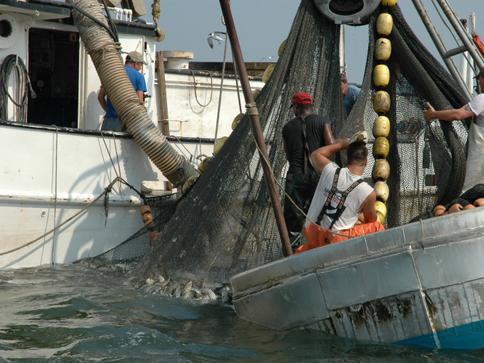
Fishing vessels can spend months at sea, often beyond the reach of traditional oversight. Without reliable monitoring and transparency, labor and safety risks and illegal fishing activities can remain hidden.
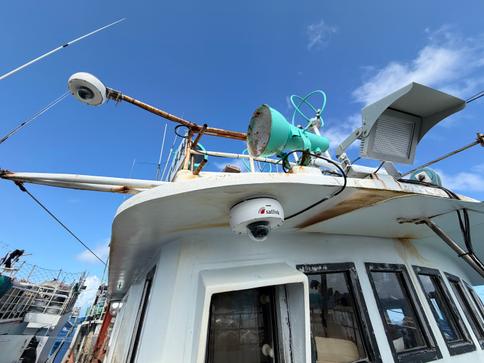
Deploy electronic monitoring systems that independently record fishing activity, improving visibility into both environmental impacts and labor conditions.

Many fishers have limited ability to communicate with family, access worker organizations and support services or report concerns while at sea. Isolation can increase vulnerability and make it difficult for workers to exercise their rights.

Expand connectivity and worker representation through onboard Wi-Fi, grievance mechanisms and access to trusted support networks.

Seafood supply chains are complex, and many companies lack the information and systems needed to understand where labor risks exist and how to respond effectively.
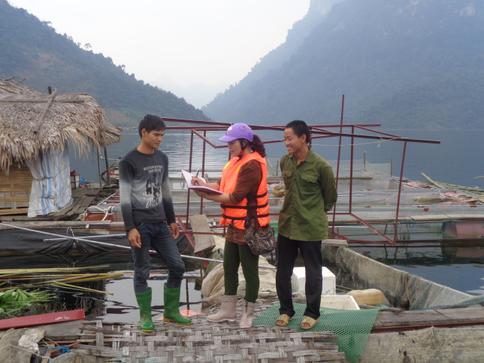
Strengthen human rights due diligence through risk assessment tools, data platforms, and industry guidance.

Lasting change requires governments, industry, civil society, and workers themselves to have the capacity to implement and uphold labor standards.
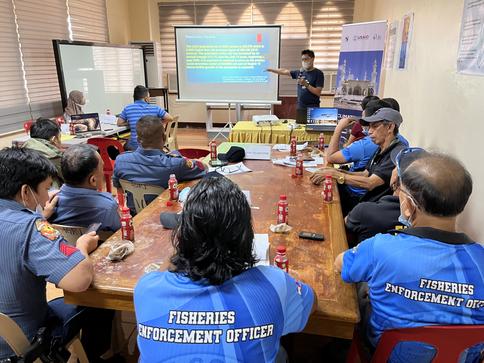
Strengthen institutions and systems that uphold labor protections and enforce standards at national and regional scales.
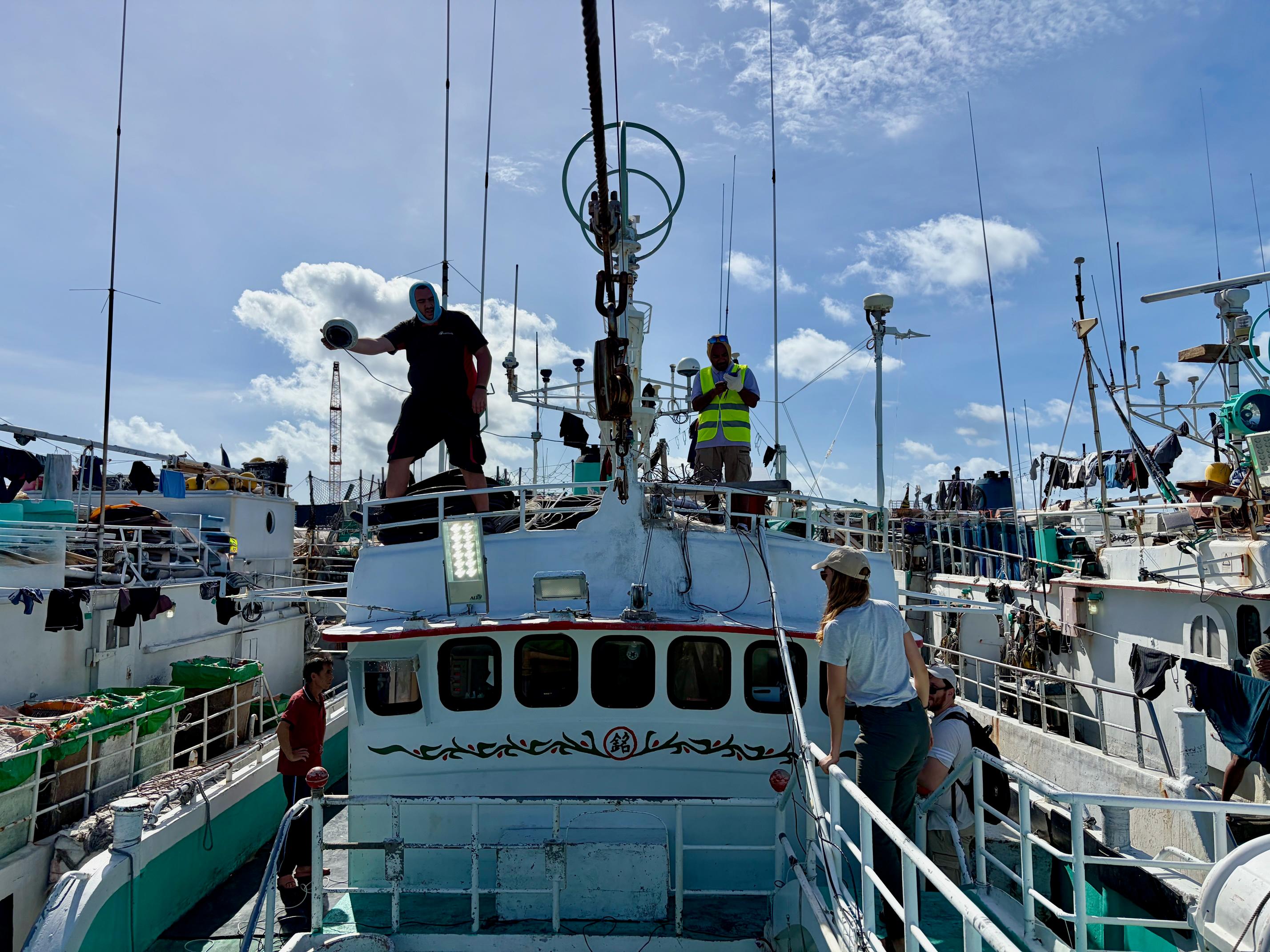
Progress in advancing human rights in seafood supply chains depends on diverse partnerships. The organizations recognized below have supported different elements of the work featured on this page through separate projects, initiatives, and collaborations.



Over the past several years, the Walmart Foundation has provided critical funding that enabled Conservation International and our partners to test new approaches, learn from implementation, and scale promising solutions that strengthen worker protections and advance human rights in seafood supply chains.
Today, that investment continues to support efforts that improve transparency, advance worker representation, strengthen governance and build industry-wide systems for accountability.