Big progress begins with small acts.
In 1970, 20 million Americans took to the streets on the first Earth Day. That collective action helped propel the Clean Air Act, the Clean Water Act and the Endangered Species Act — fundamentally reshaping the nation’s relationship with the natural world. It's hard to imagine what the United States might look like without them.
Today, that legacy is global.
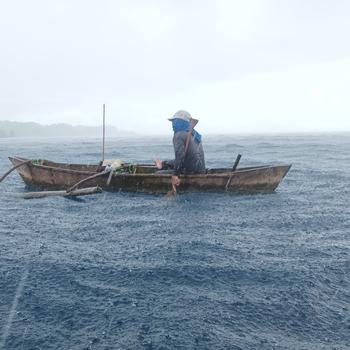
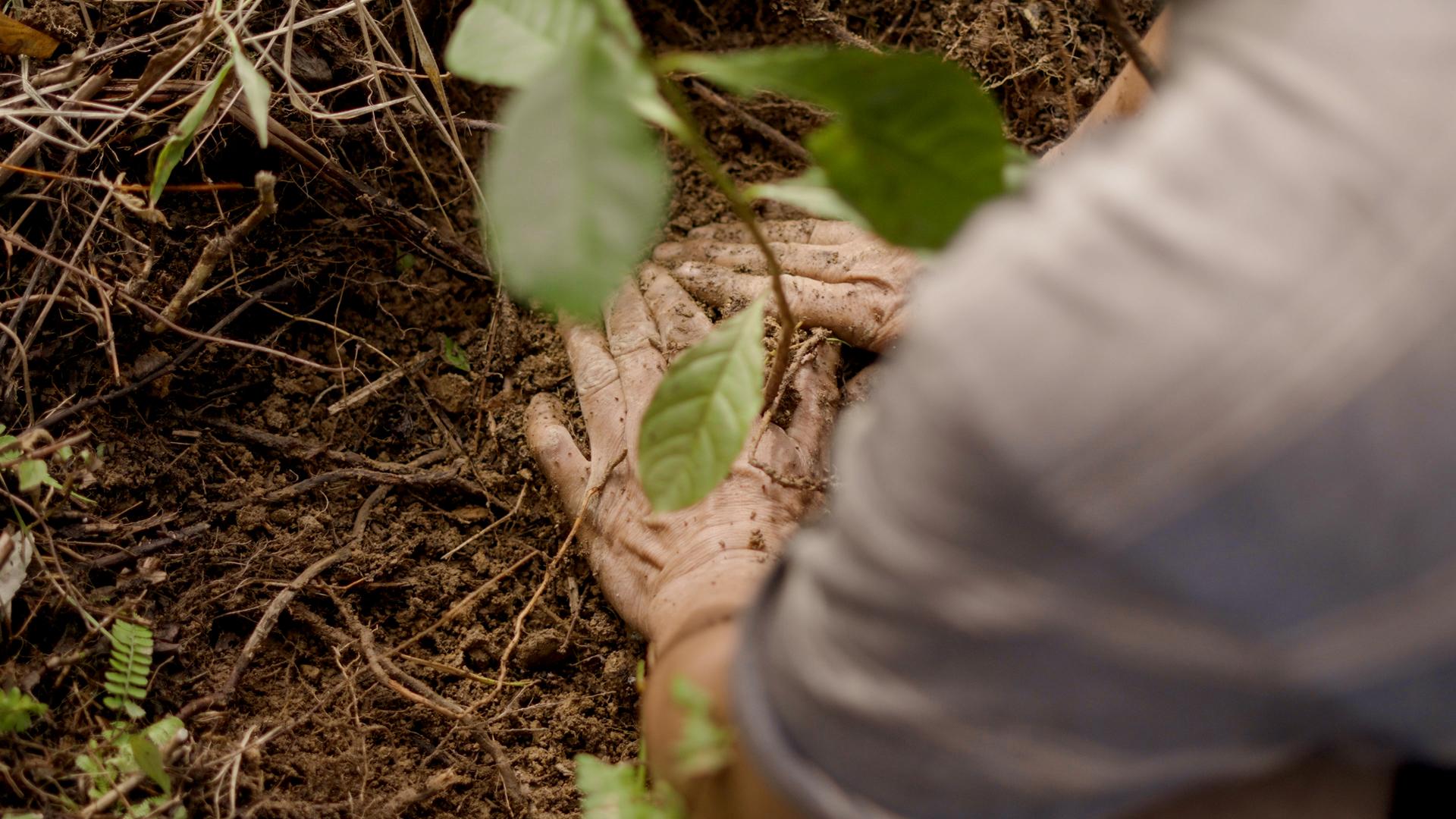
The same force that drove the first Earth Day is still what moves conservation forward today. Around the world, scientists, Indigenous leaders and local communities are pressing seedlings into mud, changing the way they farm and training the next generation to carry the work forward. In Madagascar, they're keeping rice fields from being buried by sediment. In Colombia, they're helping mountains hold water again. In Timor-Leste, they're reading the reefs and acting on what they find.
It is persistent, human-powered work. This Earth Day, we’re sharing a few of those stories.
Protecting the mountains that keep water flowing in Colombia
In Colombia's páramos, one conservationist is working with communities to protect a watershed that millions of people depend on.
Replanting a coastline one seedling at a time in Fiji
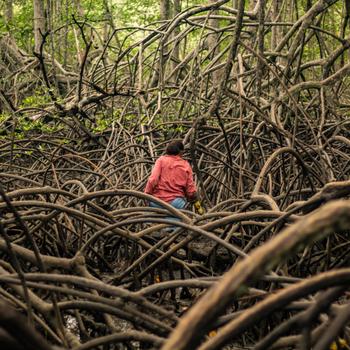
After a devastating cyclone stripped Fiji's coastline of its mangroves, one community is replanting them — seedling by seedling — to reclaim the protection they lost.
The mission to save an endangered turtle in Ecuador
In the Ecuadorian Amazon, an Indigenous woman is bringing a vanishing river turtle back from the brink — one hatchling at a time.
A rice bowl at risk in Madagascar
Communities are reforesting hillsides and restoring marshlands to protect Madagascar's most important rice-growing region from being swallowed by sediment.
A new way of herding in Botswana
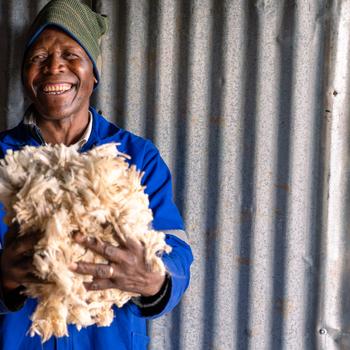
A community-led program is transforming the way families herd cattle — restoring degraded rangelands while protecting the livelihoods that depend on them.
The next generation of reef guardians in Timor-Leste
Young people are learning to monitor coral reefs with hands-on tools — becoming the guardians their coastline needs.