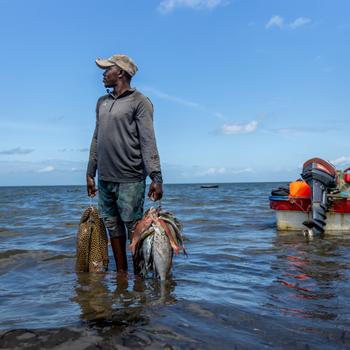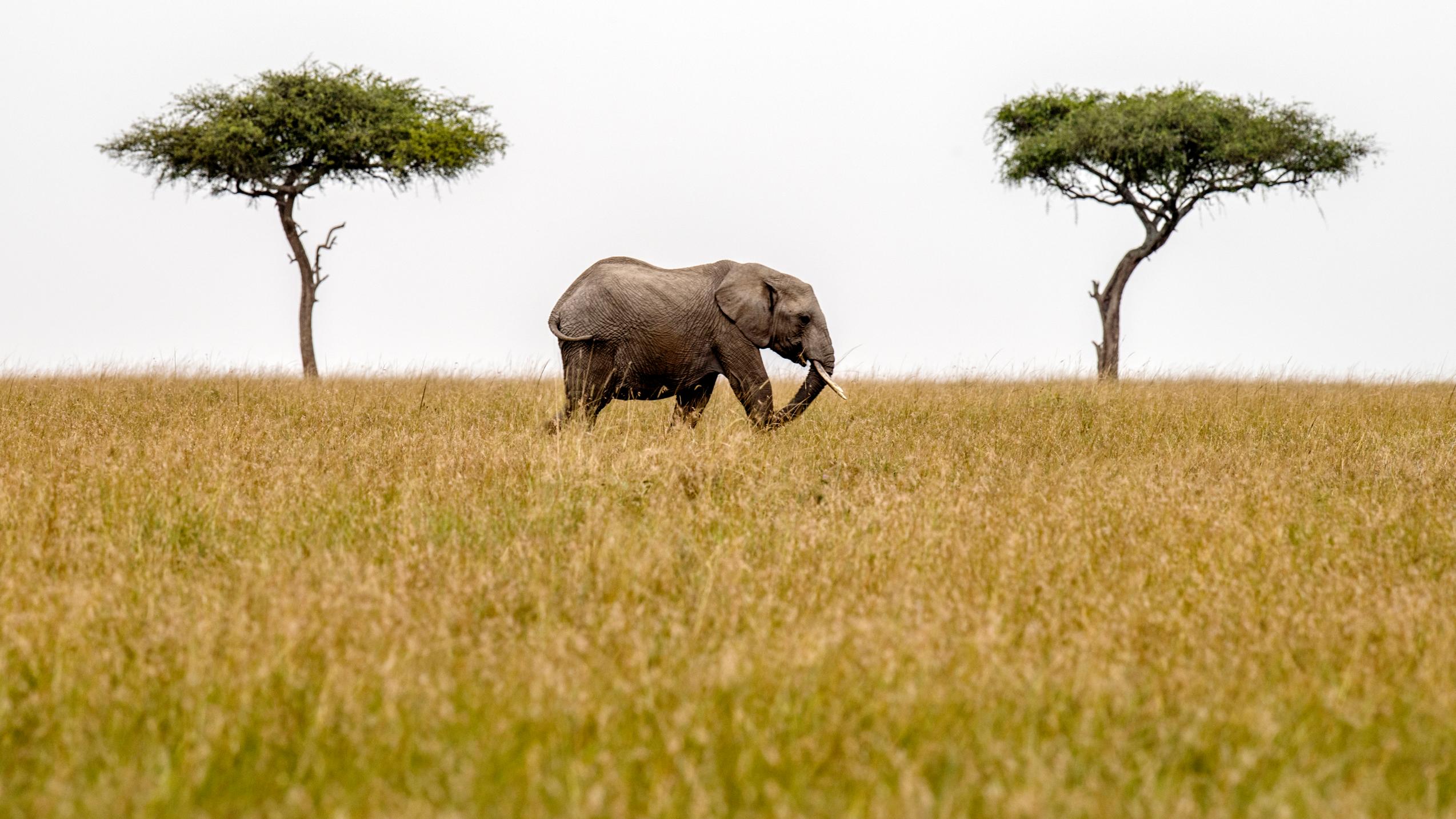
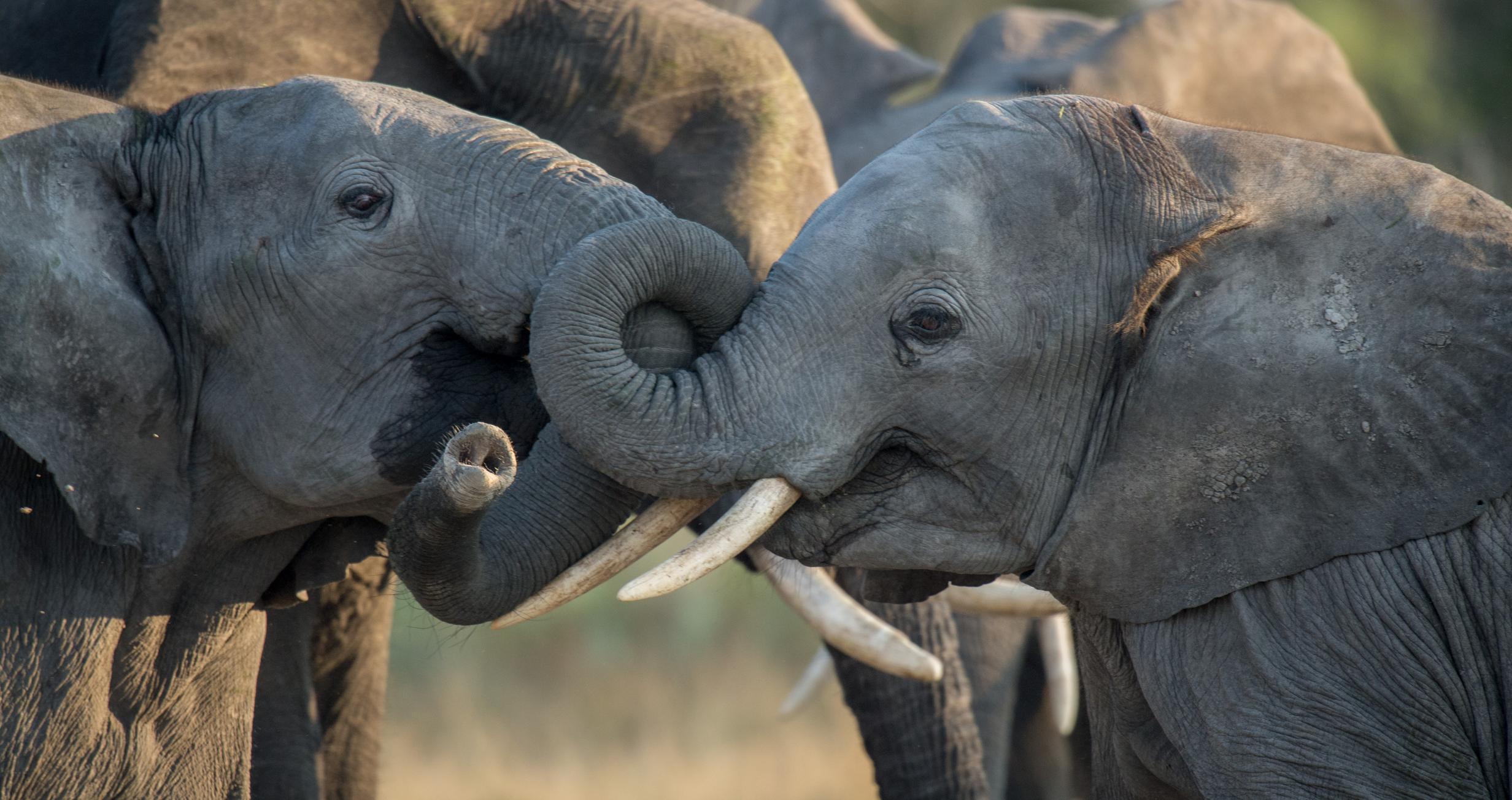
Elephants have a profound impact on people and nature.
Known as “ecosystem engineers,” they travel vast distances, carving new paths through dense brush and spreading seeds that restore forests. They’re also a lifeline for local economies, driving millions in tourism revenue where other opportunities are scarce.
Yet, poaching, habitat destruction and climate change have pushed these giants to the brink. All three species — Asian, African forest and African savanna elephants — are considered endangered or critically endangered.
Conservation International works with local communities and other partners to protect and restore the lands that both people and elephants need to thrive. On this World Elephant Day, Conservation News shares three recent stories that explore the intertwined fates of rural communities, elephants and the nature they rely on.
To coexist with giants, meet people's needs first: expert
“The greatest enemy of the environment will always be poverty,” says Conservation International fellow Greta Iori. “Someone who is hungry or poor will be left with no choice but to poach or to compete with wildlife for resources — often knowing that they are essentially harming themselves in the long term.”
Iori’s perspective reflects a decade of experience working with the Elephant Protection Initiative to prevent human-elephant conflict. Her guiding philosophy is that saving Africa’s elephants requires understanding and supporting rural communities that share spaces with them. In short, she says, people and wildlife can only prosper together.
“I love elephants; my work is all about protecting them,” she says. “And that means seeing the conflict from both sides — starting with meeting people’s basic human needs and addressing issues of inequality. Then the pressure on wildlife is reduced.”
Iori spoke with Conservation News about the realities of living alongside elephants, misconceptions about poachers, and the relationship between poverty and conservation.
© Jon McCormack
As climate crisis escalates, so too could human-elephant clashes
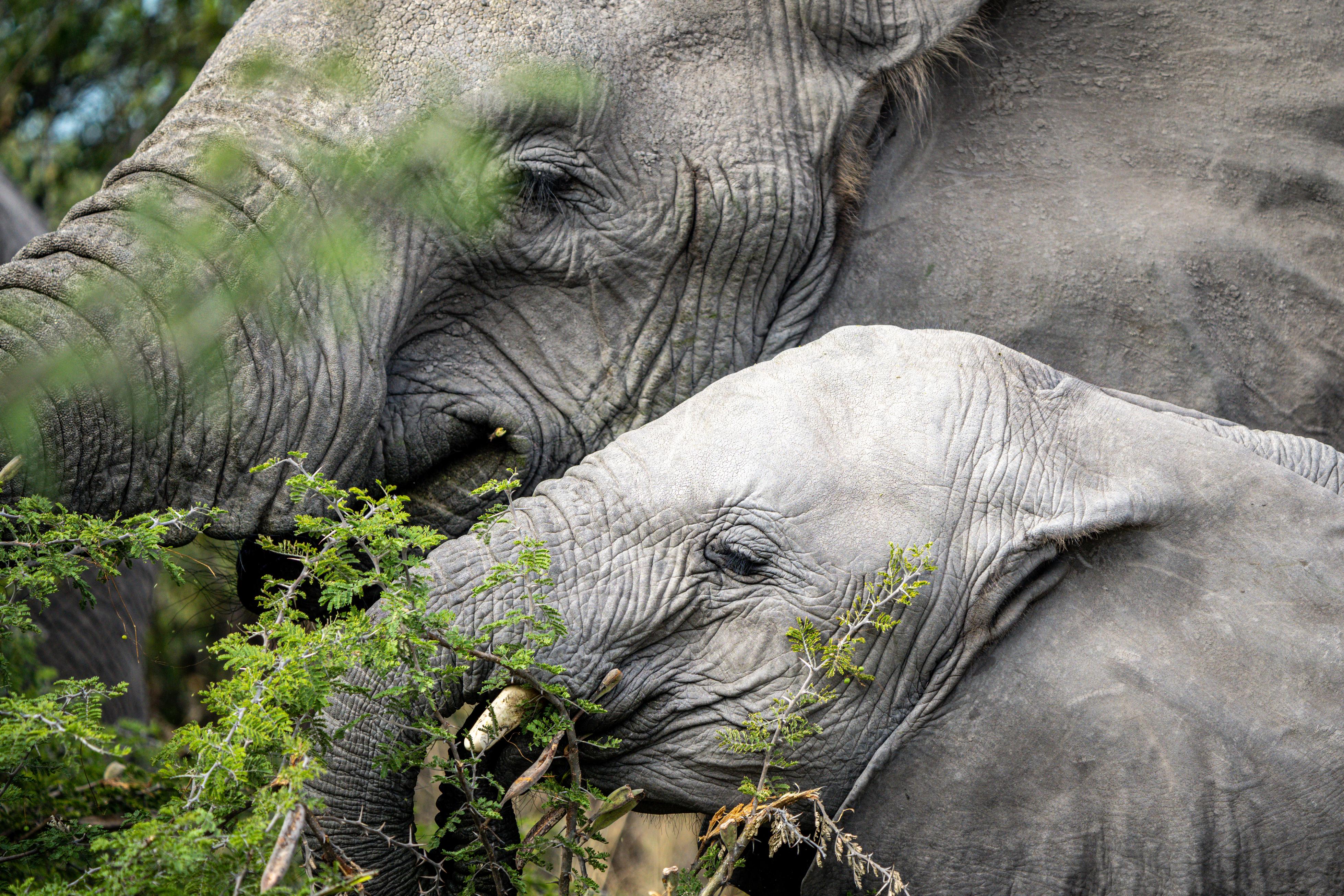
When humans and elephants come into contact, the results can be deadly for both sides. Now, a new study, co-authored by Conservation International, finds that rising global temperatures could raise the risk of human-elephant conflicts.
It’s the first large-scale look at how climate change could affect the relationship between people and pachyderms.
Unsurprisingly, study projections show that climate change and agricultural expansion will lead to greater conflict — furthering human encroachment on elephants’ habitats and making competition for scarce resources even fiercer.
Yet that future is not set in stone, said Mia Guarnieri, the study’s lead author. While the study highlights the need for greater climate and biodiversity action, perhaps more critically, it maps the areas at greatest risk of increasing conflict.
“If we understand where conflict is likely to occur,” she says, “we can better prepare for it.”
© Jonathan Irish
To restore grasslands, it’s time to get wild
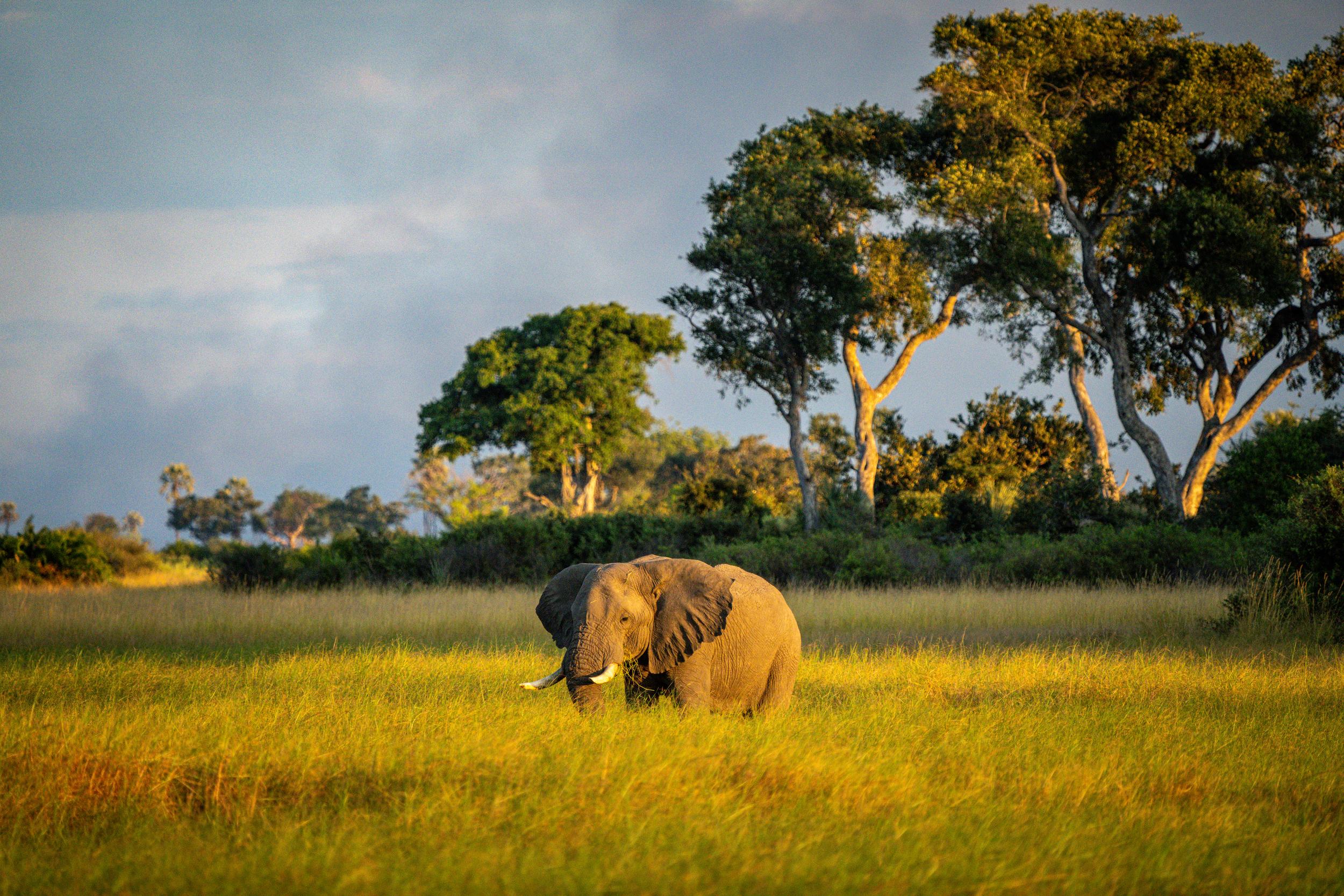
Stretching across 40 percent of the planet, grasslands hold more than a third of the world’s land-based carbon in their vast underground root and soil systems. They are bastions of biodiversity and contribute to the livelihoods of 1 billion people worldwide.
In some cases, grasslands are disappearing faster than forests — yet they are overlooked and undervalued.
“Ironically, some grasslands are being threatened by inappropriate climate actions, like planting trees where they don't belong,” said Conservation International scientist Heidi-Jayne Hawkins. “So, we asked, what can we do that's really a win for people, biodiversity and climate?”
According to a study co-led by Hawkins, one answer lies in bringing wildlife back to the grassy ecosystems they have helped shape for millennia. For example, large herbivores like elephants, which maintain savannas by trampling trees and clearing dense vegetation, are disappearing. The result is that too many trees are outcompeting grasses — reducing food for wild and domestic grazers, depleting groundwater, and drying up streams.
Hawkins spoke with Conservation News about how “wilder” lands benefit communities and climate — and what it will take to get there.
© Jonathan Irish
Vanessa Bauza is the senior communications director at Conservation International. Want to read more stories like this? Sign up for email updates here. Donate to Conservation International here.