Editor’s note: From “blue carbon” to “ecosystem services,” environmental jargon is everywhere. Conservation International looks to make sense of it in an explainer series we’re calling “What on Earth?"
In this installment, we explore coral bleaching, a crisis impacting the world’s reefs.
I keep seeing headlines about coral reefs dying. What’s happening?
Climate change is happening. And it’s placing the world’s reefs in peril.
In Western Australia, scientists recently reported the worst coral bleaching ever seen, with some reefs losing up to 90 percent of their coral after a long, intense marine heatwave. At the same time, the Great Barrier Reef suffered its sharpest coral decline in nearly 40 years, as once-colorful corals turned white and brittle. These disasters are part of a global bleaching crisis that has now affected more than 80 percent of reefs around the world.
Why does heat cause corals to bleach?
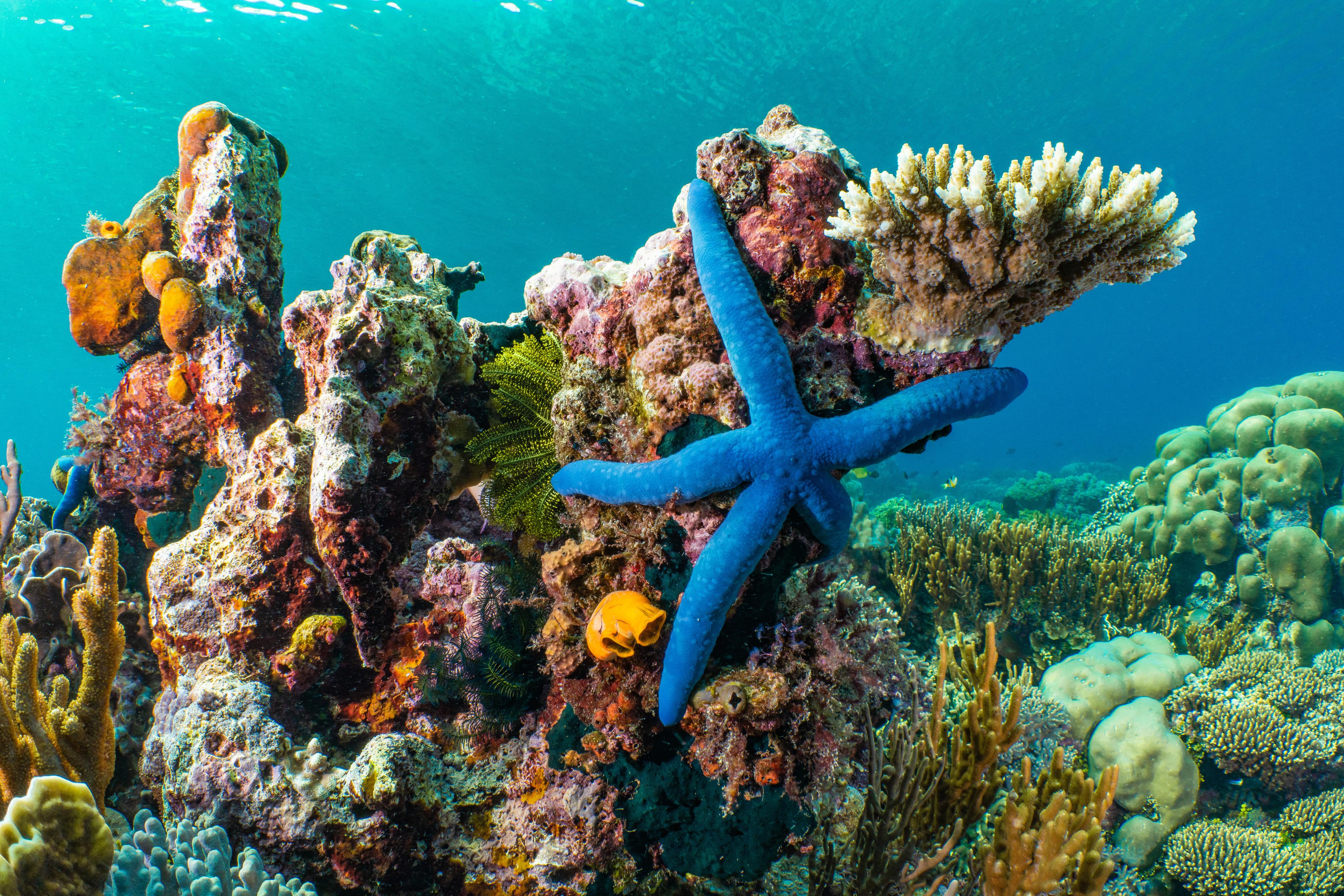
Well, remember, corals aren’t just colorful rocks — they’re living things, made of hundreds or thousands of individual animals called polyps. Each polyp is only a few millimeters across and is shaped a bit like a miniature sea anemone.
Like most animals, they’re sensitive to big temperature swings. But there’s a strange twist behind the bleaching: Polyps host even tinier organisms inside them — microscopic algae that use sunlight to make food. The algae feed the corals, while the corals give the algae nutrients and shelter.
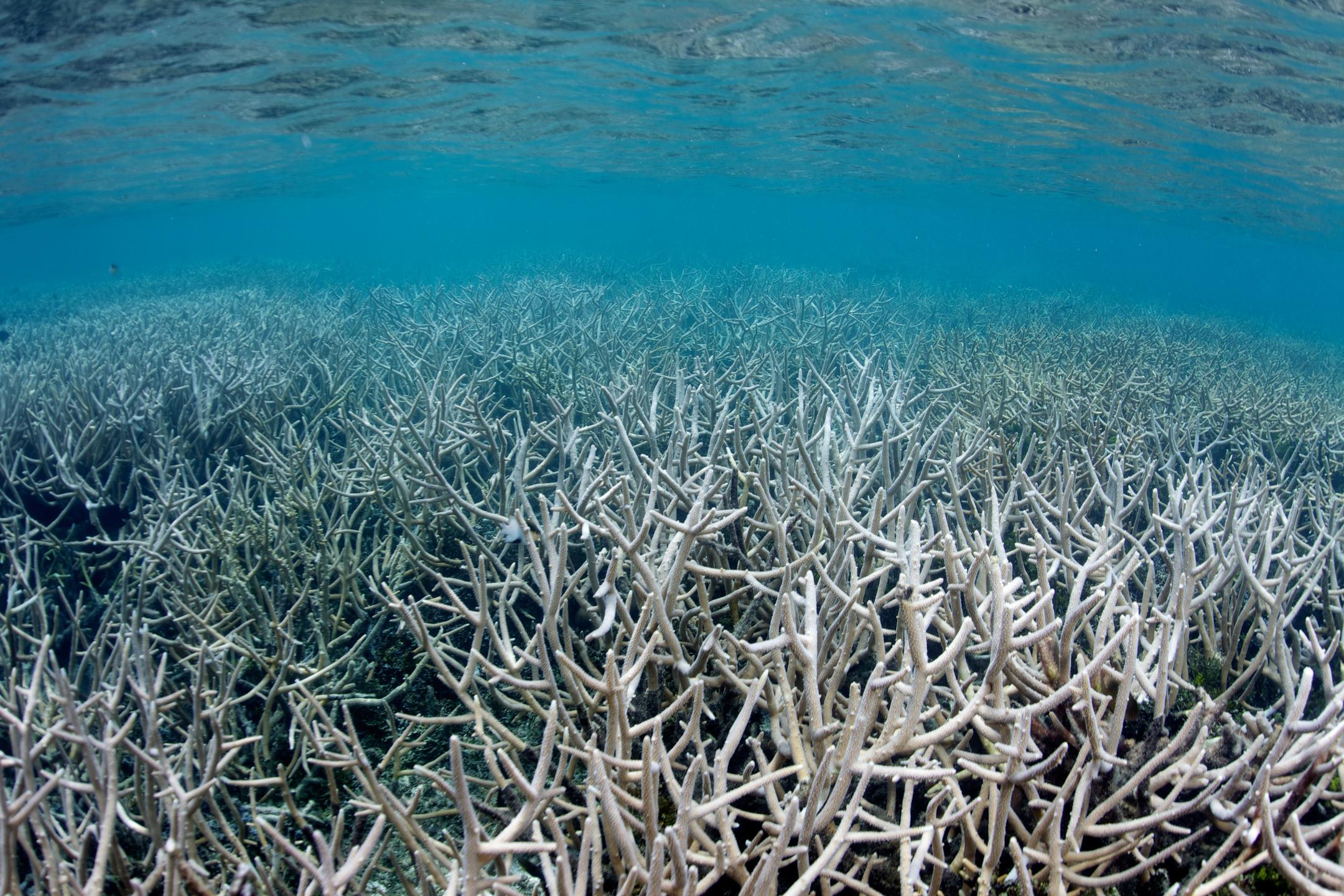
But when the ocean gets too hot, the coral becomes stressed and ejects the algae. Without the algae, the coral turns ghostly white — i.e. bleaching. If the heat lasts too long, the coral starves and dies.
What happens to the reef after corals bleach?
When a coral bleaches, the polyps inside are either starving or already dead. What’s left behind is a kind of skeleton — the stony structures it built while alive. At first glance, a tourist visiting a famous reef may not even notice the difference, with all the branching structures still in place. But without the living coral, it’s a graveyard.
But wait. Coral reefs are home to lots of fish. What happens to all of them?
When reefs crumble, vibrant ecosystems vanish with them.
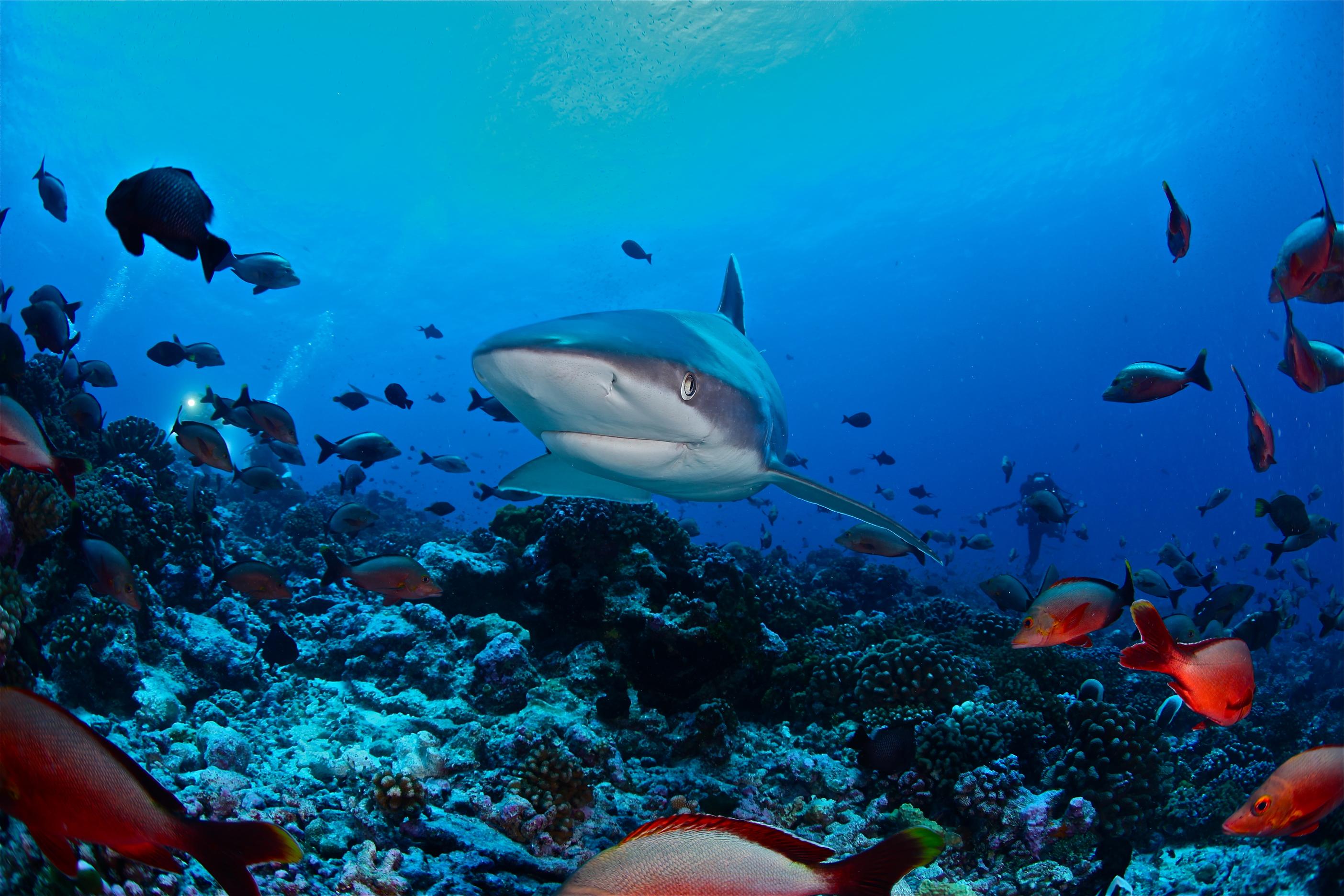
In their healthy state, reefs are absolutely teeming with life. Scientists estimate that a quarter of all marine species depend on reefs at some point in their lives — from schools of colorful fish to vibrant invertebrates, sea turtles, eels, sharks and mantas.
Take the reef away, and you lose that abundance. That’s bad for nature, but it’s also bad for people.
What do coral reefs have to do with people?
A lot, actually. For one thing, reefs support fisheries that feed hundreds of millions of people around the world. Many coastal communities rely on reef fish as their main source of protein.
Reefs also act like natural seawalls. Their limestone structures break up waves before they hit the shore, helping to protect coastlines from erosion and storm surges. Without them, coastal flooding would be far worse.
So, what in the world do we do about it?
Look, it’s simple: we have to stop heating the planet.
Even a small rise in the Earth’s average temperature makes the oceans much hotter, pushing corals past their limit. Scientists say that in a world warmed by about 1.5 degrees Celsius (nearly 3 degrees Fahrenheit), some reefs might still survive. But at 2 degrees — just a little hotter — 99 percent of reefs would likely die off.
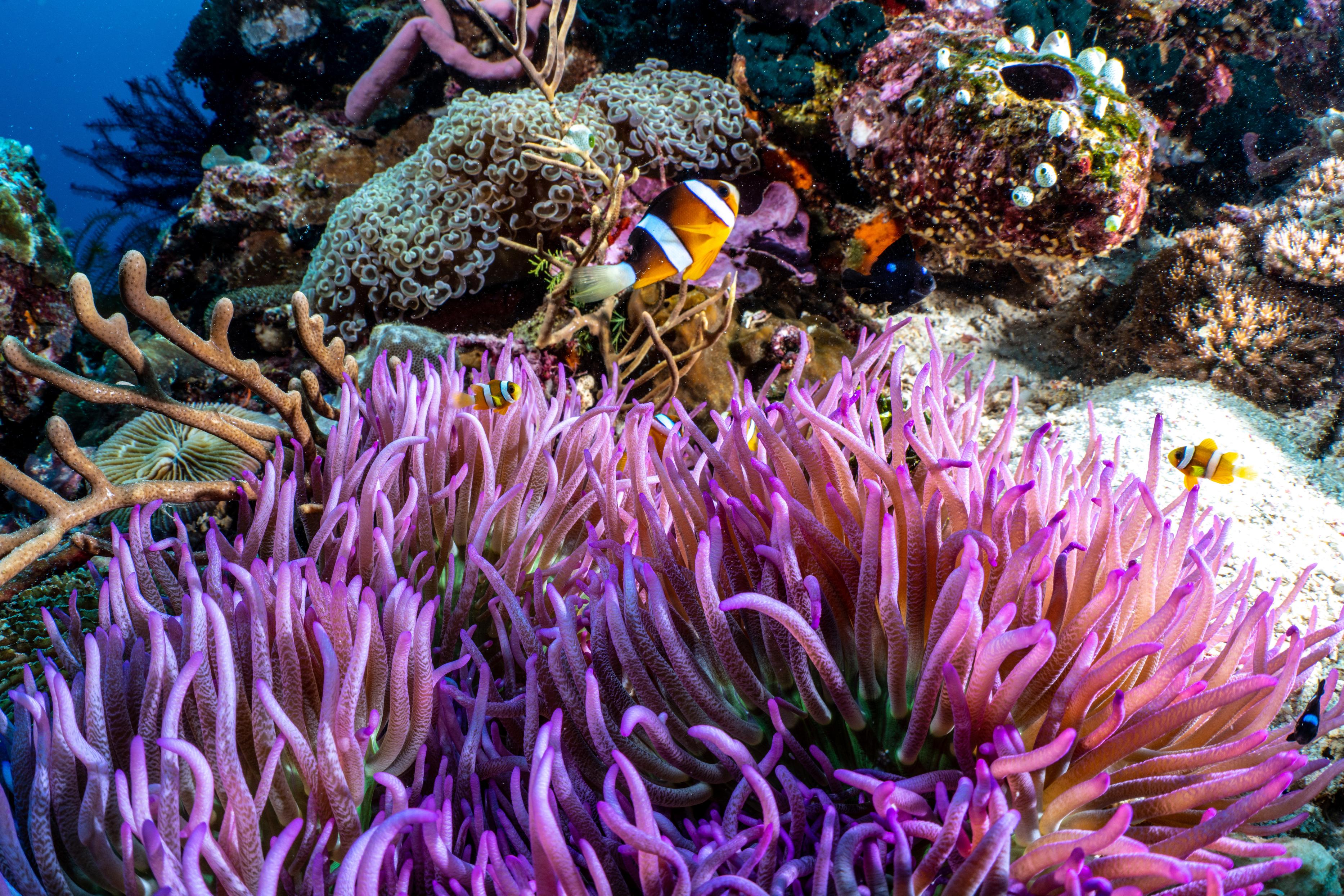
Excuse me? If it gets hot enough pretty much all reefs could vanish?
It’s heartbreaking, but yes.
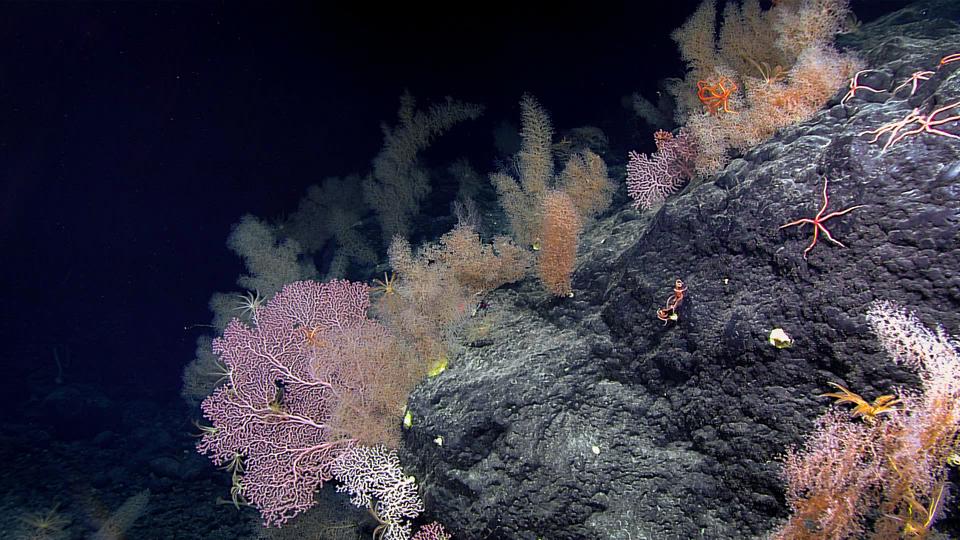
Corals living deeper in the ocean, at cooler depths, are definitely far less likely to bleach than those along the coast. However, they aren’t immune to it and (sorry, more bad news here) they face other urgent threats, like deep-sea mining.
While remote reefs look very different from their colorful shallow-water counterparts, they are still critical refuges for marine life.
In 2024, a Conservation International-funded deep-sea expedition off the coasts of Chile and Peru uncovered a treasure trove of biodiversity (including more than 100 species likely new to science). It’s just one of the many deep sea, coral-laden ecosystems rarely glimpsed by humans — but potentially threatened by heat stress and mining.
For years, Conservation International advocated for the recently ratified high seas treaty, which will help establish new marine protected areas to shield international waters — and the corals they house — from increasing threats.
How do we hold the line for coral reefs while the world sorts out climate change?
Protecting existing reefs from overfishing and pollution keeps them healthy, while restoration projects can nurse damaged corals back to life.
Conservation International is at the forefront of these efforts in the heart of the Asia Pacific’s Coral Triangle — the most biodiverse marine region on Earth. Earlier this year, the initiative scored a major win when the government of Indonesia announced a deal to redirect more than US$35 million it owes the United States into coral conservation.
This “debt-for-nature” swap will fund restoration in two key areas of the Coral Triangle: the Bird’s Head and Lesser Sunda-Banda seascapes. Together, these areas harbor three-quarters of the world’s coral species and more than 3,000 kinds of fish, turtles, sharks, whales and dolphins.
It’s a powerful reminder that while the threats are grave, healthy reefs — and the vibrant life they support — are still within our reach if we act now.
Further reading
- Landmark high seas treaty crosses finish line
- 5 ways the ocean keeps our climate in check
- 5 things you didn't know about sea-level rise
Will McCarry is the content director at Conservation International. Want to read more stories like this? Sign up for email updates. Also, please consider supporting our critical work.