Maira Bezerra’s training as a scientist began early.
As the daughter of scientists — dad was a geologist, mom was a biology teacher — Bezerra’s childhood revolved around understanding how the world works. Questions like “What are plate tectonics?” were common at the dinner table. These early curiosities, along with outdoor adventures in her native Brazil, cemented her love for nature.
Now, as Conservation International’s lead freshwater scientist, Bezerra channels her passion into protecting the rivers, lakes and wetlands that are the lifeblood of the planet.
Speaking with Conservation News, Bezerra shared how her childhood inspired her career, why fresh water often gets overlooked in conservation and why she embraces a bit of pessimism — even as she fights for a better future.

© Maira Bezerra
Bezerra at the Guandu River, Brazil.
Conservation News: You love nature; did you always want to work in conservation?
Maira Bezerra: My path is full of twists and turns. For most of my childhood, I wanted to be a dentist. I’d swab cells from inside my cheek and examine them under the microscopes in my mom’s lab. I was fascinated! After deciding I didn’t want to be a dentist, I briefly thought I’d be a doctor — until I realized I don’t like blood.
But what I did like was studying DNA. Specifically, genetically modified organisms — the complexity and possibilities of it captured my imagination. So, I pursued agricultural engineering because it was the only path to study that at university. At the time, one of my agronomy professors said something that stuck with me. He said that because agriculture is doing so much damage to the environment — particularly through the excessive use and pollution of water — there is no better expert than an agronomist to think of solutions. Yet in my studies, it felt like fresh water was never given the attention it deserved. I thought back on my childhood and love for rivers and streams, and I made my final pivot into freshwater science.
You now lead Conservation International’s freshwater science team — what are the biggest threats to freshwater ecosystems?
MB: It’s a long list, we’ll only touch on a few. Let’s start with water quality, which is threatened by agriculture and urbanization. When a forest is converted into agricultural lands, for example, high levels of nitrogen and other nutrients from fertilizers wash into streams, rivers and lakes, harming aquatic life and fueling algae blooms. Agriculture is also a huge water guzzler — 70 percent of water worldwide is used to irrigate crops, which can cause critical rivers and lakes to run dry.
The destruction of wetlands is another major concern. They are the planet’s most threatened ecosystem, disappearing three times faster than forests. Thirty-five percent of Earth’s wetlands have been lost in the last 50 years alone due to agriculture, pollution, invasive species and overfishing.
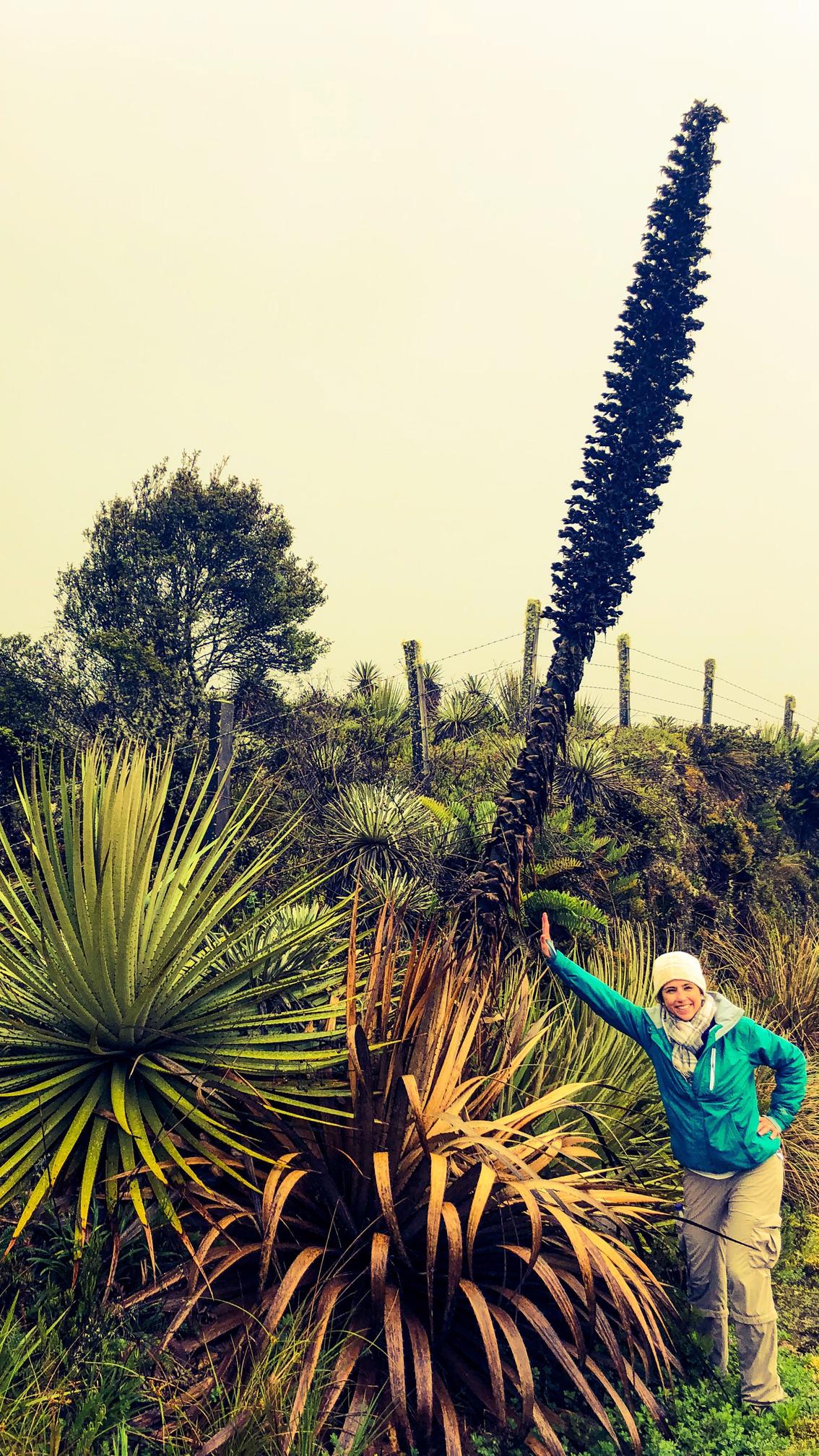
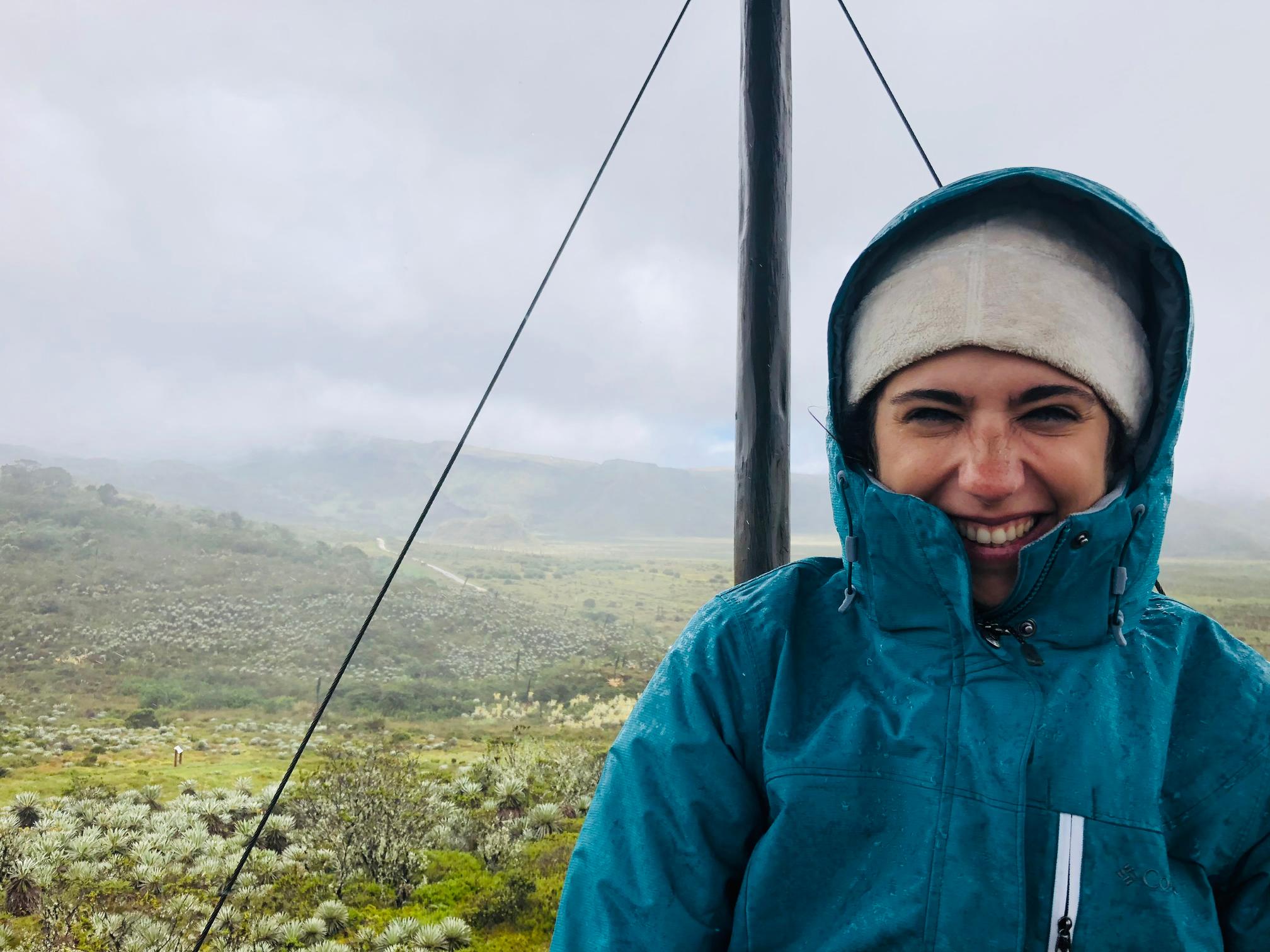
© Maira Bezerra
Bezerra in the Paramo ecosystem in Colombia.
Of course, climate change will only put more pressure on freshwater ecosystems. As it transforms weather and rainfall patterns around the world, some places are experiencing extreme, years-long droughts , while other places are facing catastrophic thousand-year floods .
Despite these current and looming challenges, fresh water still is often overlooked and receives only a fraction of the attention — and funding — dedicated to nature conservation.
Why is that?
MB: It’s easy to take water for granted because many people just need to turn on the tap and water flows. We don’t see where it’s coming from, it’s just always there. But the truth is water is a finite resource — less than 3 percent of the water on the planet is fresh and the majority of that is locked away in glaciers and ice caps or buried deep in the soil.
What also often gets lost in the conversation is that ecosystems are connected. You can't conserve forests and oceans without also protecting fresh water. Take the Amazon rainforest — parts of which are currently suffering through the worst drought ever recorded. While the forest gets most of the attention, it wouldn’t exist without an incredibly complex watershed. And think of coastal areas — you can have all the protections you want, but if the river that feeds into it is polluted, that counts for little.
One of our tasks as freshwater scientists is to make these connections more visible so we can better plan for an uncertain future and the ripple effects of climate change.
And how is Conservation International tackling some of these challenges?
MB: I’ll give you an example. In Mexico City, there is an ancient wetland system of lakes and canals built by the Aztecs to grow crops. Essentially, these mini floating farms have the potential to produce a quarter of Mexico City’s food. These wetlands are also the only place on Earth where you can find the endangered axolotl, a cute and charismatic salamander. Unfortunately, over the years, this ecosystem has been drained and polluted. Conservation International is helping restore it by supporting farmers’ transition to pesticide-free farming and helping install biofilters to clean the water so these waters can thrive into the future.
What drives you to do this work?
MB: Don’t tell anyone, but I’m actually a pessimist. And yet I wake up most days with an internal fire that makes me want to continue — even though I don’t fully understand where it comes from. I suspect it goes back to my childhood and my fascination with nature. Understanding nature is what made me connect with my loved ones so deeply.
Even though we are an intimate part of nature, humans tend to think of ourselves as separate. But that’s not so. Nature is suffering and so we are suffering as well. It’s only by going back and learning about humanity’s deep connection to nature that we are going to be able to stop this suffering and live in harmony. If I can contribute even a little in this direction, then that is a great motive for me to continue doing what I’m doing.
Further reading
- Meet a scientist: The freshwater defender
- Meet a scientist: To adapt to climate change, this expert looks to nature
Mary Kate McCoy is a staff writer at Conservation International. Want to read more stories like this? Sign up for email updates. Also, please consider supporting our critical work.