The Dongjiang River in southern China provides drinking water for 40 million people, from city dwellers in Hong Kong to rural residents.
But this critical freshwater ecosystem is being pushed to its limits. With limited effective wastewater treatment facilities in the countryside, sewage often seeps into the freshwater resources that people depend on — and local officials are struggling to combat the pollution degrading the Dongjiang River.
Using the results of Conservation International’s Freshwater Health Index (FHI) — a tool to help local decision-makers create healthier watersheds — people in the villages of Xiadong and Lixi, in the Dongjiang River Basin, embarked on a project to improve community-based water stewardship. With funding from Conservation International, they led the design and construction of nature-inspired water treatment systems that mimic wetlands’ ability to purify water contaminated by chemicals and waste.
These “constructed wetlands” work by facilitating the flow of contaminated water through traditional infrastructure, such as shallow septic tanks, into natural ecosystems such as marshes, plants and soil that absorb pollutants and filter the water. Every year, the engineered wetlands treat up to 9,000 tons of sewage in the two villages before returning the water to the river.
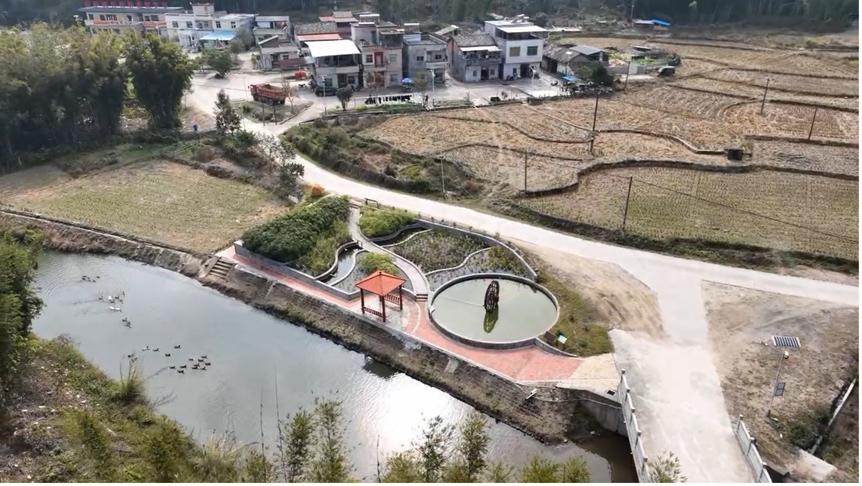
Wetlands in Xiadong Village were restored with local plants to filter wastewater. (© Conservation International)
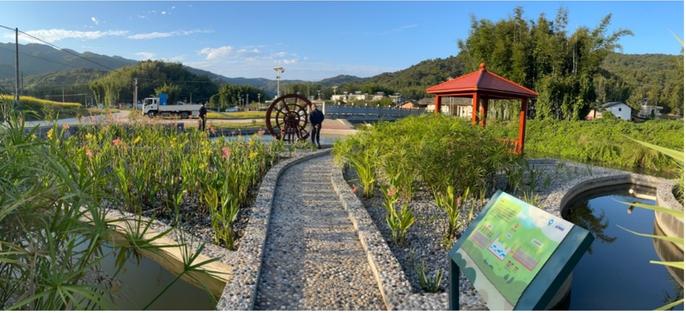
The constructed wetlands were created by the people in Xiadong Village. (© Conservation International)
Along with treating wastewater, these natural systems are providing habitat for native waterfowl, fish, frogs, insects and other species.
“Since the project began, we have seen a rise in the amount of wildlife in the area,” said Weiling Wu, who runs this program for Conservation International. “With clean water, the animals can thrive at the same time that we are creating freshwater infrastructure to help people.”
As part of the program, Conservation International helped train a group of villagers as guides to showcase the wetlands, offering educational tours of the apiaries where beekeepers harvest honey, the native herb and bamboo forests, and orange orchards. A portion of the revenue from the tours goes to a community water fund, which was set up to support the wetlands’ maintenance.
“We villagers now actively take part in testing water quality monthly, patrolling along the river twice a week, and cleaning leaves and branches from it,” said Yanghui Dai from Xiadong Village. “The project is not only about constructing a wetland, but more about the actual changes to local people’s lives and by bringing in economic benefits and an improved environment that attracts more and more visitors.”
Now, Conservation International and partners are working to expand the program to other areas through the “100-Village Initiative,” which aims to improve freshwater health in 100 villages along the Dongjiang River.
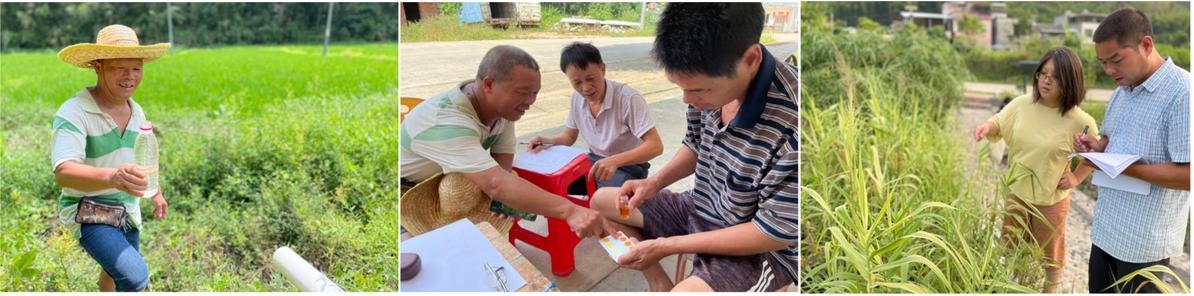
In Lixi Village, community members regularly monitor water quality at the constructed wetlands and oversee the health of the vegetation. (© Conservation International)
“We’re working with communities to increase environmental education and help people manage their water resources more sustainably,” Wu said. “This project will be transformative for the Dongjiang River system; it’s led by local communities with their needs in mind — making it a win-win for people and nature.”
Kiley Price is a former staff writer and news editor at Conservation International. Want to read more stories like this? Sign up for email updates here. Donate to Conservation International here.