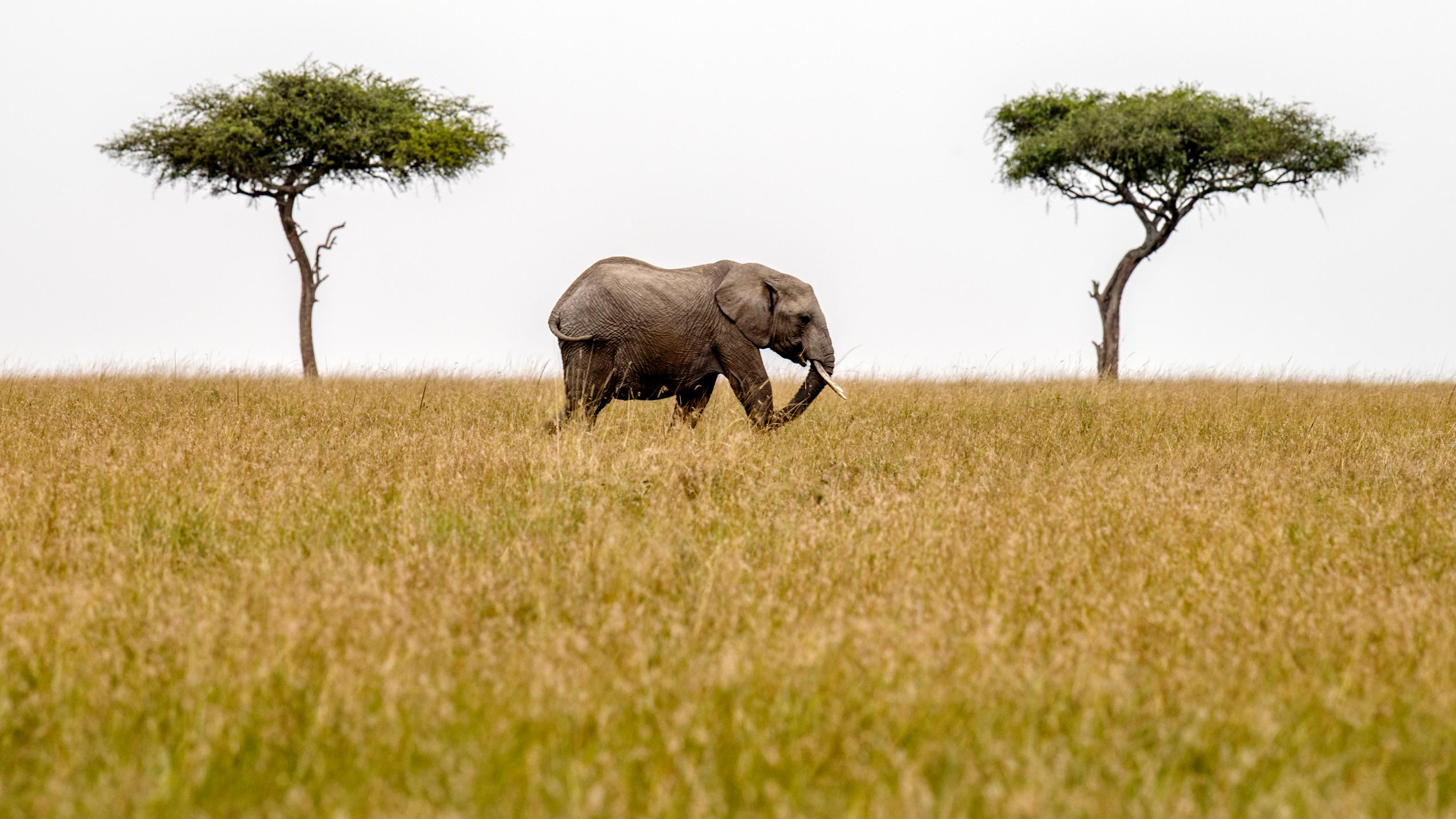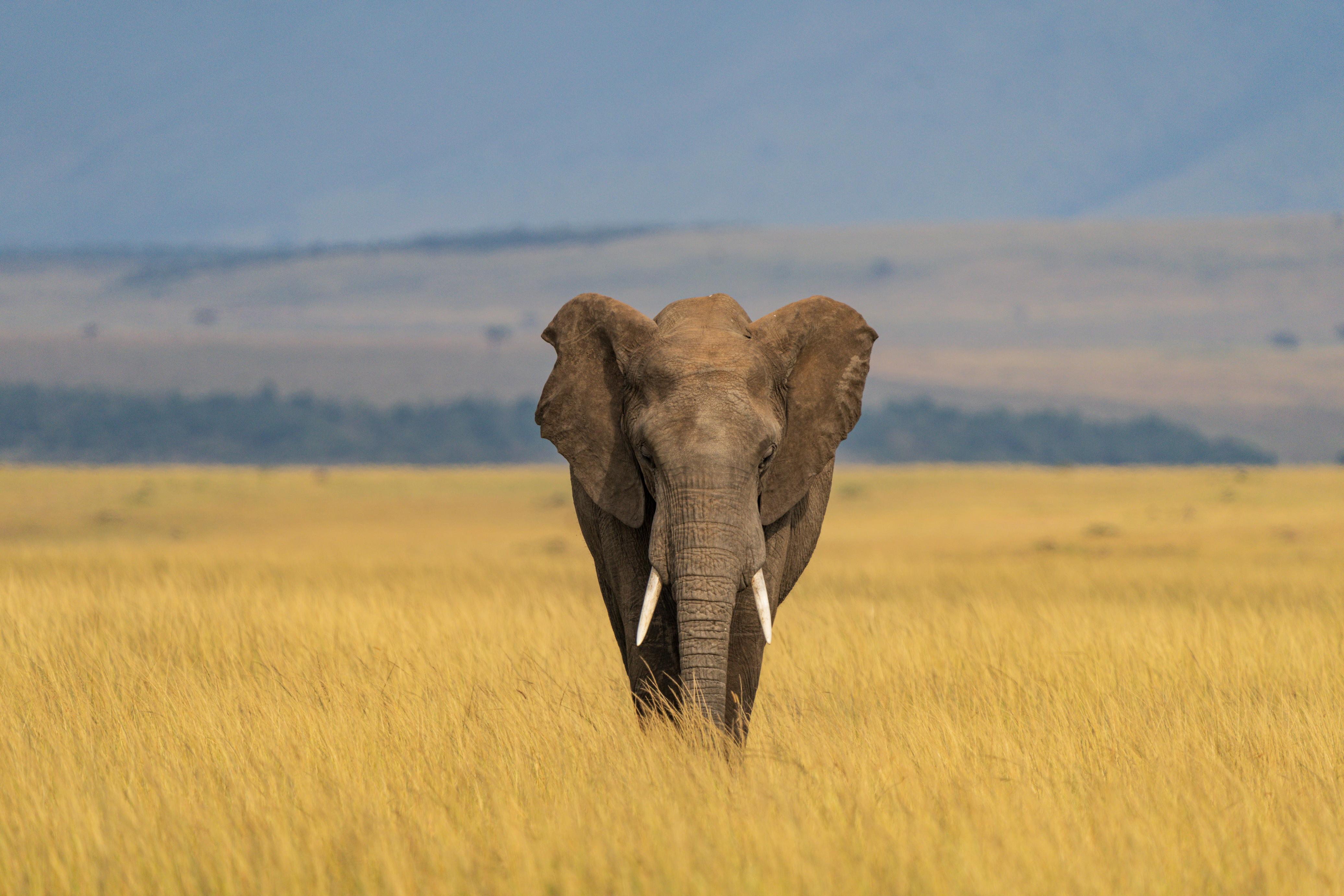
As elephants move across the land, they carve paths through tall grass, bend trees so sunlight can reach the forest floor and carry seeds for miles in their wake. In their footsteps, new life takes root and ecosystems flourish.
But today, elephants and their habitats are under growing pressure. As climate change and habitat loss reshape the landscapes elephants share with people, protecting them means protecting the nature communities depend on, too.
Elephants are among nature’s greatest ecosystem engineers.
Across Asia and Africa, countless species depend — directly and indirectly — on landscapes shaped by elephants. In mist-shrouded rainforests, elephants sustain some of the world’s most carbon-rich forests by spreading the seeds of large trees. And across savannas, as elephants chase rainfall in search of fresh forage, they maintain grasslands for grazers and the predators that follow in their wake.
When elephants thrive, ecosystems become more resilient — helping support biodiversity, climate stability, food systems and livelihoods for people around the world.
A shared future for elephants and people
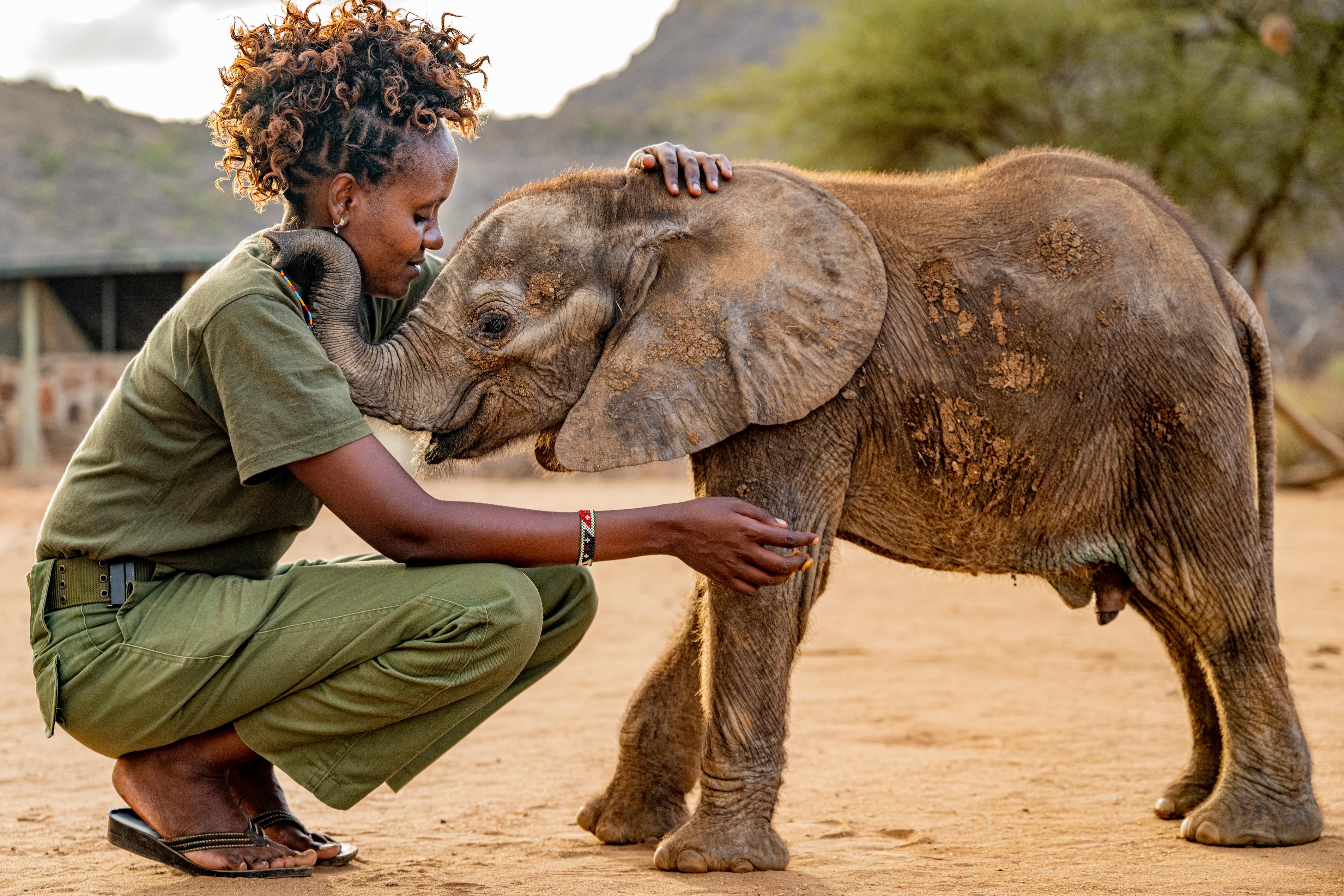
As landscapes are reshaped by climate change and habitat loss, elephants and people are pushed into closer contact. In increasingly shared spaces, protecting elephants depends on safe, secure livelihoods and opportunity for the people who live alongside them.
Conservation succeeds when communities have a stake in healthy ecosystems. By supporting local livelihoods, protecting connected landscapes and partnering with Indigenous Peoples, it is possible to create a future where both elephants and people can thrive.
Conservation International is helping make this future possible.
How Conservation International helps protect elephants
Protecting connected landscapes
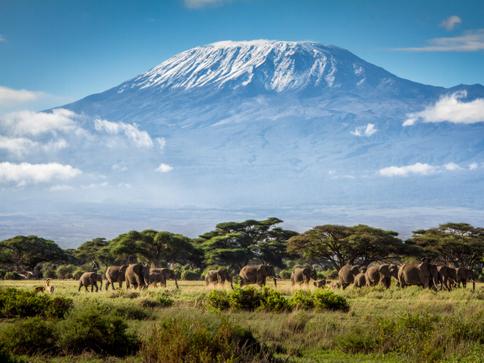
Elephants move across vast distances, often beyond the boundaries of protected parks. We work in the forests, savannas and migration corridors that connect elephant habitat and sustain daily life, helping communities conserve lands that connect elephant habitat and sustain daily life.
Supporting community-led conservation
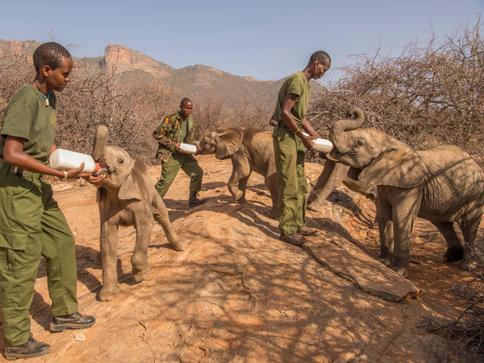
Long-term conservation depends on more than protecting wildlife alone. It requires helping communities build sustainable livelihoods tied to healthy ecosystems.
From community conservancies in East Africa to agroforestry initiatives in the Eastern Himalayas, Conservation International partners with local communities to strengthen both conservation and economic resilience.
Applying science in the real world
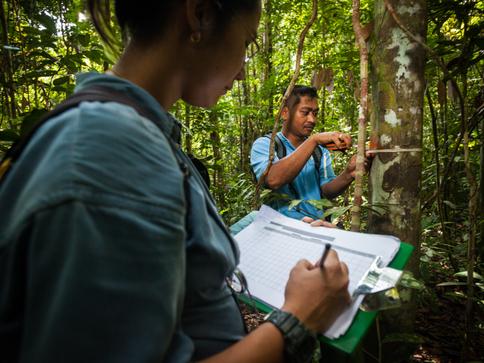
From biodiversity science to conservation finance, Conservation International supports long-term solutions that protect ecosystems, strengthen climate resilience and help sustain wildlife and communities far into the future.
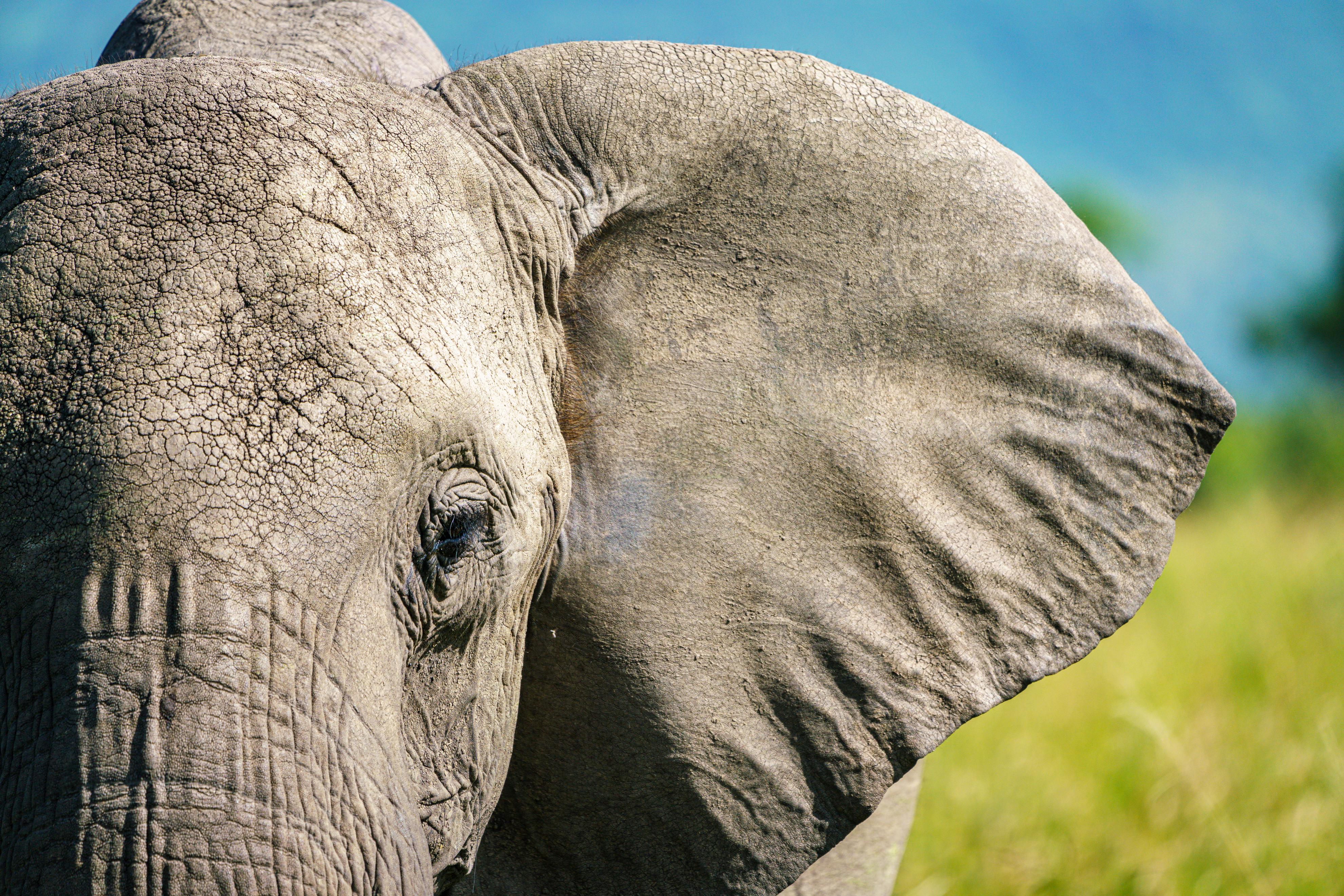
Every year, elephant poaching costs local economies US $25M
Where we work
Protecting elephants requires protecting connected ecosystems across vast landscapes — and supporting the communities whose futures are tied to those same places.
Conservation International works across Africa and Asia to help conserve some of the world’s most important elephant habitats, partnering with Indigenous Peoples, local communities and governments to create a future where both elephants and people can thrive.
Mozambique – The Great Limpopo
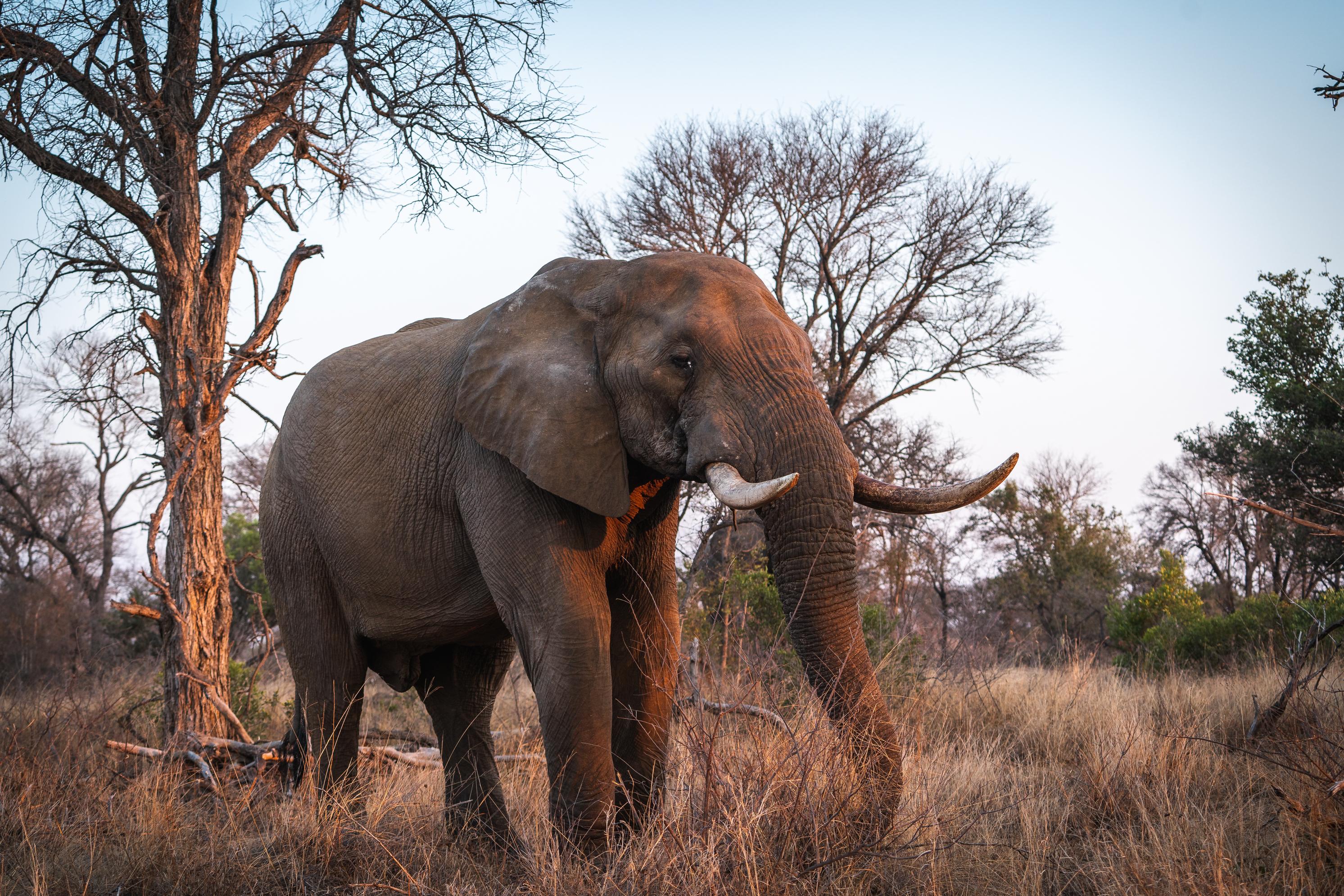
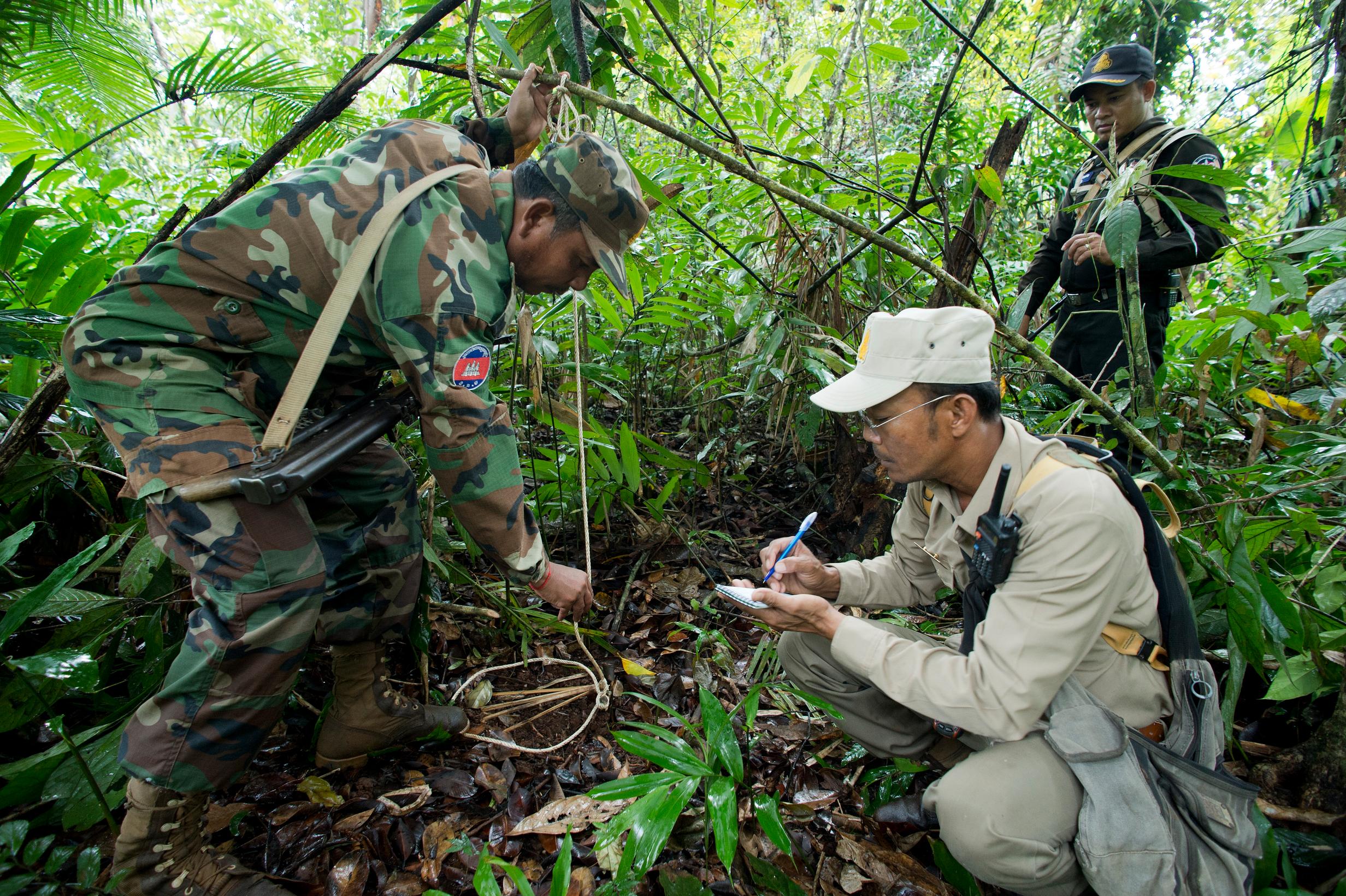
Deep in the bush of Mozambique’s Limpopo National Park, counter-poaching experts monitor a long, porous border with South Africa, where poachers hunt for ivory. With new technology deployed by Conservation International, these teams have made headway disrupting poaching networks.
But success brings its own challenges. As elephants, lions, cheetahs and African wild dogs return to the park, the communities living on its edges face new threats to their livelihoods. Conservation International is helping both survive in a place where neither can afford to lose.
For me, this is a story about people and elephants trying to find a way to coexist in a place where both are very vulnerable. We are making this possible by using the knowledge and resources that communities already have to improve both conservation and livelihoods.”
Kenya – Maasai Mara
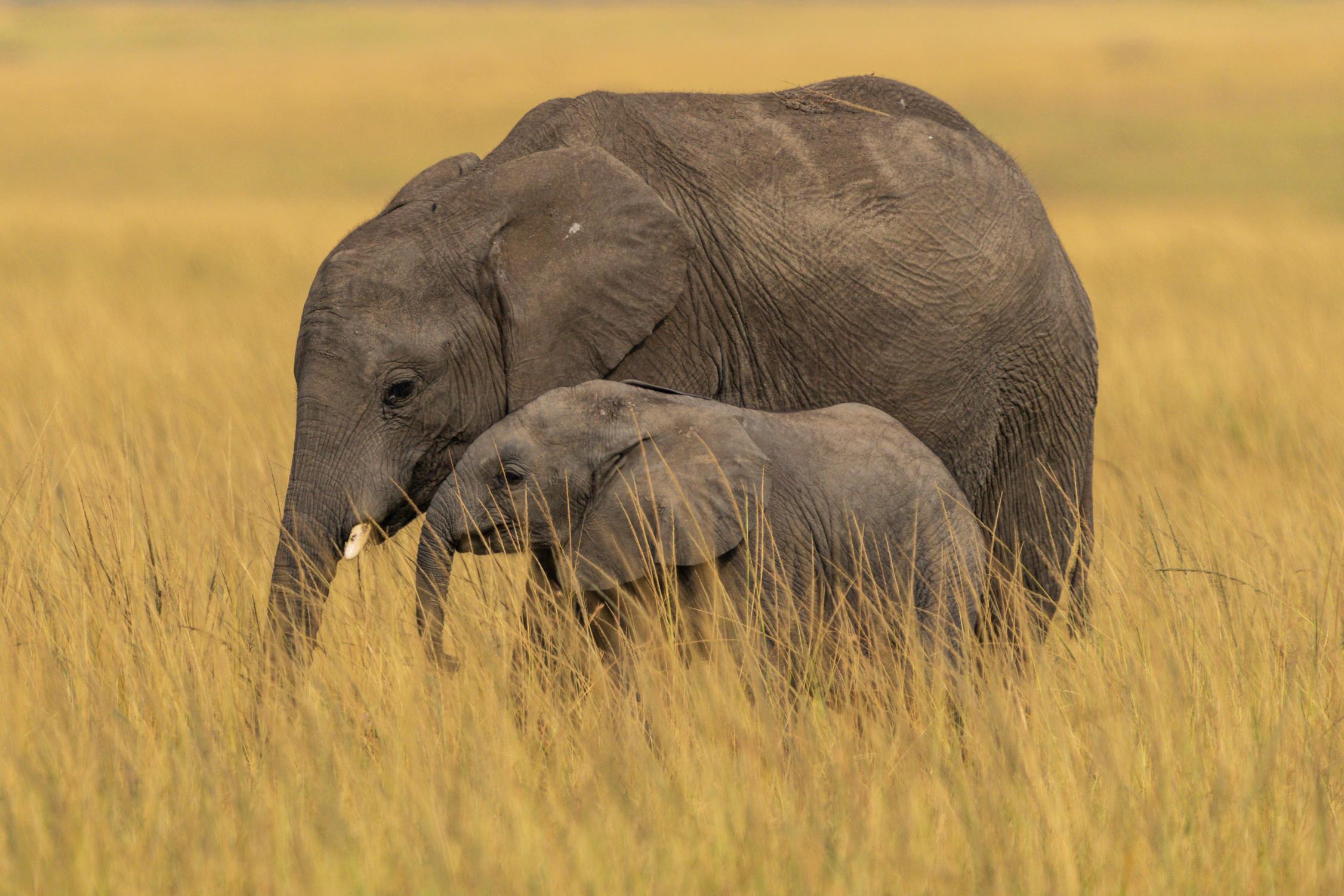
The Maasai Mara is the northern reach of one of Earth’s most important elephant ecosystems — a vast, connected landscape that stretches south into Tanzania’s Serengeti.
Here, elephants move beyond the borders of national parks, crossing community-owned lands that are essential to their survival. Through locally led wildlife conservancies, Indigenous landowners have linked their properties into protected corridors — creating space for elephants while generating income through tourism.
Conservation International helps communities establish and strengthen conservancies, expanding elephant habitat beyond park boundaries and helping keep one of Africa’s most important wildlife corridors intact.
Savannas were created by elephants, fire and Maasai and cattle, and excluding any one of those is not good for the health of the system. So, I believe in the conservancies — I know that every single month, people go to the bank and they have some money, they haven't lost their culture because they still are cattle keepers, and the land is much healthier, with more grass, more wildlife, and the trees have not been cut. For me, it’s something really beautiful.”
India – Mountains to Mangroves
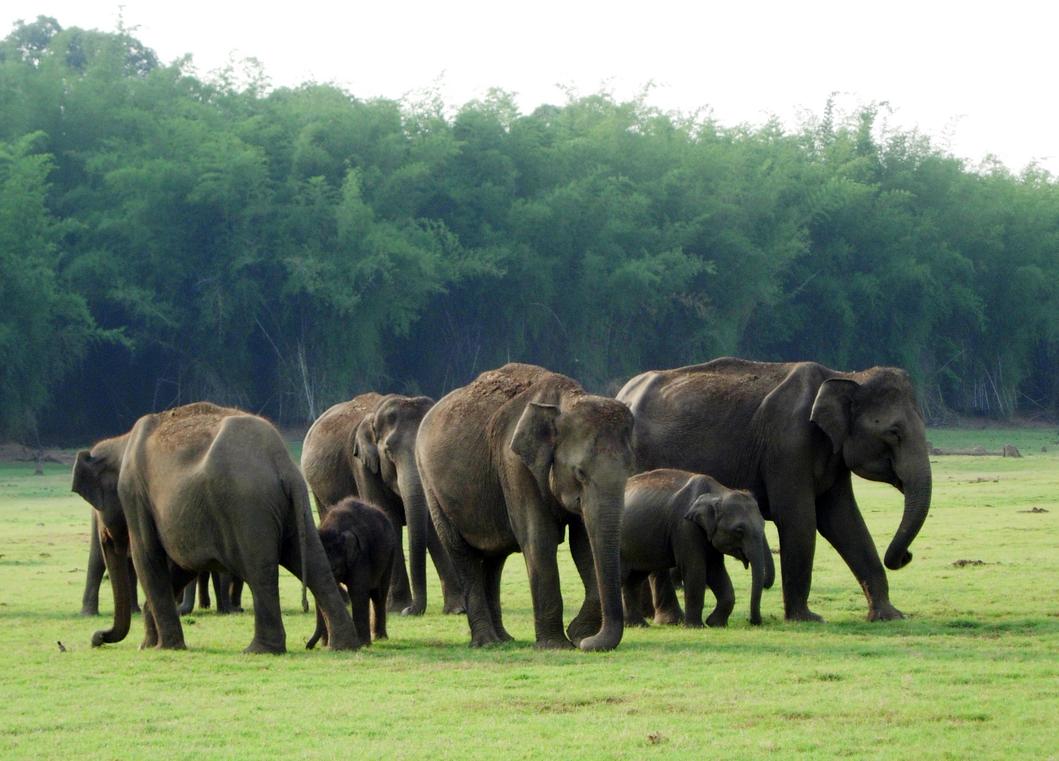
In the Brahmaputra Valley, Asian elephants move through a patchwork of farms, villages and forests shaped by centuries of human use. As plantations and fenced fields fragment these landscapes, elephants are losing the space they need to move safely. Working with local partners, Conservation International supports farmers in restoring tree cover through agroforestry — helping reconnect habitat while strengthening food security and income.
The result is a landscape where elephants can move more freely and communities are better equipped to face a changing climate.
I believe in the power and resilience of the local communities in the Eastern Himalayas. By blending modern conservation with time-honored traditions, we can help rebuild a landscape where both elephants and communities can flourish once again.”
Cambodia – The Cardamom Mountains
In the Brahmaputra Valley, Asian elephants move through a patchwork of farms, villages and forests shaped by centuries of human use. As plantations and fenced fields fragment these landscapes, elephants are losing the space they need to move safely.
Working with local partners, Conservation International supports farmers in restoring tree cover through agroforestry — helping reconnect habitat while strengthening food security and income.
The result is a landscape where elephants can move more freely and communities are better equipped to face a changing climate.