For 25 years, Conservation International has been on an amazing journey with Starbucks to promote ethically sourced coffee around the world.
Together, we have created a new way to produce coffee: one that is sustainable, transparent, and good for people and the planet.
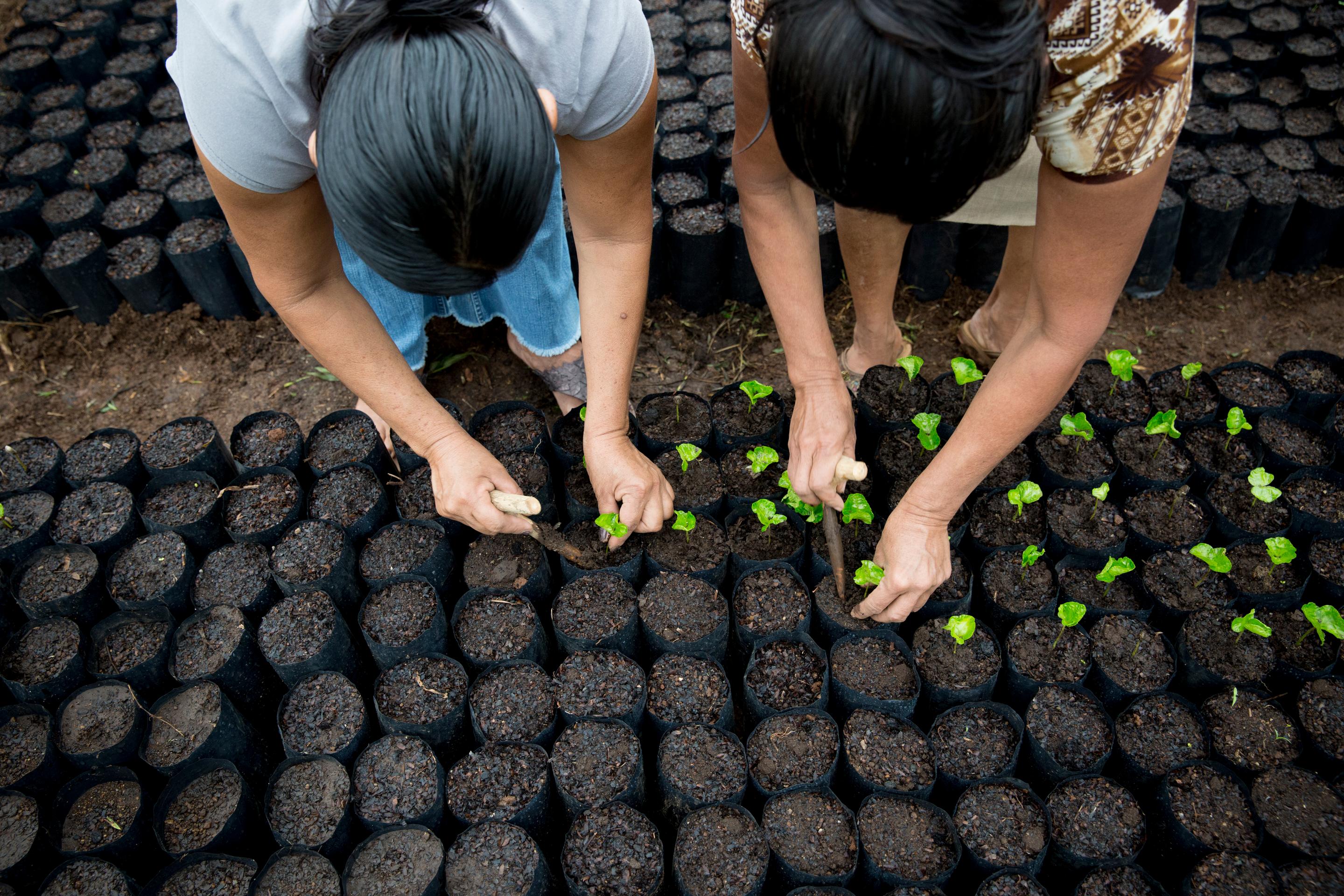
And who benefits? Partners like the Gitesi coffee farm (left) in Rwanda, a farm run by — and for — women. Gitesi is one of thousands of farms verified by Starbucks C.A.F.E. Practices for its sustainable farming practices.
But there is always more to do. Starbucks is committed to 100% ethically sourced coffee, and Conservation International is a proud partner in this effort.
Our role
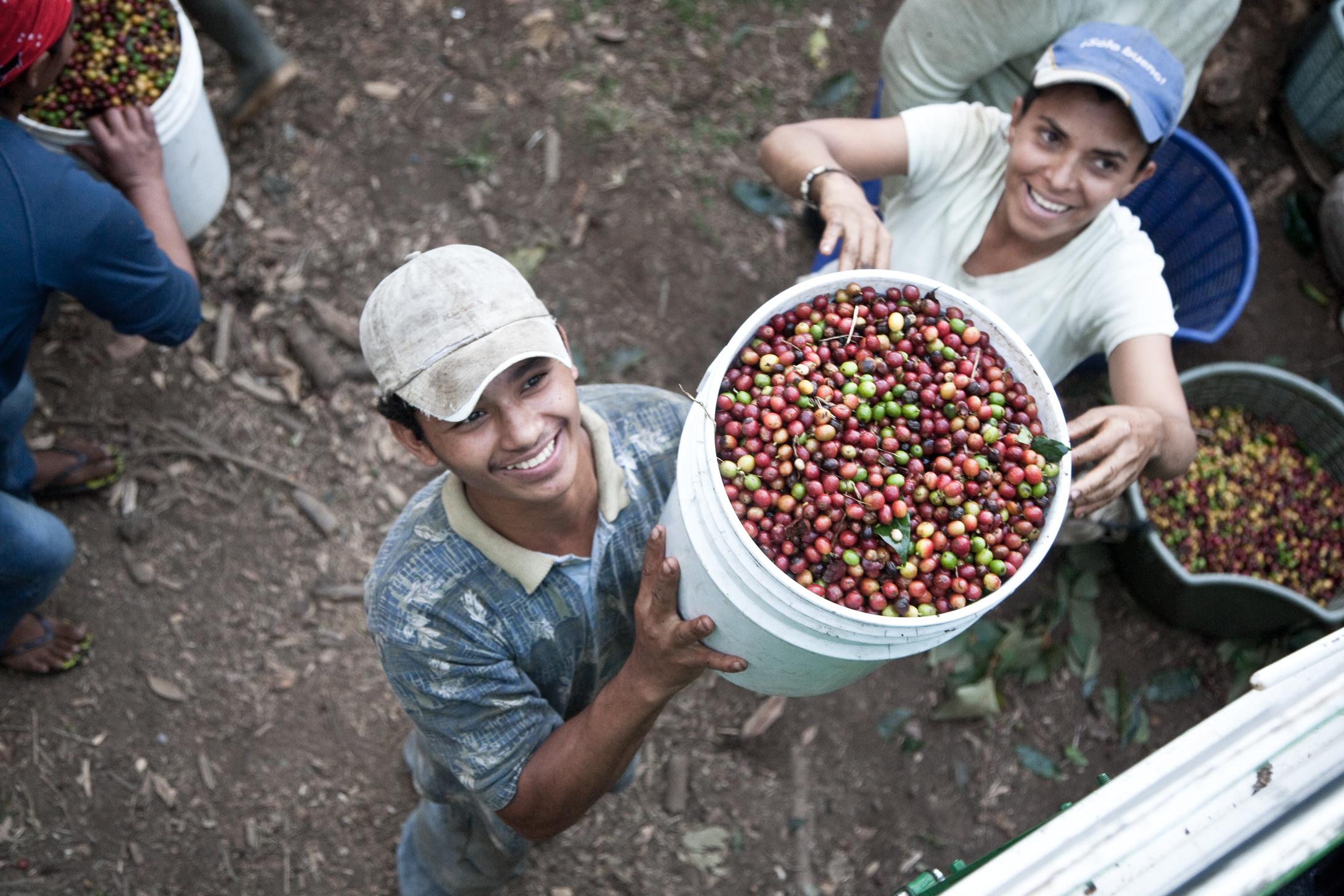
Stemming from the work at origin with coffee farmers — by introducing communities to the emerging forest carbon market, to creating farmer loans, to the C.A.F.E. Practices program — Conservation International and Starbucks continue to innovate within the coffee sector. Together, we are sparking an industry-wide movement to make coffee the first sustainable agricultural product in the world.
The Sustainable Coffee Challenge
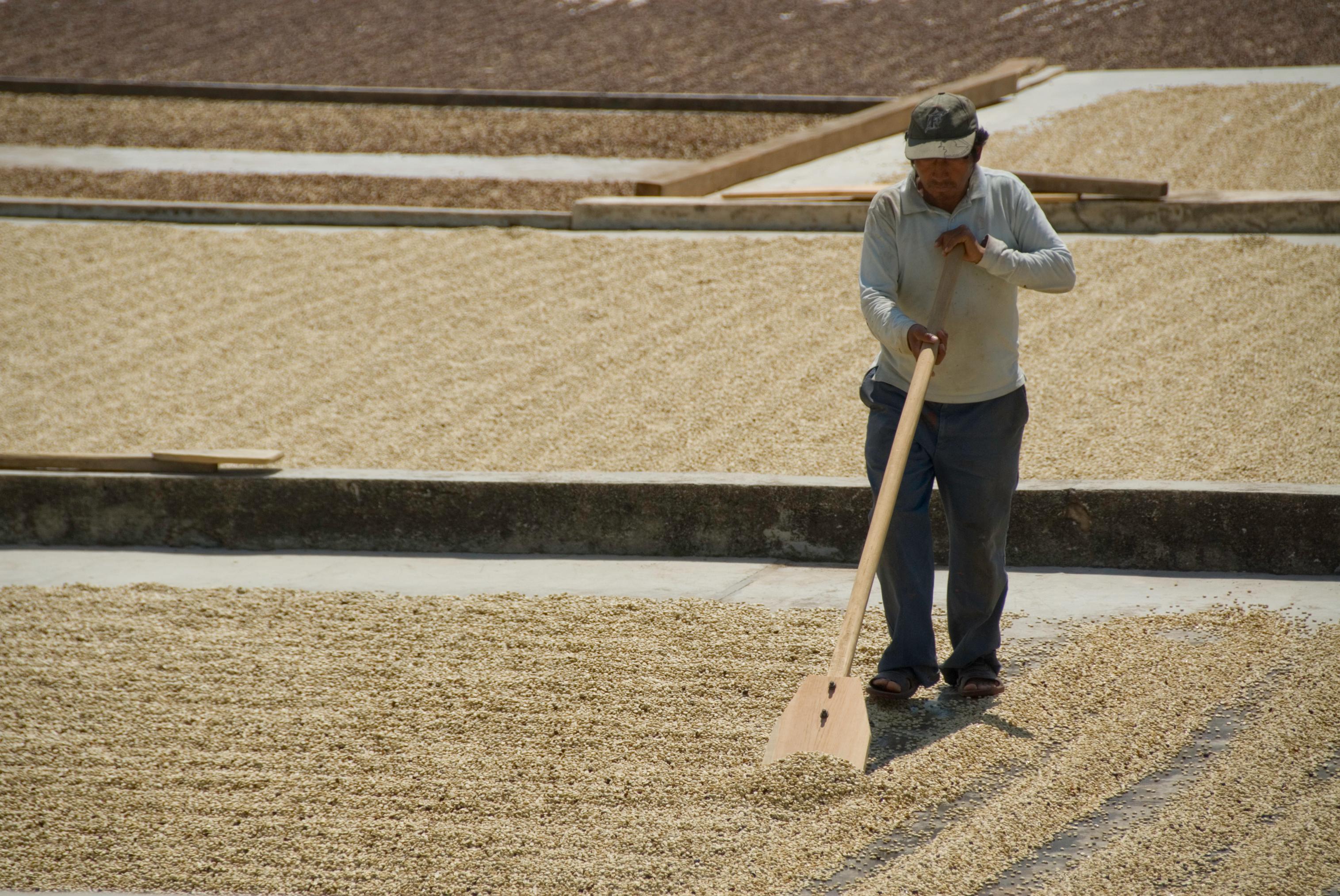
Conceived by Conservation International and Starbucks and launched during the 2015 Paris climate meetings with 18 founding partners dedicated to coffee sustainability, the Sustainable Coffee Challenge has since grown to over 160 partners from across the coffee sector.
The Sustainable Coffee Challenge convenes, unites and urges the coffee sector and conservation partners across the industry to spur the actions and investments necessary to make coffee the first sustainable agricultural product in the world. The Challenge is committed to stimulating demand for sustainable coffee across the value chain, from the policymaking level to the final consumer. By encouraging demand for sustainable coffee, it leads to investments that enable the transition to a sustainable production and ensuring the coffee we drink is a sustainable product.
100 million trees commitment
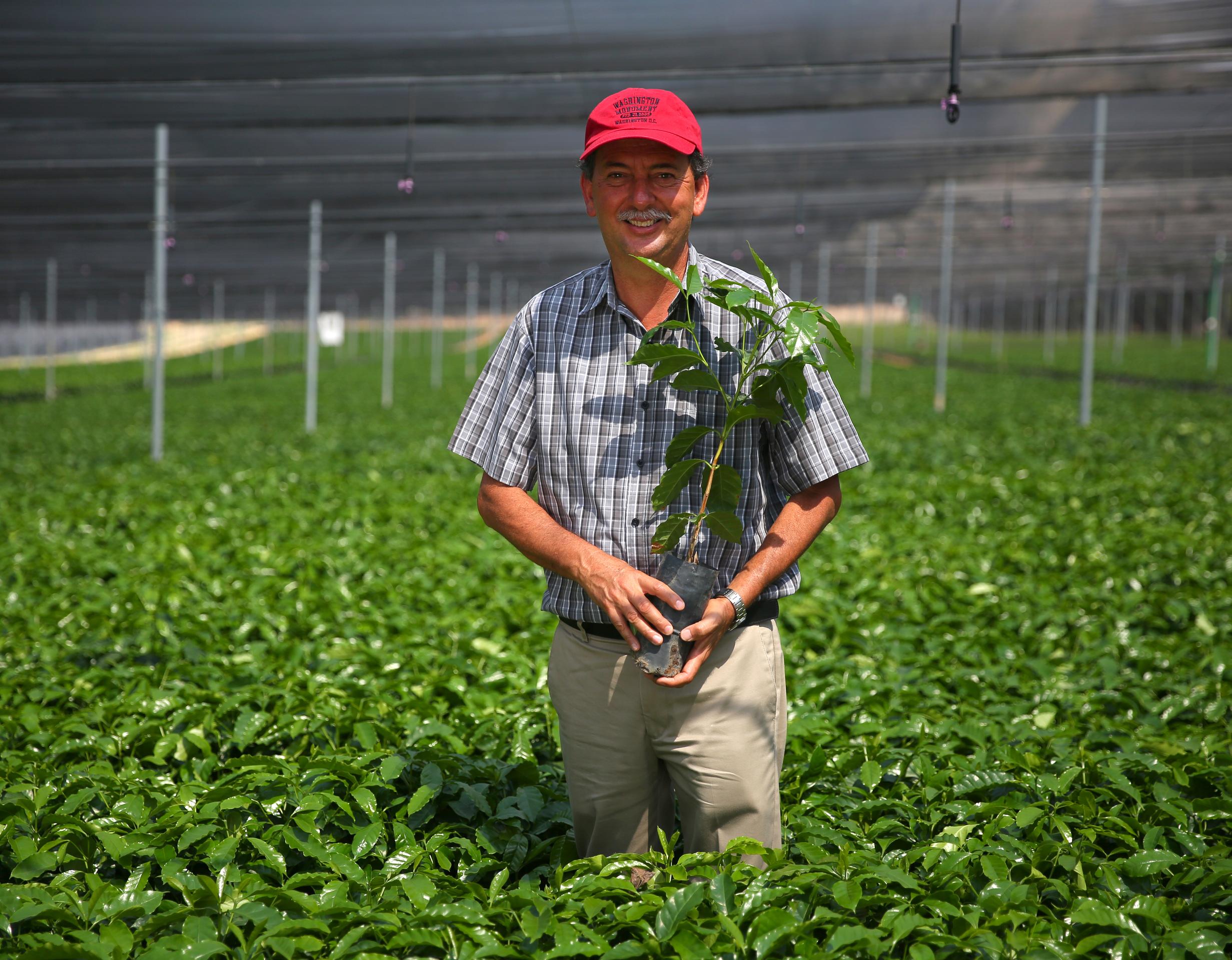
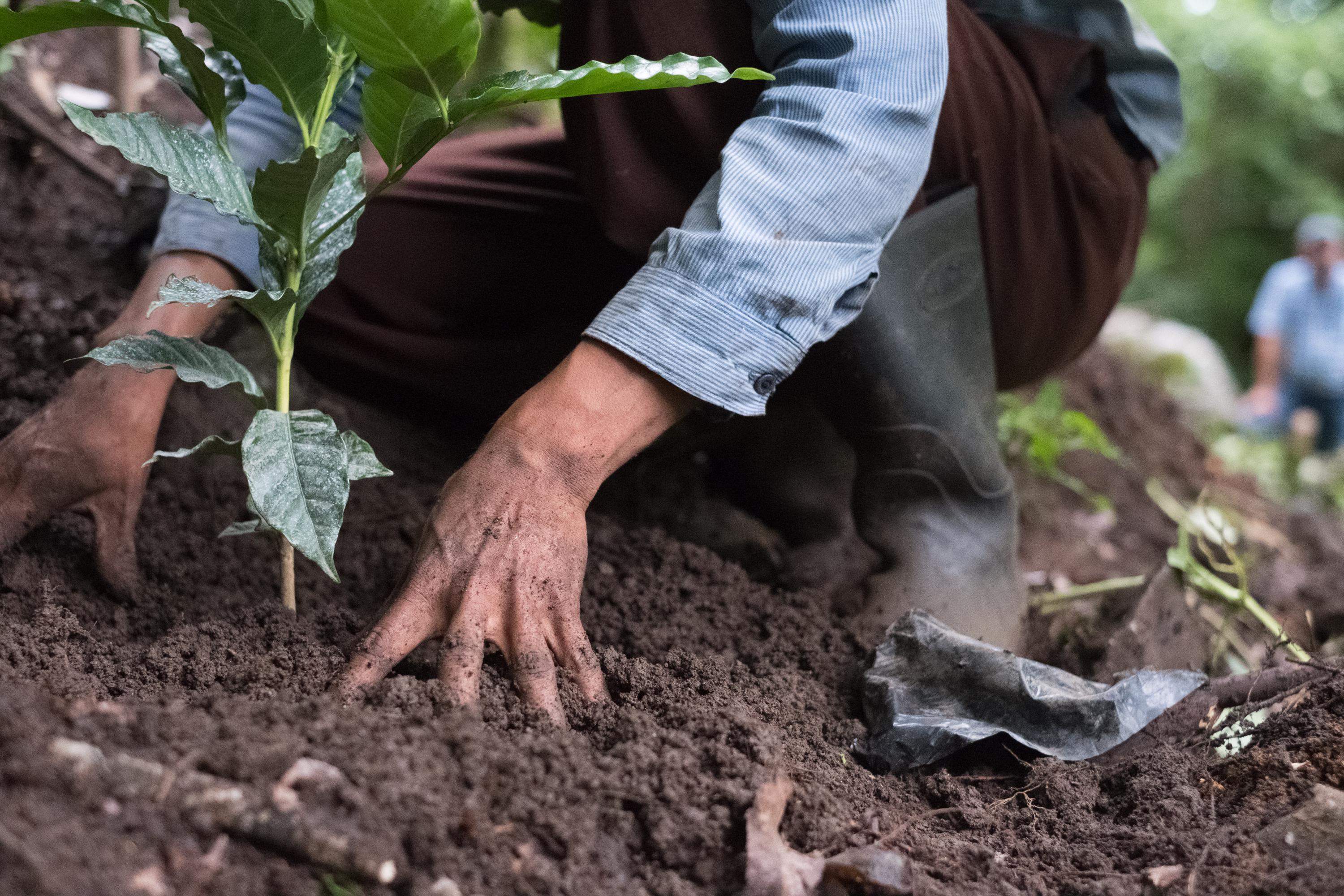
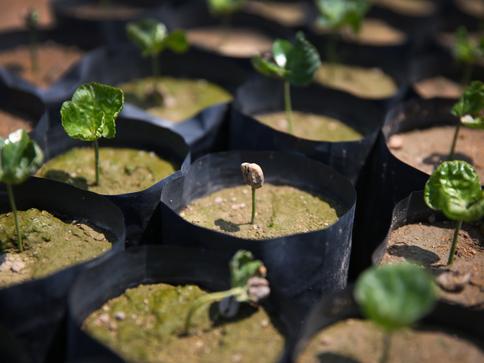
In April 2017, Starbucks announced that it will ensure that 100 million healthy coffee trees get into the hands of coffee farmers that need them by 2025.
This effort is part of the company’s ongoing commitment to provide comprehensive support to farmers around the world. Providing healthy trees to farmers in coffee-growing regions makes existing farmlands more productive and keeps us from expanding into forests.
This Starbucks 100 million trees commitment builds on the successful One Tree for Every Bag campaign (September 2015 through June 2017) launched to help farmers whose crops were affected by coffee rust, a plant fungus that has damaged millions of trees around the world.
Through this campaign, Starbucks contributed to Conservation International for every bag of coffee sold at participating stores in the U.S. Conservation International in turn made grants to seedling nurseries that provided new rust-resistant coffee trees directly to farmers in El Salvador, Guatemala and Mexico.
Coffee sourcing practices
Stemming from work with farmers in southern Mexico, supporting growers of shade coffee in areas of high biodiversity and promoting the use of environmentally sustainable agricultural practices, Conservation International and Starbucks developed a clear set of environmental, social and economic principles. These guidelines, known as Coffee and Farmer Equity (C.A.F.E.) Practices, have become the cornerstone of Starbucks coffee sourcing. They help increase supply chain visibility and enable Starbucks to source high-quality, arabica coffee with care.
C.A.F.E. Practices is a verification program that measures farms against economic, social and environmental criteria through audits conducted by third parties trained and approved by SCS Global Services.CI continues to advise on the evolution of C.A.F.E. Practices, however, does not conduct audits or verify farms. Access documentation related to C.A.F.E. Practices and find out how the voluntary standard is applied.
C.A.F.E Practices Assessment
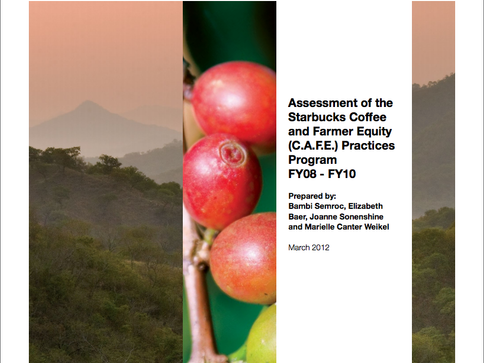
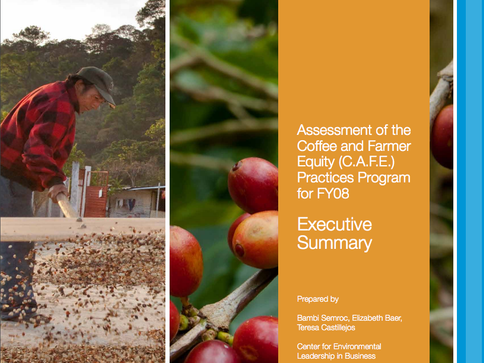
Since 2008, Conservation International has conducted independent results assessments that review the reach of the program as well as performance of farms, mills and suppliers across the C.A.F.E. Practices indicators, to understand the adoption of best practices at a country and global level and identify areas for program enhancement.
Follow Starbucks’ Journey to 100% Ethically Sourced Coffee
Previous Projects
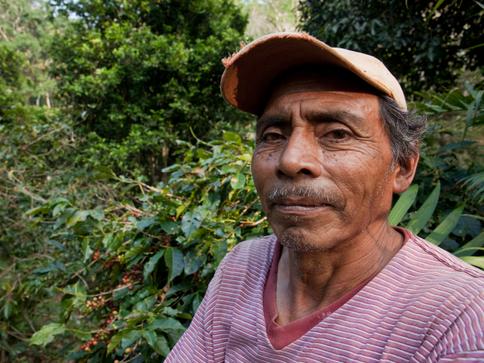
Designing digital traceability to benefit coffee farmers
Conservation International partnered with Starbucks to identify the benefits of digital traceability and determine how best to design such programs.
Our team conducted a series of field visits to interview cooperatives, washing-station managers, farmers and additional key stakeholders.
Establishing a net-positive-impact coffee origin in Oaxaca, Mexico
In September 2016, Conservation International and the Starbucks Foundation joined forces to design and implement net-positive-impact coffee origin demonstration that delivers and quantifies positive outcomes for coffee farmers, communities, and water conservation in Oaxaca, Mexico. The project defines a new model for origin-based investments within the coffee sector. Conservation International is focusing on revitalizing the shade management systems to support productivity as well as wildlife conservation and food and income diversification.