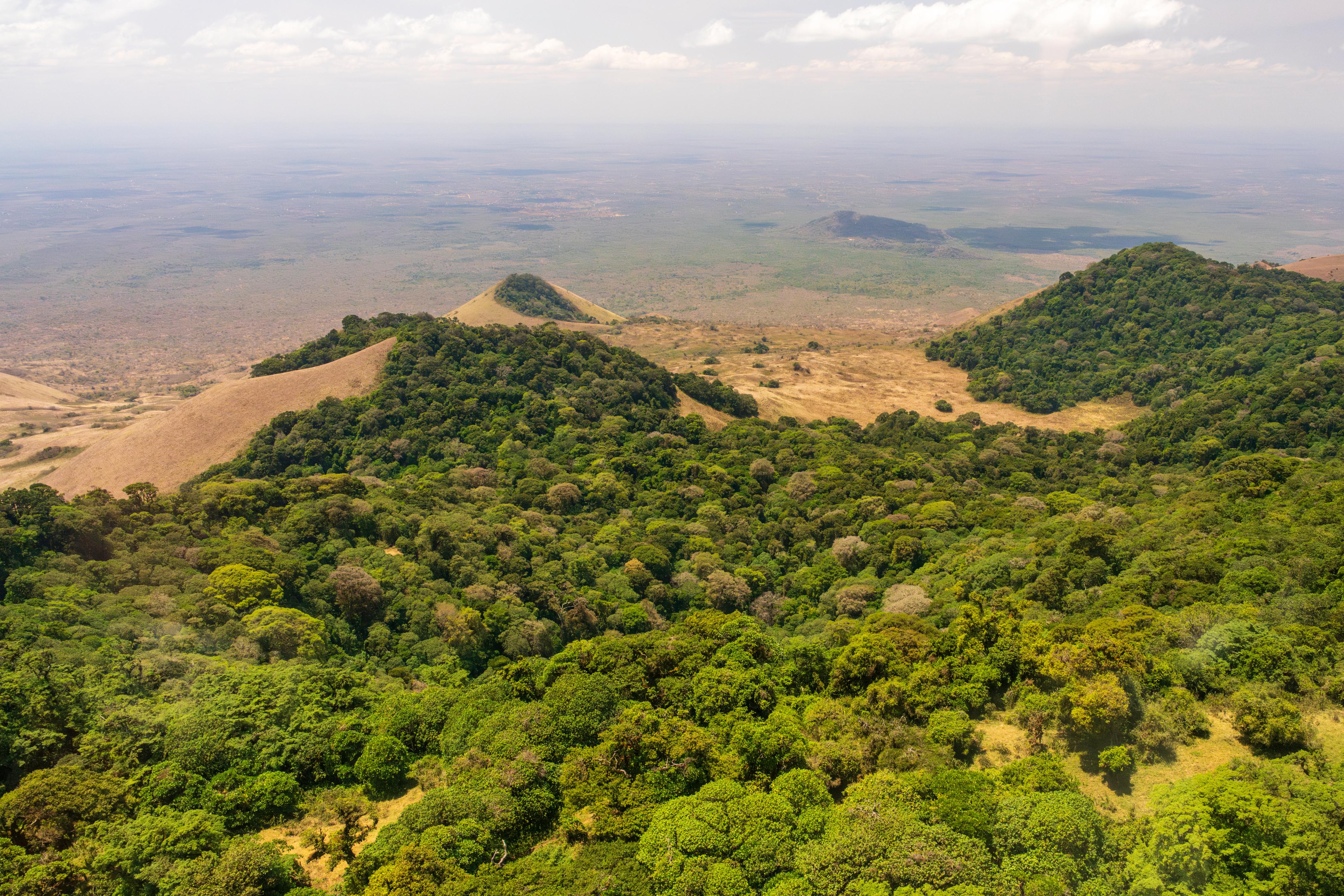
New analysis argues for protection of 25% of planet's land and 15% of oceans by 2020
Washington, DC – World leaders gathering in Japan next week
at the UN's biodiversity summit must agree to put at least 25 percent of the
Earth's land and 15 percent of the oceans under protection by 2020 if they are
to be successful in their efforts to solve the current global environmental
crisis, a new analysis by Conservation International showed today.
Putting a larger area of the planet under protection is crucial to secure
important biodiversity and the delivery of vital services from nature to people.
Natural habitats – and the species and genetic resources they harbor – support
the global economy and billions of people who directly depend on them for
immediate needs, like food, income and shelter. Currently, about 13 percent of
the world's terrestrial areas and less than 1 percent of the open oceans are
protected.
The analysis shows that at least 17 percent of the Earth's land is necessary
to protect priority areas for known biodiversity and an additional 6-11 percent
is needed to ensure adequate storage of carbon in natural ecosystems. The
analysis clarifies that protected areas are not just strict nature reserves, but
can also refer to areas managed for multiple uses, such as recreation,
sustainable economic activities or for their unique beauty and cultural
value.
When world leaders meet at the Convention on Biological Diversity (CBD),
which starts next Monday in Nagoya, they will discuss a set of 20 targets to
slow biodiversity loss over the coming decade – one of them being about the need
to put areas under protection. The numbers being discussed are around 15-20
percent for land and a yet to be determined percentage for oceans.
"The current targets are clearly inadequate in protecting biodiversity and
ensuring key services to people. Science shows us that we need more places to be
protected and where the key places are," said Conservation International's Frank
Larsen, lead author of the analysis. "There is also evidence that the costs of
expanding protected areas are compensated by the many benefits, including new
jobs and people's ability to withstand the effects of climate change."
Lina Barrera, Conservation International's Director of Biodiversity and
Ecosystem Services Policy, added: "The problem is that most of the costs are
local, while most of the benefits are global, so politicians do not see much
incentive to make things happen. This is the time to be brave and get real about
the need to put us on the path for a more sustainable future."
According to the analysis, protecting 25 percent of the lands and 15 percent
of the oceans is still a preliminary and conservative estimate. It takes into
account the needs to address only carbon storage, but when other important
ecosystem services – like water supply, crop pollination and fisheries – are
added, the numbers will be higher. Also, in regions highly impacted by
environmental degradation, protected areas are likely to be the only intact
natural environments that will remain.
###
DOWNLOAD: Technical Brief on Protected Area Target
(PDF - 377 KB)
Learn more at www.conservation.org/CBD
Photos available for download here (please note that these images are just to
illustrate the story and do not refer to any specific places or species that
might be mentioned in the analysis): http://bit.ly/daZXNO
For more information:
Patricia Yakabe Malentaqui, International Media Manager
Mobile: +1 (571)
225-8345 / Office: +1 (703) 341-2471
pmalentaqui@conservation.org
Kim McCabe, U.S. Media Manager
Mobile: +1 (202)203-9927 / Office: +1 (703)
341-2546
kmccabe@conservation.org
Frank Larsen, Conservation Scientist
flarsen@conservation.org
Lina Barrera, Director of Biodiversity and Ecosystem Services Policy
lbarrera@conservation.org
Conrad Savy, Biodiversity Analyst
csavy@conservation.org
Notes for editors:
Conservation International (CI):
Building upon a strong foundation of science, partnership and field
demonstration, CI empowers societies to responsibly and sustainably care for
nature, our global biodiversity, for the well-being of humanity. With
headquarters in Washington, DC, CI works in more than 40 countries on four
continents. For more information please visit www.conservation.org