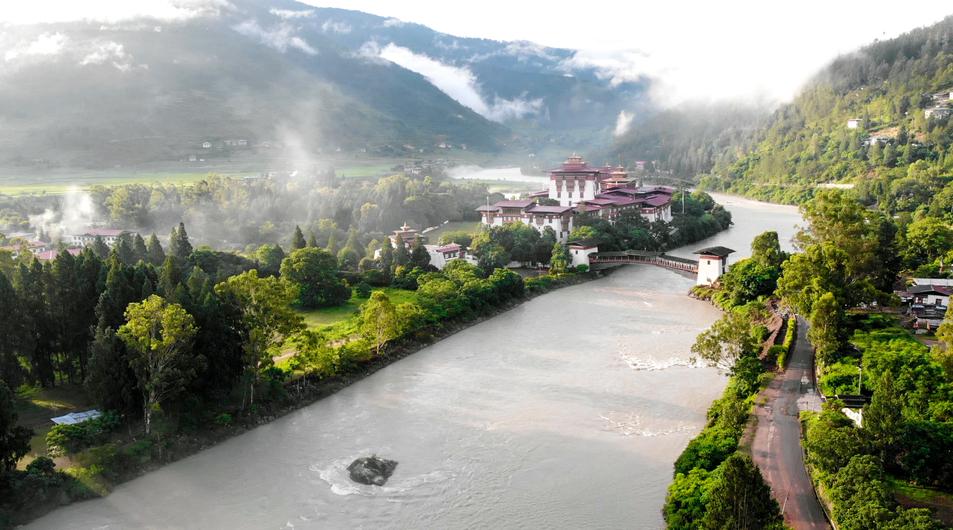
Advancing nature-positive action across the Eastern Himalayas
An open platform to drive conservation, restoration, and climate-resilient impact at landscape scale across Bhutan, Nepal, India, and Bangladesh.
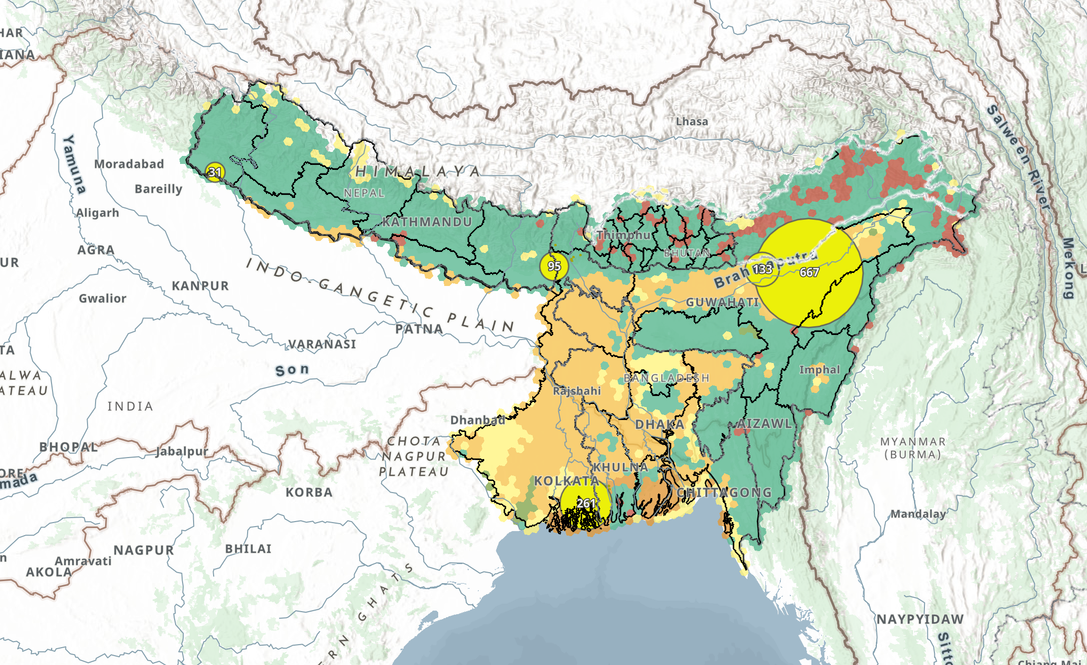
Empowering informed decisions for nature and people
The Mountains to Mangroves Atlas brings together science, data, and local knowledge to support better decisions across one of the world’s most biodiverse and climate-vulnerable regions. From mountain springs to floodplains and mangroves, the Atlas helps make sense of complex landscapes and the vital connections between nature, climate, and livelihoods.
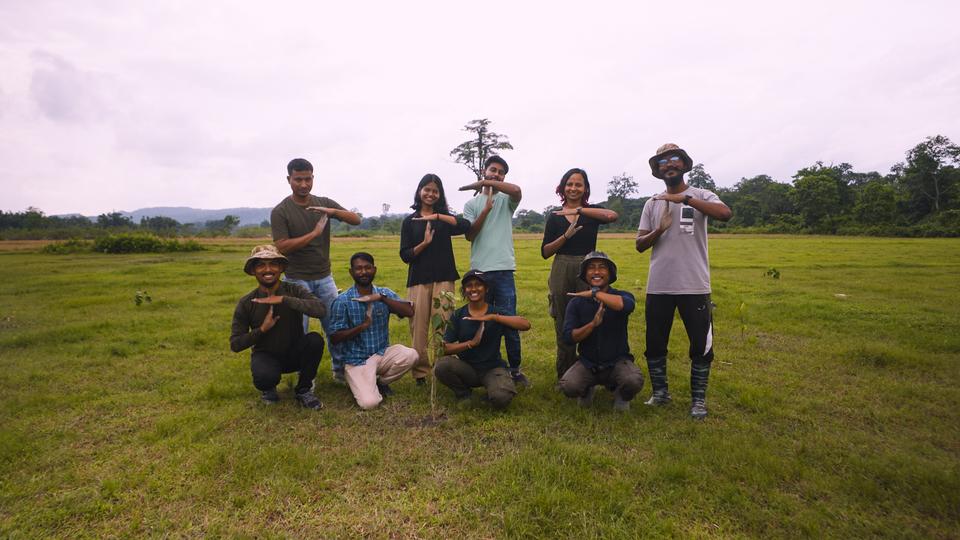
Turning insight intoaction
The Eastern Himalayas sustain extraordinary biodiversity and millions of people, yet accelerating pressures from climate change, land use, and development are shaping a defining moment for these landscapes. Decisions made today – about where to protect, restore, or invest – will shape the future of these landscapes for decades to come.
The Atlas exists to support those decisions, helping ensure that action is guided by evidence, coordinated across borders and sectors, and aligned with outcomes for both nature and people.
Strengthen decisions
Use our spatial data, modelling, and landscape analysis to understand where and how to act.
Explore where progress is possible
Understand restoration and protection potential, and benefits for biodiversity, climate resilience, and livelihoods.
Enable action at scale
Support coordinated strategies, partnerships, and investment that move beyond isolated projects toward landscape-scale impact.
Want to learn more?
This project is supported by the UK government through its Foreign, Commonwealth and Development Office (FCDO). Funding for the Mountains to Mangroves Atlas is delivered through Climate Action for a Resilient Asia (CARA), the UK’s flagship regional programme to build climate resilience in South Asia, Southeast Asia, and the Pacific islands.