2.4B
PEOPLE
According to the United Nations, there are still 2.4 billion people who lack access to improved sanitation facilities.
The WASH in Watersheds approach contends that when certain basic needs are met and their links to improved conservation outcomes are made clear, people become stronger advocates for conservation.
Our plan
Around the world, Conservation International is creating an inclusive approach to water management that is built on local stewardship and supported by strong governance. We are creating a system in which communities have the knowledge and resources to protect the watersheds they need to thrive.
Working with communities
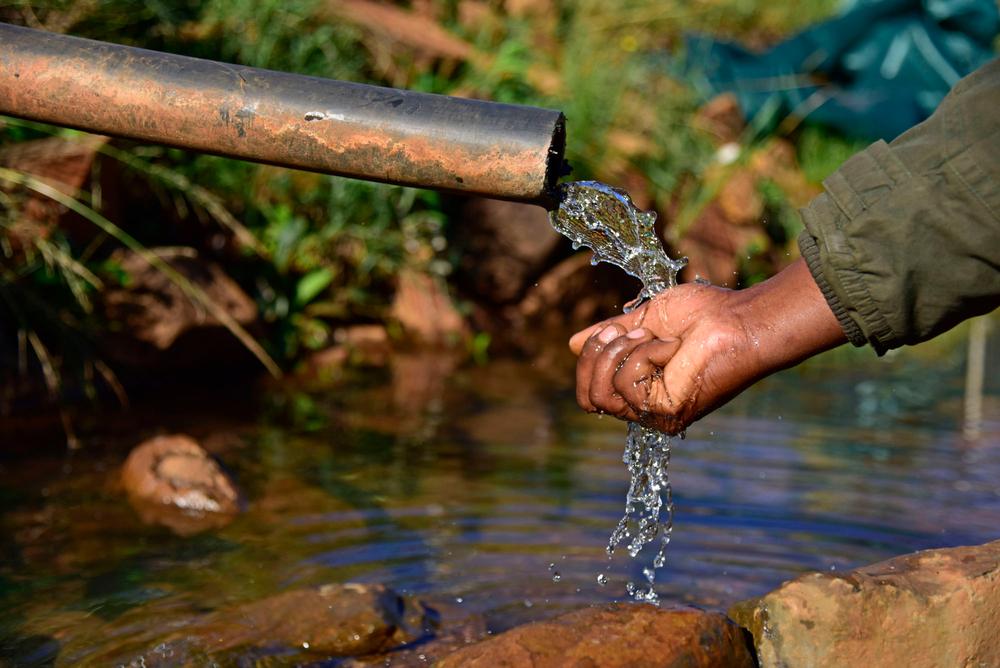
In South Africa, destructive grazing practices, invasive plants and inadequate sanitation infrastructure have degraded the Mzimvubu River and reduced the quality and quantity of water flowing to communities downstream. We are supporting community efforts to restore natural springs by removing water-thirsty, invasive plants that are drying up watersheds in the region. We are also collaborating with the local government to launch education campaigns about good health and sanitation practices. This has led to a dramatic improvement in both the well-being of the local people and the health of their watershed.
Developing tools
Conservation International worked with the Africa Biodiversity Collaborative Group and its member organizations to produce a set of guidelines that are helping health, development and conservation professionals in sub-Saharan Africa better implement and achieve both WASH and freshwater conservation outcomes.
We are also building tools with partners to improve hygiene in communities. For example, to help pastoralists in South Africa’s rangelands understand the importance of adopting good land-use practices in the “veld” — grasslands where they graze their livestock — we developed and disseminated a veld sanitation manual for local communities.
Leveraging change and collaboration
Conservation International is committed to increasing awareness of the connections between resilient communities and freshwater ecosystems at all levels. Together with partner organizations, we developed an “advocacy strategy guide” to help organizations and governments incorporate freshwater conservation and WASH into human development projects all over the world.
Conservation International also leads the WASH-Conservation Working Group, a coalition of a dozen development and conservation organizations that seeks to advance shared commitments through technical programming, advocacy, awareness-raising and by maximizing investments.