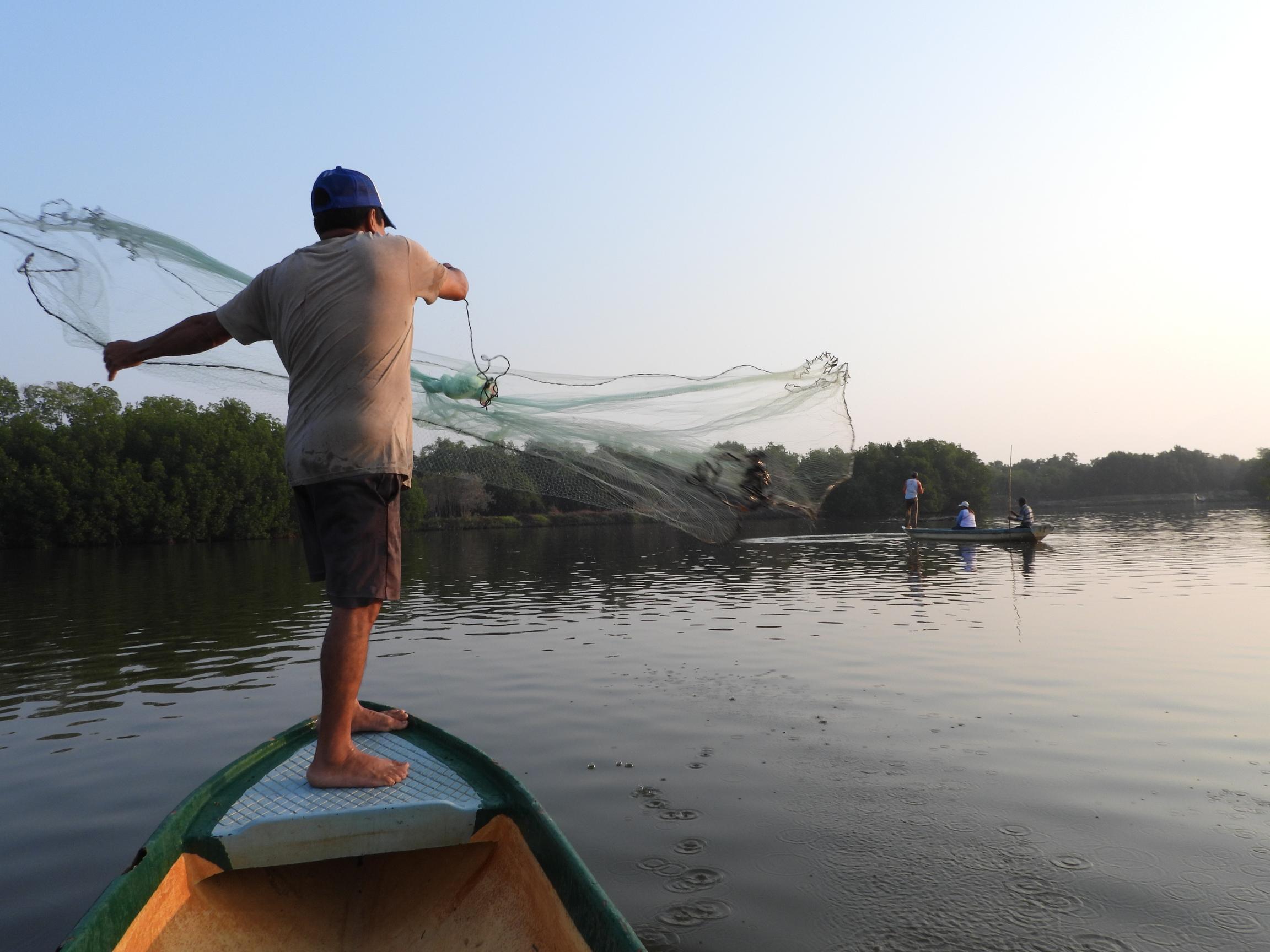
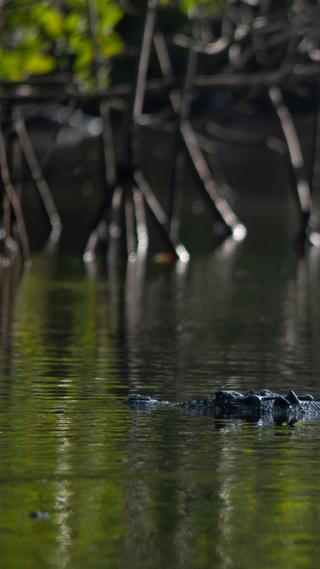
About a decade ago, the small fishing community of Topón in southern Mexico noticed that the shrimp on which its economy depended were dying off. It took time to determine that one of the factors behind the decrease in shrimp populations was the elimination of the estuary’s native crocodiles, which were feared — and often hunted — by the community.
So the project hosted workshops that showed the community the critical role that crocodiles play in keeping the ecosystem healthy — and ensuring there is an abundance of shrimp to fish. The project also organized monitoring brigades to keep an eye on the species and measure progress.
The fishermen’s catch has increased tenfold since the project began more than five years ago. The local economy is also showing signs of improvement, notably for women and youth. With a new shrimp processing plant, the fishermen hope to connect directly to higher-value markets that support sustainable production.