5M
METRIC TONS
The project will sequester nearly 5 million metric tons of greenhouse gases over 20 years, equivalent to removing 1.2 million gas-powered cars from the road.

A woman collects black cockles, a mollusk delicacy, from a stand of mangroves.
Why are mangroves important?
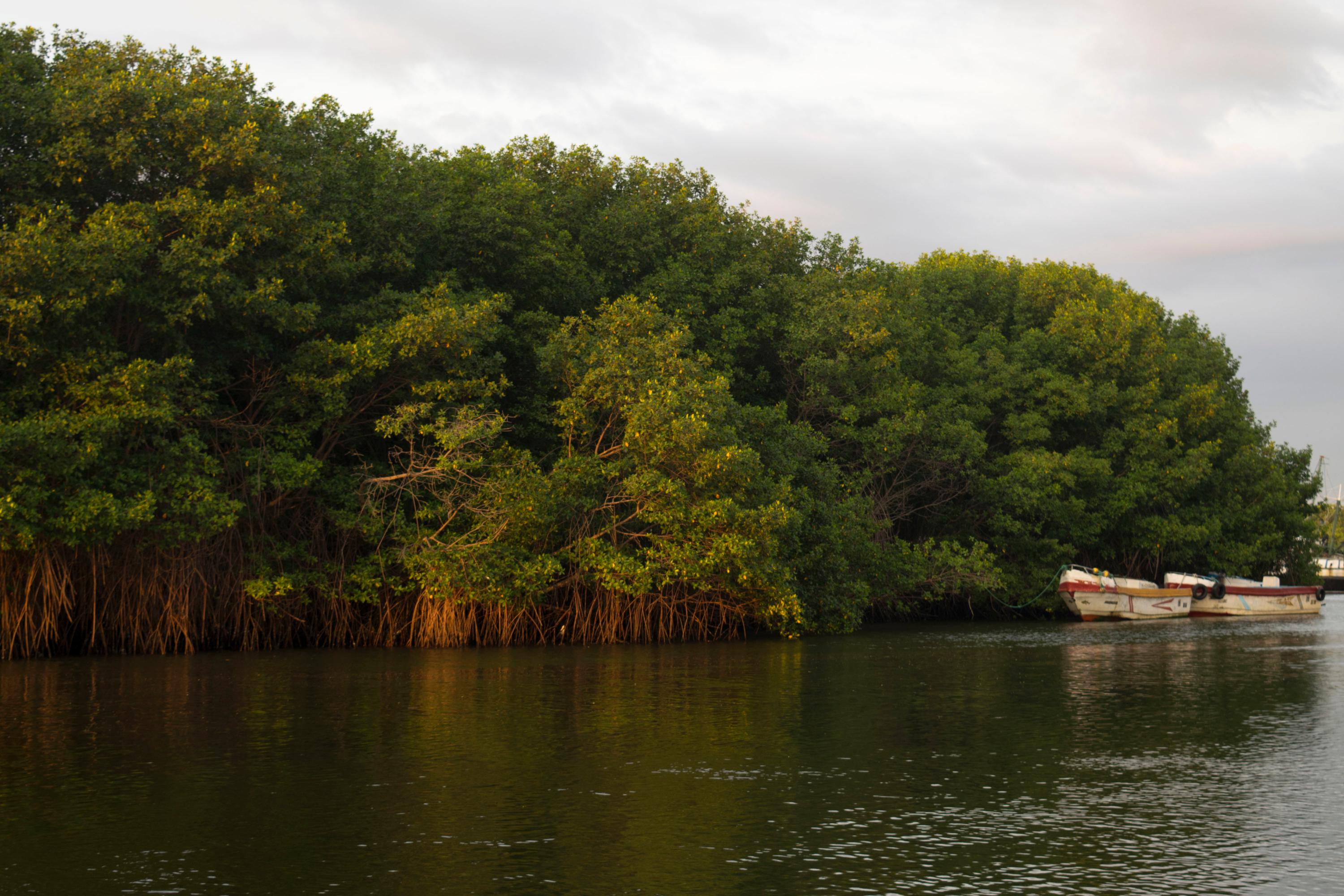
Hugging coastlines throughout the tropics, mangroves capture and store massive amounts of carbon: A single square mile of mangroves can stash away as much carbon as the annual emissions of 90,000 cars. In addition, mangroves act as natural coastal buffers and can help communities become more resilient to sea-level rise.
Yet mangroves have seen a significant decline — Ecuador alone has lost nearly a quarter of its mangroves since 1969, leaving its coasts highly vulnerable to extreme weather and coastal erosion.