Active

Restoring Costa Rica’s Mangroves

CLIMATE

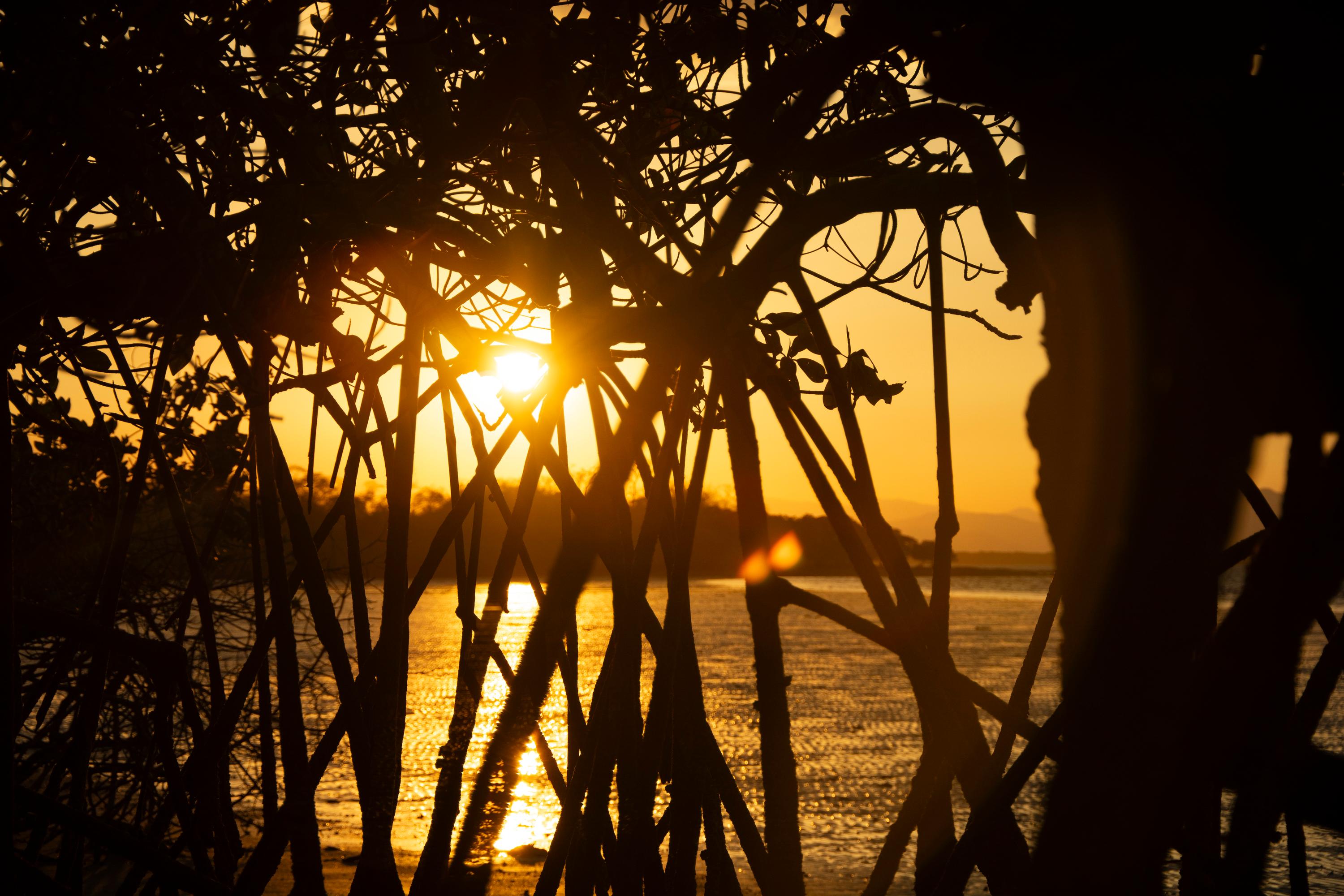
Recently, Conservation International’s Costa Rica team and community partners rehabilitated 332 hectares (820 acres) of mangroves on the Gulf of Nicoya, on the country’s Pacific coast. It was not easy — teams dug channels and leveled soils to help the area naturally recover to humidity and salinity levels suitable for mangrove growth.

Mangrove seedlings have naturally re-established themselves along the open channels. Field teams have recorded sightings of numerous species of birds, fish, crabs and even crocodiles using the recently built channels.

The technique is scalable. Conservation International has since used the same approach to rehabilitate 21 hectares (52 acres) of mangroves on nearby Chira Island. If this project succeeds, it could mean that mangroves the world over just might get a new lease on life — to their benefit and to ours.

90,000

CARS

A single square mile of mangrove trees can store as much climate-warming carbon as the annual emissions of 90,000 cars.

Missing mangroves

Fully half of the world’s mangroves have been lost in the past 50 years, mostly cleared for farms or development. What’s worse, mangroves are fiendishly difficult to restore once they’re gone — their removal essentially obliterates the unique natural conditions they need to thrive.