Active
Manta Impact Bond
OCEANSBIODIVERSITY
Active
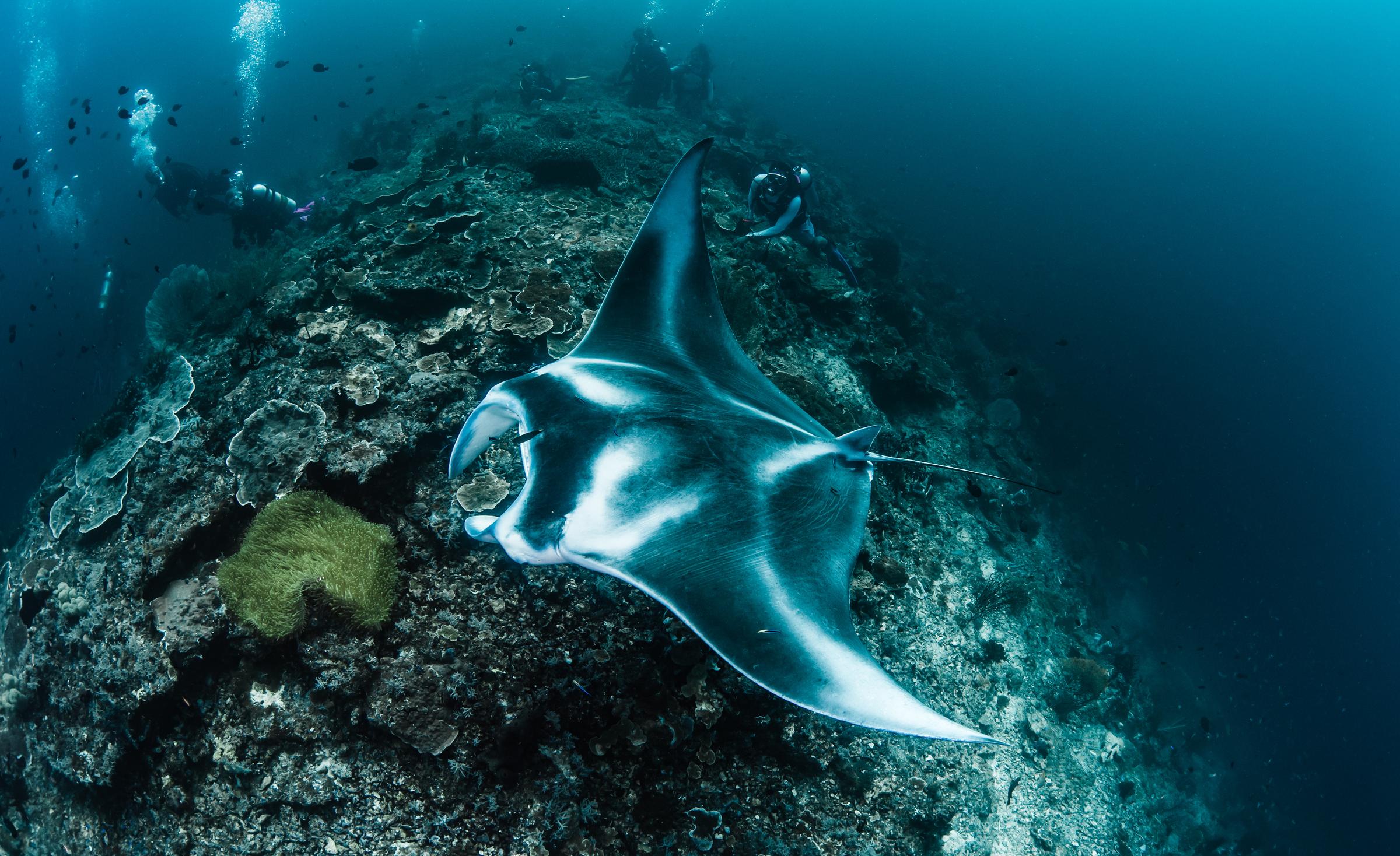
Healthy oceans mean healthy fisheries, tourism, food security and climate resilience. Manta rays are among the ocean's most iconic species — and among its most vulnerable.
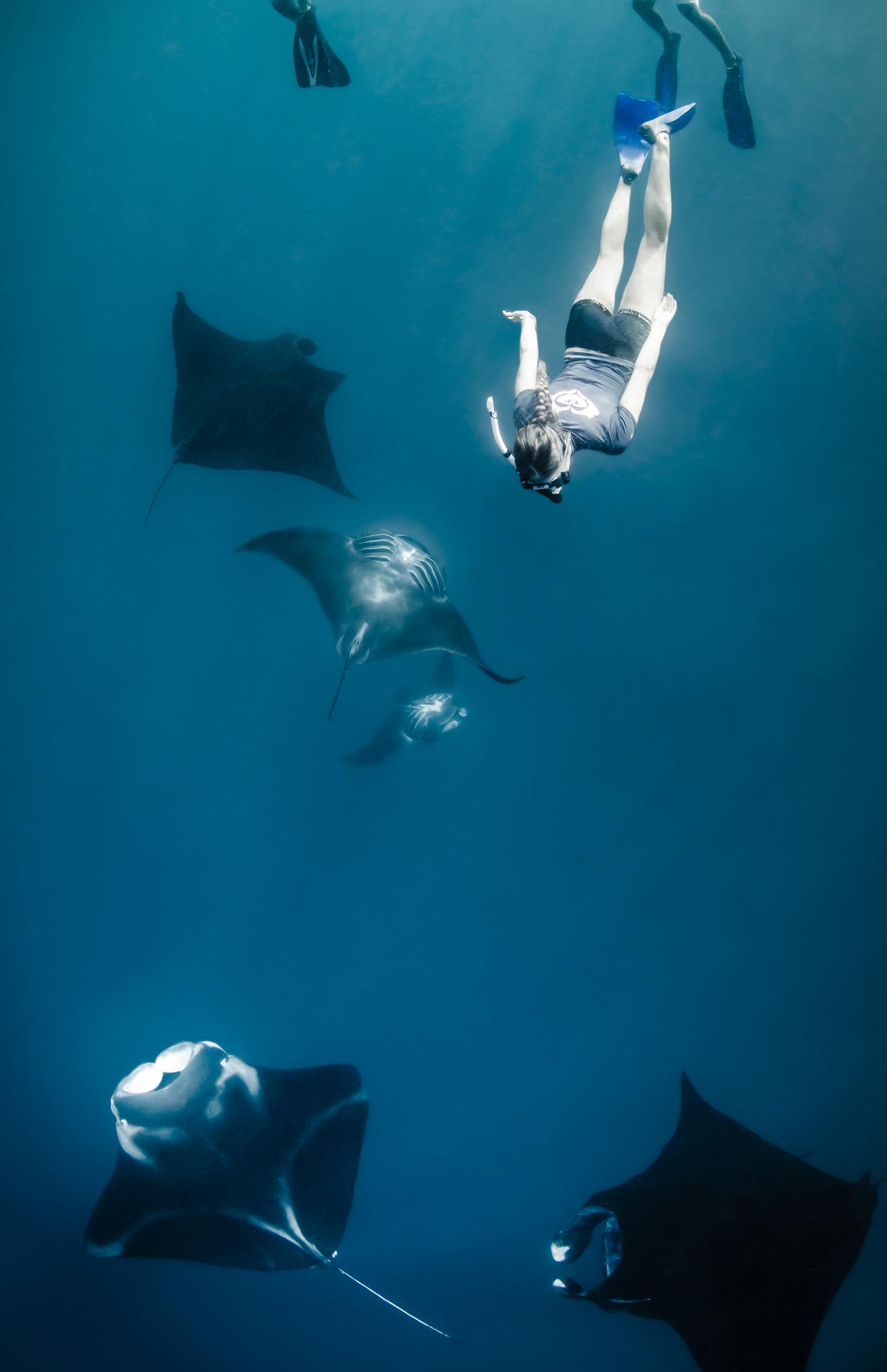
They mature slowly and produce just one pup every one to six years, so their populations recover slowly from exploitation. Illegal fishing, habitat degradation, vessel strikes, marine pollution and unsustainable tourism continue to threaten their survival.
Protect manta rays, and you protect the ecosystems and coastal economies that depend on them.
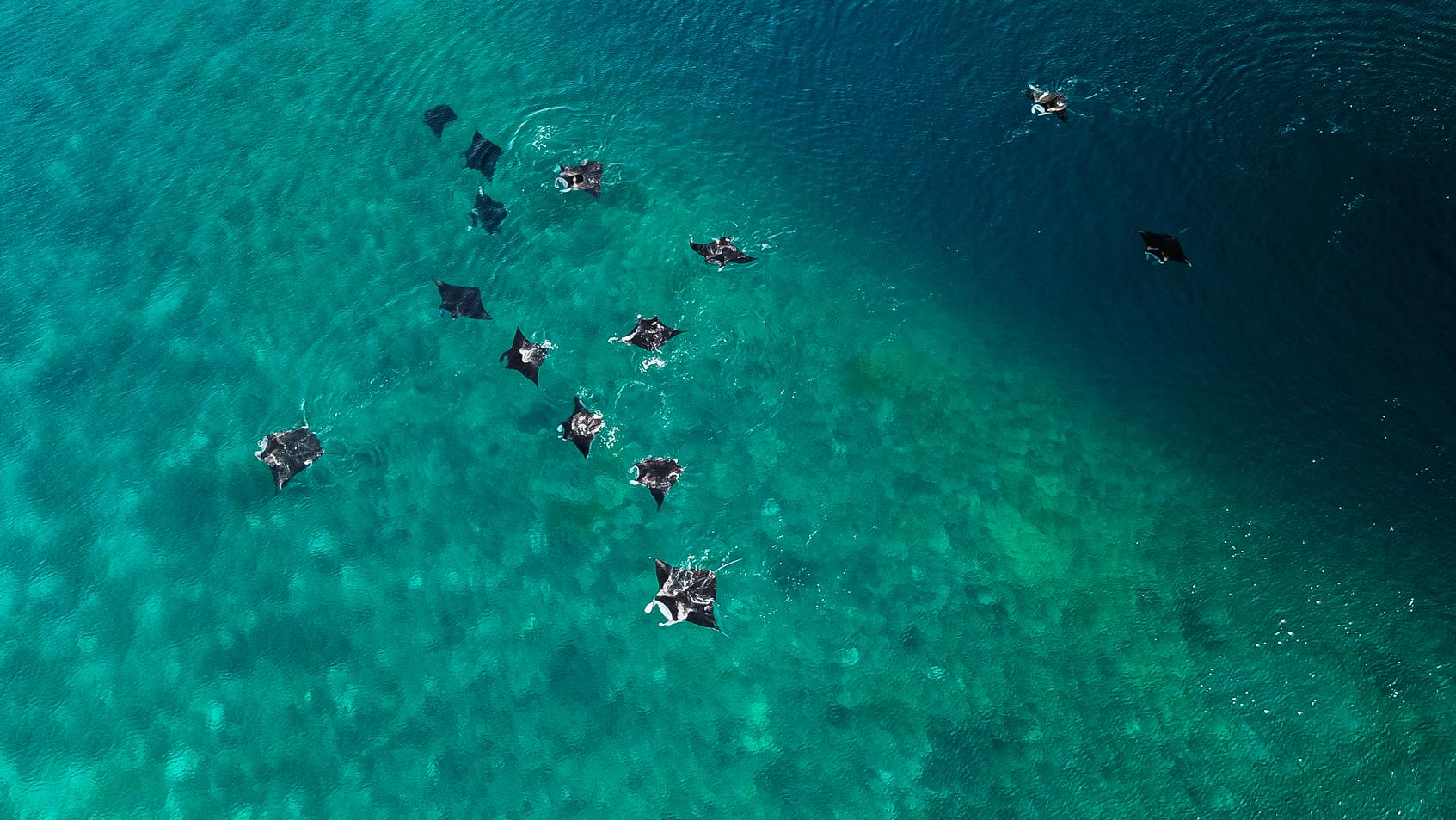
Indonesia is one of the best places on Earth for manta rays. Its waters hold both reef manta rays (Mobula alfredi) and oceanic manta rays (Mobula birostris), globally significant populations living in some of their most vital habitat.
Indonesia is also a global conservation leader. Raja Ampat pioneered shark and manta ray protection in 2012, paving the way for Indonesia to grant mantas full national protection in 2014. Today, Raja Ampat is the only well-documented place on the planet where reef manta ray populations are climbing, while most other monitored sites worldwide are flat or falling.Protection, strong park management, fishing limits, regulated tourism and steady monitoring work.
Now it’s time to scale it. Indonesia presents a unique opportunity where proven conservation solutions are ready to be scaled and sustained through innovative finance. This will be the world’s first Manta Impact Bond – a first-of-its-kind opportunity to pioneer outcomes-based marine species finance in Southeast Asia.
Despite real conservation progress, long-term financing remains one of the greatest barriers to sustaining it.
Threatened species conservation often depends on short-term grants and project-based funding. These investments have reduced illegal fishing, strengthened marine protected areas and supported coastal livelihoods — but many of these gains are hard to hold onto once the funding runs out.
East Flores shows why sustained financing matters. Between 2013 and 2018, integrated conservation efforts cut manta ray mortality by nearly 90 percent. But when funding for patrols and enforcement dried up, illegal catches crept back — proof that conservation gains only hold with continued enforcement, long term community investment and financing built to last.
Raja Ampat, meanwhile, shows what sustained protection can achieve. Long-term management has helped maintain one of the world’s few healthy and growing manta ray populations — clear proof that conservation investment pays real ecological dividends. But, rising pressure from mining and rapidly expanding tourism now threaten these gains, underscoring the need for sustained financing, stronger management and responsible development to keep recovery on track.
The economic case is clear: a single manta ray, alive and protected, can generate up to US$1 million over its lifetime through tourism — compared to less than US$500 when caught and sold1.
The Manta Impact Bond is a single, outcomes-based financing framework designed to align donors, investors, governments and communities.
Rather than funding activities alone, the bond finances measurable conservation outcomes — sustaining proven work already underway for the long term.
Private investors provide upfront capital to support marine protection, community-based livelihoods and conservation management. Independent verification confirms whether agreed ecological and social outcomes have been achieved. Investor repayment is tied to those verified results, building in accountability, transparency and performance-based conservation finance from the start.
The Manta Impact Bond is designed to generate measurable outcomes across three dimensions – moving beyond short-term grant cycles toward sustained, results-based conservation financing.
We are currently in the design phase of the Manta Impact Bond. Two pilot sites have been identified and are undergoing feasibility assessments, including extensive community consultation and scientific research. A final decision on the pilot sites will be made once the design phase is complete.
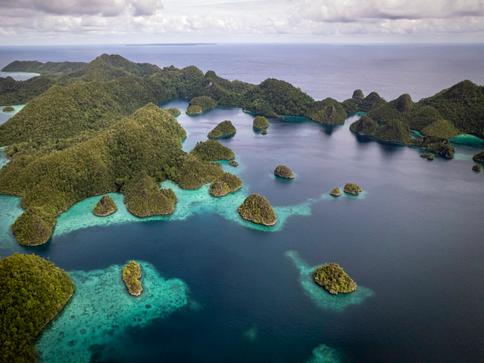
Raja Ampat, located off the northwest tip of Bird's Head Peninsula in Southwest Papua is home to one of the healthiest and best-documented reef manta ray populations on Earth. More than a decade of integrated conservation — legal protection, marine protected area management, community engagement, long-term scientific monitoring and tourism — has driven estimated annual population growth of roughly 4 percent in Dampier Strait and 11 percent in southeast Misool. It’s rare proof that manta ray populations can rebound when conservation is done right and sustained.
But rising tourism, mining, coastal development and other emerging pressures could put those gains at risk.
The Manta Impact Bond will help lock in this global conservation success — strengthening protection of critical feeding, cleaning, nursery and movement habitats; supporting continuous monitoring and adaptive management; improving responsible tourism practices; and making sure conservation delivers lasting benefits for local communities.
With long-term, appropriately scaled financing, the initiative will protect the ecological and economic returns built by more than a decade of conservation investment.
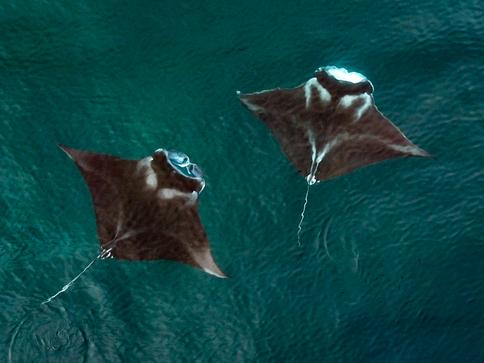
East Flores, located in the East Nusa Tenggara province, forming part of the Lesser Sunda Islands in central-eastern Indonesia, presents a different but equally important opportunity.
For generations, oceanic manta ray hunting has been woven into local traditions, customary practices and coastal livelihoods.
But, manta rays are now fully protected under Indonesian law, and their populations continue to decline under the weight of past fishing pressure and their exceptionally slow reproduction. Recognizing that this transition cannot be achieved through enforcement alone, the Manta Impact Bond takes a people-centered approach — working with communities to balance cultural identity, economic needs and manta recovery.
Through long-term, appropriately scaled financing, the initiative will support provincial and local governments strengthen marine protection while enabling communities to build sustainable, manta-positive livelihoods and complete a fair and resilient transition.
The Manta Impact Bond is being developed through collaboration among government, conservation organizations, scientific institutions and finance partners.
Key partners include:
Protecting manta rays requires more than conservation expertise.
It requires innovative finance, long-term partnerships, and investors who believe that measurable environmental outcomes deserve sustainable investment.
Whether you are an impact investor, philanthropic funder, corporate partner or conservation organization, we invite you to explore how the Manta Impact Bond can help scale marine conservation in Indonesia.
Janice-Renee Yoshioka, Vice President, Nature Finance
Iqbal Herwata, Focal Species Conservation Sr. Manager, Indonesia
1 Setyawan, E., Erdmann, M., Gunadharma, N., Gunawan, T., Hasan, A., Izuan, M., ... & Constantine, R. (2022). A holistic approach to manta ray conservation in the Papuan Bird’s Head Seascape: Resounding success, ongoing challenges. Marine Policy, 137, 104953.