Active
Building stewardship systems that help people choose nature
Protecting nature requires more than setting aside protected areas. The future of conservation is taking place on the lands and seas where local people actually live and work.
Conservation International's Conservation Stewards Program (CSP) works with Indigenous Peoples, local communities, governments and private partners to build lasting systems where protecting nature also improves people's lives. CSP makes this possible through conservation agreements, enterprise development, innovative finance and long-term partnerships, helping communities set up strong local leadership and start businesses that work with nature instead of against it.
For more than two decades, CSP has partnered with communities around the world to translate global climate and biodiversity commitments into locally led action.
A proven framework for community-led stewardship
Conservation agreements help communities make a plan for the land and waters they need to thrive.
Conservation agreements often grow out of a community's own history and knowledge of the land — the ways they've managed, used and understood it for generations — and build a partnership around sustaining those systems. Rather than bringing in an outside plan, Conservation International and the community design an agreement together: specific commitments, incentives, funding and business support are all shaped around the community's existing knowledge, aspirations, and rights to their land and resources.
Every agreement reflects the community's own priorities, rights and how they already govern their land. That might mean supporting an Indigenous community's own life plan — a self-authored vision for their territory and future — a conservation strategy the community has already developed, or the management plan for a protected area they help manage.
Agreements may include working together on:
- Nature-positive enterprise development
- Regenerative agriculture
- Sustainable fisheries
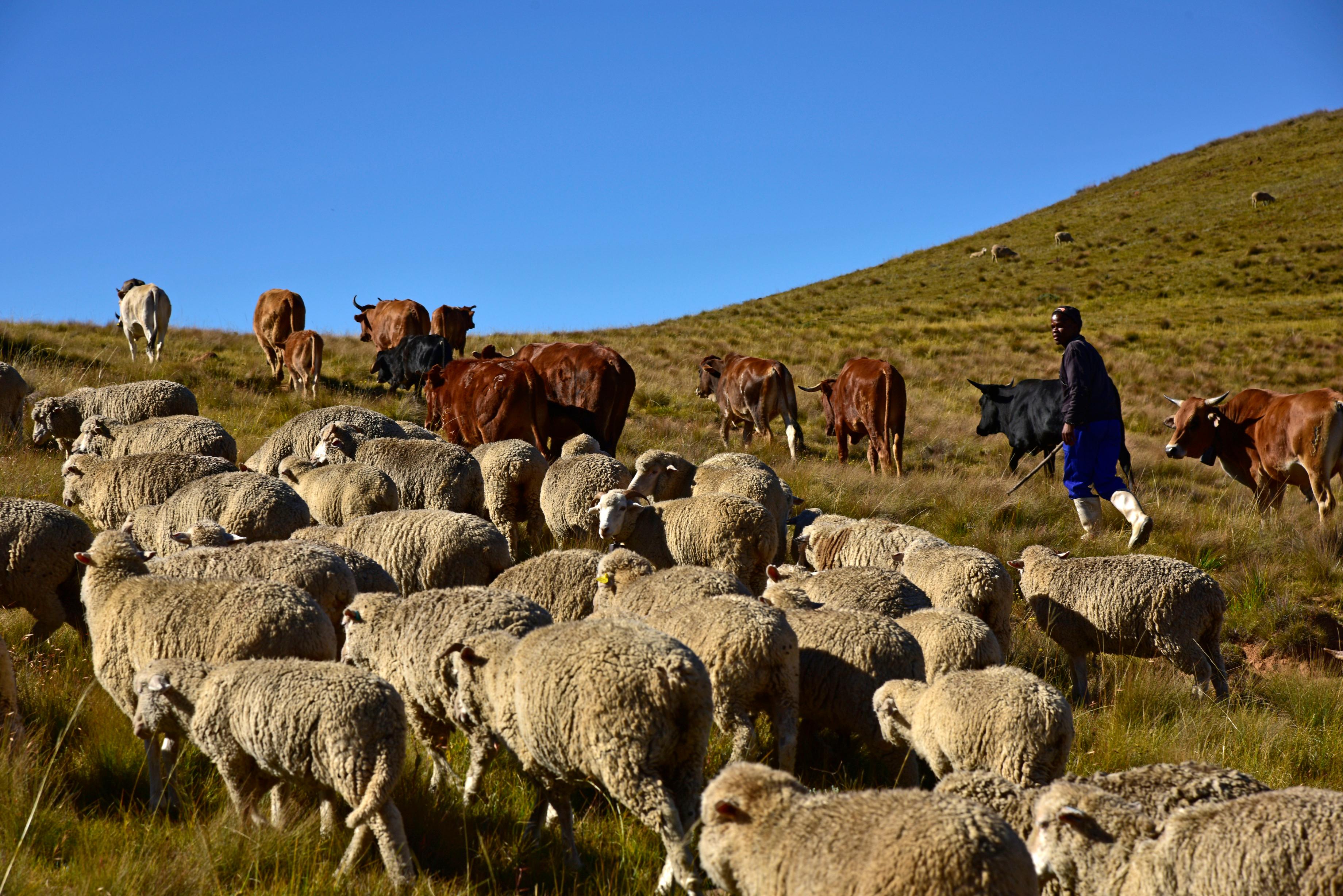
- Improved livestock production
- Governance strengthening
- Education and health investments
- Direct conservation employment
- Payments for Ecosystem Services
- Community infrastructure
Every agreement is tailored to local conditions, with rigorous monitoring of both conservation and socioeconomic outcomes to support accountability, adaptive management and long-term stewardship.
Why Conservation Agreements?
Conservation Agreements have been proven to work almost anywhere — across different ecosystems, governance systems and cultures. That flexibility comes from bringing together everything a community needs to succeed: strong governance, stewardship incentives, enterprise development, conservation finance, and the ability to adjust as circumstances change.
Over two decades, the model has evolved from individual community partnerships into a globally recognized approach adopted by governments and conservation organizations to support stewardship across diverse landscapes and seascapes.

Locally led
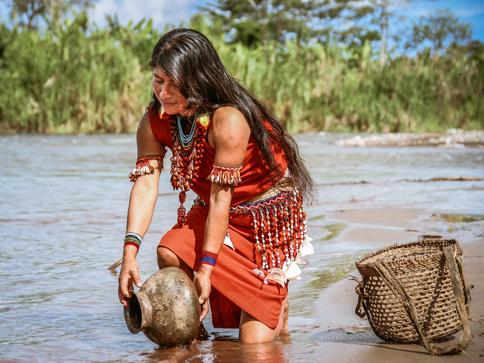
Communities negotiate the terms of every agreement and define stewardship commitments and benefit packages that reflect their own priorities, governance systems, and aspirations.
Flexible
The framework can support implementation across forests, grasslands, freshwater and marine ecosystems, Indigenous territories, protected areas, OECMs (community- or privately-conserved areas not formally designated as protected areas), and working landscapes while adapting to local ecological, cultural and governance contexts.
Durable
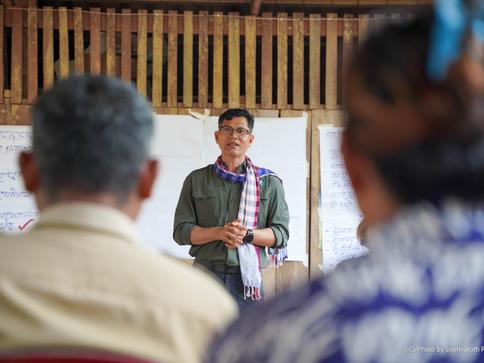
Conservation agreements turn a community's vision for their land into action that lasts. They achieve this by creating real, accountable partnerships that coordinate governance, stewardship incentives, enterprise development, financing, monitoring, and ongoing management — adjusting as things change over time.
Proven
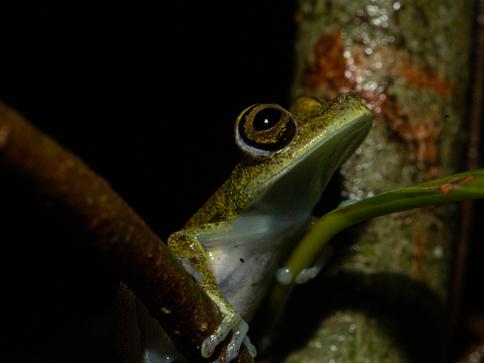
Independent evaluations have demonstrated measurable biodiversity outcomes while strengthening livelihoods, governance and community stewardship.
By the numbers
Over more than twenty years, CSP has supported:
5M+
HECTARES
5.6 million hectares (13.8 million acres) of terrestrial and marine ecosystems under improved stewardship
150K+
STEWARDS
More than 150,000 local stewards
1,000+
AGREEMENTS
Thousands of conservation agreements
28
COUNTRIES
28 countries across Africa, Asia-Pacific, and Latin America
100+
ORGANIZATIONS
Hundreds of partner organizations, with the model now adopted by governments and conservation organizations worldwide
Independent evaluation has shown that forests under conservation agreements experienced 36 percent less forest loss than matched comparison sites while strengthening community stewardship, supporting conservation-compatible livelihoods, and informing broader policy and financing frameworks.
Stewardship-linked conservation economies
Durable conservation depends on viable local economies supported by funding that lasts. Conservation agreements increasingly serve as the connective tissue here, linking governance, stewardship incentives, enterprise development, conservation finance and adaptive management into economies that make stewardship sustainable.
Today, CSP advances stewardship-linked conservation economies through four complementary areas:
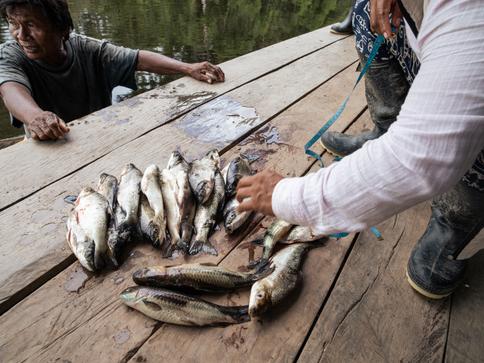
Nature-positive enterprises
Helping community businesses grow in ways that support sustainable livelihoods and healthy ecosystems.

Conservation finance
Connecting communities to funding — conservation trust funds, Payments for Ecosystem Services, private investment, blended finance — so stewardship has lasting financial support.
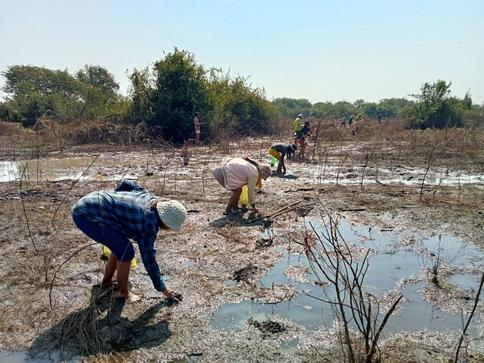
Bioeconomy
Help communities create value from healthy ecosystems, instead of depleting them.
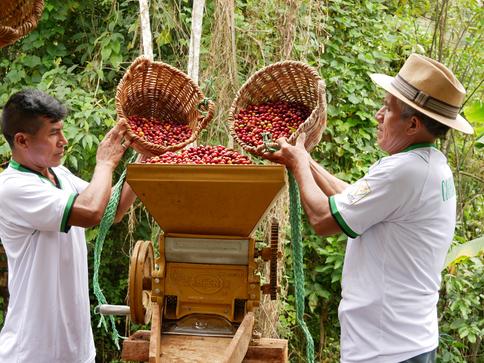
Governance
Strengthening community governance, stewardship mechanisms, and partnerships so conservation can last across Indigenous territories, protected areas, OECMs and working landscapes.
Our Evolution
Conservation Agreements
For more than two decades, conservation agreements have translated local conservation visions into measurable action while strengthening governance, livelihoods, and long-term stewardship of nature.
Conservation Agreements Private Partnership Platform (CAPPP)
Building on this foundation, CAPPP demonstrated how private-sector partnerships could strengthen community stewardship while improving biodiversity, water security and sustainable livelihoods across multiple countries. The initiative established new models for linking stewardship systems with conservation finance and corporate sustainability commitments.
Pro-Nature Enterprises
Recognizing that durable conservation requires durable local economies, CSP launched the Pro-Nature Enterprises initiative to help communities develop investable, nature-positive businesses linked directly to long-term stewardship. Working across southern Africa, the program integrates stewardship mechanisms, regenerative livestock management, sustainable fisheries, enterprise development and impact investment to build conservation economies at landscape scale.
Stewardship Economy Initiative (SEI)
Today, CSP is applying two decades of experience to the Stewardship Economy Initiative (SEI) — the next step in putting the bioeconomy into practice at a larger scale. SEI strengthens stewardship systems by integrating stewardship mechanisms, nature-positive enterprise development, conservation finance and long-term partnerships into investable conservation portfolios capable of delivering lasting benefits for both people and nature. By linking stewardship with sustainable livelihoods and diversified financing pathways, SEI offers a practical framework to turn global biodiversity commitments into conservation economies that are durable and locally led.
Publications and Resources
Reports
Videos
Work with Us
CSP partners with governments, Indigenous Peoples and local communities, NGOs, private companies, philanthropies and development organizations to strengthen stewardship systems that deliver lasting benefits for both people and nature.
Whether supporting conservation agreements, strengthening governance, developing nature-positive enterprises, designing conservation finance mechanisms, or building stewardship-linked bioeconomies, our goal remains the same:
Helping people choose nature.
Contact Us
Zachary Wells
Managing Director, USA
Amos Thiong’o Mwaura
Senior Technical Director, Kenya
Sara Galeano
Director Communities and Incentives, Colombia
Corlé Swart
Community Stewardship Director, South Africa
Lena Kedukaetswe
Enterprise Development Manager, Botswana
Lebogang Manson
Pro-Nature Enterprise Project Manager, Botswana
Kebabonye Morewagae
Knowledge & Communications Manager, Botswana