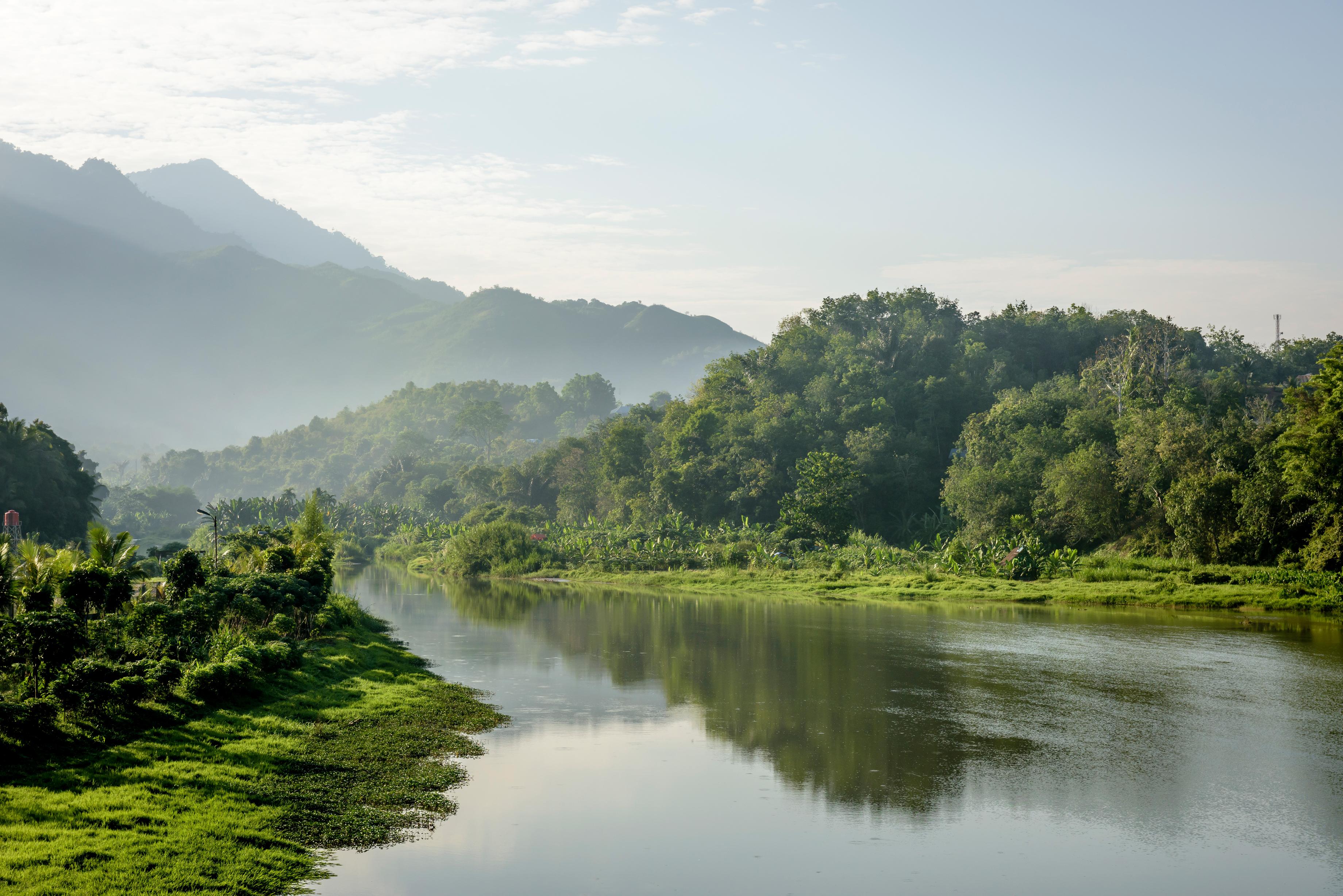
Palm oil is found in many of the packaged products in supermarkets, from baked goods and snack foods to cosmetics and soaps. But the production of this remarkably versatile crop is also a major driver of deforestation.
Unilever, the parent company of over 400 brands around the world, has partnered with Conservation International and Konservasi Indonesia to transform the industry — building a sustainable and deforestation-free supply of palm oil that benefits both people and nature.
Our role
Conservation International, Konservasi Indonesia and Unilever are helping smallholder farmers in North Sumatra, Indonesia to produce sustainable palm oil in ways that maintain healthy forests. We are focused on the country’s Tapanuli Selatan district — a region where thousands of independent farmers grow oil palm and other crops. Here, we are working with government and local partners to provide trainings on sustainable and regenerative agriculture to help reduce the impact on forests while increasing productivity and farmer income. We are also creating opportunities for local communities to engage in forest restoration and supporting government efforts to improve the management of protected forests.
Many stakeholders are working toward positive change in these regions – including government programs, private sector investments and civil society initiatives. Through the Coalition for Sustainable Livelihoods, we are helping to ensure these initiatives are coordinated, aligned and anchored in government support — achieving greater and longer lasting impacts for people and nature.
By the numbers
As of December 2024, Conservation International, Konservasi Indonesia and Unilever have helped achieve the following impacts:
1K
smallholders
Trained over 1,000 independent oil palm smallholder farmers and certified 800 of them
2
smallholder associations
Established two smallholder associations to help oil palm smallholders increaseyields and incomes
22K
trees
Planted more than 22,000 trees to support restoration of more than 150 hectares (370 acres) of illegally planted oil palm to agroforestry and native species
127K
hectares
Improved management of more than 127,000 hectares (313,824 acres) of forests under legal protection
The Impact
PRODUCE: Improving the livelihoods of smallholder farmers through sustainable palm oil
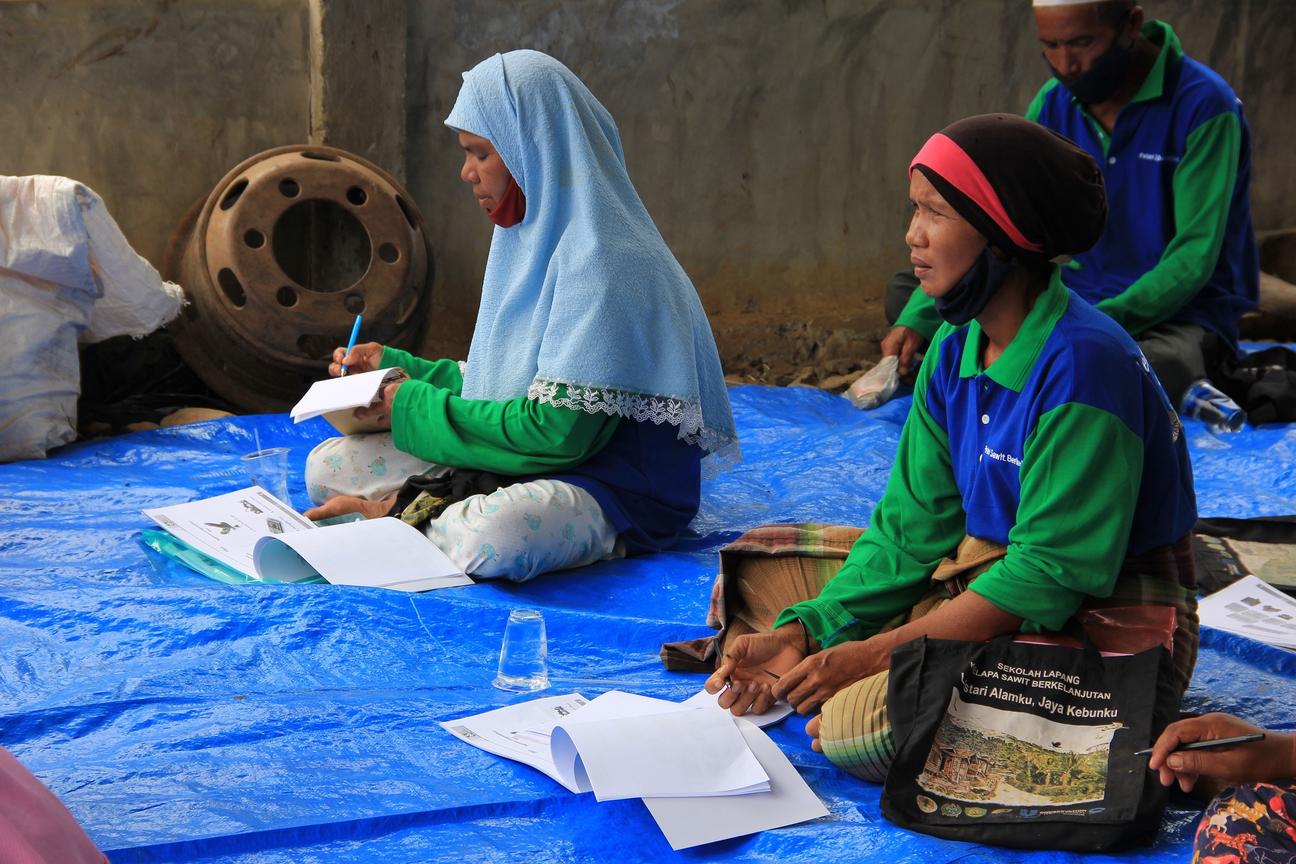
Unilever, Conservation International and Konservasi Indonesia have been working with district government and two local smallholder associations to help independent oil palm smallholders across four sub-districts in Tapanuli Selatan – Angkola Selatan, Angkola Sangkunur, Batang Toru and Muara Batang Toru – achieve certification through the Roundtable on Sustainable Palm Oil (RSPO). This certification process helps ensure oil palm is grown sustainably. In exchange, farmers receive benefits like additional income from the sale of certified sustainable palm oil.
The first phase of this work benefitted 800 farmers who received training on best practices for oil palm cultivation and harvesting, as well as technical and administrative support to achieve RSPO certification in 2023. Farmers involved in the program not only receive annual financial incentives through the sale of RSPO Smallholder Credits, but also saw yield improvements of 30 percent on average.
By documenting economic gains, we hope to incentivize the certified farmers to continue to implement best practices and renew their certification annually, as well as encourage new farmers to pursue certification. To that end, we are working with SNV and the local government, to expand farmer training programs to include an additional 1,000 farmers and integrate regenerative agriculture practices to help reverse climate change, restore soil health, and promote biodiversity conservation and improved water management.
We are also working to support improved production at the district level, in collaboration with the local, government-led sustainable palm oil platform (FoKSBI). Konservasi Indonesia will work closely with FoKSBI and local stakeholders to support the revision of the district action plan for sustainable palm oil and strengthen collective efforts to expand the area of oil palm cultivation in Tapsel district under sustainable and regenerative practices.
RESTORE: Supporting community livelihoods and land tenure through restoration
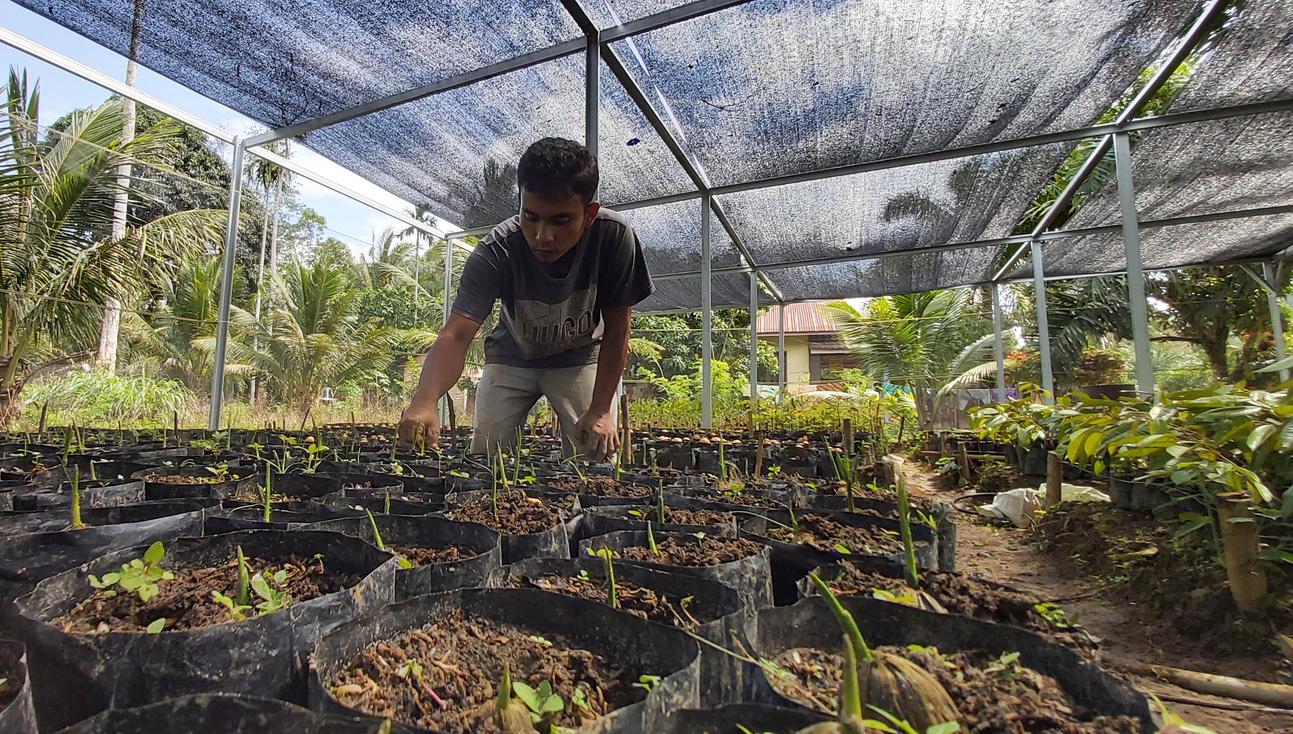
We are providing alternative, sustainable livelihood opportunities to communities where oil palm has contributed to the degradation of protected forests. Konservasi Indonesia has worked with communities to convert these areas from illegal oil palm to other legal land uses, including agroforestry and forest restoration. Through improved land tenure as well as diversified agroforestry production systems, we are building new revenue streams for communities by reducing their reliance on a single crop.
In the first phase of work, the forest farmer group from Rianiate village, KTH Saroha, was awarded a social forestry permit from the Ministry of Environment and Forest, giving the group legal access to manage and restore 159 hectares within protected forest areas. Konservasi Indonesia supported KTH Saroha through this process, supporting the development of a science-based restoration plan in accordance with social forestry requirements; providing hands-on training on good practices for restoration and sustainable agroforestry production; establishing nurseries to provide high-quality seedlings for crops like durian, mangosteen, fruits and spices; supporting the development of business plans for new revenue streams including agroforestry products and ecotourism; and building community capacity for ongoing monitoring, maintenance and reporting on progress toward restoration targets. As of 2024, more than 22,000 seedlings have been planted and the 159 hectares are under active restoration through a combination of agroforestry, enrichment planting and natural regeneration.
We aim to build on this progress by capturing lessons from KTH Saroha, documenting incentives and tradeoffs to communities from restoration and agroforestry activities, and developing guidance successful replicate these good practices with other social forestry communities across Indonesia. Konservasi Indonesia will also work directly with at least two new communities to restore more than 300 additional hectares by 2027.
PROTECT: Strengthening policy and management systems for forests and ecosystems

The Tapanuli Selatan region is home to important forest ecosystems that provide habitat for iconic species like the Tapanuli orangutan and the Sumatran tiger. Unilever, Conservation International and Konservasi Indonesia are working with local government to protect these critical areas through improved management and monitoring of forest and biodiversity.
During the first phase of our work, Konservasi Indonesia worked closely with local government and other partners to identify priority areas for forest conservation and develop key management tools. To do this, we deployed camera traps to identify key habitats for wildlife within forest areas and buffer zones. We also assessed forests across Tapanuli Selatan to identify areas with high amounts of biodiversity and climate-altering carbon, which found 176,502 hectares (436,146 acres) of high-value areas in lands zoned for production – an area larger than London. Based on these findings, Konservasi Indonesia worked directly with the Tapanuli Selatan government to provide technical recommendations and support the design of a district policy that will help to formalize forest protection and reduce degradation of these high value areas.
At the end of the first phase in 2023, our work with the local government, along with contributions from partners and stakeholders in the area, has helped reduce the deforestation rate by approximately 40 percent across 127,000 hectares (313,824 acres) of high priority public lands since 2018.
Moving forward, Konservasi Indonesia will continue its work to support the government in strengthening protection for these important forest areas, and we will expand our efforts to an additional 14,235 hectares of forest area. We will also support development of a district-wide deforestation monitoring and response framework that allows for more immediate investigation, enforcement and remediation for deforestation.
COLLABORATE: Working together to align and scale efforts for sustainable production, conservation and restoration
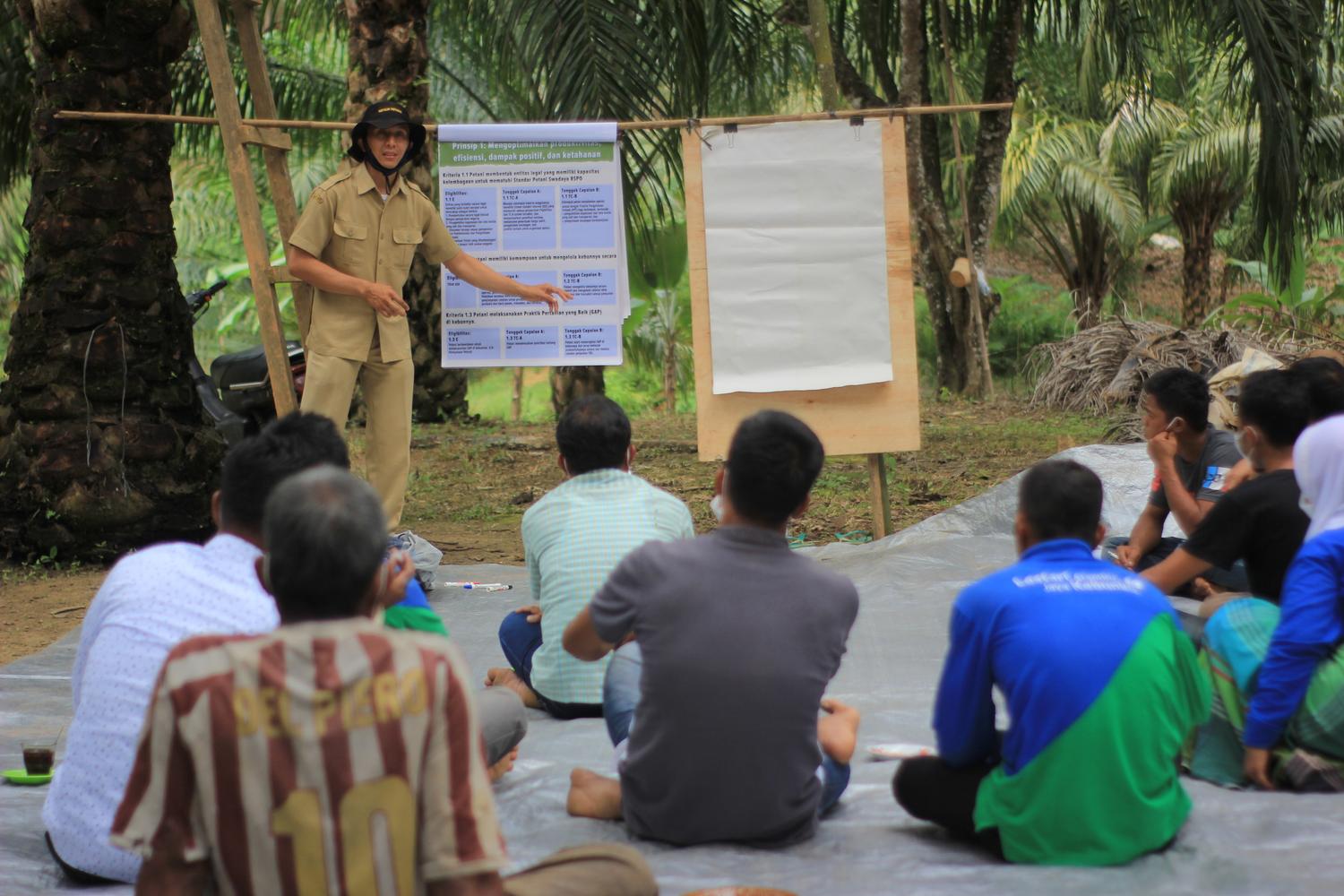
Unilever and Conservation International have built collaboration as a key pillar of our partnership through the Coalition of Sustainable Livelihoods (CSL). CSL brings together a diverse set of stakeholders to align our priorities and to share lessons, successes and approaches from landscape initiatives like those in Tapanuli Selatan. By aligning public and private sector efforts, the CSL aims to help advance government programs and policies as well as contribute to supply chain sustainability for companies operating in and purchasing products from North Sumatra and Aceh.
Unilever has been an active member of CSL’s steering committee since 2019 and is providing core funding to support the CSL platform, including advancing CSL’s efforts around stakeholder engagement, facilitating knowledge exchange and shared learnings, and strengthening CSL’s governance. Unilever has provided direct support to CSL’s labor working group, which facilitated a multistakeholder process that developed a set of recommendations for government and other stakeholders aimed at reducing labor risk in palm oil value chains in North Sumatra and Aceh. Unilever is also providing support to CSL’s District Initiatives in Tapanuli Selatan and Aceh Tamiang, through their partnerships with Konservasi Indonesia and IDH.